

Phone:
0086 28 87573647
+86 19150187139
With the rapid advancement of science and technology, industries such as electronics, power, pharmaceuticals, chemicals, light industry, and aerospace are increasingly demanding higher water quality standards. As a result, the use of ultrapure water as raw material and process water is becoming more widespread. In the production of electronic tubes, water quality directly affects the amplification performance and lifespan of the tubes. In the photovoltaic solar industry, water quality must meet national standards for the electronics sector. In chemical industries, ultrapure water is primarily used for high-pressure boilers, chemical analysis, chemical raw materials, product cleaning, as well as for separation, purification, concentration, and waste recycling. In the integrated circuit industry, as integration levels increase and line widths become narrower, the demand for water purity becomes ever stricter. In summary, as society advances and products continuously upgrade, the increasing demand for higher water quality is an inevitable trend. Ultrapure water will therefore be widely applied across industrial enterprises.
Applications in electronics, power generation, electroplating, lighting, laboratories, food processing, papermaking, daily chemicals, building materials, paint production, batteries, analytical testing, biotechnology, pharmaceuticals, petroleum, chemical engineering, steel, glass, and many other fields;
Ultrapure water for chemical process water, chemical reagents, cosmetics, and similar applications;
Ultrapure water used in the manufacturing processes of single-crystal silicon, semiconductor wafer slicing, semiconductor chips, semiconductor packaging, lead frames, integrated circuits, liquid crystal displays (LCDs), conductive glass, cathode ray tubes (CRTs), printed circuit boards (PCBs), optical communications, computer components, capacitors, clean products, and a wide range of electronic components;
Water for the food industry: drinking purified water, mineral water, beverages, beer, dairy products, and related applications;
Industrial process water for manufacturing: automobile coating, household appliance painting, paints, coatings, precision cleaning, and other industrial applications;
Boiler makeup water for the power industry: thermal and thermal power plants, medium- and low-pressure boiler systems, and high-purity water applications for fine chemicals and advanced scientific research.
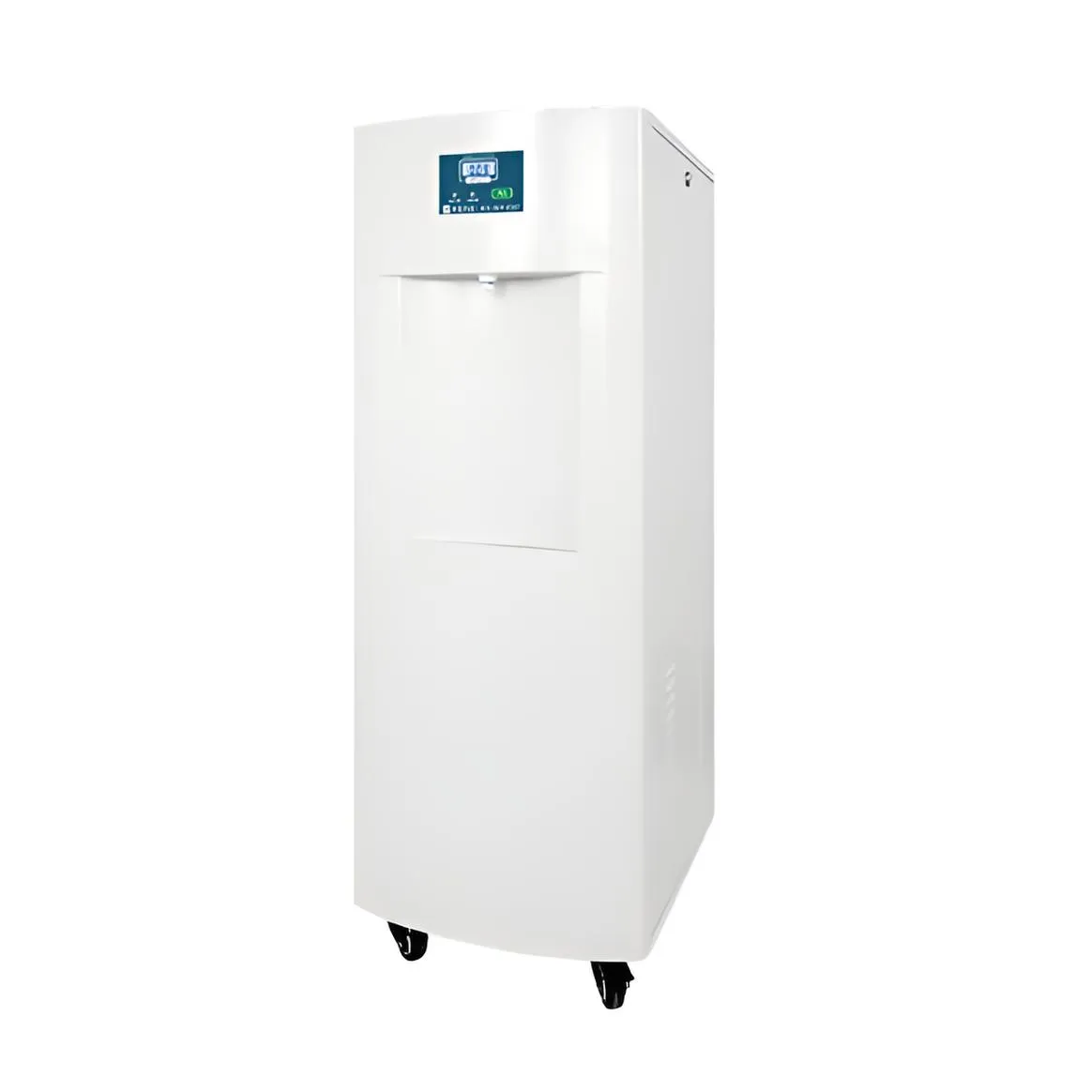
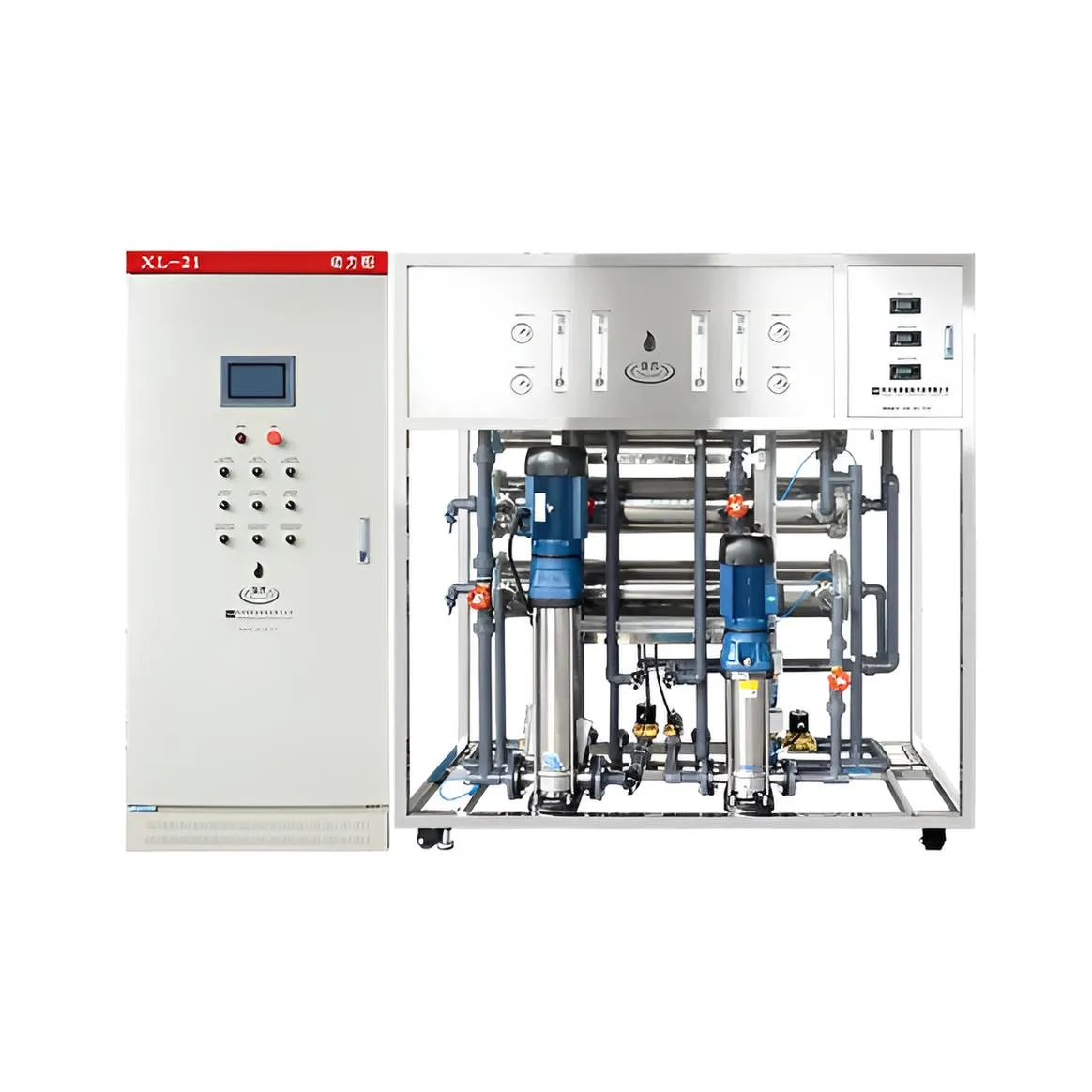
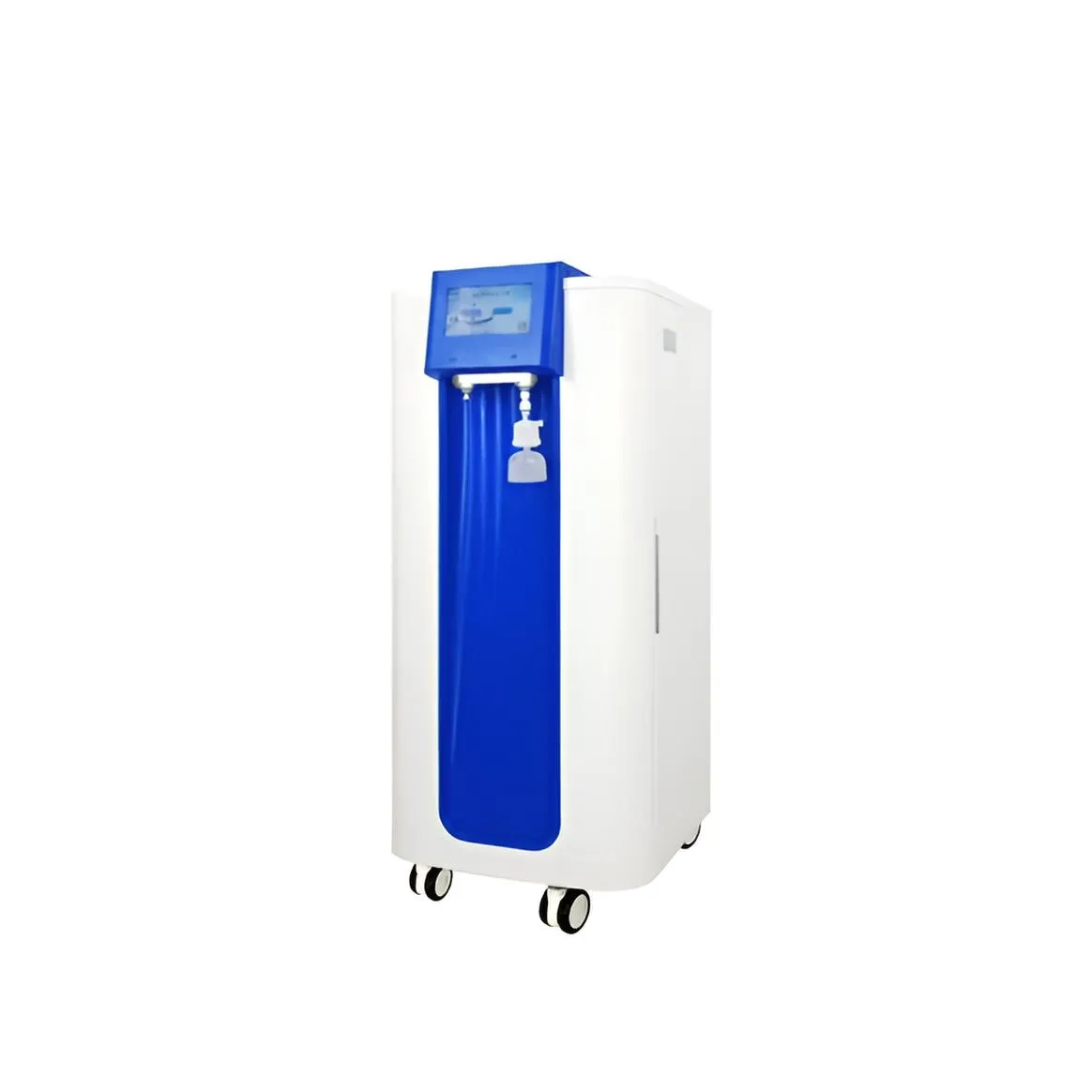
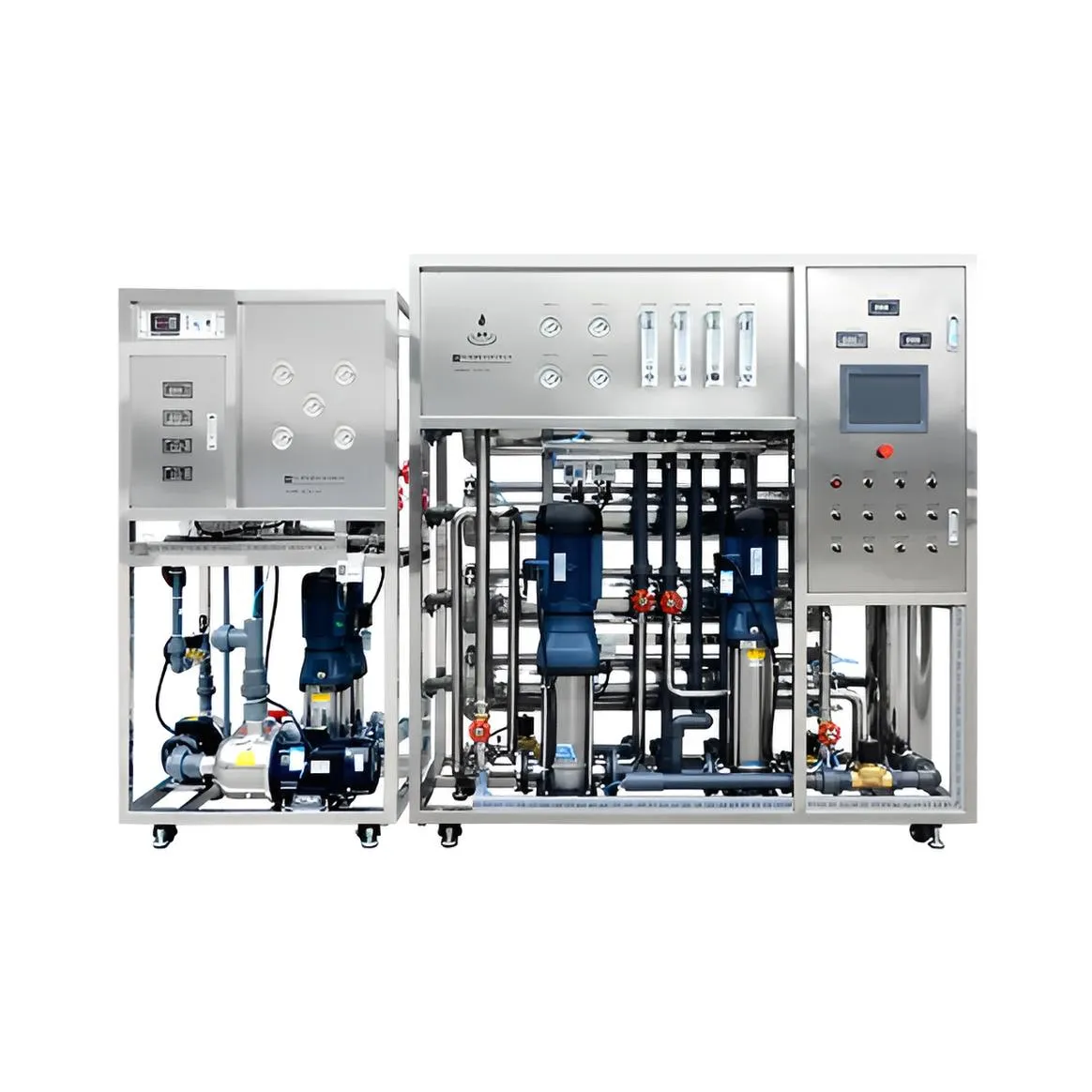
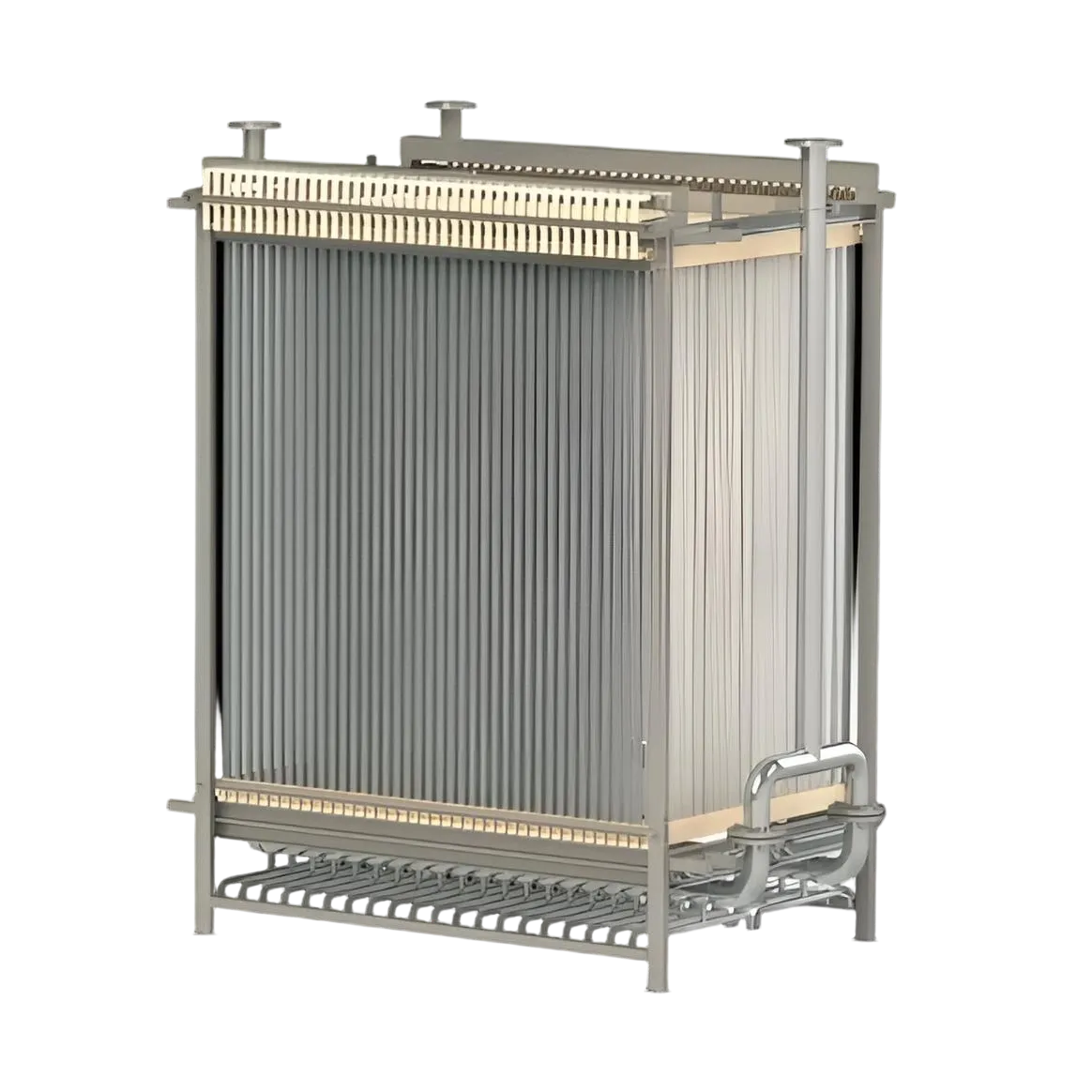
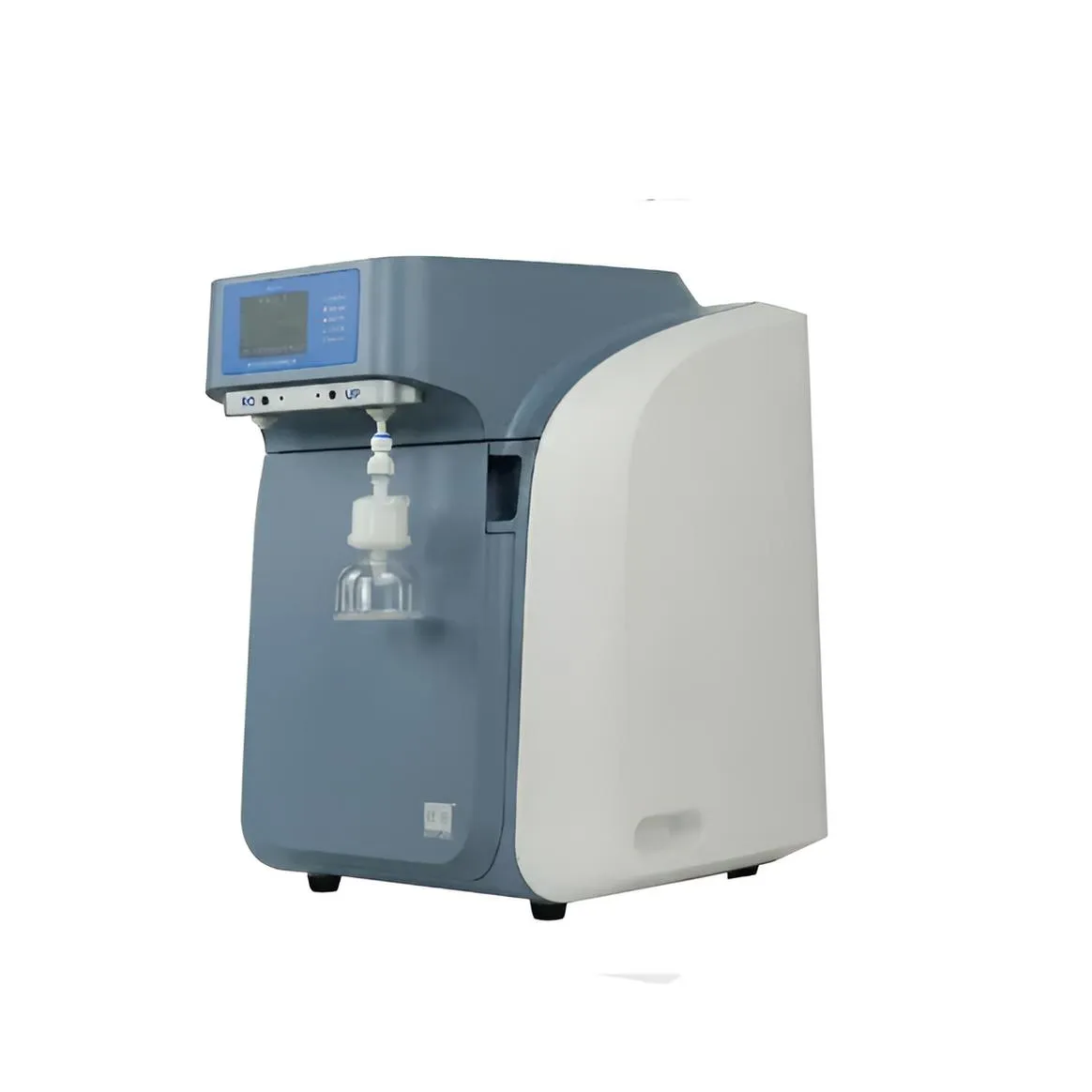
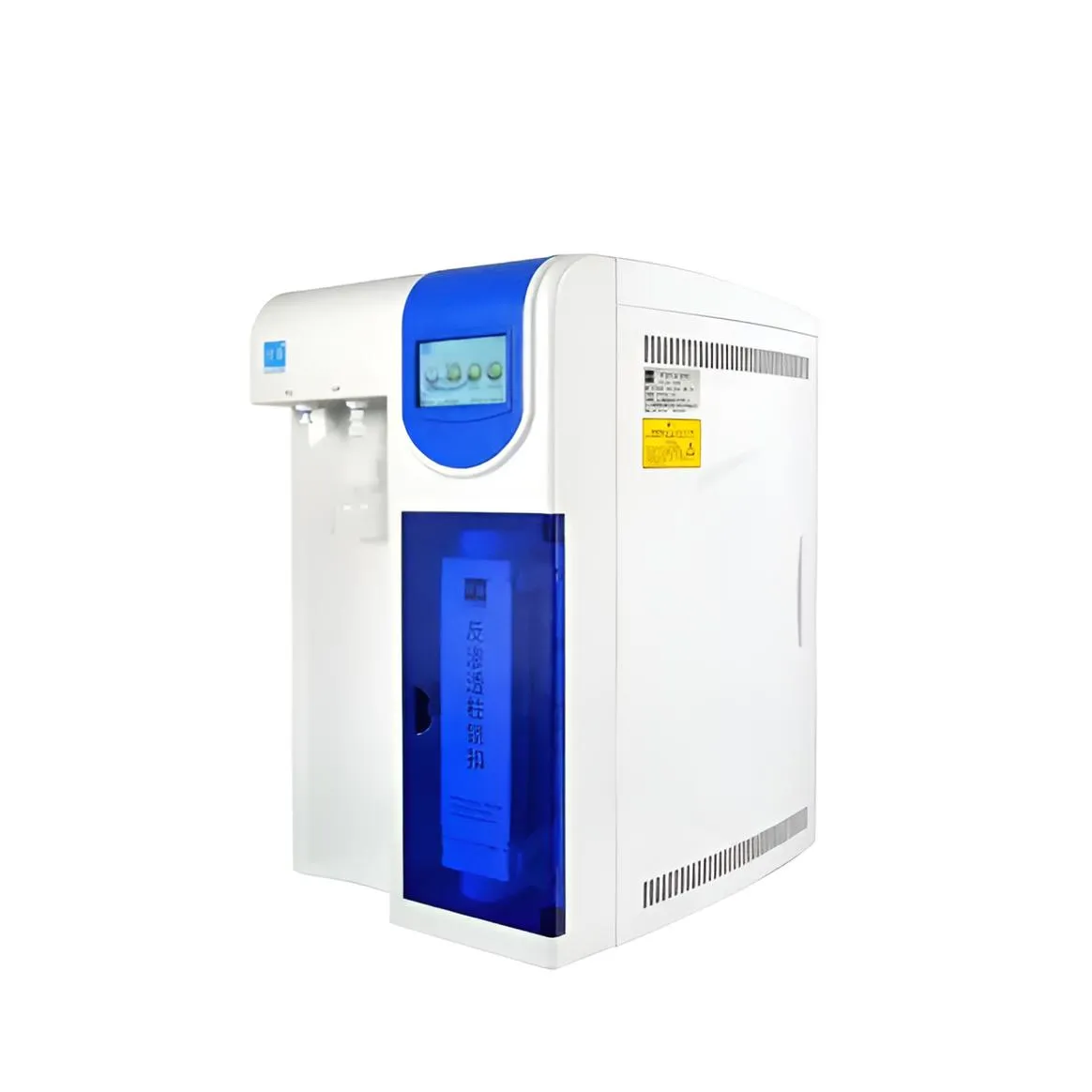
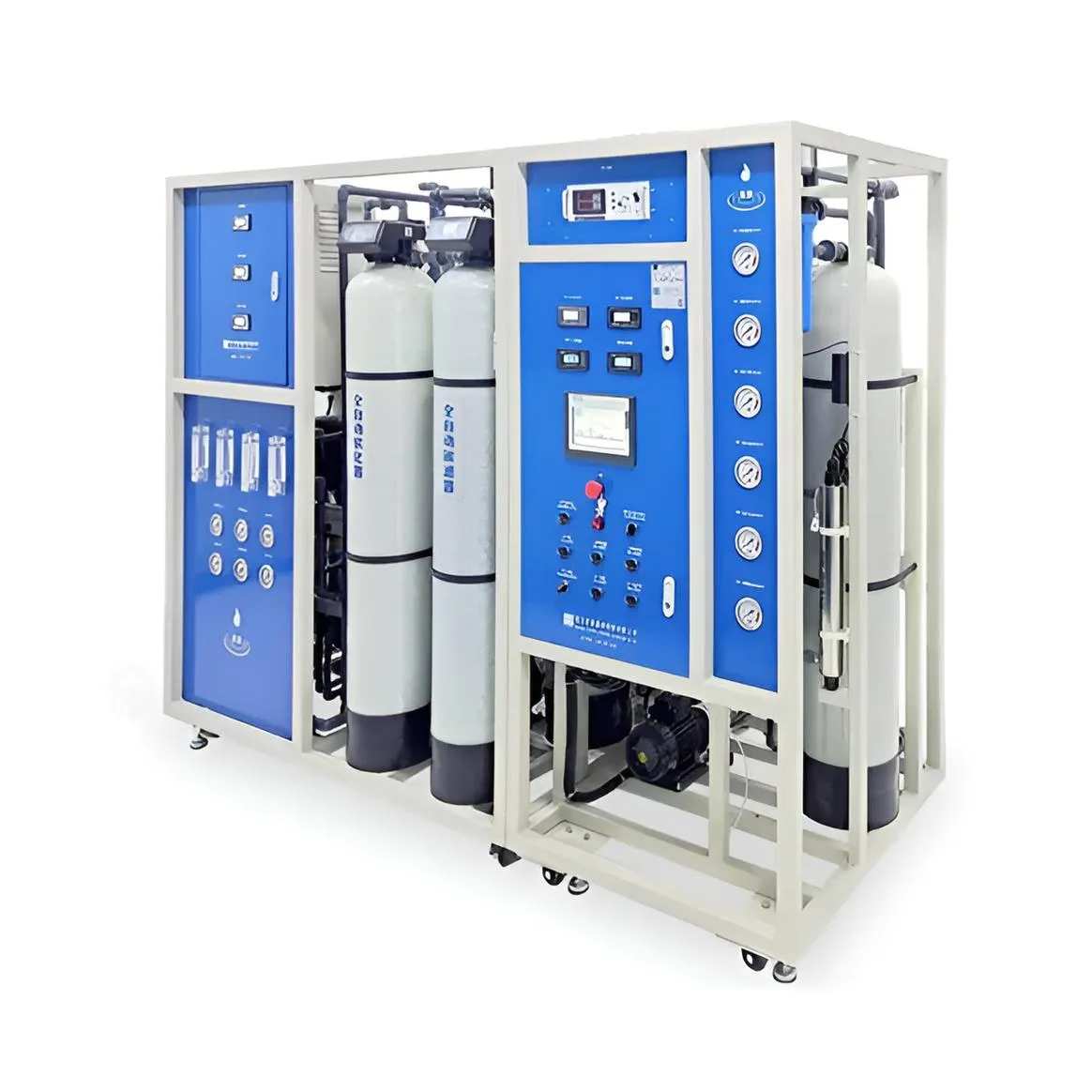
Model type | UPT-I-150/200/250/300/500L/1000L | UPT-II-150/250/500/1000L | UPT-III-150/250/500/1000L |
Power supply | AC220V/AC380V~50HZ | ||
Power | ≥2.5KW(Depending on system configuration and process requirements) | ||
Water source for inlet | Municipal tap water (total dissolved solids TDS < 200 ppm), residual chlorine content ≤ 0.05 mg/L, water pressure 1.5–5 kg/cm², water temperature 5–45°C | ||
Water production process | Single-stage reverse osmosis + ultra-purification system | Two-stage reverse osmosis system | Two-stage reverse osmosis + ultra-purification system |
Water production capacity | 150/200/250/300/500/1000(L/h) | 150/250/500/1000(L/h) | |
Produced Water Quality | Resistivity≥15MΩ·cm@25℃(Online monitoring) | Conductivity≤5μS/cm@25℃(Online monitoring) | Resistivity≥17MΩ·cm@25℃(Online monitoring) |
Main unit dimensions | The footprint required varies according to the selected configuration. | ||
Occupied area | The floor space required varies depending on the selected configuration. | ||
Weight | The equipment weight varies depending on the selected configuration. | ||
Water storage tank | The 150/200/250 L models come standard with a 250 L pure water tank; the 300/500 L models come standard with a 500 L pure water tank; the 1000 L model comes standard with a 1000 L pure water tank | ||
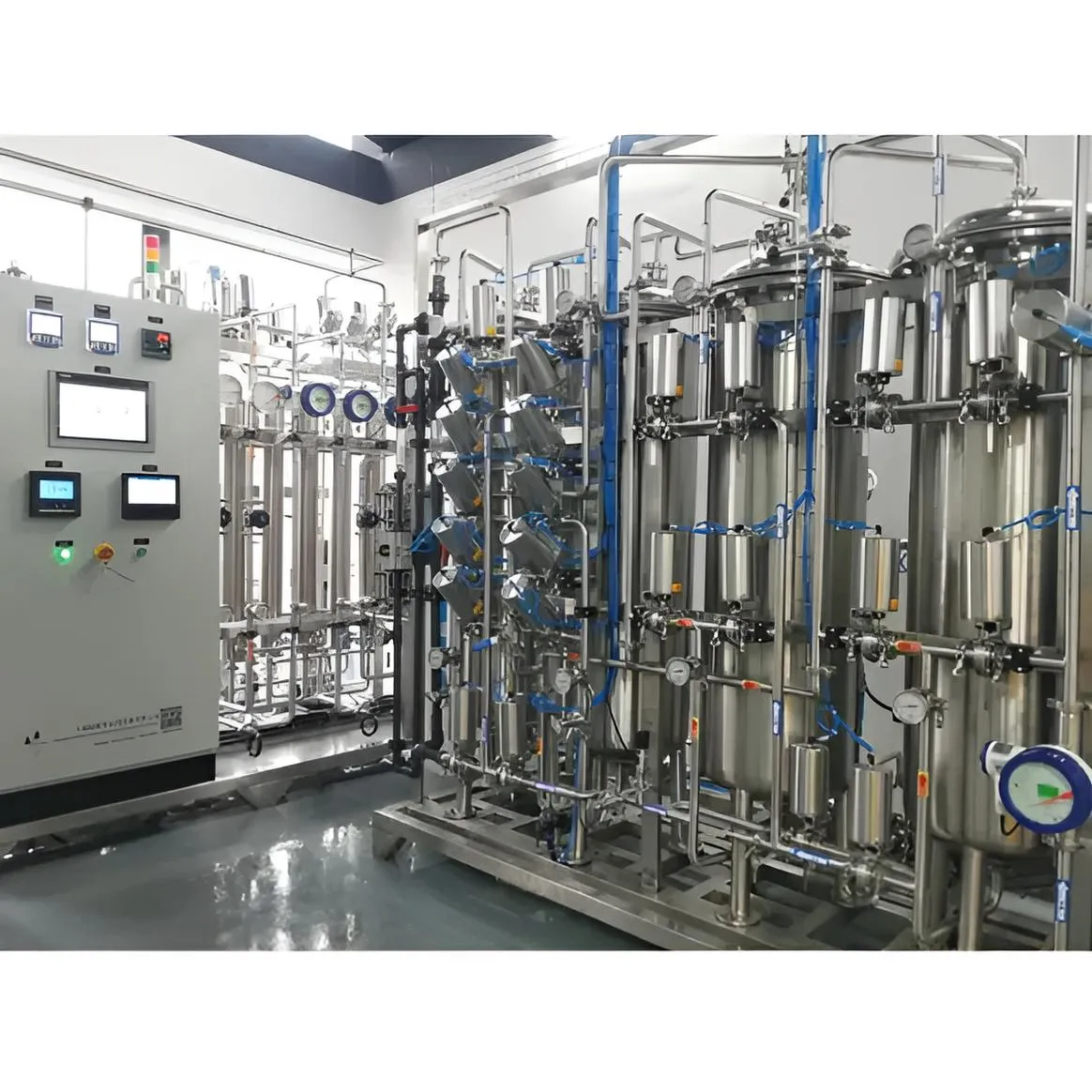
The system employs level interlock-based automatic control, with all operations automatically executed under preset conditions, offering full automation. Pre-treatment requires manual flushing, while the reverse osmosis (RO) unit and water supply system operate automatically—though they can also run manually.
It features automatic water production and standby functions for pure water generation, as well as automatic startup and shutdown.
The reverse osmosis main unit is equipped with an RO membrane antiscalant program, automatically rinsing the RO membrane during startup and shutdown.
The system includes fault detection in the operating system, voltage safety protection, and overload protection. It features an automatic reset and safety alarm system in case of power failure, automatic protection and alarm functions, and automatic shutdown upon detection of local issues.
It has self-monitoring and alarm capabilities, continuously monitoring system parameters such as conductivity, flow rate, pressure, and frequency, with alarm and protection functions activated when thresholds are exceeded.
Equipped with safety interlock functions for power failure, water supply interruption, overload, and pressure anomalies.
It includes a fault alarm recording function and provides assistance for troubleshooting equipment issues.
Features an automatic rinse function during prolonged standby periods to prevent bacterial growth and deterioration of product water quality.
Water supply is maintained at constant pressure to ensure stable system pressure, enhancing the safety of downstream water-using equipment.
The control system allows personalized, user-friendly adjustments and settings for key equipment parameters, enabling optimal operating performance.