






Phone:
0086 28 87573647
+86 19150187139

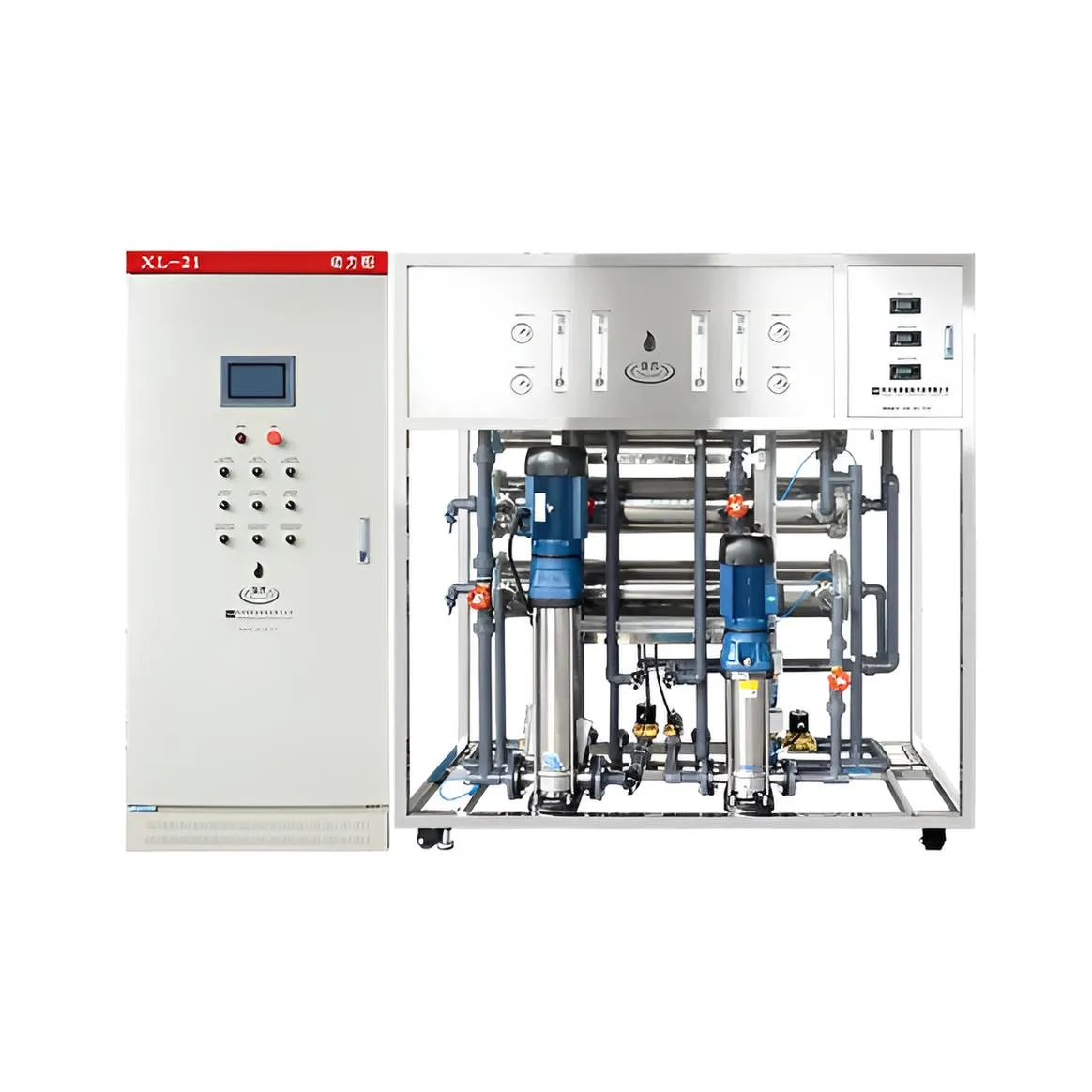
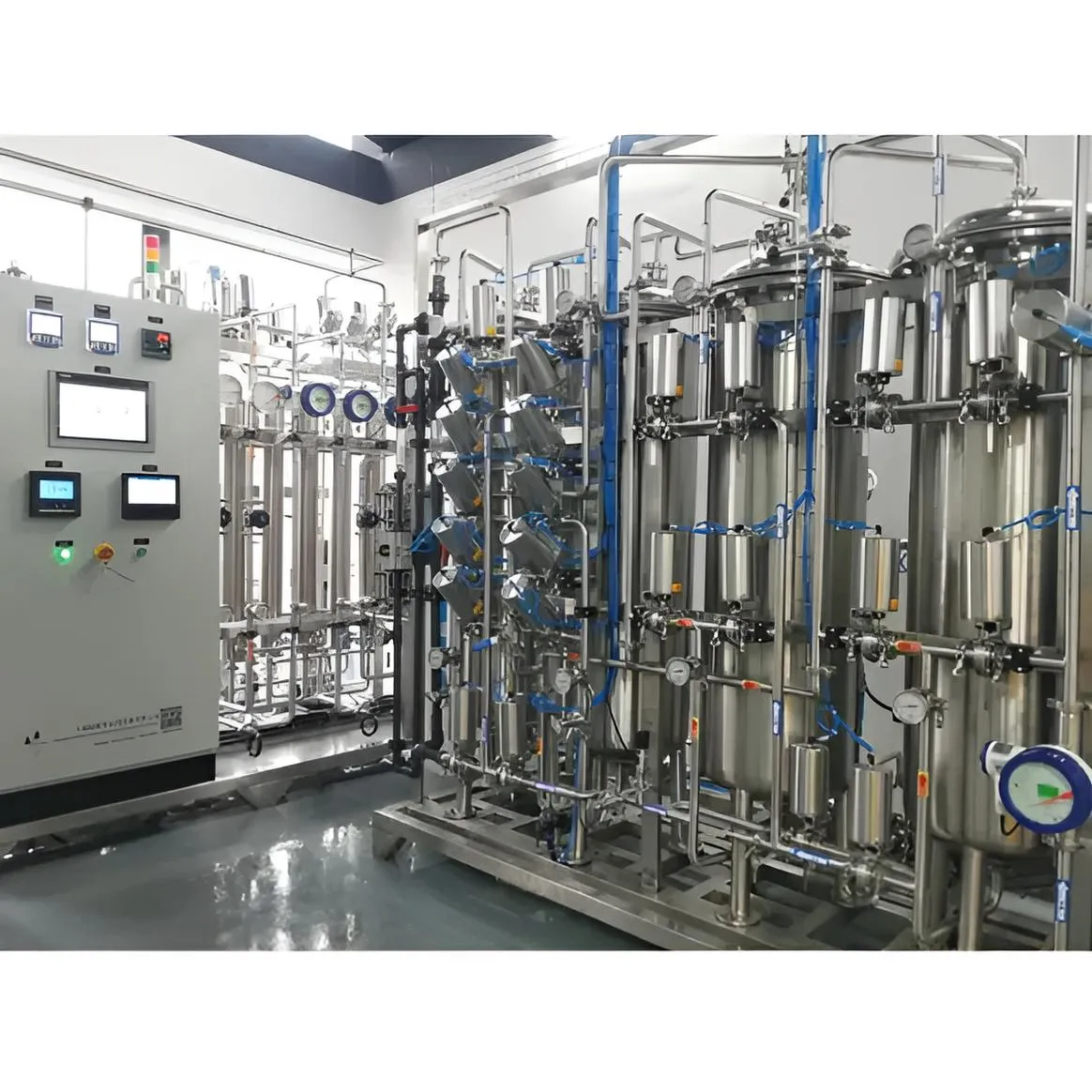
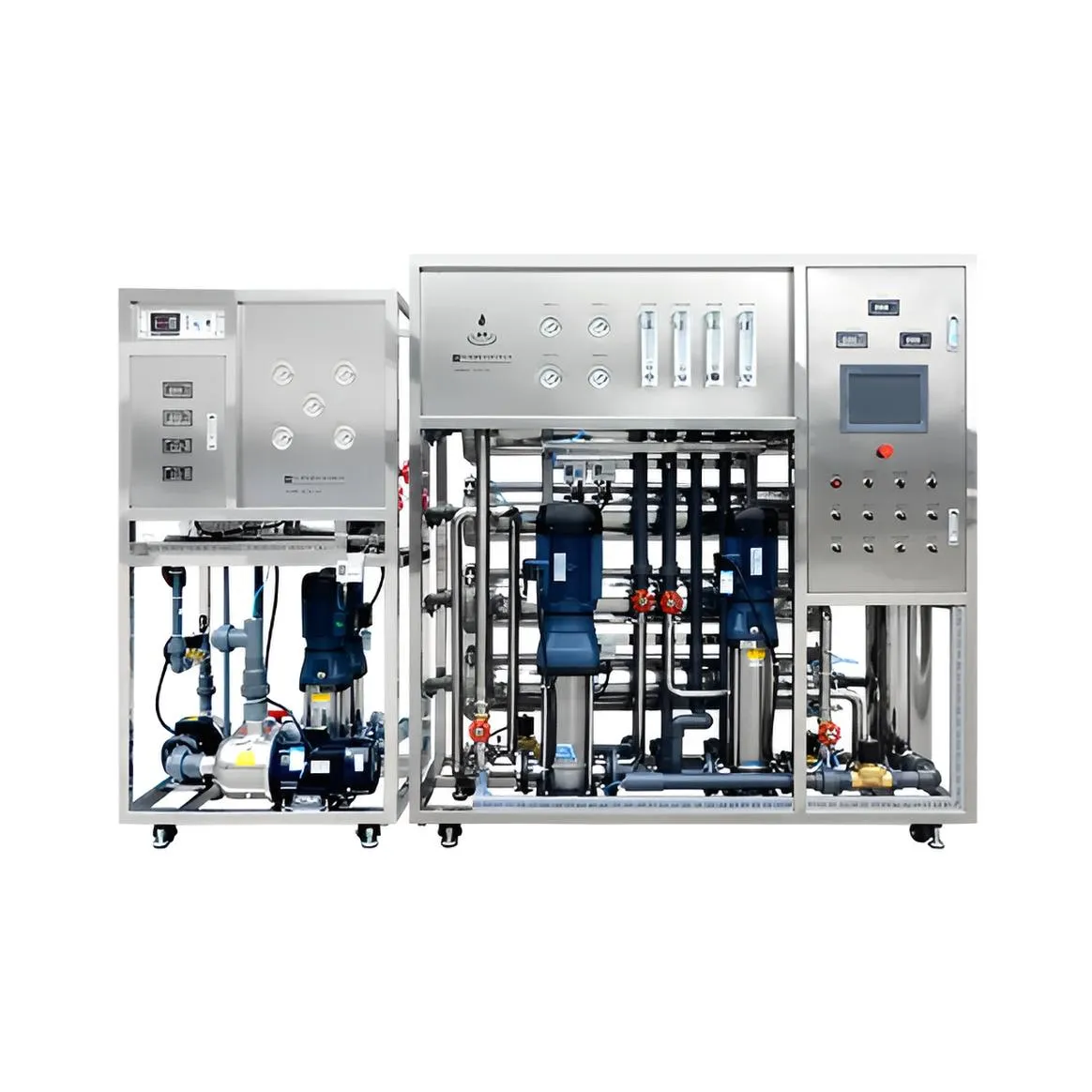
With the development of medical laboratory science, hospital laboratories have increasingly stringent requirements for laboratory water. Water quality directly affects the accuracy of test results, and most fully automated biochemical analyzers require a continuous water supply during operation. How to construct an ultrapure water preparation system to meet the needs of the laboratory is a problem that modern clinical laboratory testing must solve. This paper explores a method for constructing a practical ultrapure water preparation system for laboratory use through understanding and practice.
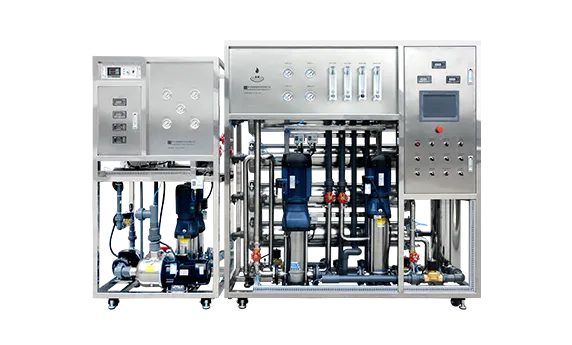
The entire design mainly includes three parts: a pretreatment system, a purification system, and an automated monitoring system.
Water Quality Testing: The resistivity and microbial content of the water are measured. Water resistivity is monitored online using an automated monitoring system. Microbial data are obtained using the plate method, referring to the standard examination method for drinking water (GB5750-1985).
The water quality test results show a resistivity of 17.0-17.5 MΩ/cm and a microbial concentration of 0-6 CFU/ml.
For modern hospital laboratories, laboratory water is one of the most essential basic substances for practical work. Water is indispensable in all aspects of laboratory operations, including the preparation of large instruments, reagents, monitoring materials, and standards; the dilution of special specimens; and the rinsing of measuring cups and other supplies. Water quality directly affects the accuracy of test results. Water contaminants can be categorized into five types: particulate matter, ions, organic matter, microorganisms, and gases, all of which can impact test results. It is recommended to use Grade I water whenever possible to minimize potential risks.
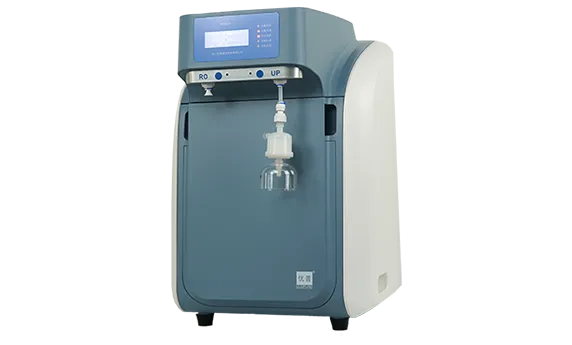
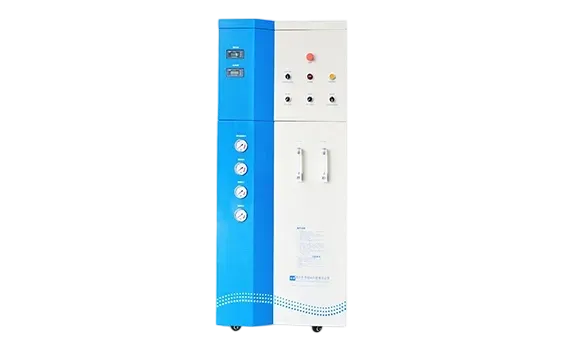
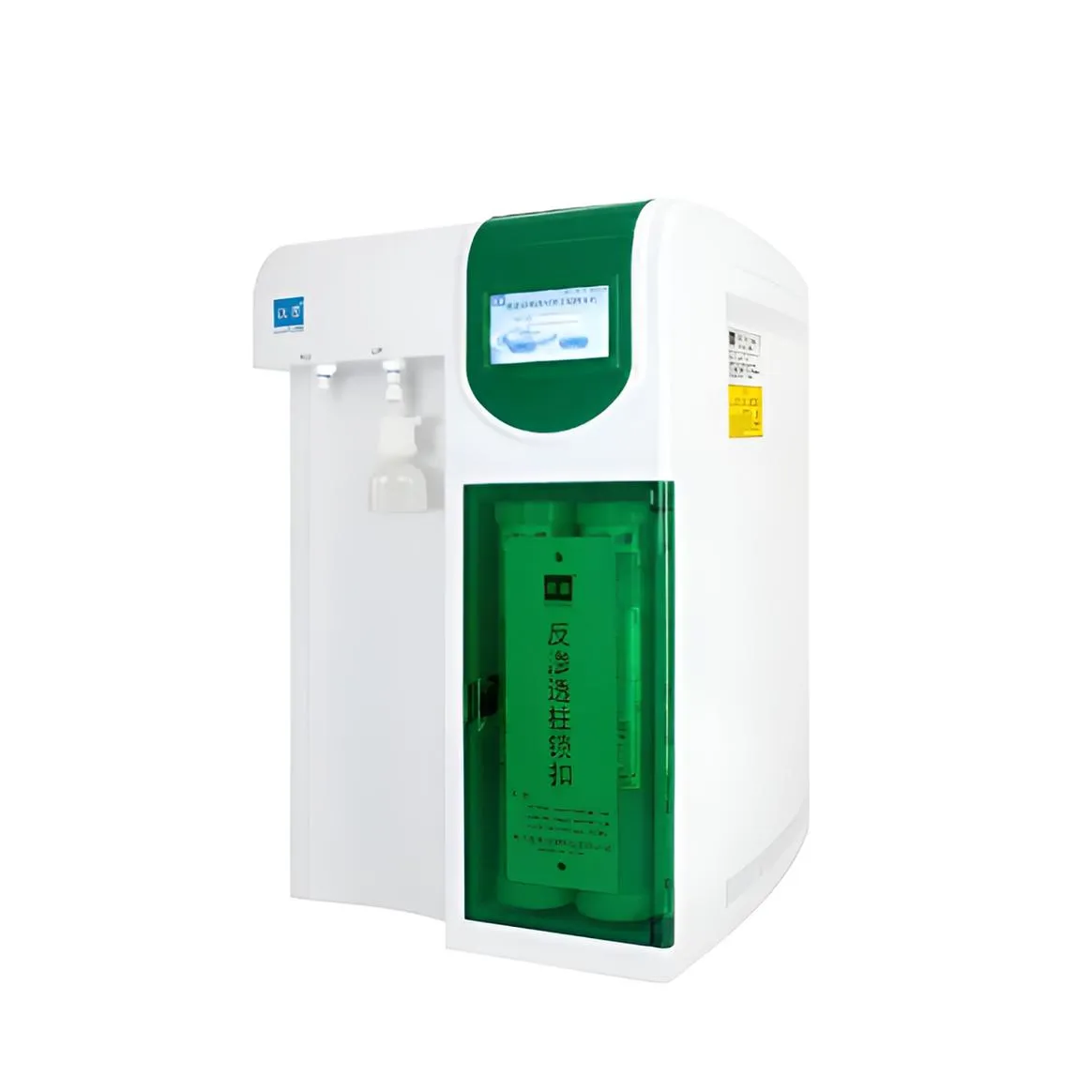
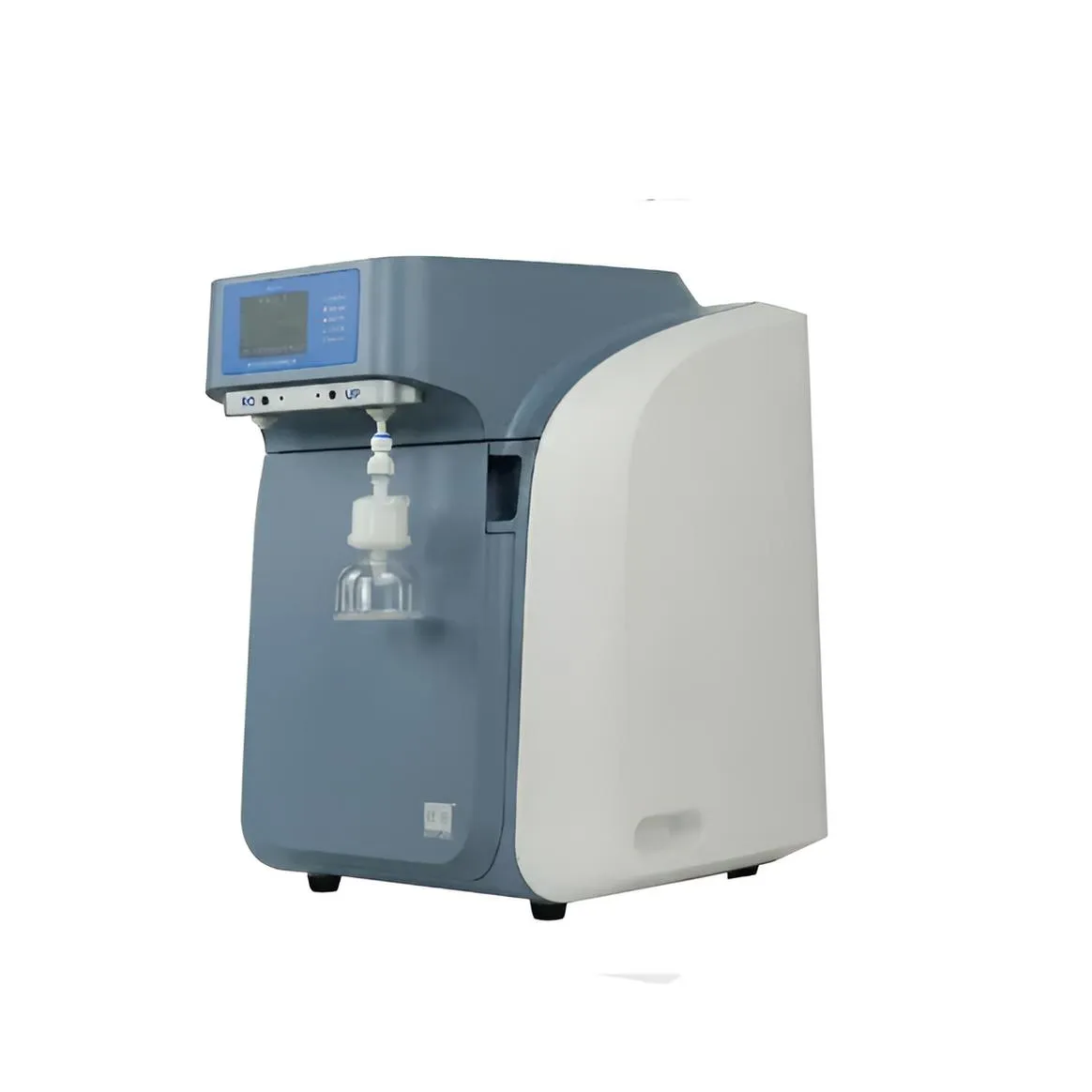
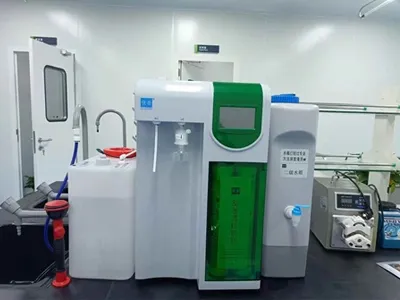
The UPU UPS series of biochemical analysis ultrapure water systems can directly purify tap water into reagent-grade pure water and ultrapure water that meets the national standard BG6682-92. With a compact design and small footprint, it is suitable for use in hospital laboratories at all levels and for supplying water to fully automated biochemical analyzers from Hitachi, Olympus, Beckman Coulter, Roche, and Delphi. For more information on how to build an ultrapure water preparation system, including system construction steps, specific instrument usage procedures, post-monitoring operations, and detailed replacement of parts, please consult customer service. Professional customer service and engineering staff are available to answer your questions.