










Phone:
0086 28 87573647
+86 19150187139


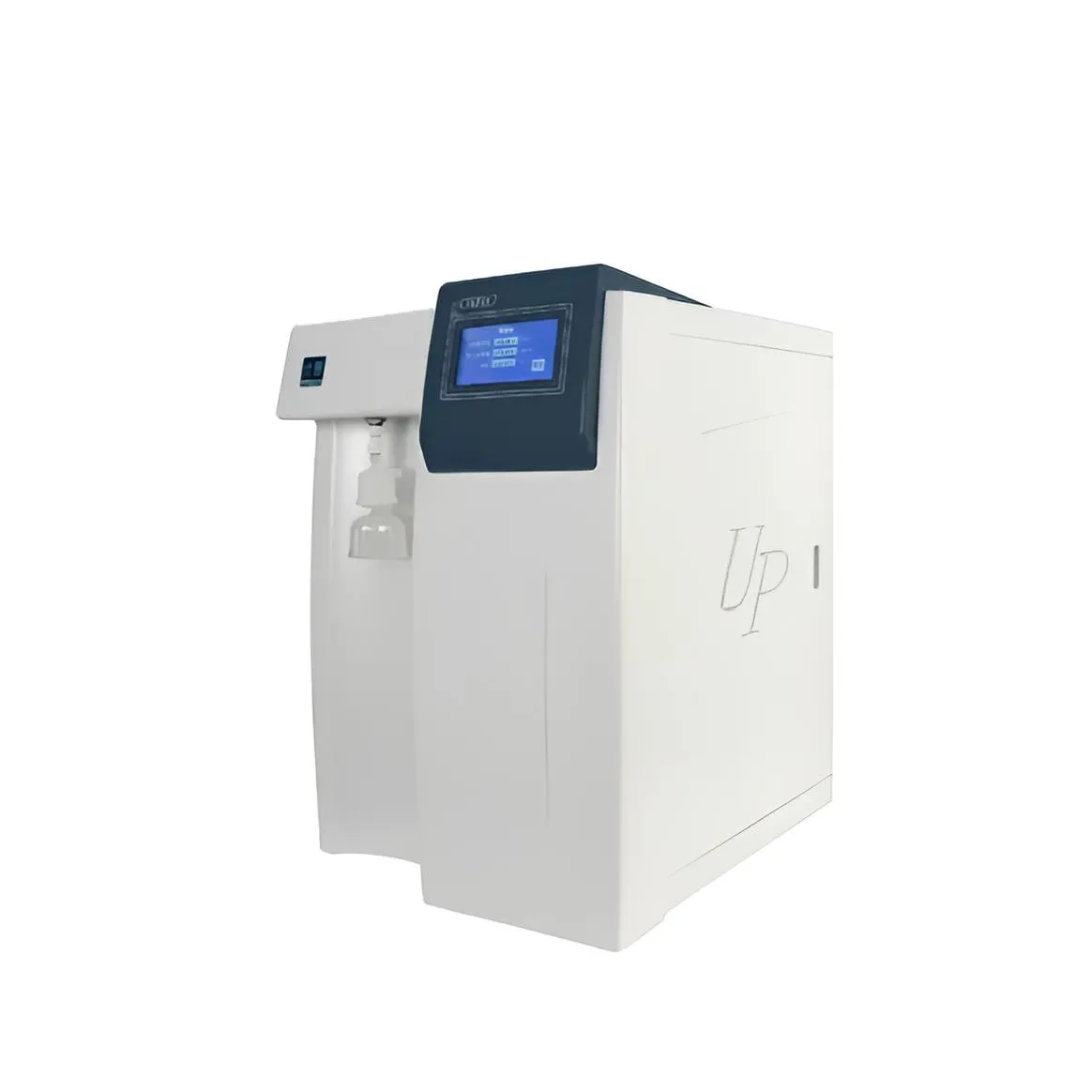
Introduction: Two of the hottest sectors for instrument applications in 2014 were environmental monitoring and life sciences. According to the "2014 Global and China Research Life Science Tools Industry Segmentation Market Research and Key Enterprise Competitiveness Survey Report" released by Shangpu Consulting, the market size of life science research tools and related instruments and equipment continued to expand, with a continuously improving growth rate and development trend. These instruments provide effective solutions to challenges in scientific research, saving time and improving research efficiency for scientists worldwide. For example, the pure water used in current experiments has largely replaced the previous generation of complex and energy-intensive water purification instruments such as distillers with ultrapure water systems. These systems are now standardly equipped with online water quality monitoring systems, featuring low energy consumption and stable water quality, resulting in more accurate and reliable experimental data.
In the late 20th century, the development and application of scientific instruments, primarily analytical instruments, led to a more intuitive and profound understanding of the life sciences field. Genes, cloning, and biochips became hot topics. Genetic engineering, tissue engineering, enzyme engineering, and protein engineering are continuously enriching and transforming traditional industries and forming new industries. All of this heralds the arrival of a new era in life sciences. Many scientists, forecasters, and pioneering entrepreneurs assert that the 21st century will be a new era for "life sciences."
With increasing sample sizes and the amount of information required from a single sample, the workload for life science researchers is constantly growing, making techniques like rapid mass spectrometry increasingly popular. Currently, life science research is no longer limited to traditional medicine; utilizing cell programming techniques such as synthetic biology, life sciences have entered the industrial sector. DNA is used to program cells to form cell factories, thereby producing high-value chemical raw materials and intermediates.
All surveyed manufacturers believe the future of life science research is bright, and regardless of economic development levels, both developed and developing countries will prioritize the development of life sciences. This is indeed true from the perspective of the vast amount of biology that needs to be understood.
As these business leaders have expressed, life science instruments will continue to evolve towards being better, faster, smaller, and more sensitive. Advances in nanotechnology and microfluidics are at the forefront of this trend. Developments in detectors, optics, and sample handling have further propelled instrument development. Research laboratories are increasingly driving technological advancements, with biotechnology companies patenting these technologies, either individually or in conjunction with other platforms, for commercial development. Industry experts point out that such advancements in biotechnology will foster innovation in life science equipment.
Future instruments will be more sensitive and faster, and experimental platforms will be more integrated, all of which will automate previously reproducible and cumbersome processes. More powerful, multi-functional systems will emerge through technologies like ultra-high-speed mass spectrometers, robust new sample preparation strategies, automated laboratory water preparation, and automated processing workstations.
How do current life science instruments achieve efficiency, cost-effectiveness, and ease of use? R&D magazine surveyed its readers. Many respondents said they use life science instruments for biological sample analysis, DNA analysis, proteomics and disease research, and drug design and development.
Of the significant advancements mentioned above, which aspects do respondents hope will see faster improvements in the next three years? Despite price reductions, 45% of respondents still hope for further price reductions. Ease of use and sensitivity were also cited, with 43% and 40% of respondents choosing these options, respectively. These data indicate that the life sciences industry is rapidly changing, and therefore equipment must keep pace to analyze smaller samples with greater efficiency. This also reflects researchers' increasing demand for instrument automation and remote operation to save valuable time. Simple operating systems and programs enable all staff, even non-specialists, to operate the instruments correctly.
my country's life science tools market has also shown vigorous vitality and development momentum, growing into one of the world's most important markets. Related data shows that from 2006 to 2013, the size of China's analytical and life science instruments market grew by over 186%, while its share of the global market increased from 4.46% to 8.64%. Meanwhile, a crucial trend in the Chinese market is the development of the domestic instrument industry. In China, domestic instrument suppliers have significantly improved their competitiveness against global suppliers, and many Chinese instrument companies have already achieved sufficient scale and strength to begin global operations.





