






Phone:
0086 28 87573647
+86 19150187139

Water is an indispensable raw material in pharmaceutical production, used in large quantities and widely. To improve pharmaceutical quality, my country has imposed increasingly stringent requirements on water used in pharmaceutical manufacturing. The 2020 edition of the Chinese Pharmacopoeia, implemented on December 30, 2020, includes three types of pharmacopoeia water—purified water, water for injection, and sterile water for injection—along with related indicators, imposing higher requirements on pharmaceutical water. With the implementation of the new pharmacopoeia, my country's pharmaceutical industry has entered a new era of greater scientific rigor and systematic development.
Under the new pharmacopoeia, the requirements for pharmaceutical water have increased, as water participates in the entire pharmaceutical production process, directly impacting drug quality. Pharmaceutical manufacturers must ensure that the quality of their pharmaceutical water meets the pharmacopoeia requirements.
The Chinese Pharmacopoeia clearly defines the requirements for pharmaceutical water, including drinking water, purified water, water for injection, and sterile water for injection. Regarding purified water, it states that it can be used in the pharmaceutical industry as a solvent for preparing ordinary pharmaceutical preparations or as experimental water; it can also be used as an extraction solvent for medicinal herbs used in sterile preparations such as traditional Chinese medicine injections and eye drops; as a solvent or diluent for preparing oral and external preparations; as water for rinsing equipment used in non-sterile preparations; and as an extraction solvent for medicinal herbs used in non-sterile preparations.
Compared to the 2015 edition, the new edition of the Pharmacopoeia still includes items on the properties, pH, ammonia, non-volatile matter, nitrates, nitrites, and heavy metals for purified water. Compared to the requirements of European and American pharmacopoeias for purified water, the new edition is closer to the European Pharmacopoeia in various indicators, meaning that the new edition's requirements for purified water are basically in line with international standards, and the requirements are becoming more stringent.
In addition to pure water standards, the new edition of the Pharmacopoeia also has stricter requirements for drug safety, employing more mature testing technologies in drug quality control. In the 2020 edition of the Chinese Pharmacopoeia, pharmaceutical water is listed under the General Rules for Pharmaceutical Preparations, specifically in the section on "Determination of Physical Constants." The General Rules mention testing methods for pharmaceutical water, such as the determination of conductivity and total organic carbon in pharmaceutical water, indicating a further increase in the requirements for pharmaceutical water in the new edition.
Regarding the quality requirements for purified water for pharmaceutical use, while the new edition of the Chinese Pharmacopoeia does not specify a particular preparation method, it clearly requires that purified water be prepared using drinking water that meets official standards as the raw water, obtained through distillation, ion exchange, reverse osmosis, or other suitable methods. Furthermore, the new edition of the Pharmacopoeia specifies requirements for purified water properties, pH value, nitrate, nitrite, ammonia, conductivity, and total organic carbon.
After the implementation of the new Pharmacopoeia, a water quality standard of 18.2 megohms is merely the threshold for high-precision instrument water requirements; TOC, heavy metal impurity content, and other indicators need to be considered comprehensively and evaluated. For ICP-MS water, on the one hand, the water quality must meet ultrapure water standards; on the other hand, the content of metal impurities in the product water must also reach ppt or even sub-ppt levels.
The ultrapure water equipment industry is ushering in new opportunities. With the further requirements of the new Pharmacopoeia for pharmaceutical water, Chinese pharmaceutical companies are actively responding, not only demanding stricter requirements for pure water equipment but also continuously expanding their demand for technologically advanced ultrapure water equipment.
Regarding pure water equipment, there are currently numerous pure water equipment manufacturers on the market. Statistics show that by the end of 2017, nearly 1,600 domestic ultrapure water machine manufacturers had been announced, and this number is still growing rapidly at a rate of 30% per year. It is worth noting that although there are many pure water equipment manufacturers, only a few can meet the requirements of the new Pharmacopoeia. Therefore, the industry for high-quality, high-tech ultrapure water equipment will see tremendous development potential.
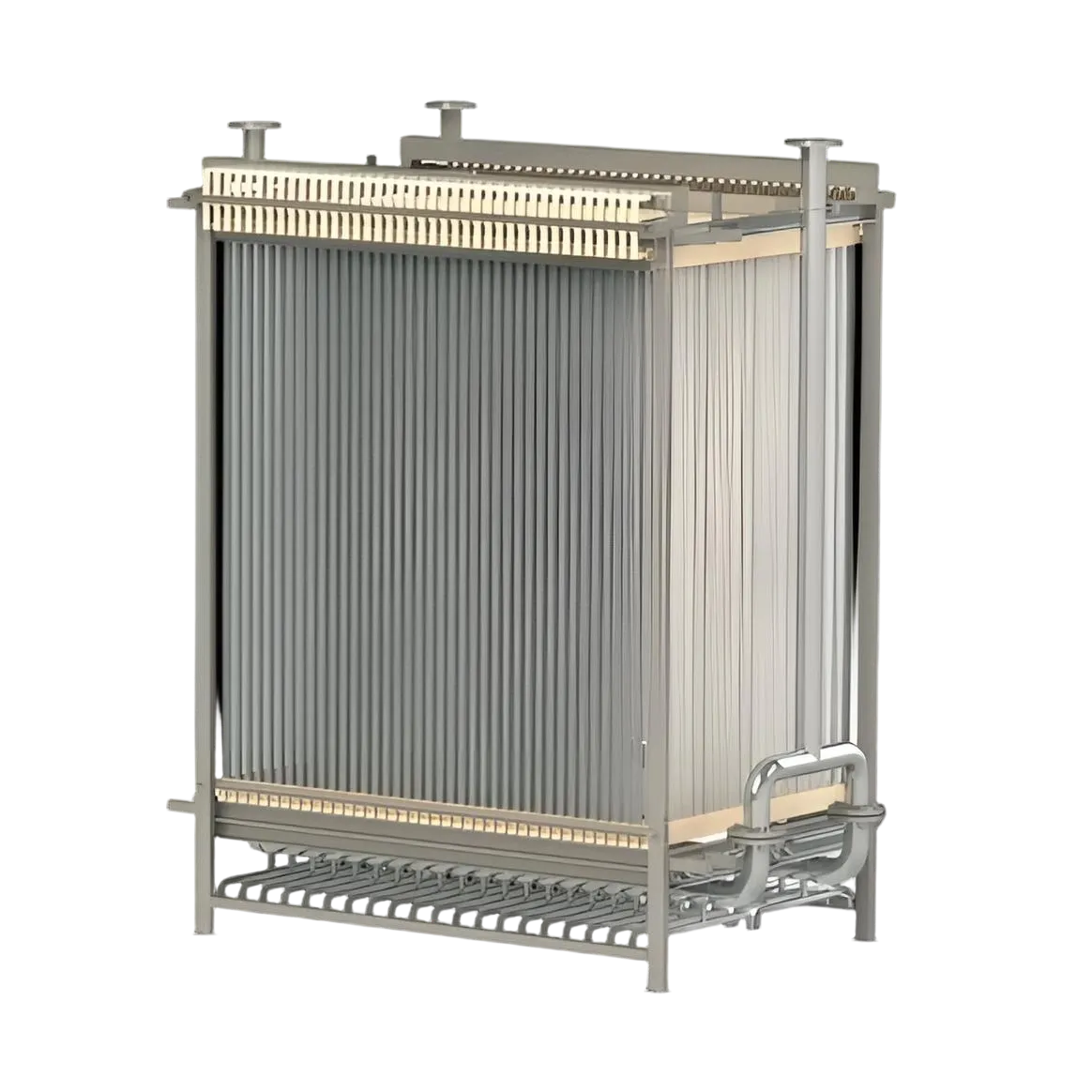
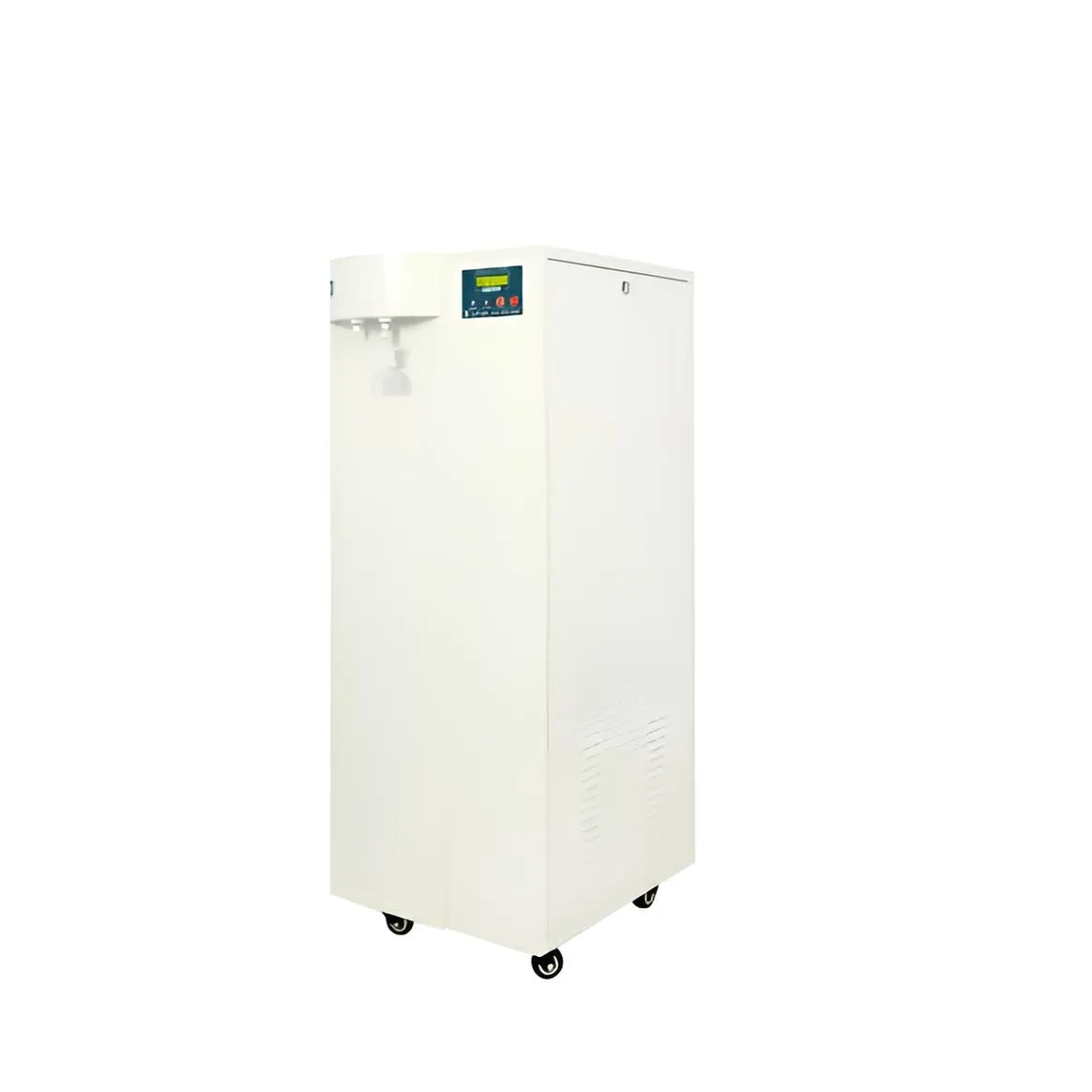
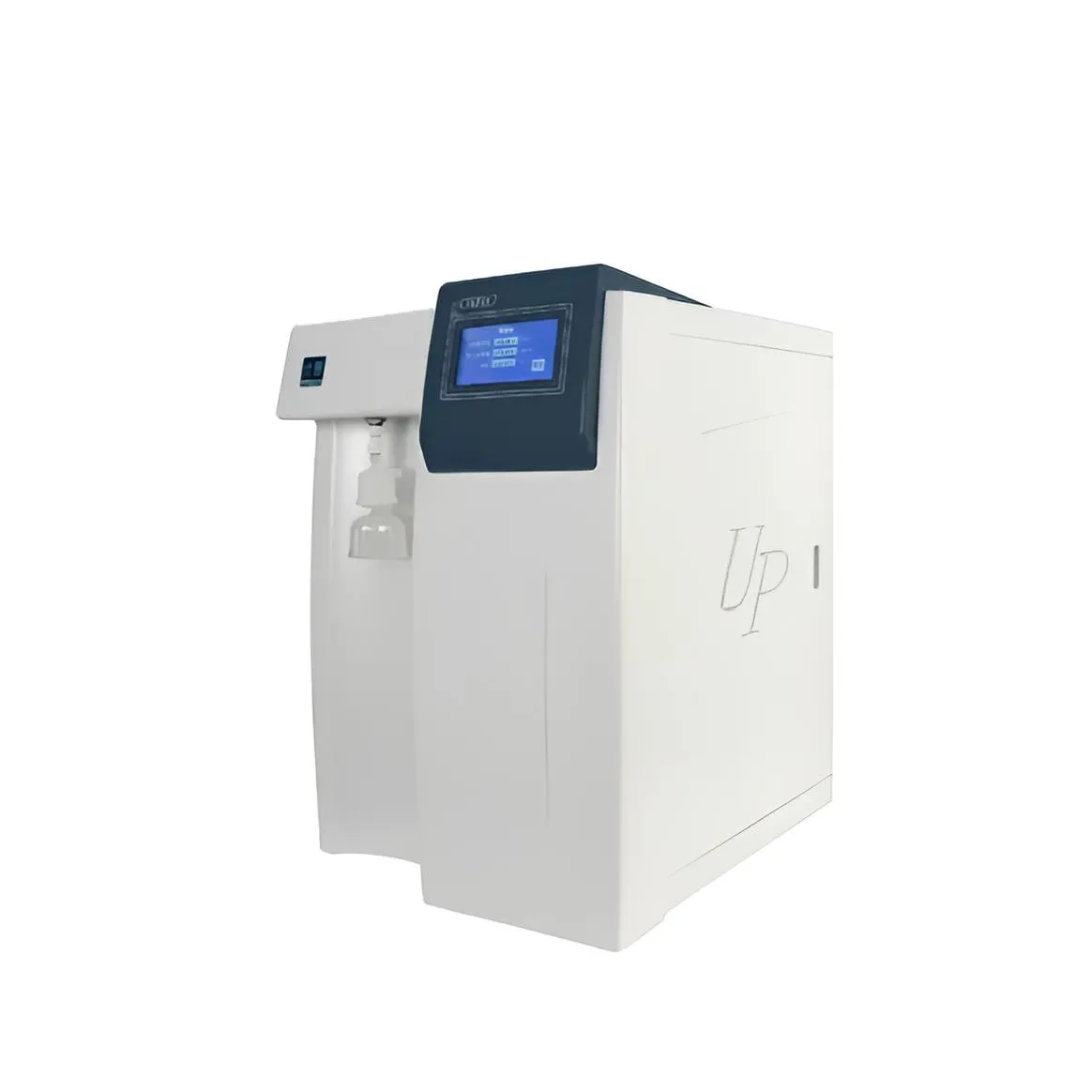
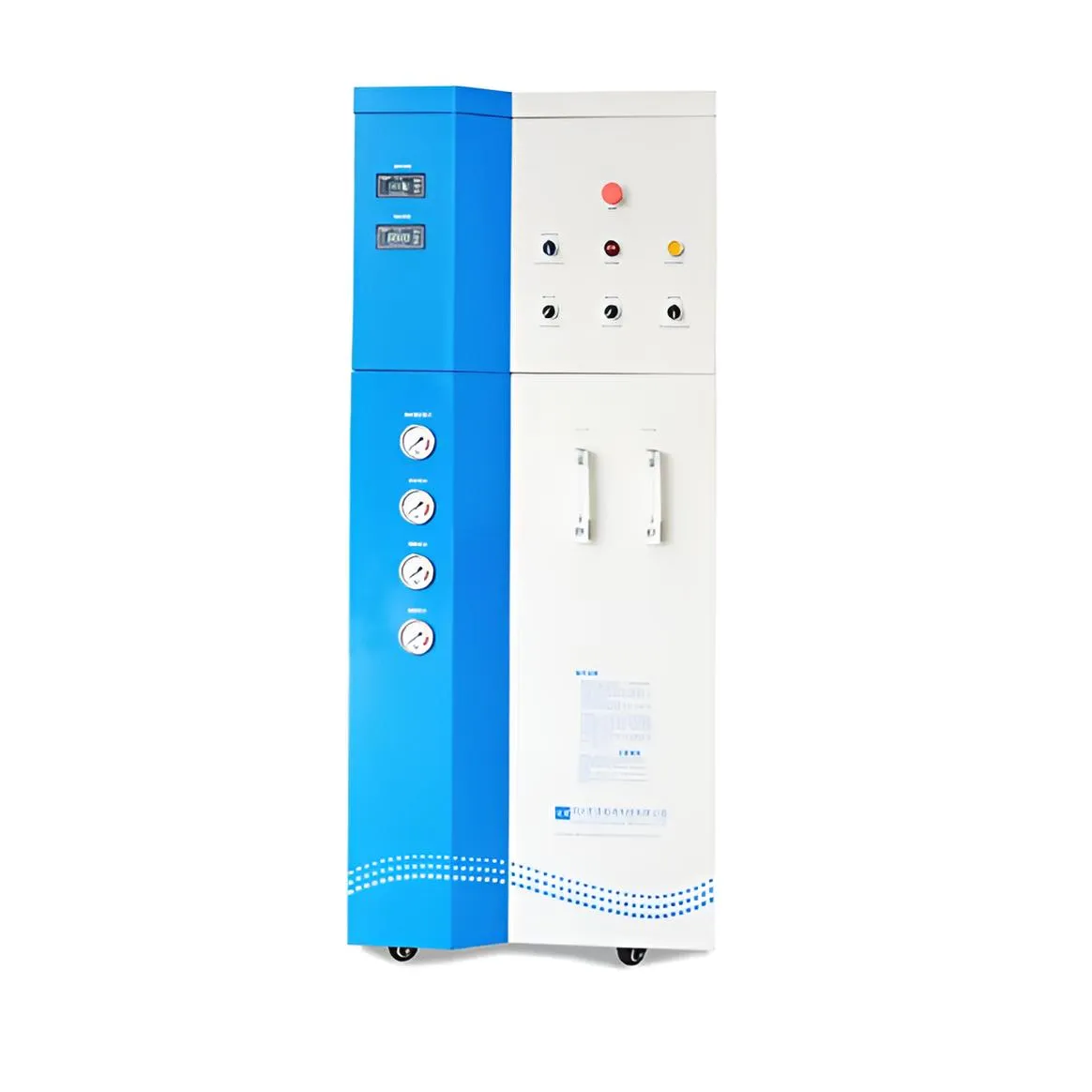
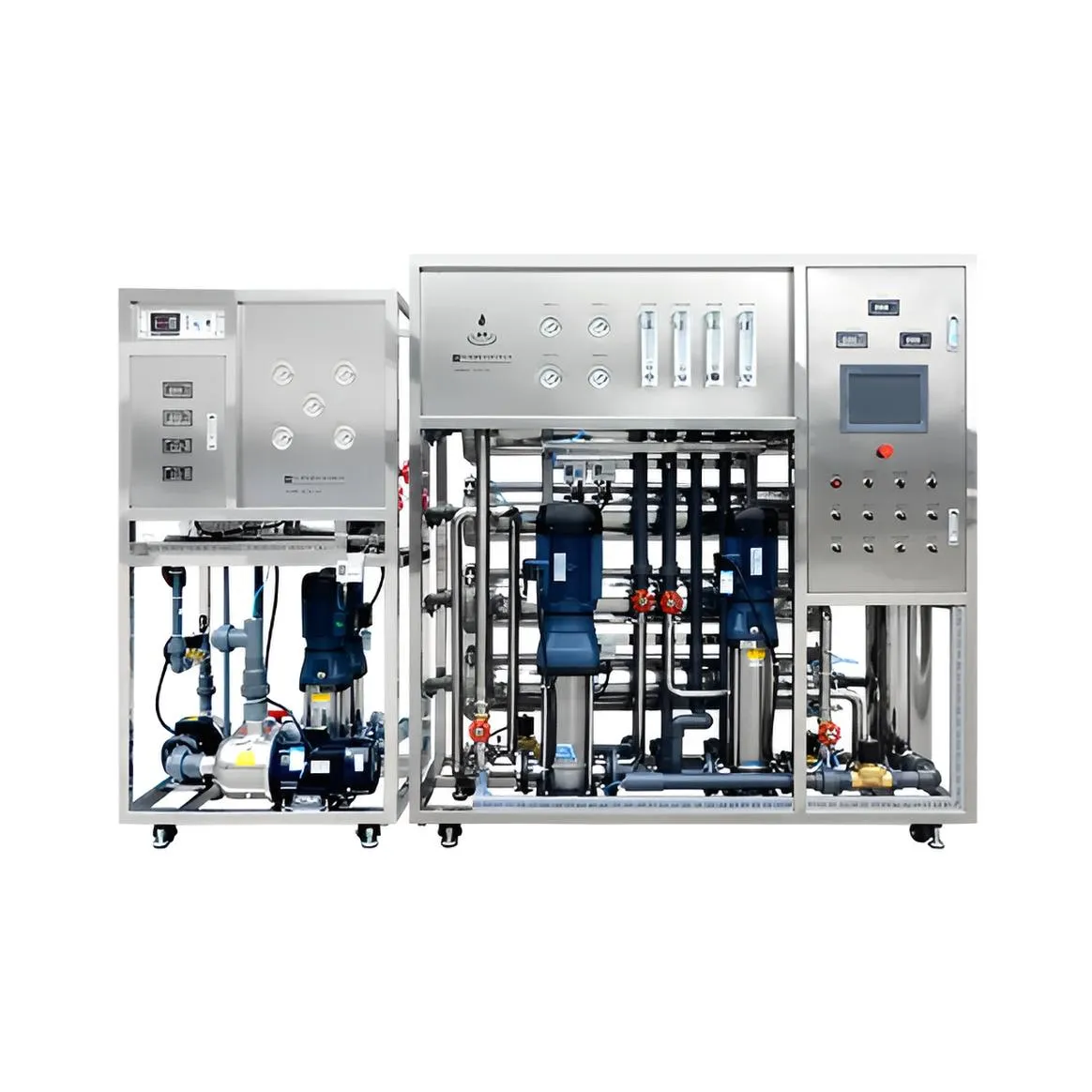
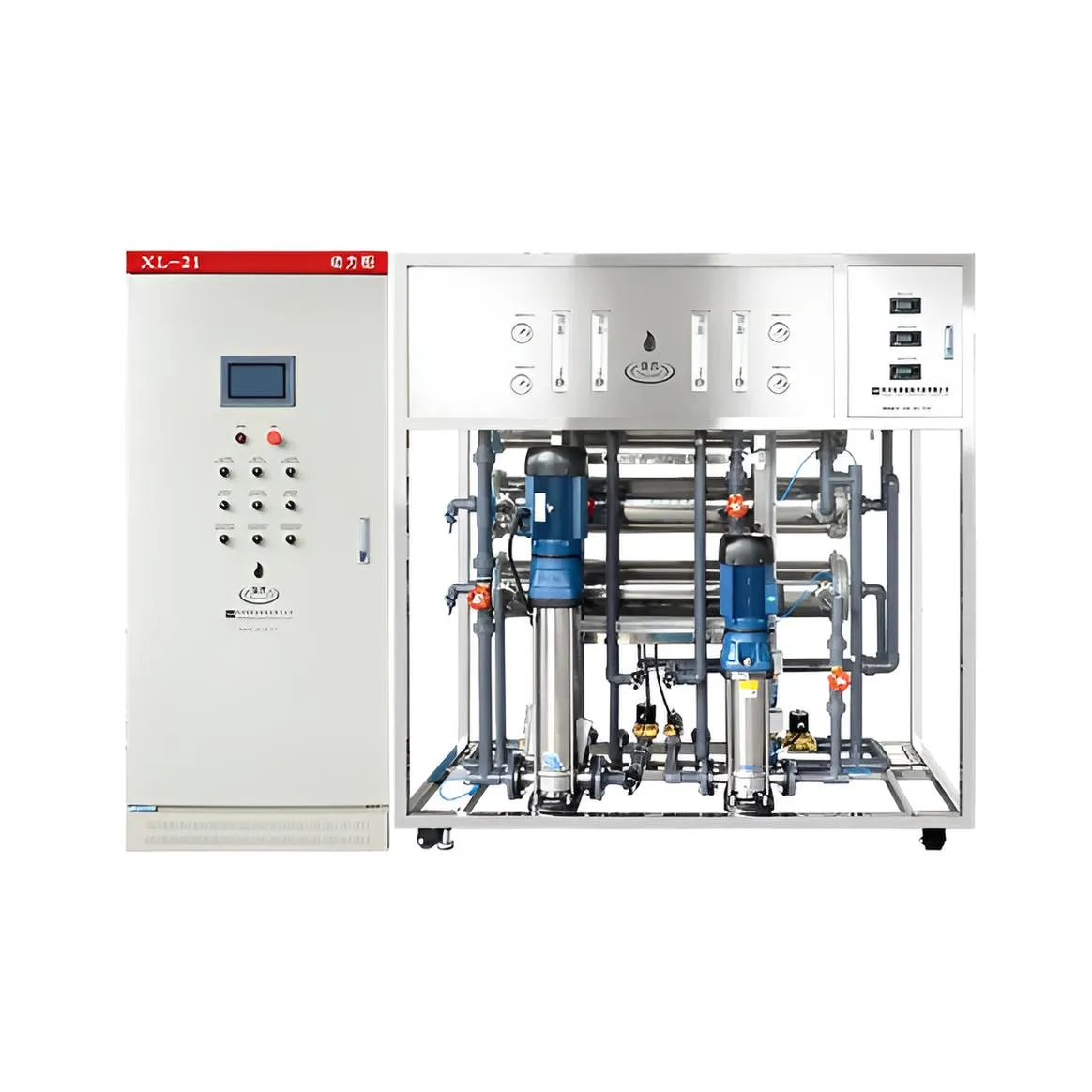
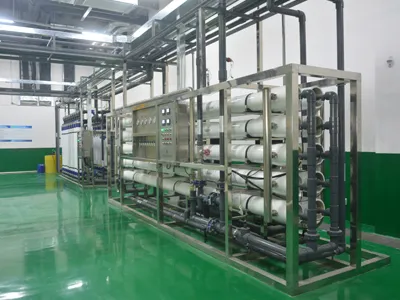
Ultrapure water equipment combines reverse osmosis water treatment with electrodeionization (EDI) and polishing mixed-bed processes to produce ultrapure water. This is a novel, environmentally friendly, economical, and high-potential process for ultrapure water production. Compared to traditional methods, ultrapure water equipment offers numerous advantages, enabling the continuous and stable production of high-quality ultrapure water.
With the implementation of the new Pharmacopoeia, the pharmaceutical ultrapure water equipment industry is poised for significant growth. Many ultrapure water equipment companies are currently focusing on innovation and upgrades, including improvements in water quality standardization, system intelligence, user-friendly design, and green production, to meet the new demands of pharmaceutical companies and address their pain points and challenges.
For example, Sichuan Ulupure's continuous electrodeionization (EDI) unit is widely used in the pharmaceutical and other fields. EDI, or continuous electro-deionization, is a water purification technology that continuously produces high-quality ultrapure water without the need for acid or alkali chemical regeneration. It boasts advantages such as stable effluent quality, compact structure, and simple operation, representing a green revolution in water treatment technology. The advent of EDI has brought a qualitative leap to the ultrapure water industry.
Purified water equipment is a crucial component in the pharmaceutical industry, directly impacting the quality and efficiency of drug production. To better meet the requirements of the new pharmacopoeia and produce high-quality, high-efficiency purified water, ultrapure water equipment manufacturers need to comprehensively consider the applicability, cleanliness, convenience, and anti-fouling properties of purified water equipment for the pharmaceutical industry. This will allow them to better seize market opportunities and seek long-term sustainable development.





