


Phone:
0086 28 87573647
+86 19150187139
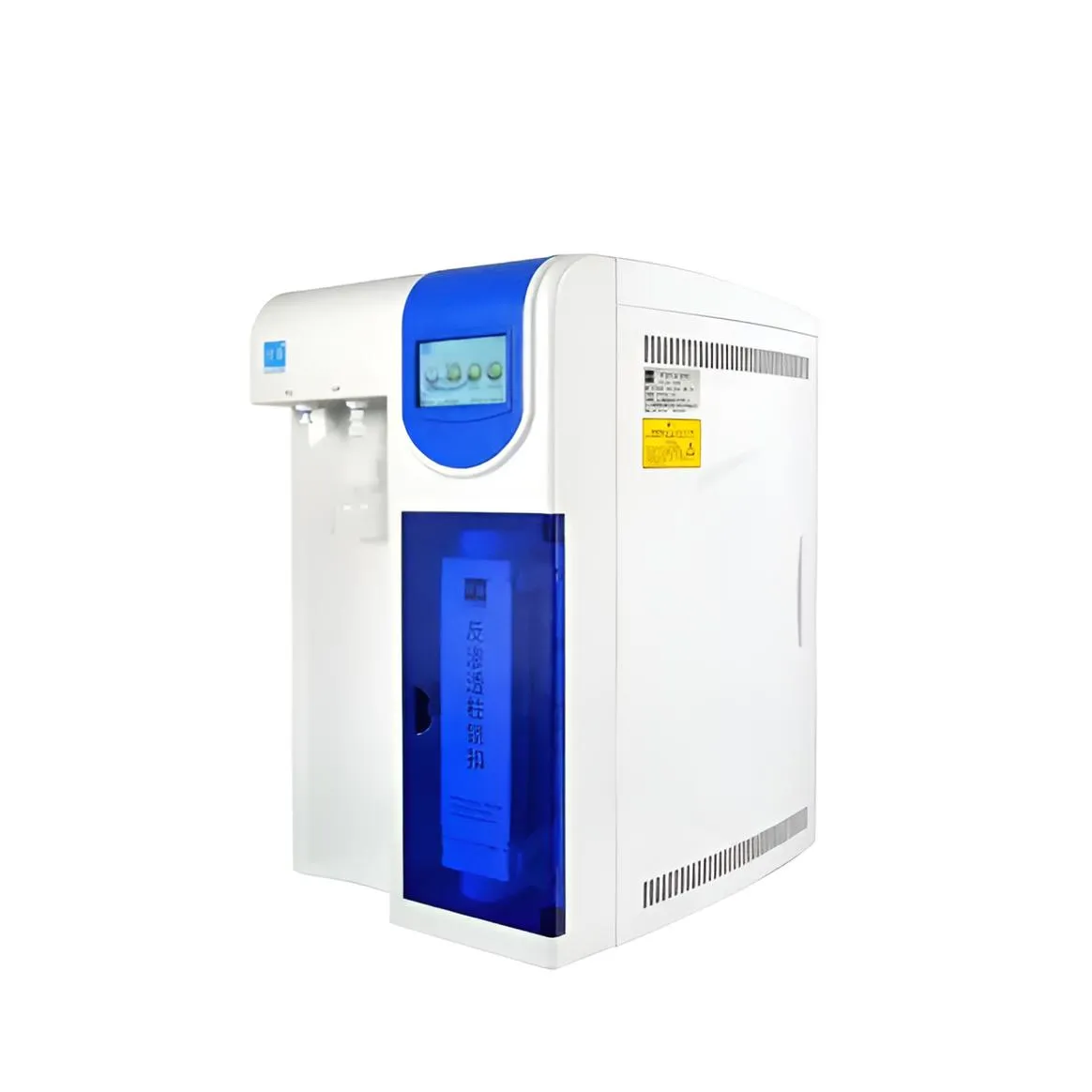
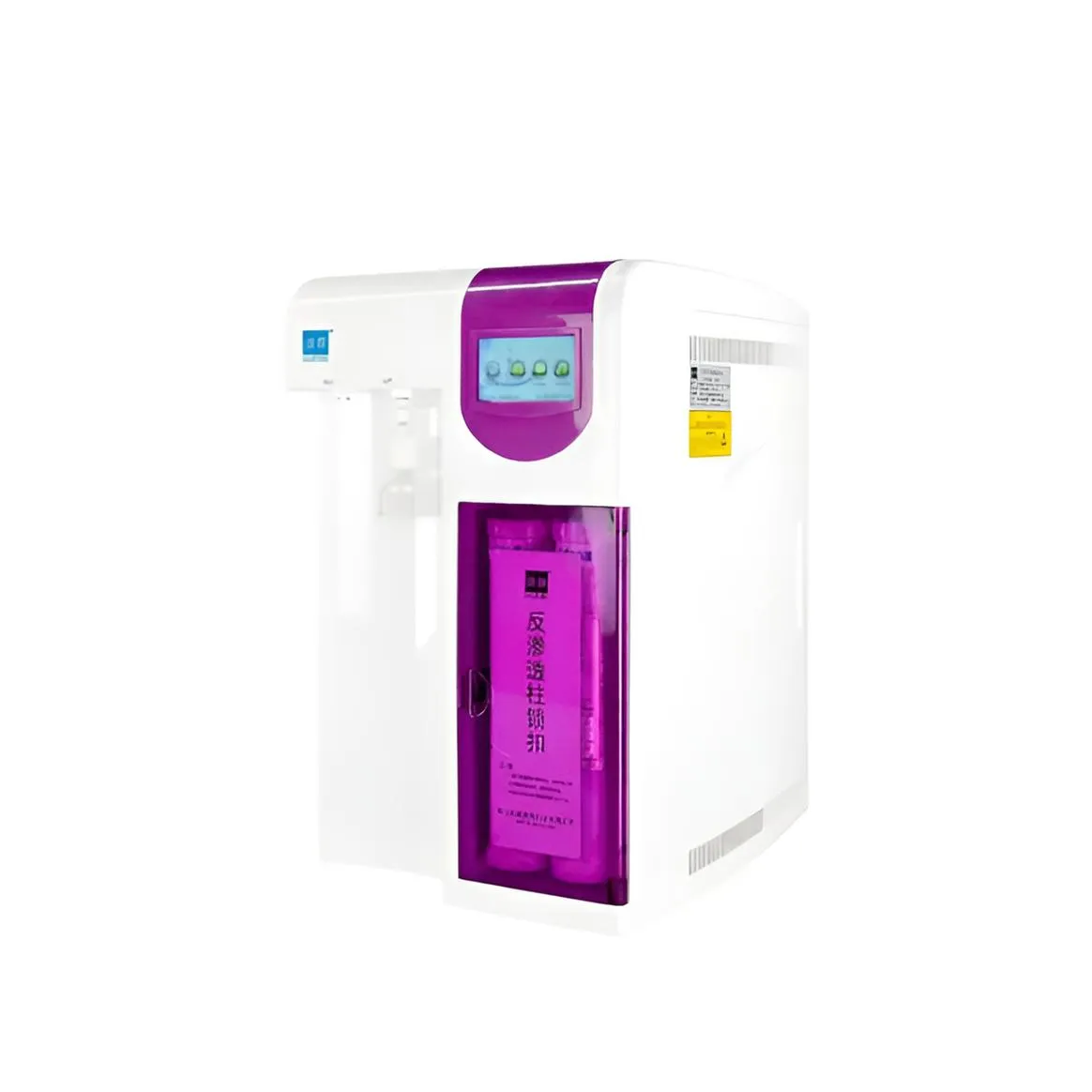
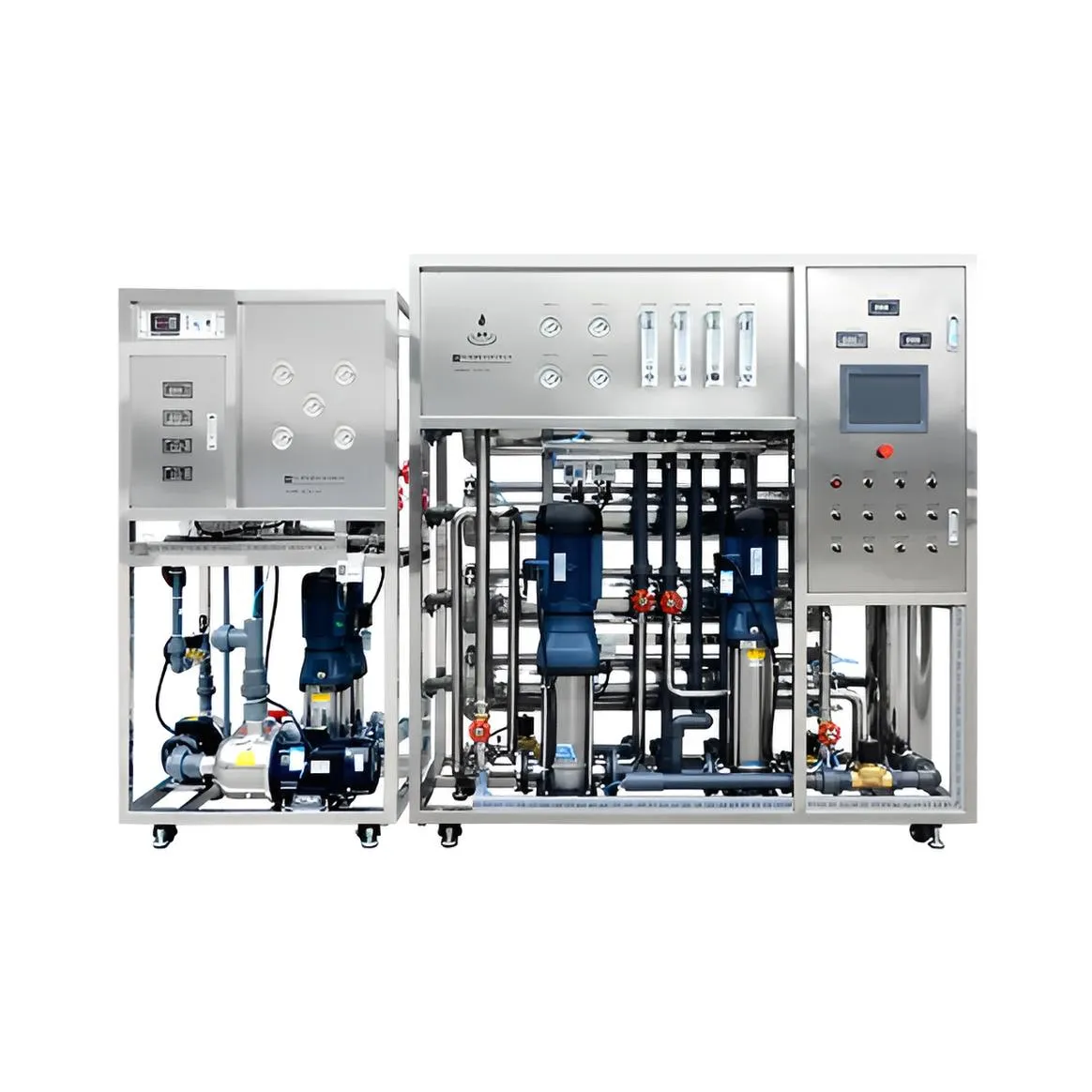
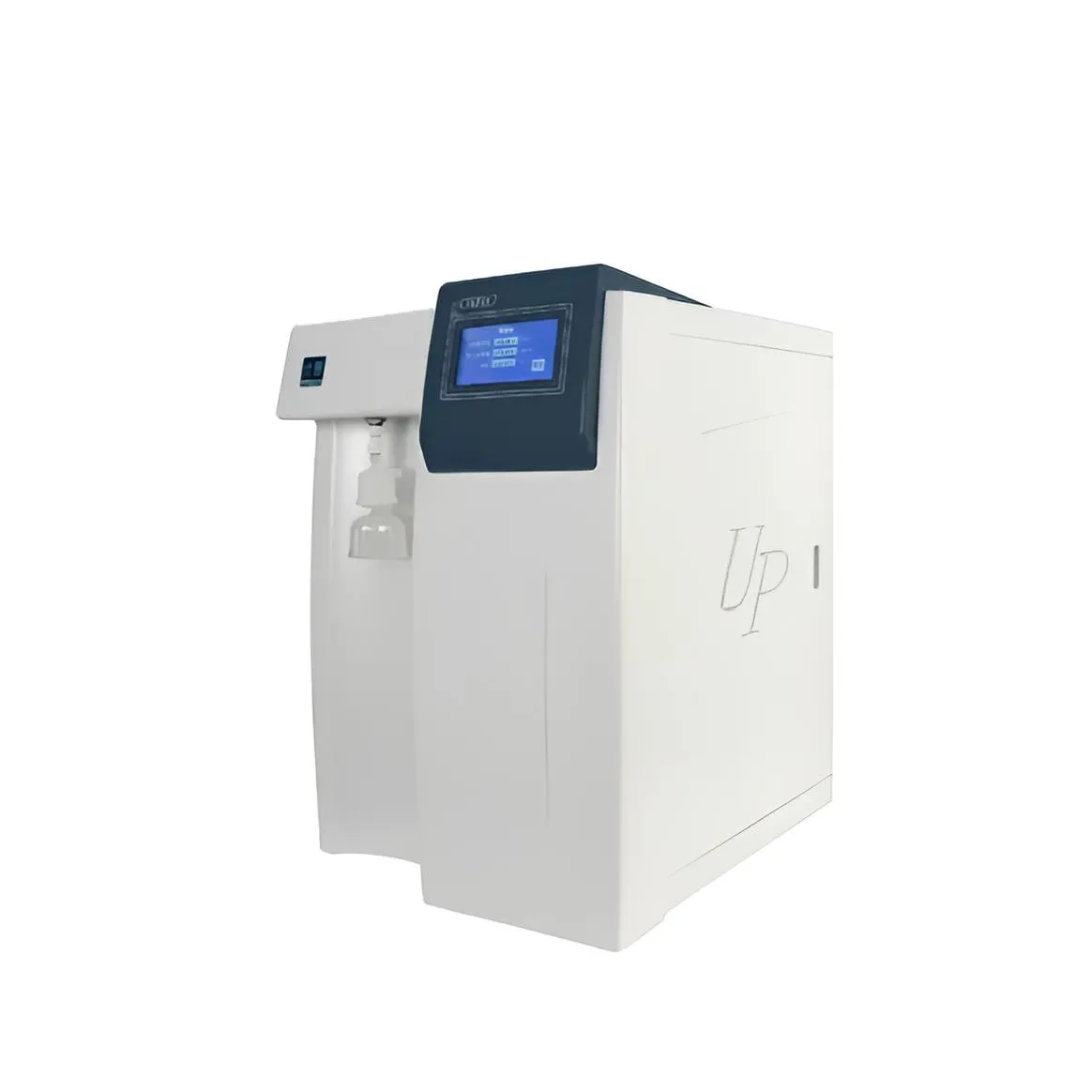
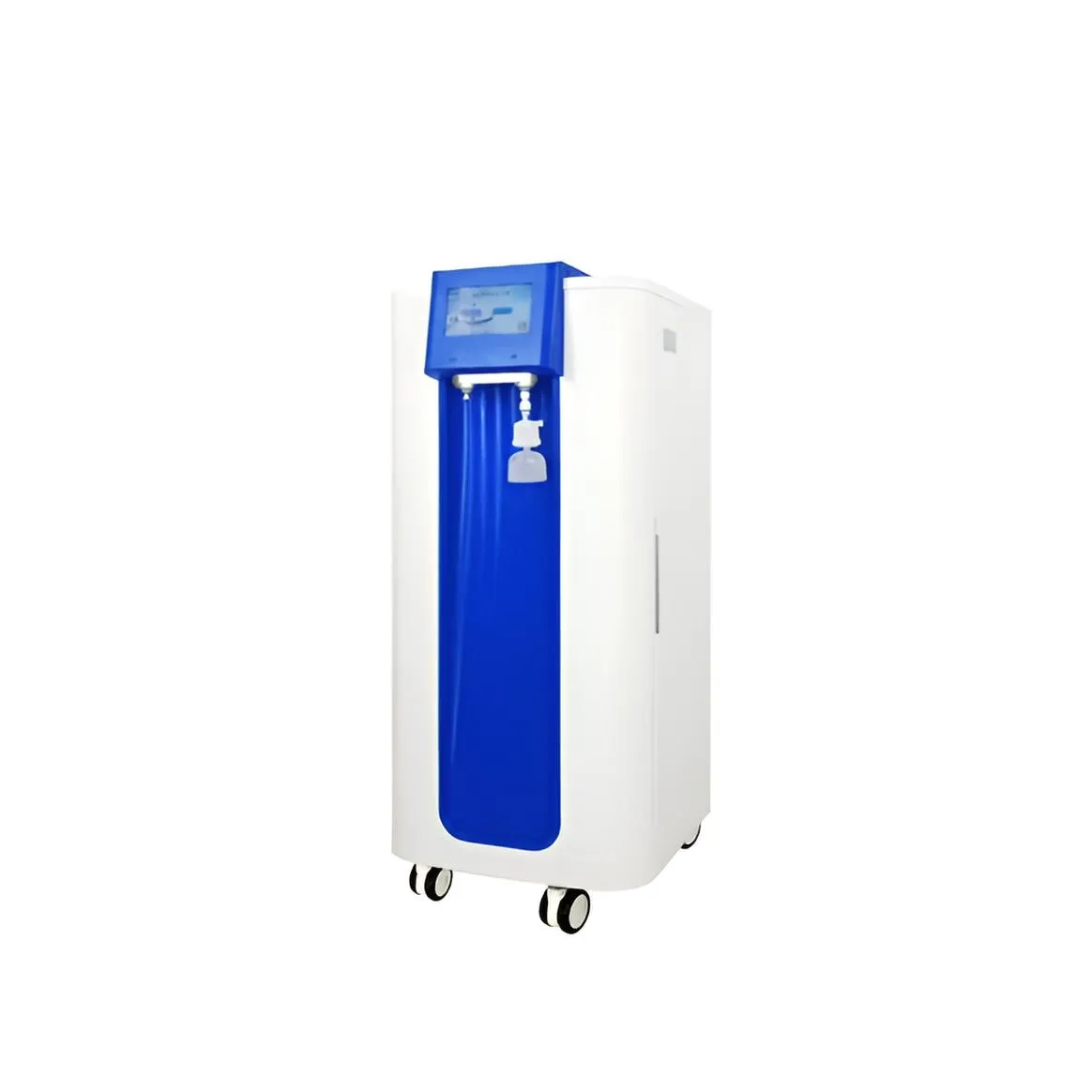
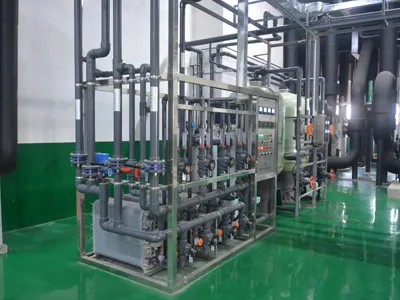
Groundwater and tap water quality are completely insufficient to meet the needs of industry production, leading many manufacturers to purchase ultrapure water equipment. It is well known that the reverse osmosis membrane plays a crucial role in ensuring the quality of water used in ultrapure water equipment. However, after a period of use, ultrapure water equipment accumulates contaminants, affecting the quality of the output water. Today, we'll discuss how to deal with contaminants on the membranes of ultrapure water equipment.
The main contaminants in ultrapure water equipment include calcium carbonate scale, calcium sulfate scale, metal oxide scale, silica deposits, and organic or biological deposits.
Cleaning methods: High-acidity or alkaline cleaning solutions should not be used to rinse ultrapure water equipment to prevent corrosion of the reverse osmosis membrane or metal parts. When the equipment is not in use for an extended period, the water in the storage tank should be drained to ensure continuous water flow for the production of fresh pure water.
Therefore, when ultrapure water equipment is not used for a long period, the water in the storage tank should be drained as soon as possible to prevent water deterioration and bacterial growth. When the equipment is put back into use, it should be thoroughly cleaned to ensure it is clean.
Finally, it is recommended to sterilize the equipment. Pour a sterilizing solution into the equipment, soak it for a period of time, and then rinse it repeatedly before resuming use. During this process, avoid leaving sterilizing solution inside the equipment.
This concludes our introduction on how to deal with contaminants on the membrane of ultrapure water equipment. We hope this information is helpful and can effectively remove contaminants from the membrane.