![Troubleshooting Ultrapure Water System [Analysis of Leakage Causes After Installation]](/uploads/image/20260602/troubleshooting-ultrapure-water-system.webp "Troubleshooting Ultrapure Water System [Analysis of Leakage Causes After Installation]")


Phone:
0086 28 87573647
+86 19150187139

Customers often ask: Is ultrapure water drinkable? Can ultrapure water purifiers be used at home? It seems many people have doubts or are unclear about this issue, so today we'll explain in detail whether ultrapure water is drinkable.
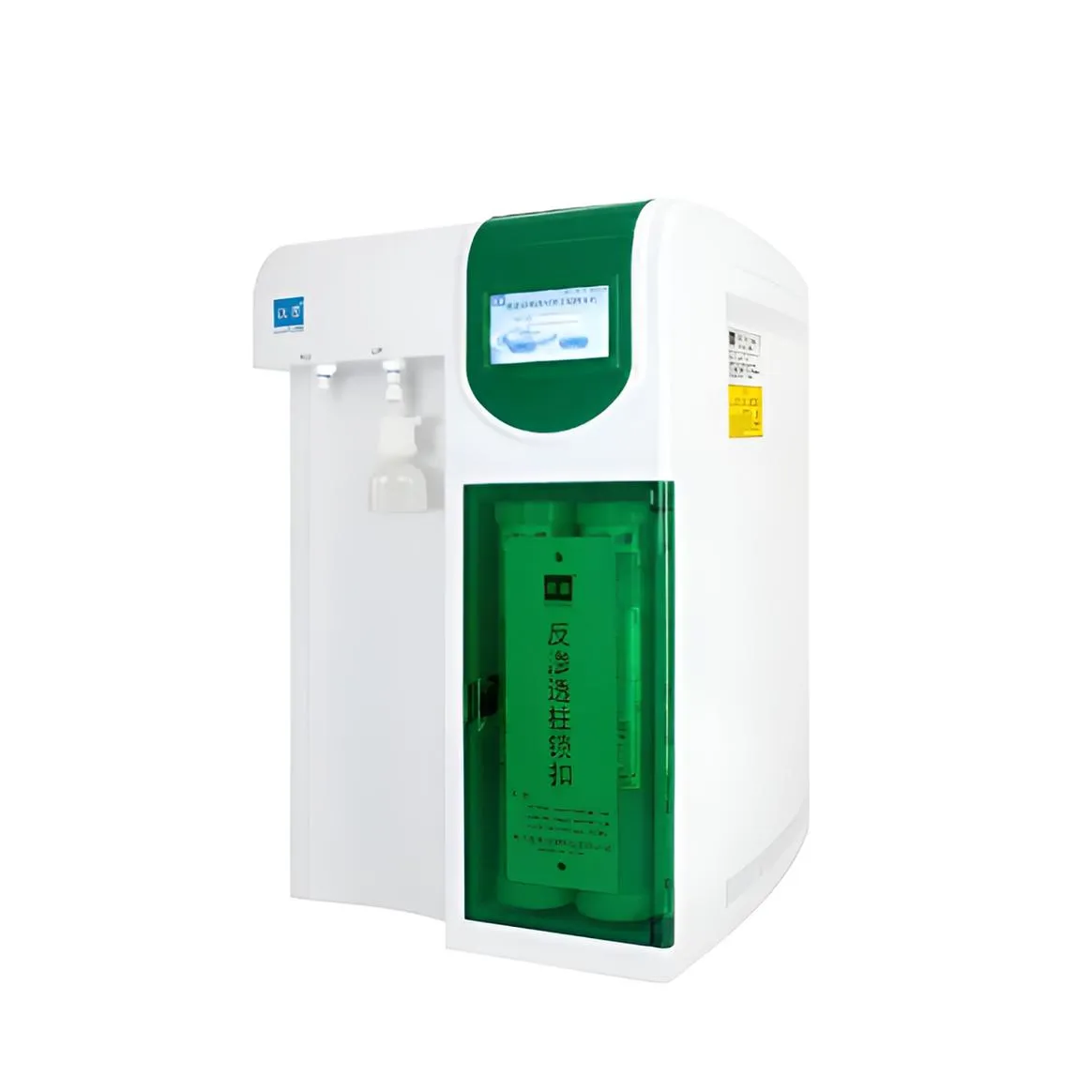
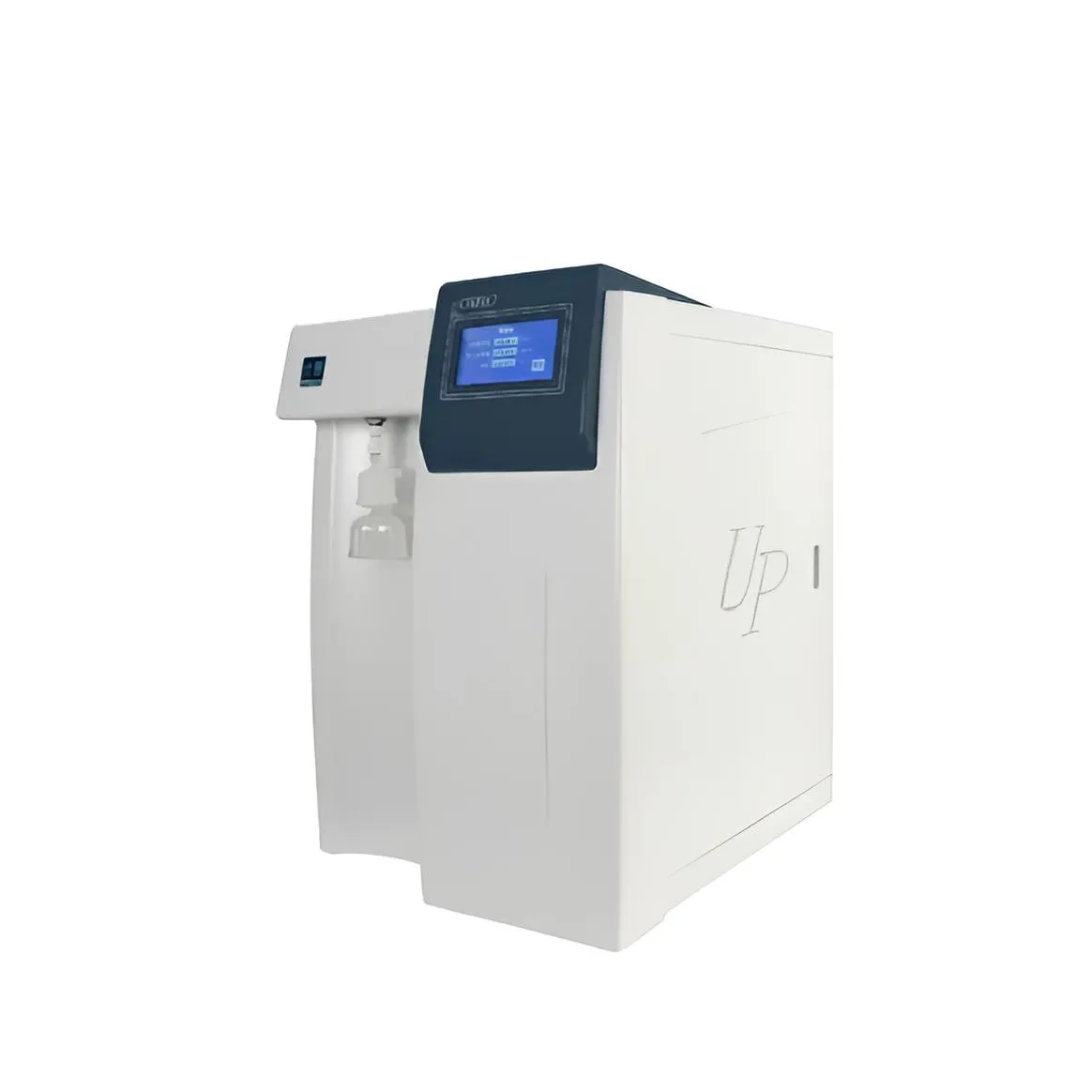
Ultrapure water, also known as UP water, refers to water with a resistivity of 18.2 MΩ·cm (25℃). This type of water contains almost no other substances besides water molecules, including bacteria, viruses, and other organic matter. It also lacks essential minerals and trace elements. In other words, besides hydrogen and oxygen, ultrapure water contains no other substances.
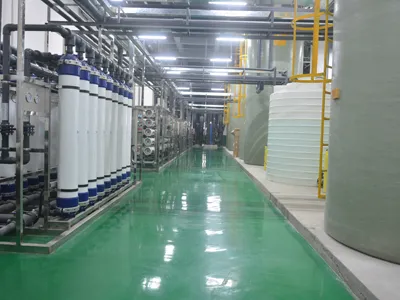
Ultrapure water is generally used in laboratories, medical settings, and industrial fields. Its purpose varies depending on the application, but simply put, ultrapure water is used to prevent any substances from interfering with results or performance.
So, is ultrapure water drinkable? As mentioned above, filtered ultrapure water contains no minerals or impurities, only hydrogen and oxygen. Ultrapure water is also the strongest solvent; once it enters the body, it will carry away the body's minerals and trace elements. Drinking ultrapure water causes the body to lose minerals, and in more serious cases, it can lead to hyponatremia (low sodium levels). Long-term consumption of ultrapure water can cause significant harm to the body. Besides its health effects, ultrapure water is produced primarily for experimental purposes and has a poorer taste tolerance, sometimes even exhibiting bitterness. This is due to the electrical charge of hydrogen and hydroxide ions produced during electrolysis on the taste buds. In contrast, pure drinking water does not undergo ion exchange and is treated with water treatment units to improve its taste. Therefore, ultrapure water is not recommended for consumption.