






Phone:
0086 28 87573647
+86 19150187139

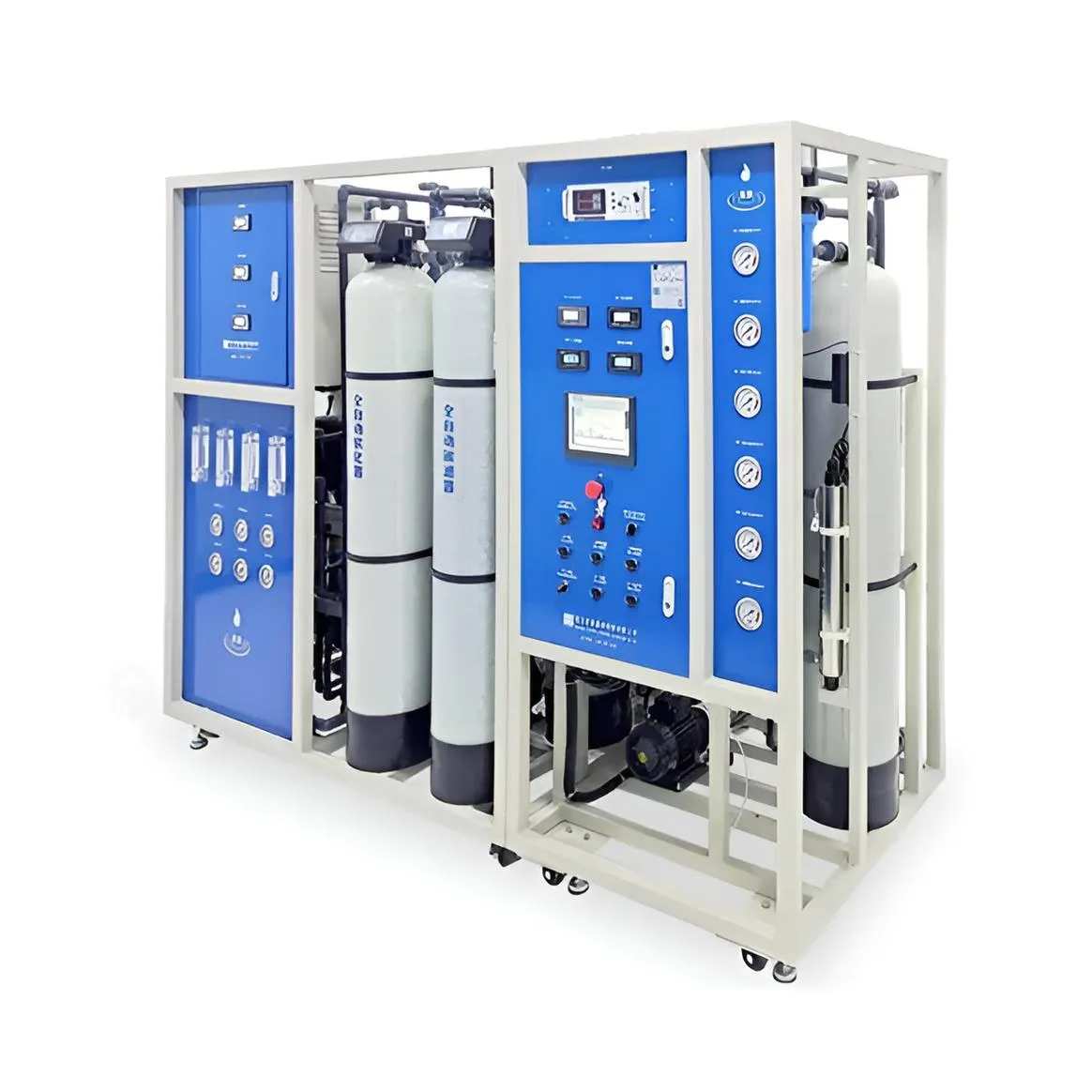
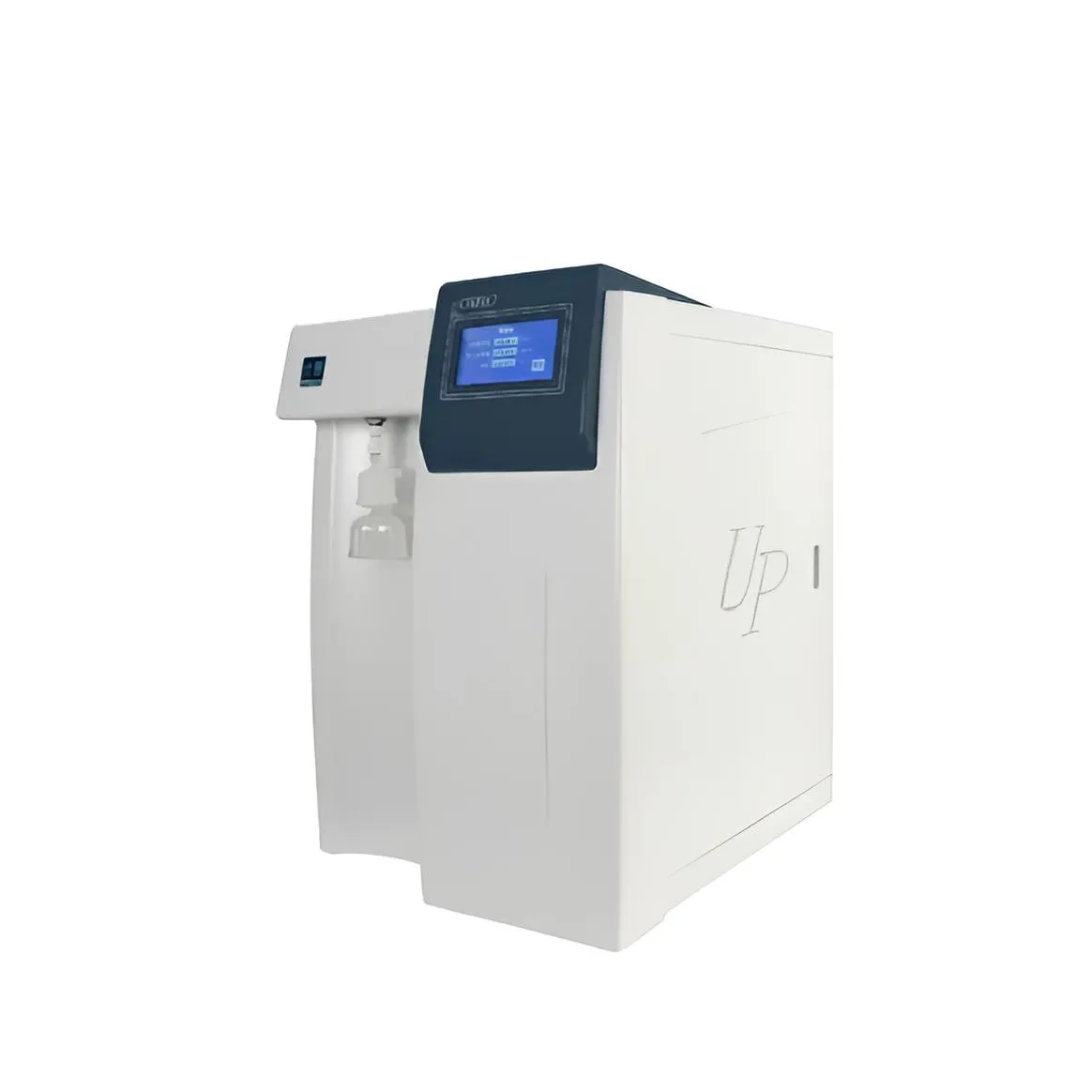
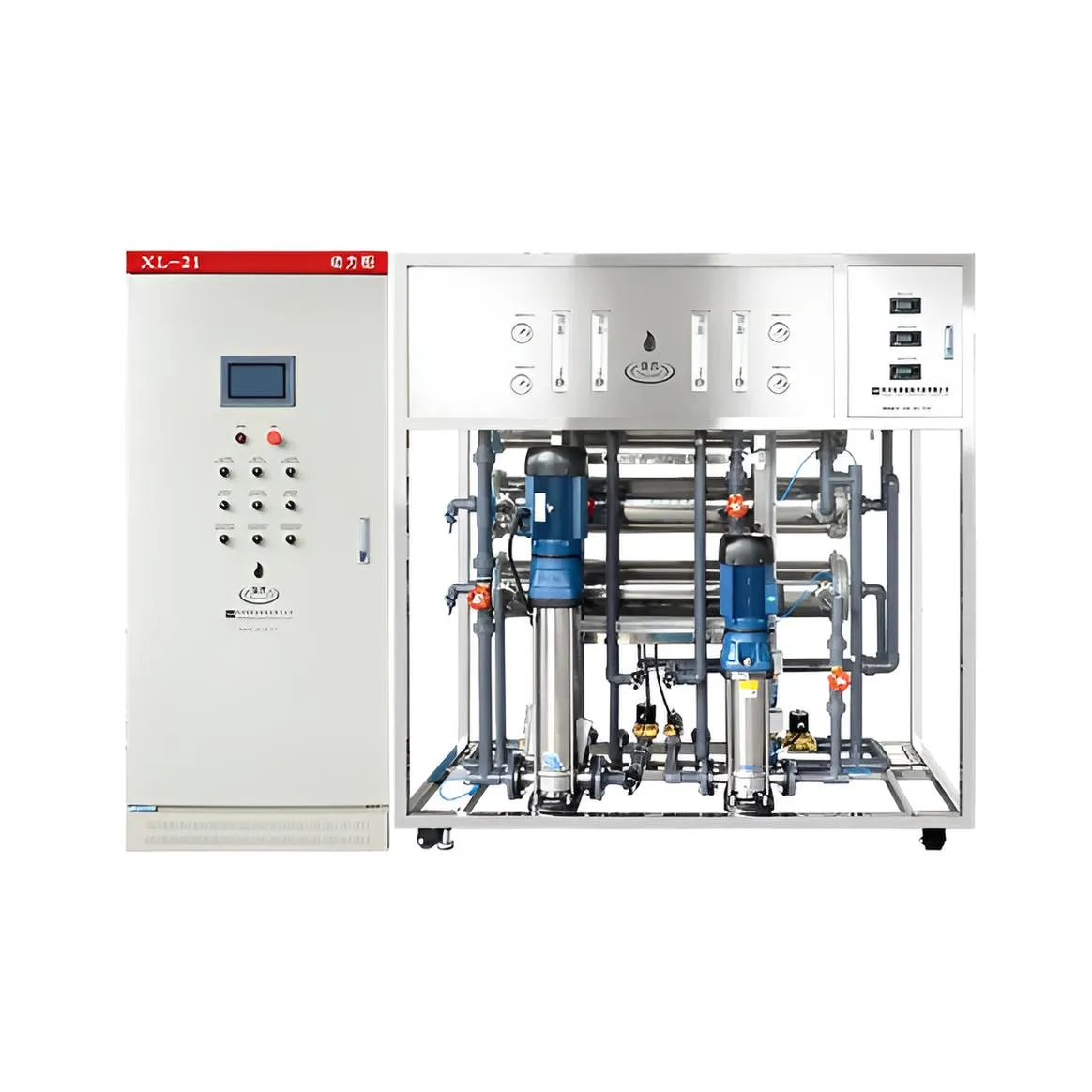
Introduction: With the increasing applications of ultrapure water, laboratory ultrapure water systems are becoming increasingly popular in laboratories. Laboratory ultrapure water equipment offers convenient water production, effectively improving work efficiency while significantly reducing water production costs and ensuring water quality.
Furthermore, high-end experiments such as plant and animal cell culture, high-performance liquid chromatography, mass spectrometry, inductively coupled plasma atomic emission spectrometry (ICP-AES), atomic fluorescence spectrometry, gel electrophoresis, cell immunoassay, in vitro fertilization (IVF), TOC analysis, PCR experiments, organic matter analysis, trace element detection, two-dimensional electrophoresis, molecular biology experiments, genetics experiments, and atomic absorption/emission spectroscopy, etc., have extremely stringent requirements for experimental water quality. These requirements extend beyond resistivity to include the levels of organic matter, particulate matter, bacteria, and pyrogens. Laboratory ultrapure water systems can meet these requirements.
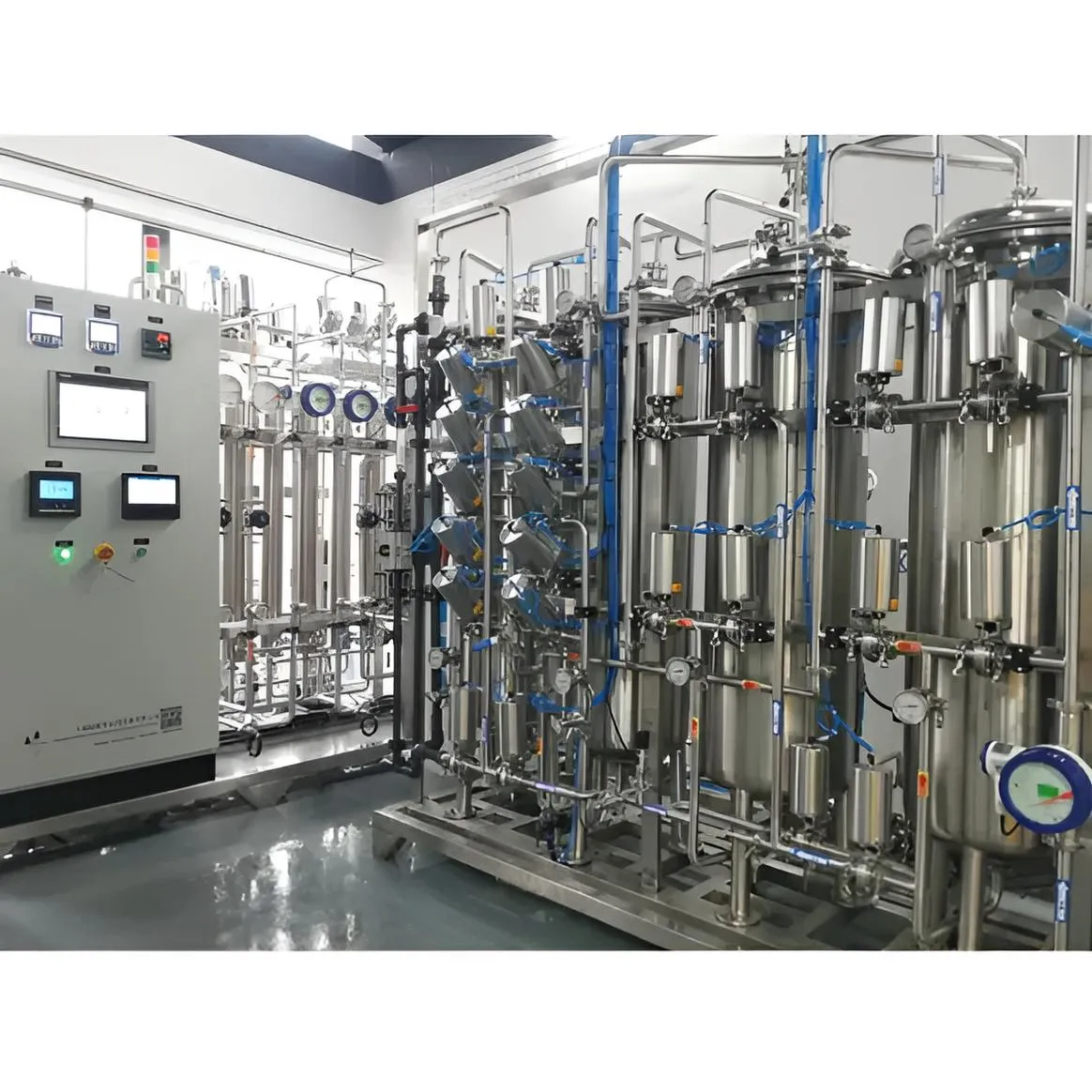
Laboratory ultrapure water systems have applications in hospitals, university research institutions, quality inspection units, chemical plants, pharmaceutical factories, water quality monitoring centers, the livestock industry, waterworks, disease control centers, seed monitoring stations, battery factories, LCD screen factories, precision circuit factories, cleanroom production, and more.
In the future, many experiments with high water quality requirements will require ultrapure water for further development. This necessitates not only reducing water production costs but also meeting increasingly stringent water quality standards. Only continuous development can meet the ever-changing market demands. The market share of laboratory pure water systems will continue to increase, but the industry's requirements for product quality and after-sales service will also be higher.
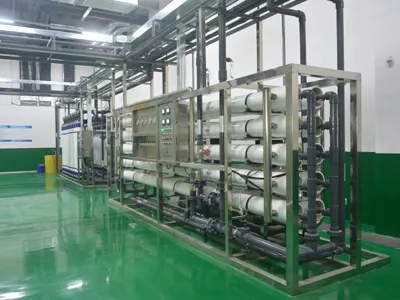
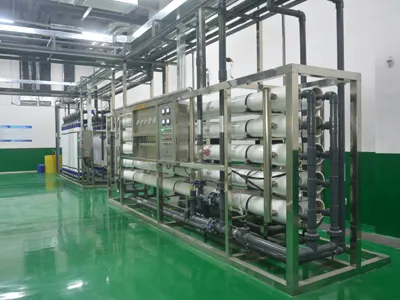
Laboratory ultrapure water equipment solves the complex problem of producing ultrapure water in laboratories. It eliminates the need for large-scale equipment; ultrapure water can be prepared simply with small-scale equipment, making operation simpler and more convenient.
Laboratory pure water machines generally use advanced reverse osmosis technology to produce pure water. The working principle of a reverse osmosis water purifier is to apply pressure to water, forcing water molecules and ionized minerals through a reverse osmosis membrane. Most dissolved inorganic salts (including heavy metals), organic matter, bacteria, and viruses cannot pass through the membrane, thus strictly separating the purified water from the concentrated water. The pore size of the reverse osmosis membrane is only 0.0001 micrometers, while viruses typically have a diameter of 0.02-0.4 micrometers, and common bacteria have a diameter of 0.4-1 micrometer. The water output from the purifier meets drinking water standards.
An ultrapure water purifier builds upon reverse osmosis technology by adding ion exchange and final treatment technologies. Some models also include deep ion desalination, ultrafiltration, and UV photo-oxidation equipment, producing water quality exceeding the national standard GB/T6682-2008 for Class I laboratory water.
Common impurities in natural water include soluble inorganic matter, organic matter, particulate matter, microorganisms, and soluble gases. Ultrapure water purifiers aim to remove these impurities as thoroughly as possible. Currently, commonly used water purification methods include distillation, reverse osmosis, ion exchange, filtration, adsorption, and ultraviolet oxidation. Ultrapure water systems generally divide the water purification process into four main steps: pretreatment (primary purification), reverse osmosis (producing pure water), ion exchange (producing 18.2 MΩ·cm ultrapure water), and final treatment (producing ultrapure water meeting specific requirements).
1) Pretreatment: Since the pretreated water will undergo further purification via reverse osmosis, it is crucial to remove impurities that could affect the reverse osmosis membrane. These primarily include large particles, residual chlorine, and calcium and magnesium ions. It is important to note that different treatment units must be specifically configured according to the quality of the incoming water. Many pure water system manufacturers do not adequately address this issue, leading to suboptimal purification results and shortened lifespans of key components such as the reverse osmosis membrane and ultrapure water column. To effectively address this problem, precision filters, activated carbon adsorption filters, and softening resins are designed to specifically remove large particles, residual chlorine, and calcium and magnesium ions from the water, achieving optimal pretreatment results. Timely replacement of pretreatment consumables (which are relatively inexpensive) is crucial for the long-term stable operation of the ultrapure water system and for protecting its core components.
2) Reverse Osmosis: Reverse osmosis uses a high-pressure pump to apply pressure greater than the osmotic pressure difference to a high-concentration solution. Water molecules are forced through a semi-permeable membrane to the low-concentration side. Reverse osmosis can filter out 90%-99% of most contaminants, including inorganic ions. Due to its outstanding purification efficiency, reverse osmosis is a very effective technology in water purification systems. Because it removes most contaminants, it is often used as a pretreatment method, significantly extending the lifespan of deion exchange columns. Given the critical role of reverse osmosis in water purification and the high cost of replacing reverse osmosis membranes, we strongly recommend that users choose an ultrapure water system with reverse osmosis membrane protection features. To maximize the lifespan of the reverse osmosis membrane and improve its filtration efficiency, a unique technology combined with a leading reverse osmosis flow-limiting design is used. A flow-limiting valve at the outlet ensures that the reverse osmosis membrane is always immersed in water, preventing it from drying out and affecting its lifespan. Extending the lifespan of the reverse osmosis membrane ensures the quality of the effluent and improves the cost-effectiveness of the ultrapure water system. The quality of the reverse osmosis membrane greatly affects its lifespan and the lifespan of the ultrapure water column. Therefore, we recommend that users pay attention to the brand of the reverse osmosis membrane, such as Dow and GE.
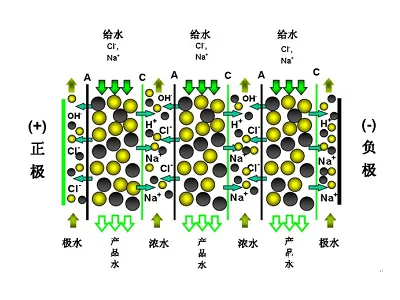
3) Ion Exchange: Ion exchange involves the exchange of positive ions in the water with H+ ions in the ion exchange resin, and the exchange of negative ions in the water with OH- ions on the ion exchange resin, thereby achieving the purpose of water purification. Theoretically, ion exchange can remove almost all ionic substances. At 25℃, the resistivity of the effluent reaches 18.2 MΩ·cm. The quality of the effluent after ion exchange depends mainly on the quality of the ion exchange resin and the exchange efficiency between the water and the resin in the exchange column. The quality of the ion exchange resin directly affects the effluent quality and lifespan of the ultrapure water system. Therefore, we recommend that users pay attention to the brand of the resin, such as Dow and Rohm and Haas. The amount of ion exchange resin loaded is directly proportional to its lifespan.
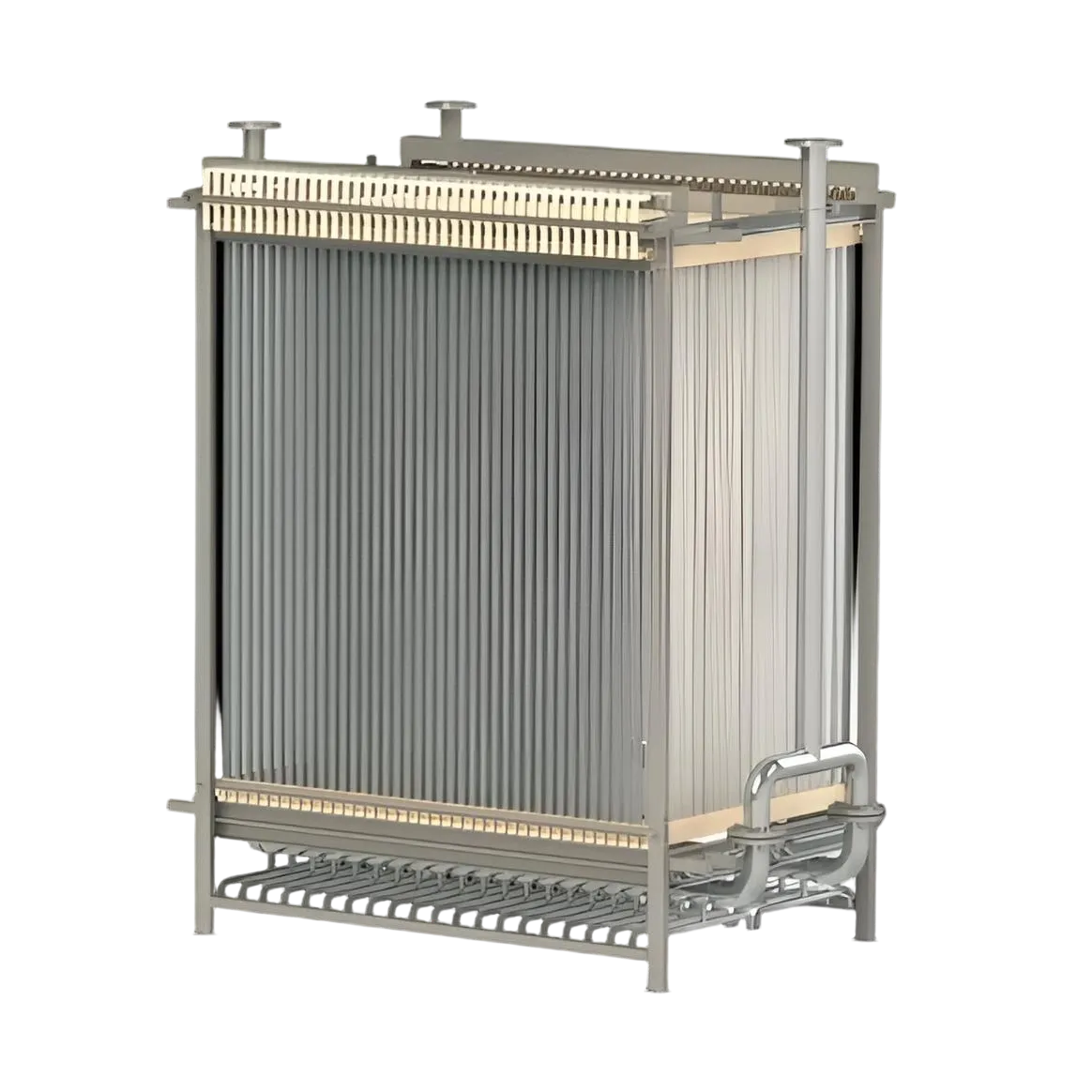
4) Terminal treatment primarily produces ultrapure water with ultra-low organic content, sterility, and pyrogen-free properties according to specific customer requirements. Various treatment methods are available to address different needs, such as ultrafiltration for pyrogen removal, dual-wavelength ultraviolet oxidation for reducing total organic carbon (TOC), and microfiltration for bacterial removal. Ultrafiltration (UF) membranes are molecular sieves that allow solutions to pass through extremely fine membranes based on size, achieving the separation of molecules of different sizes in the solution. This can reduce the pyrogen content in ultrapure water to below 0.001 EU/ml. Dual-wavelength ultraviolet oxidation utilizes photo-oxidation of organic compounds to reduce the total organic carbon concentration in ultrapure water to below 5 ppb.





