

Phone:
0086 28 87573647
+86 19150187139

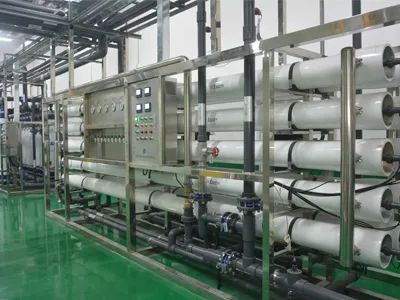
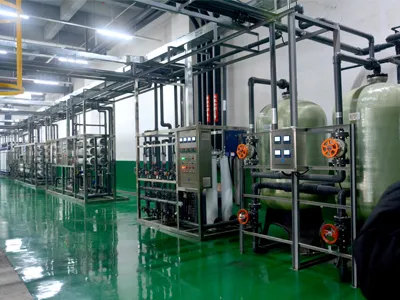
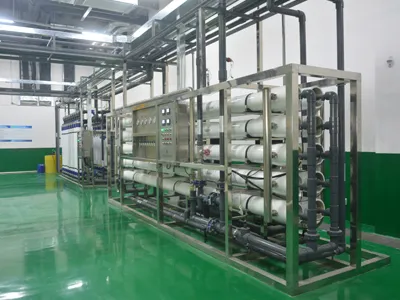
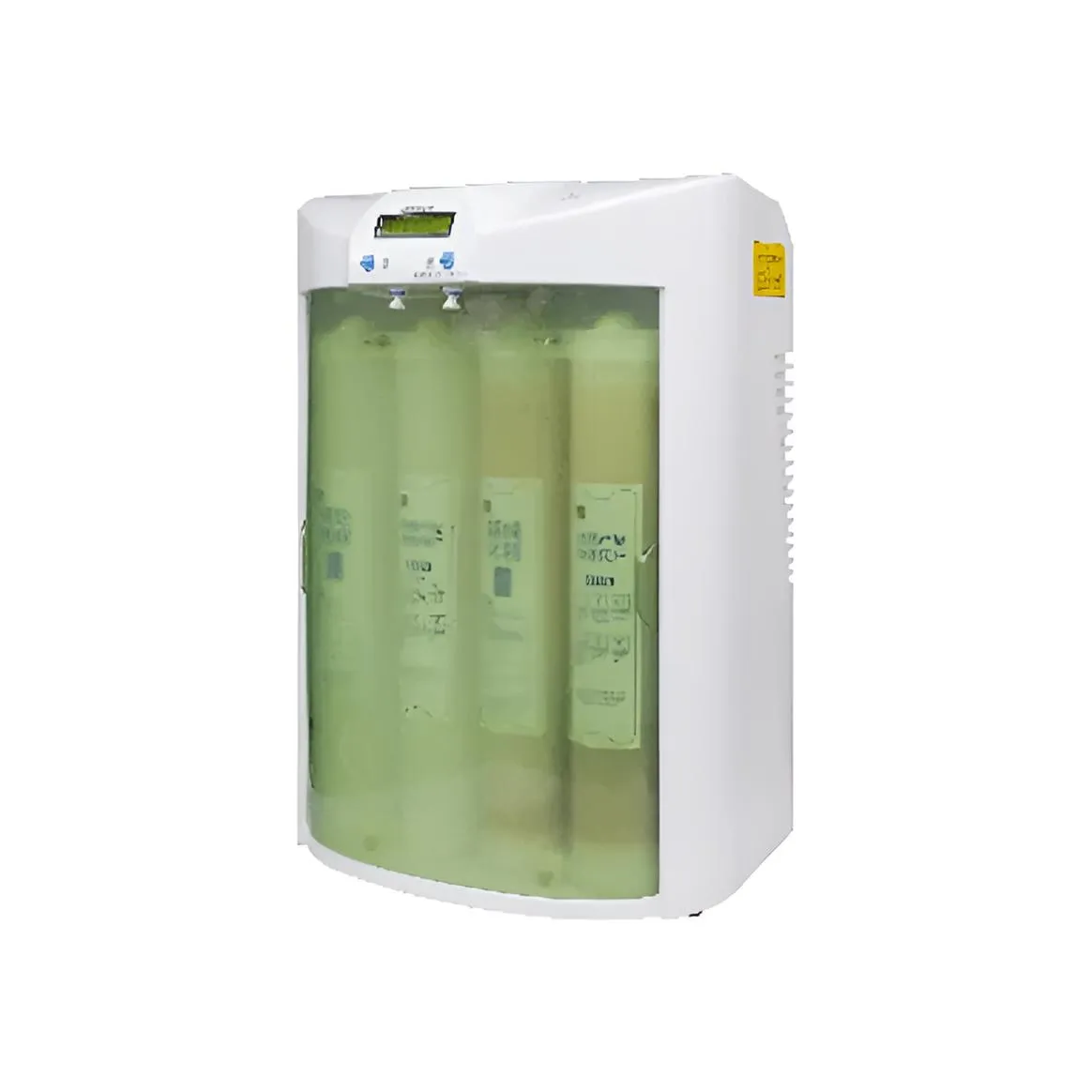
A complete pure water system consists of five core components: a pure water preparation module, a pure water storage module, a pure water distribution module, pipeline purification and monitoring equipment, and a terminal purification module. Each component plays a crucial role in the successful implementation of the entire pure water system.
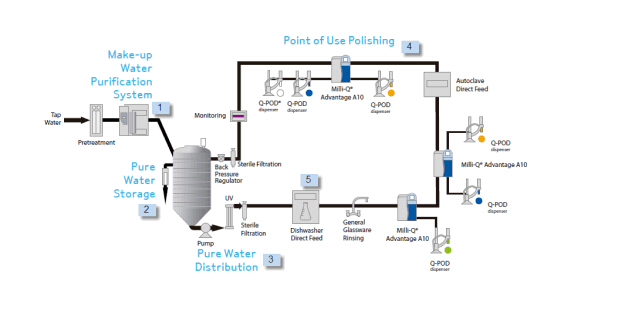
[2] Pure water storage module
Considerations on system workload, operational stability, and safety
Water quality requirements
Applications: Different applications have different water quality requirements
Standards: such as USP, EU, CLSI, ISO, GB, etc.
Selection of purification strategies and technologies
Water volume requirements
Key indicators: Daily water consumption
Auxiliary indicators: Peak water consumption, usage habits
Quality monitoring requirements
Ease of use
Total cost of purchase and operation
Environmental requirements or limitations
Water volume requirements
Peak (extreme) water consumption
Daily water consumption
Level control system
Water quality requirements
[3] Pure water distribution module
Material
Full discharge tank (conical bottom)
Air filtration
Sanitary overflow protection
Ultraviolet lamps for sterilization inside or outside the tank
Closed design
Cleaning or disinfection strategies
Pump selection
Number of outlets and water volume requirements
Pressure and flow rate that the pump can provide
Pipeline pressure loss Basic Circulation Flow Rate Requirements
Strict Water Quality Requirements Limit Pumps
[4] Terminal Purification Module
Pipe Material Selection
Pipe Connection Method
No Dead Angle Construction Requirements
Circulation Pipeline Design
Optimal Flow Rate Requirements
[5] Pipeline Purification and Monitoring Equipment
Water Quality Requirements
Water Quantity Requirements
Water Quality Testing Needs
Operating and Maintenance Status
Providing Usage Information
Maintenance Needs
Communication Interface
Personalized Special Needs of Water Points
Applications: Different Applications, Different Water Quality Requirements
Standards: Such as USP, EU, CLSI, ISO, GB, etc.
Purification Strategy and Technology Selection
Terminal Purification Device Selection
Water Inlet Design and Usage Matching
Flow Rate and Flow Rate Needs
Pressure Needs
Resistivity
TOC
Microorganisms
Risk of Secondary Pollution in the System
Pipeline Water Quality Monitoring
Control of Pipeline Purification and Monitoring Equipment
Pipeline Sterilization Filter
Pipeline UV Lamp
Pipeline Resin
Pipeline Resistivity Meter
Pipeline TOC Meter
Pipeline Microbial Sampler Customized Complete Laboratory Pure Water Systems
Users considering designing a complete pure water system for new or renovated laboratories often face challenges in system design, product selection, management, and maintenance.
The entire complete pure water system, from the product water module, storage module, distribution module, pipeline purification and monitoring equipment, to the selection of the final purification module, involves understanding the experimental application, considering laboratory management, controlling system investment costs, operation and maintenance requirements, installation, and engineering implementation. Users often find themselves investing significant effort with less than ideal results.
As a leading global provider of laboratory pure water systems research, development, manufacturing, design, implementation, and service, Merck Millipore, with over 40 years of experience in pure water system design and tens of thousands of complete pure water system users, along with consultative services and a professional design model, provides comprehensive solutions from system validation, design and selection, system implementation, and management and maintenance.
Throughout the design and implementation of a complete pure water system, Merck Millipore can provide you with the following services:
System implementation survey and demonstration
Laboratory application survey, water quality and quantity requirements and definitions
Complete pure water system design and professional equipment configuration
Laboratory pure water system and water quality management plan
Installation and design drawings for various systems
Testing and verification of system influent water quality
Construction plan and on-site management requirements
Other requirements and services, different design and selection methods for complete pure water systems
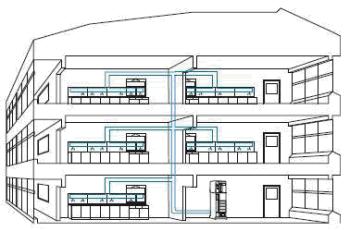
Simple central pure water systems or point-of-use pure water systems represent two extreme cases in the design and selection of integrated pure water systems.
For different situations, integrated pure water systems can have many different designs and selections. Clearly defining project requirements in the early stages of the design process helps ensure that the design and selection result is most suitable for actual use.
Design 1a: Simple Central Water Supply
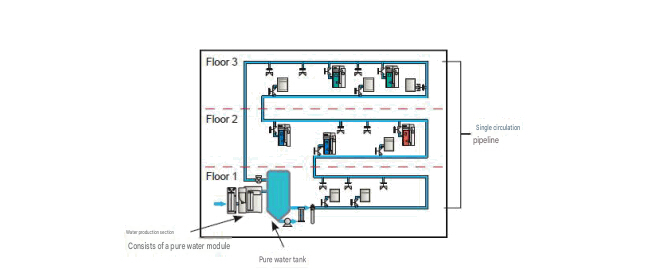
Pure water is produced and distributed to various water usage points through a single pure water module. This is suitable for laboratories with small scale, simple water quality requirements, low water consumption, few water usage points, low operational intensity, and low safety requirements.
Design 1b: Integrated Pure Water System with Dual Pure Water Modules
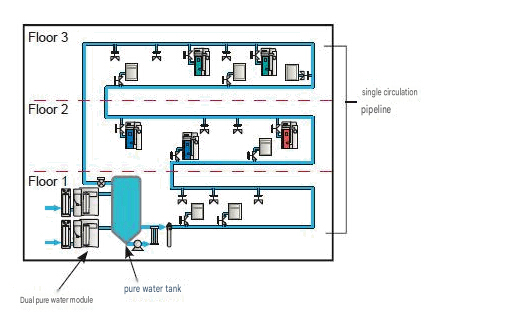
Dual water production modules prevent water outages during equipment maintenance and repairs, significantly reducing system operational risks and making the overall pure water system supply more stable and secure.
Suitable for large-scale or high-intensity laboratories with high water demand, high water quality requirements, numerous water usage points, and stringent requirements for system stability and safety.
Design 2a: Multi-subunit integrated pure water system
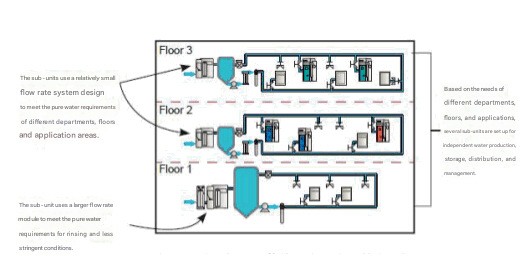
Compared to a single-cycle integrated pure water system, it offers better targeted water quality, lower relative consumption, greater applicability in management and maintenance, and easier fulfillment of requirements from different usage areas. It combines the advantages of both centralized water supply and point-of-use independent water supply strategies.
Design 2b: Precisely Optimized Multi-Unit Integrated Pure Water System
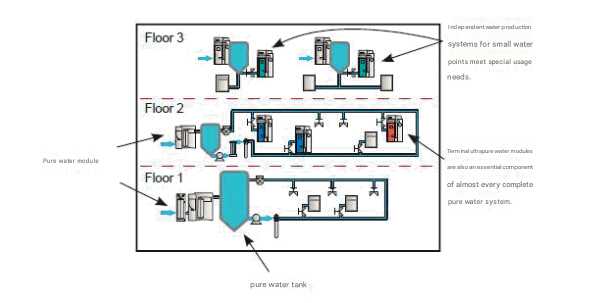
Combining small-flow pure water modules to meet the pure water needs of special or distant water usage points. This avoids the unreasonable design of centralized water supply systems with pipelines for some special needs or distant water usage points. Building upon 2a, this design offers greater flexibility and applicability, meeting the needs of most users and managers, achieving an optimal balance between cost and performance, and representing the trend in overall pure water development.
Laboratory pure water systems have an application range between 200 liters and 8000 liters per day. Most laboratories or experimental buildings consume between 500 and 2000 liters of pure water daily, with only a few exceeding 2000 liters. In these few laboratories or buildings, due to the presence of numerous high-water-consumption fully automated testing or rinsing devices, and potential special applications (such as in the electronics and materials industries), the consumption may exceed 2000 liters or even more of pure water. For these situations, careful definition of water consumption and specialized design are required. Generally speaking, excessive redundancy will result in insufficient system startup, the purification module will not be able to play its full role, and due to insufficient fluidity, there is a risk of potential system contamination.