





Phone:
0086 28 87573647
+86 19150187139

In the laboratory, water purity determines experimental precision. Influent water quality is often expressed using TDS (Total Dissolved Solids) or conductivity. While seemingly independent, these two are closely linked, providing crucial information for the preparation of pure and ultrapure water.
TDS: Total Dissolved Solids, measures the total mass concentration of all dissolved solids in water, including inorganic salts and trace organic matter. Units are commonly mg/L or ppm.
Conductivity: The ability of an aqueous solution to conduct electric current, measured in μS/cm. Ions in water are the primary carriers of electric current; the more ions present, the stronger the conductivity. The core connection between the two lies in the fact that the dissolved salts that constitute TDS ionize into positive and negative ions in water. Higher ion concentrations result in higher TDS values and consequently, higher conductivity.
This connection is not a simple linear equivalence but rather a conversion relationship established through an empirical formula: TDS (ppm) ≈ K × EC₂₅ (μS/cm). Where EC₂₅ is the conductivity value corrected to 25℃, and K is the conversion factor, ranging from 0.5 to 0.9. For tap water, a value of 0.55-0.75 is commonly used, while for natural water, 0.65 is more common. For example, if the influent conductivity is 800 μS/cm, using K=0.65, the TDS is approximately 520 ppm, allowing for a quick estimation of the influent salinity.
In laboratory pure water preparation, monitoring the influent TDS and conductivity is crucial. Municipal tap water, as a common influent, typically has a TDS of 200-500 ppm and a conductivity of approximately 300-800 μS/cm, making it the basic raw material for pure water machines. Through processes such as reverse osmosis and ion exchange, the water quality is purified step by step: Tertiary pure water (RO water) has a conductivity ≤5μS/cm and TDS reduced to extremely low levels; secondary deionized water has a conductivity ≤1.0μS/cm, further reducing ion residue; and primary ultrapure water has a conductivity ≤0.1μS/cm and a resistivity of 18.2MΩ・cm, with virtually no ion interference.
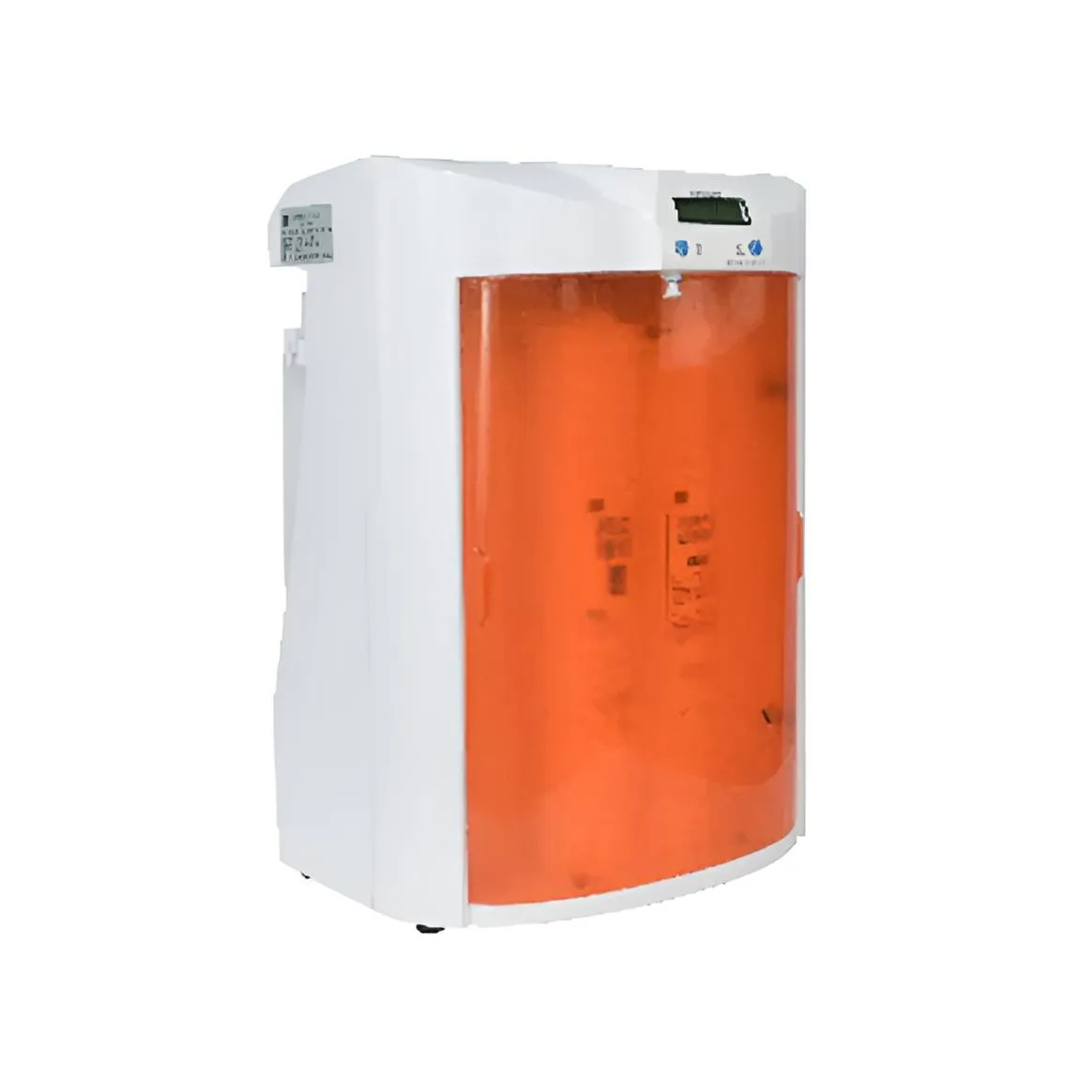
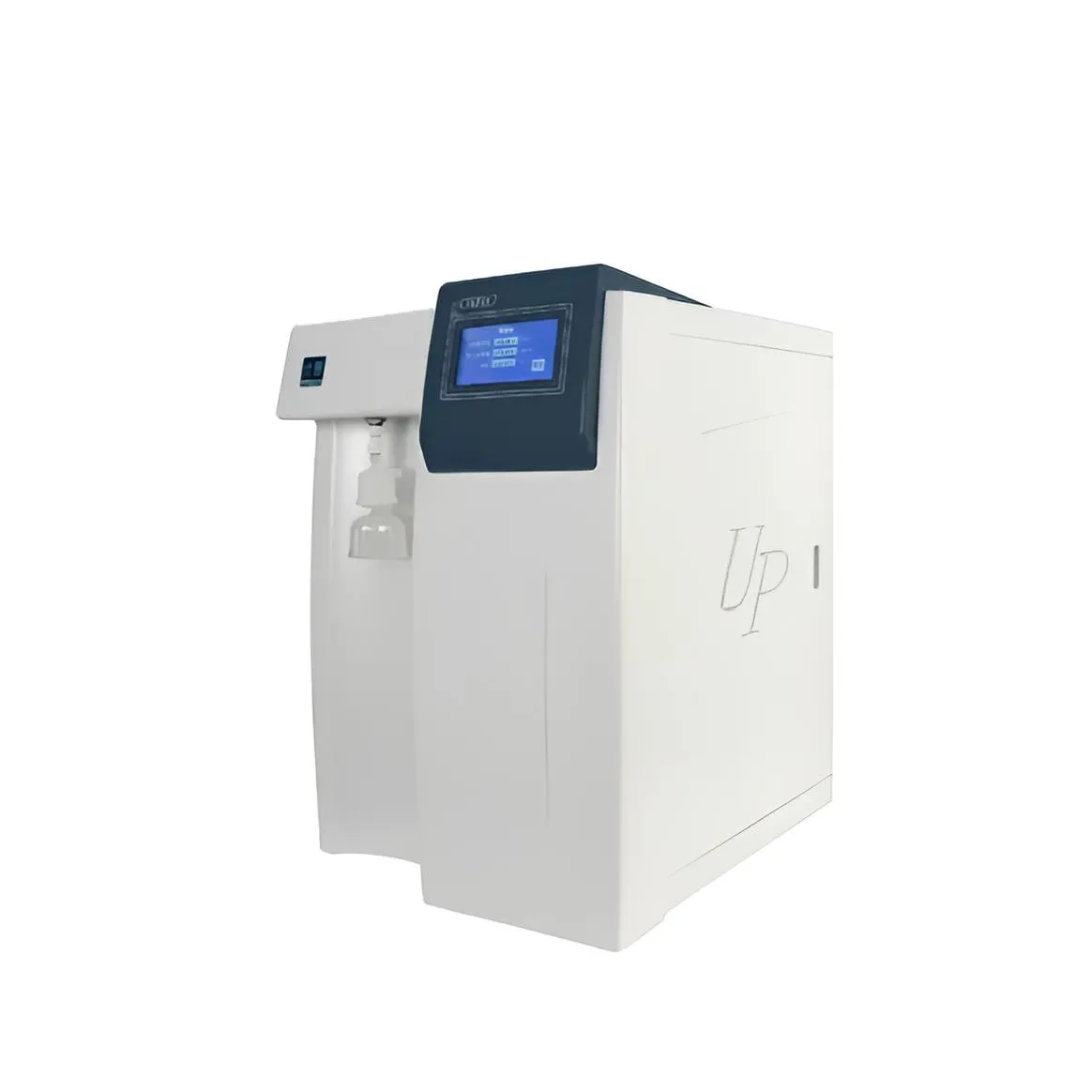
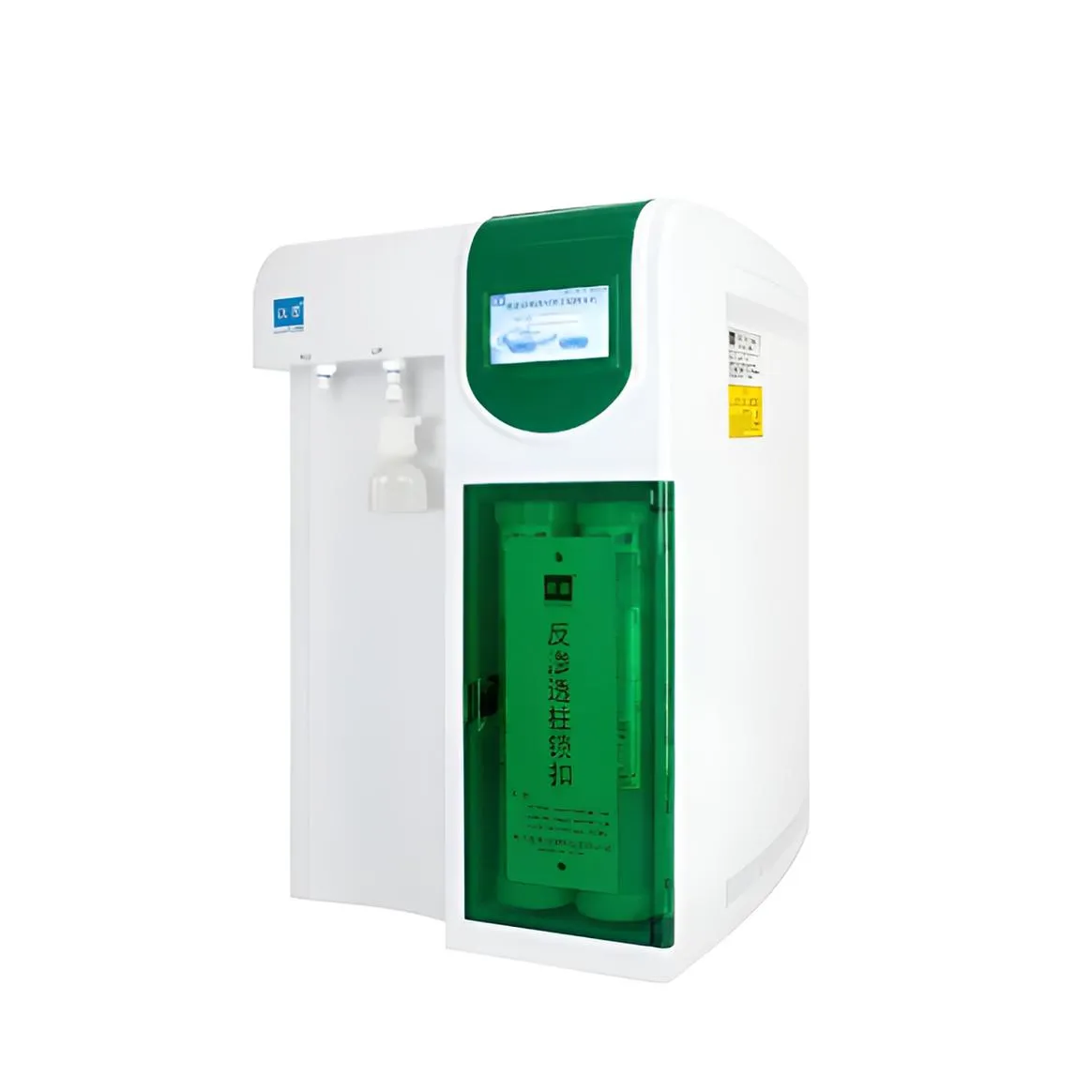
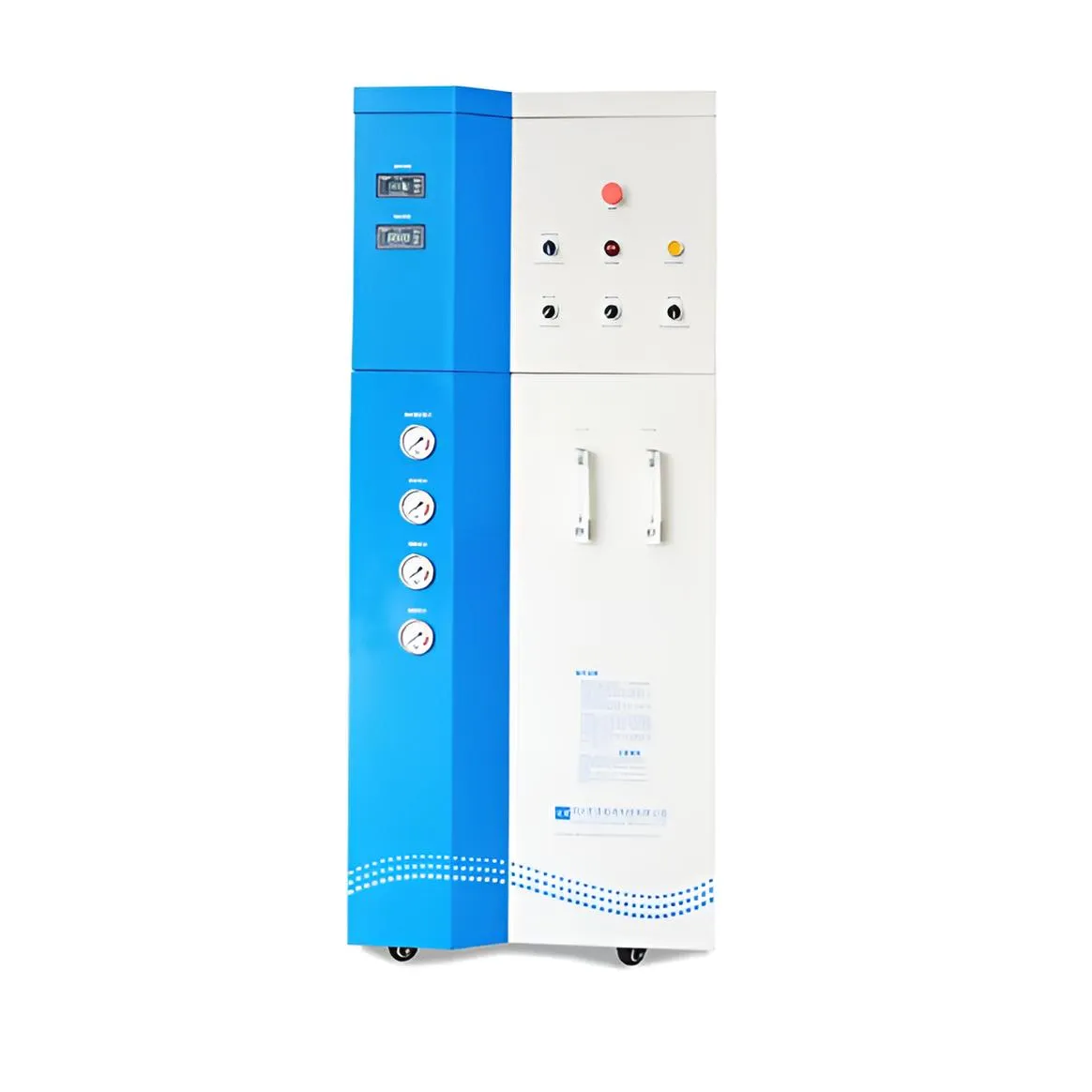
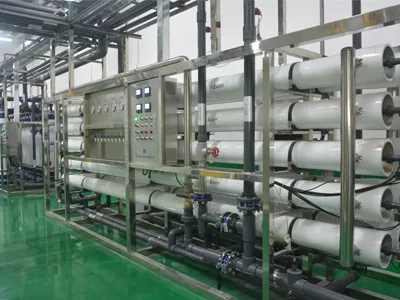
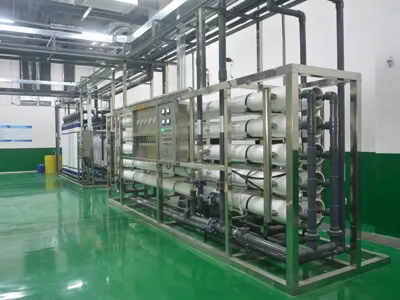
Ultrapure water preparation has stringent requirements for the influent. Excessively high influent TDS can overburden the purification system, shorten filter life, and may even lead to fluctuations in the quality of the produced water. UPU ultrapure water equipment, through multi-stage pretreatment, reverse osmosis, and EDI deionization technology, efficiently removes ionic impurities, stably producing ultrapure water that meets the GB/T 6682-2008 standard, providing a solid water quality foundation for precision experiments such as high-performance liquid chromatography and mass spectrometry.





