

Phone:
0086 28 87573647
+86 19150187139

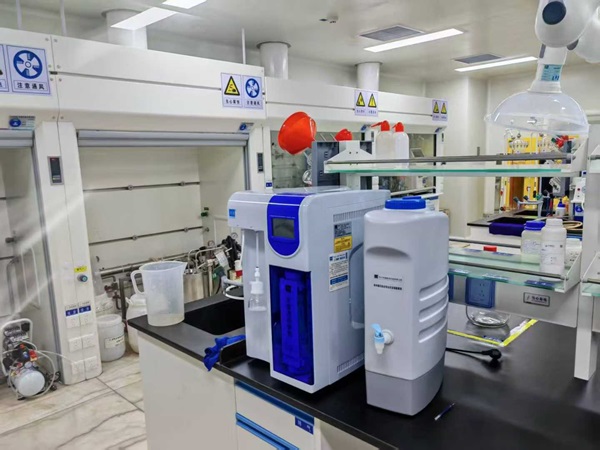
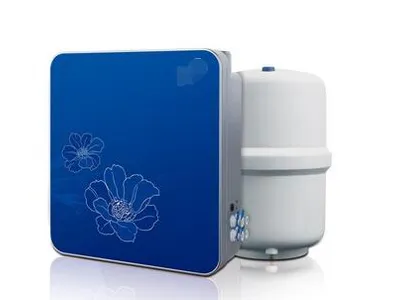
Noise and leaks in laboratory water purifiers can affect the quality of the produced water, leading to deviations in experimental results. For these types of malfunctions, professional and standardized troubleshooting methods can not only quickly resolve the immediate problem but also establish a long-term maintenance mechanism, reducing the recurrence rate. These methods are suitable for laboratory equipment administrators and professional maintenance personnel.
After ruling out issues such as foundation placement and loose piping, if the noise remains significant, it is necessary to investigate the core components and operating parameters.
First, wear and tear on the booster pump. Long-term operation causes wear on the pump body, impeller, and bearings, resulting in a sharp friction sound. This is normal wear and tear; replace the pump with a quiet booster pump of the same specifications to avoid damaging the pump due to forced operation.
Second, malfunctions in the high-pressure switch and pressure tank. High-pressure switch threshold drift or a ruptured pressure tank bladder can cause frequent start-stop cycles accompanied by intermittent abnormal noises. Recalibrate the high-pressure switch and replace the damaged pressure tank bladder to restore normal start-stop operation.
Third, filter clogging and overload. Using PP cotton or activated carbon filters beyond their expiration date (normal lifespan 3-6 months) can lead to excessive inlet resistance, increased pump load, and increased noise. Strictly adhere to the recommended replacement schedule for pretreatment filters, flush the pipeline, and restart the pump to restore normal operation. According to laboratory equipment specifications, it is recommended to test the equipment's operating noise and pressure parameters monthly to proactively identify potential malfunctions.
Keep the area around the equipment well-ventilated and dry to prevent sealing components from becoming damp and aging. After each filter replacement, be sure to tighten the sealing ring and conduct a 10-minute water flow test to confirm there are no leaks before normal use.
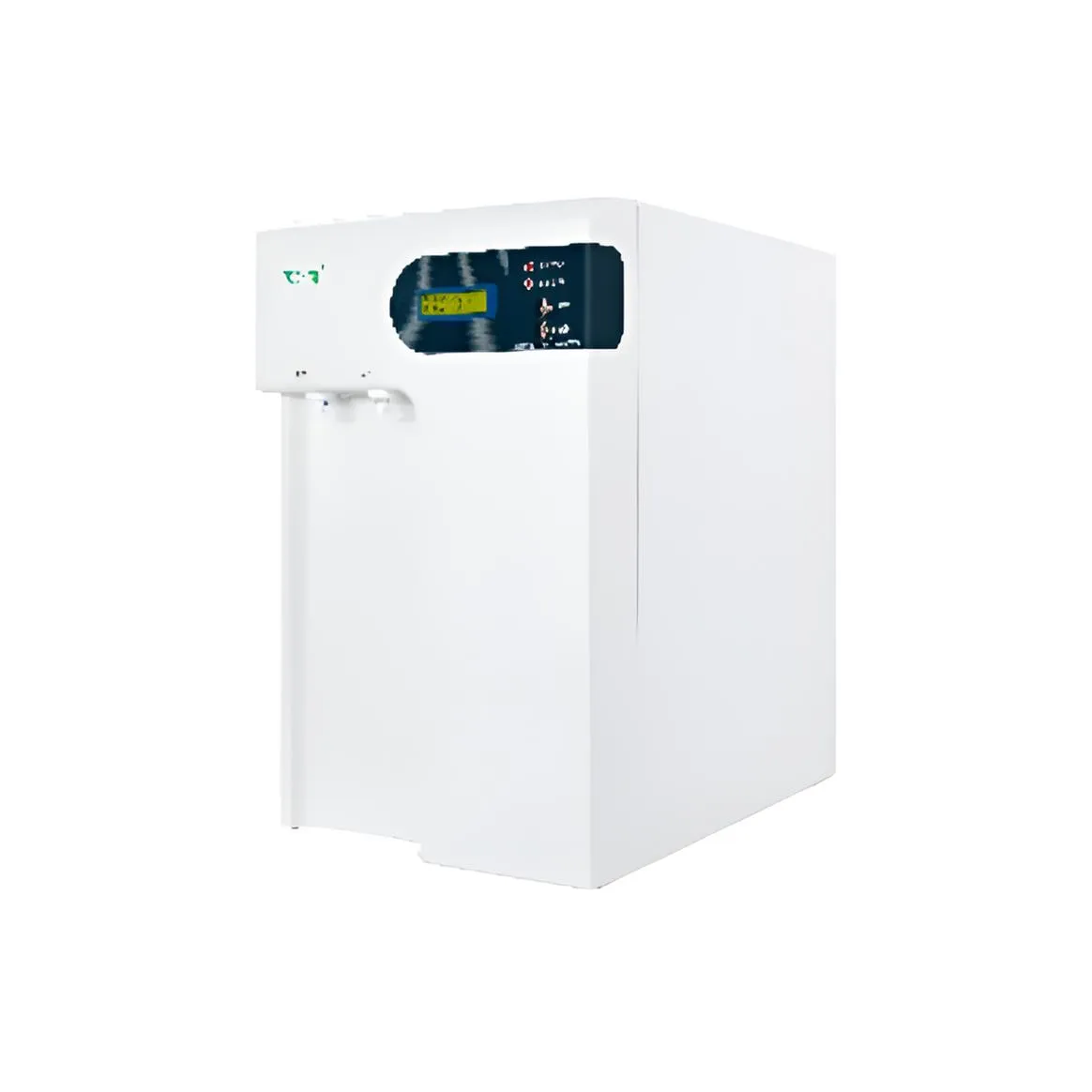
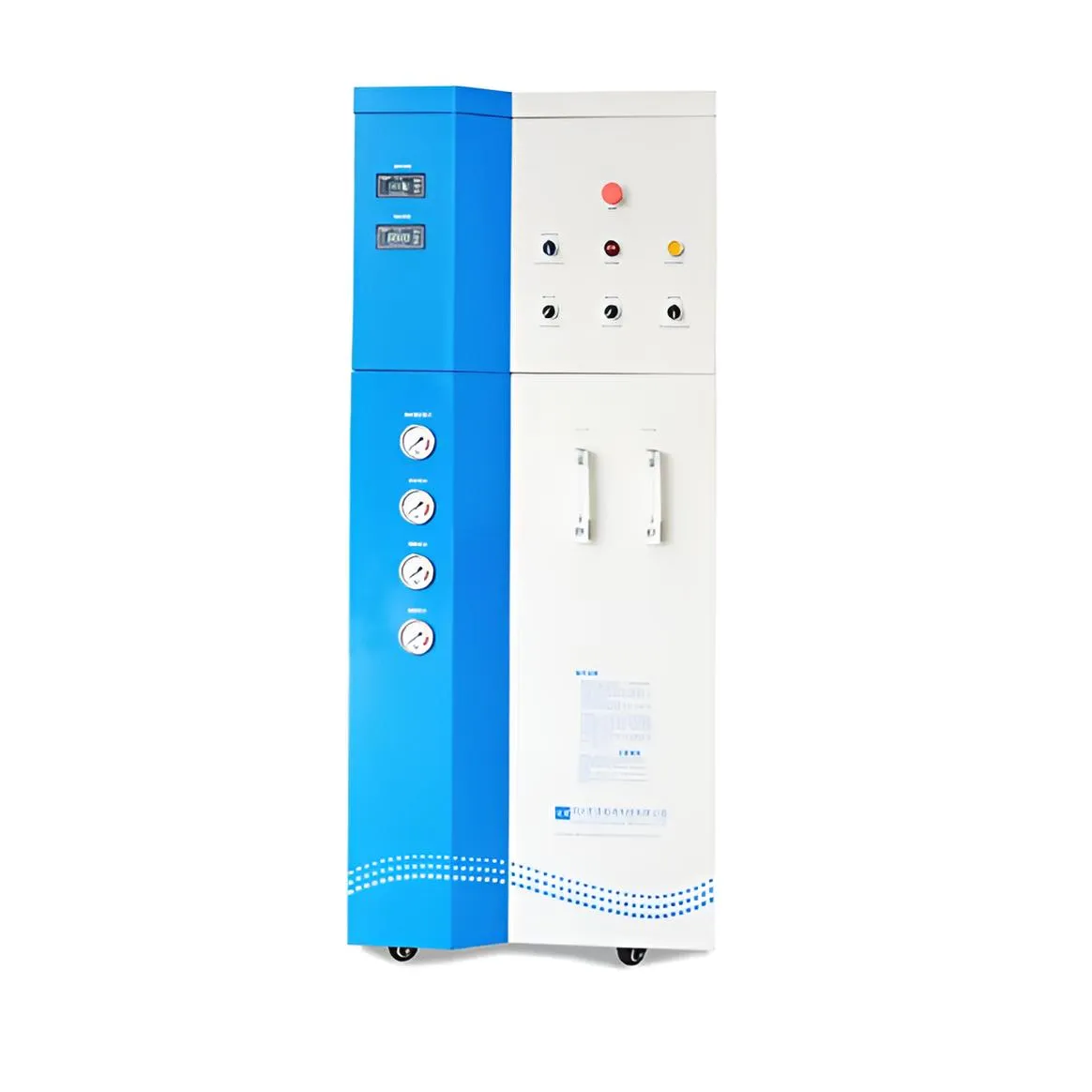
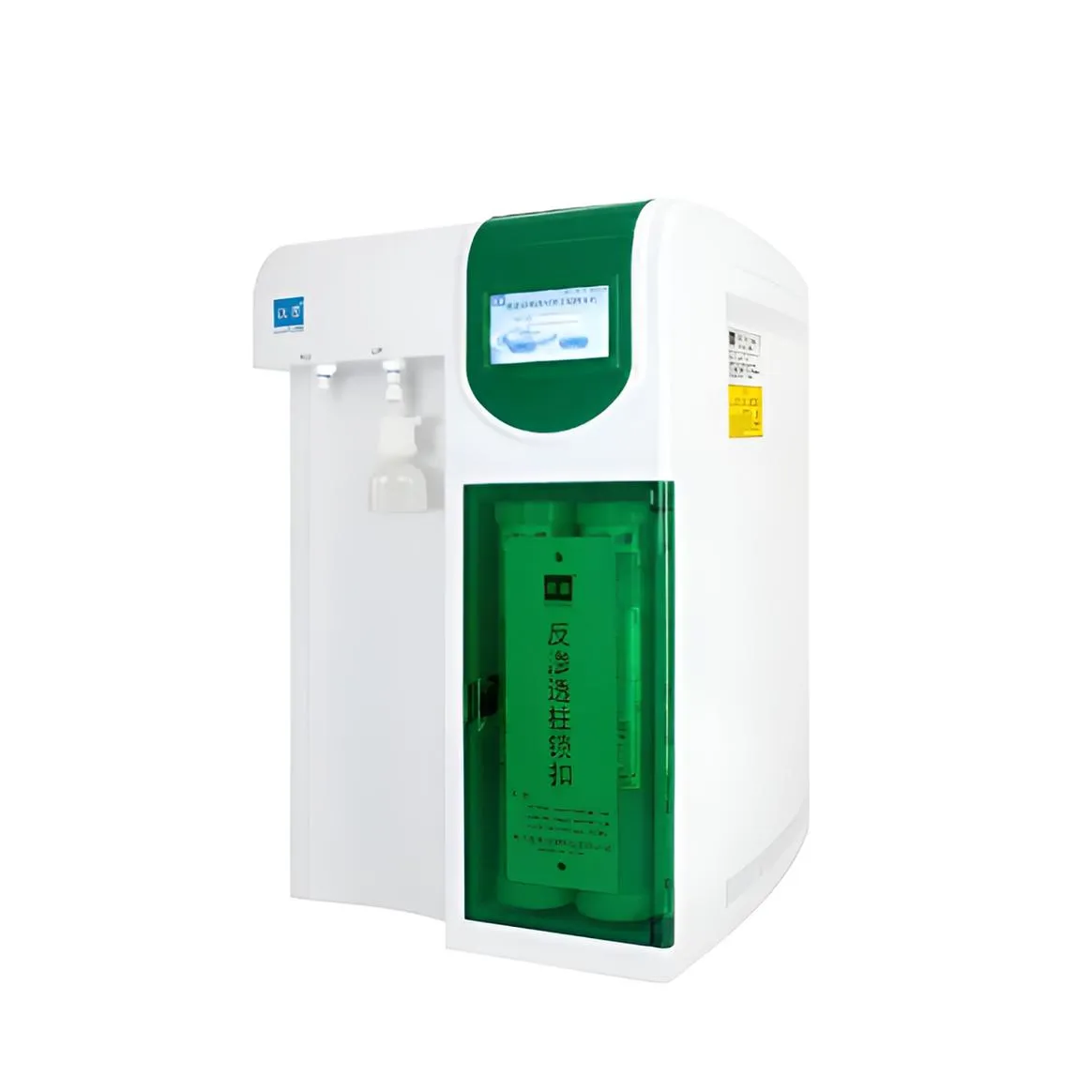
Proper laboratory operation and maintenance relies on high-performance, low-failure pure water equipment. UPU pure water systems strictly adhere to industry standards for laboratory equipment, using wear-resistant components for core parts, optimizing water circuit design, balancing operating pressure, and reducing noise and the probability of leaks. They also come with comprehensive after-sales maintenance guidance, clearly defining filter replacement cycles and key points for troubleshooting, helping laboratories establish standardized maintenance procedures.