

Phone:
0086 28 87573647
+86 19150187139
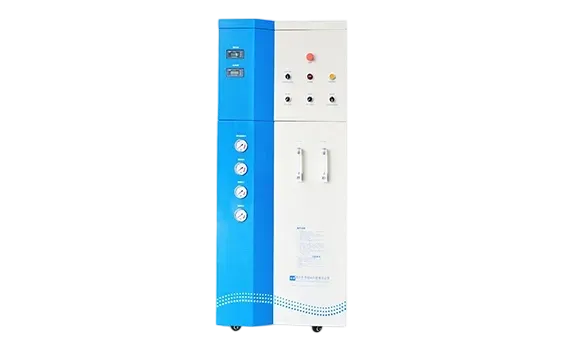
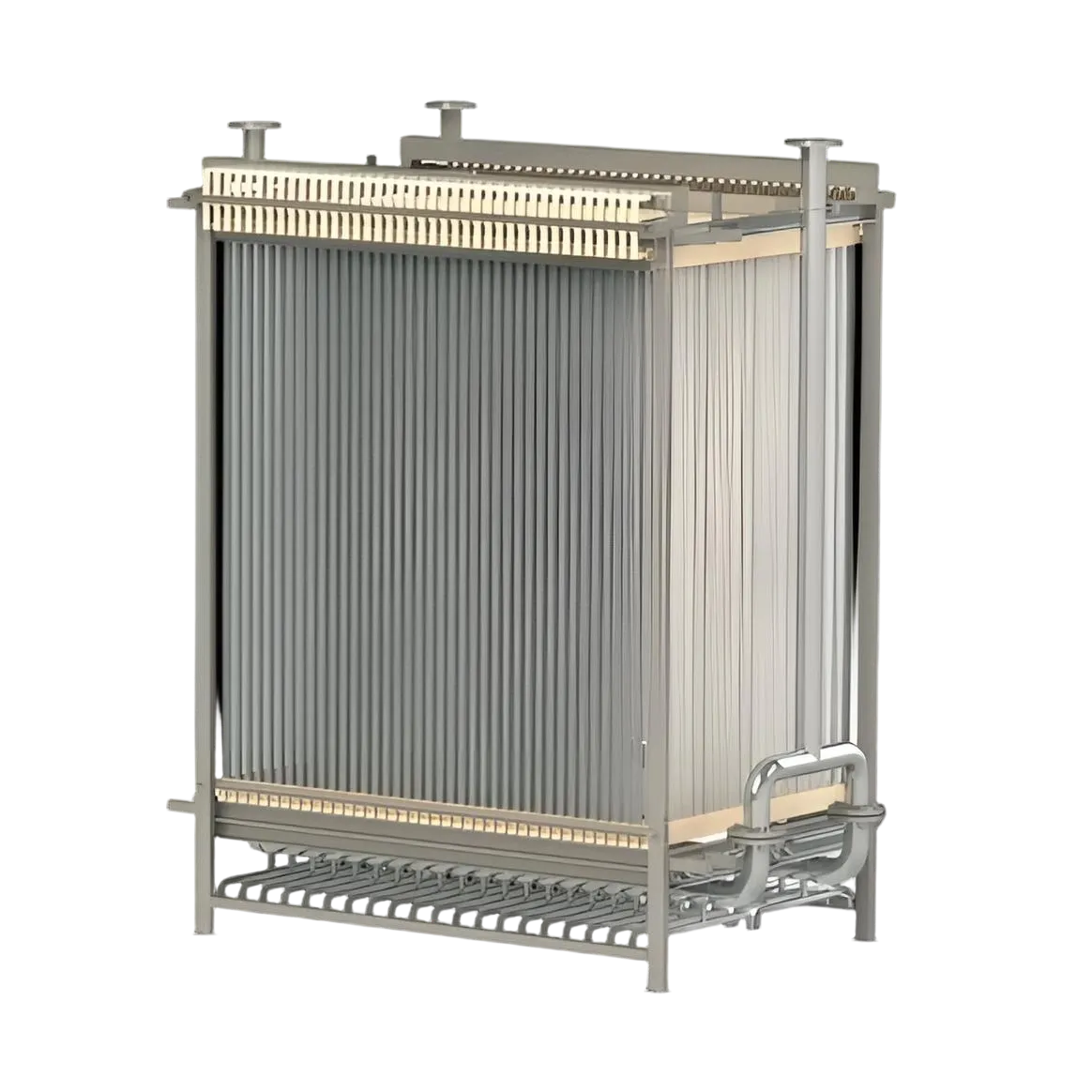
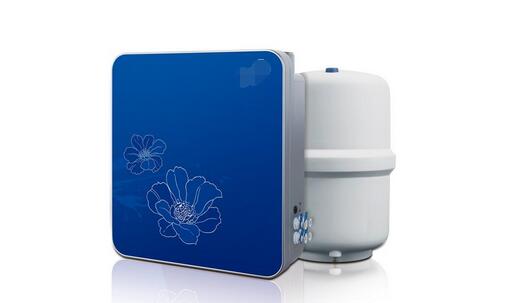
A water purifier is a device that removes or reduces the amount of salts (mainly strong electrolytes dissolved in water) in water to a certain level. Its function is to filter out suspended solids, heavy metals, bacteria, viruses, and other contaminants from the water.
Water purifiers utilize advanced filtration technology, typically employing five stages of filtration. The first stage is a filter cartridge, the second and third stages are activated carbon, the fourth stage is an RO reverse osmosis membrane, and the fifth stage is refined activated carbon, primarily used to improve taste. Therefore, water purifiers are particularly suitable for areas with severe tap water pollution.
Based on their intended use, water purifiers are categorized as follows:
1. Household drinking water purifiers (remote drinking water purifiers)
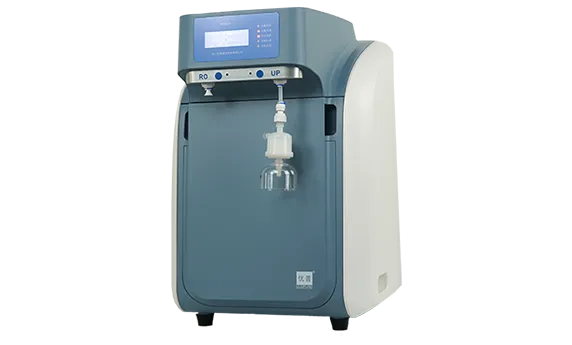
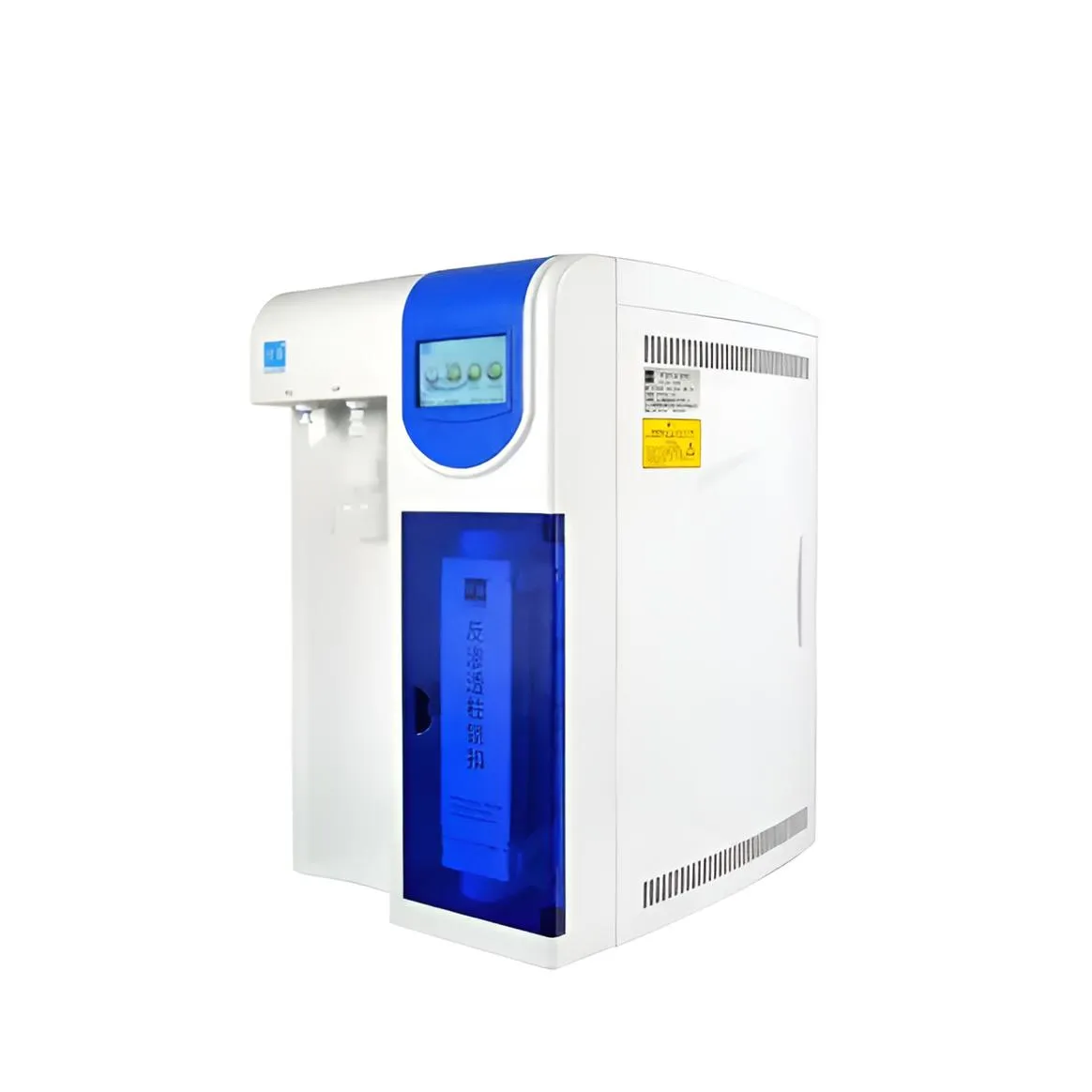
2. Laboratory pure water system (laboratory ultrapure water system)
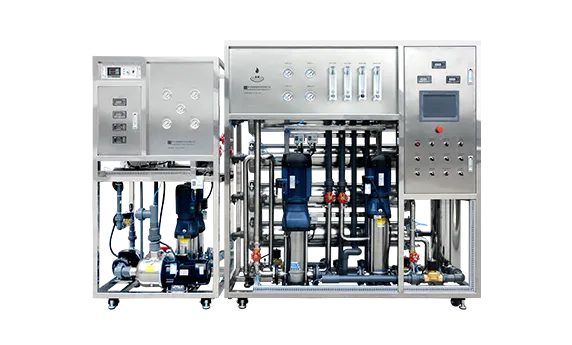
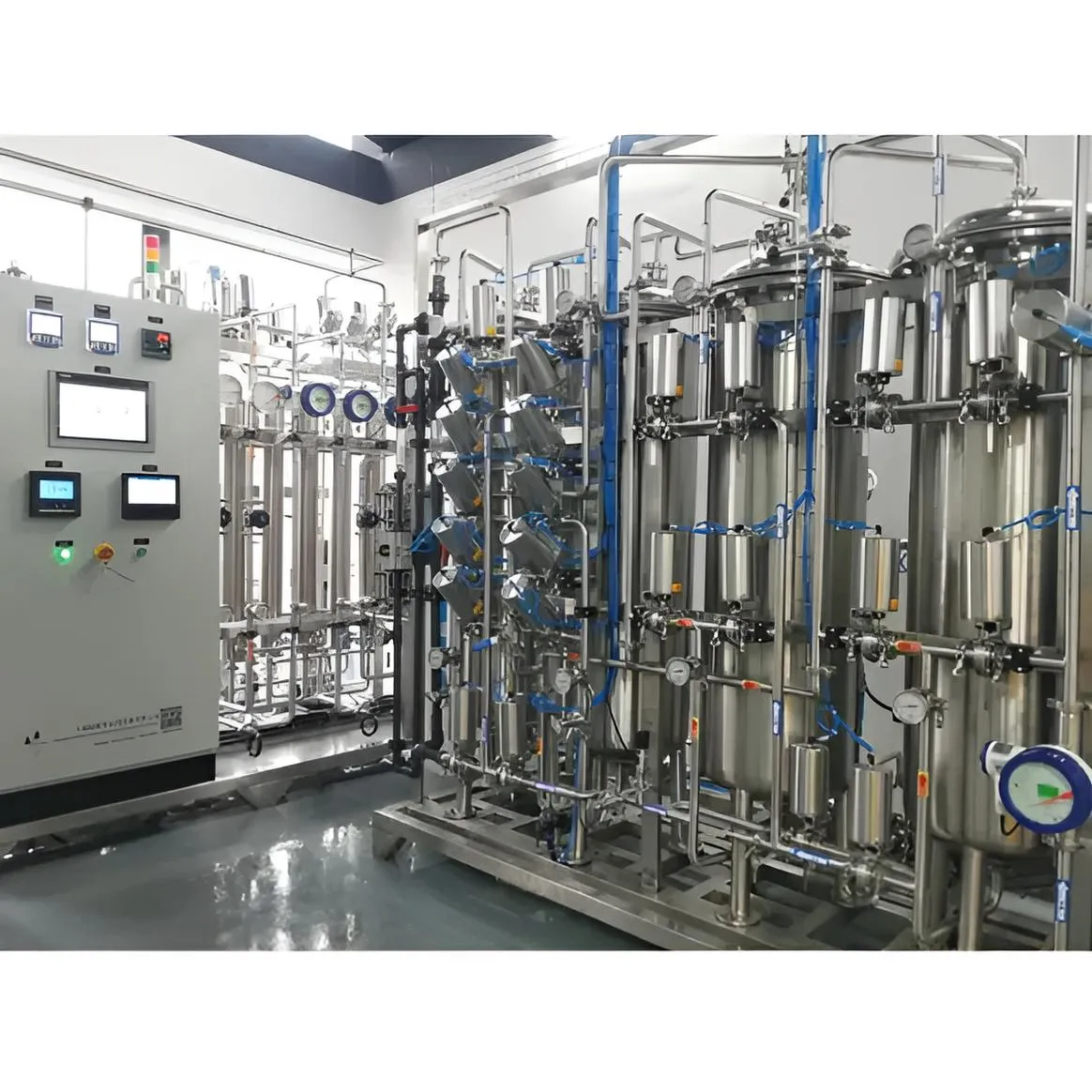
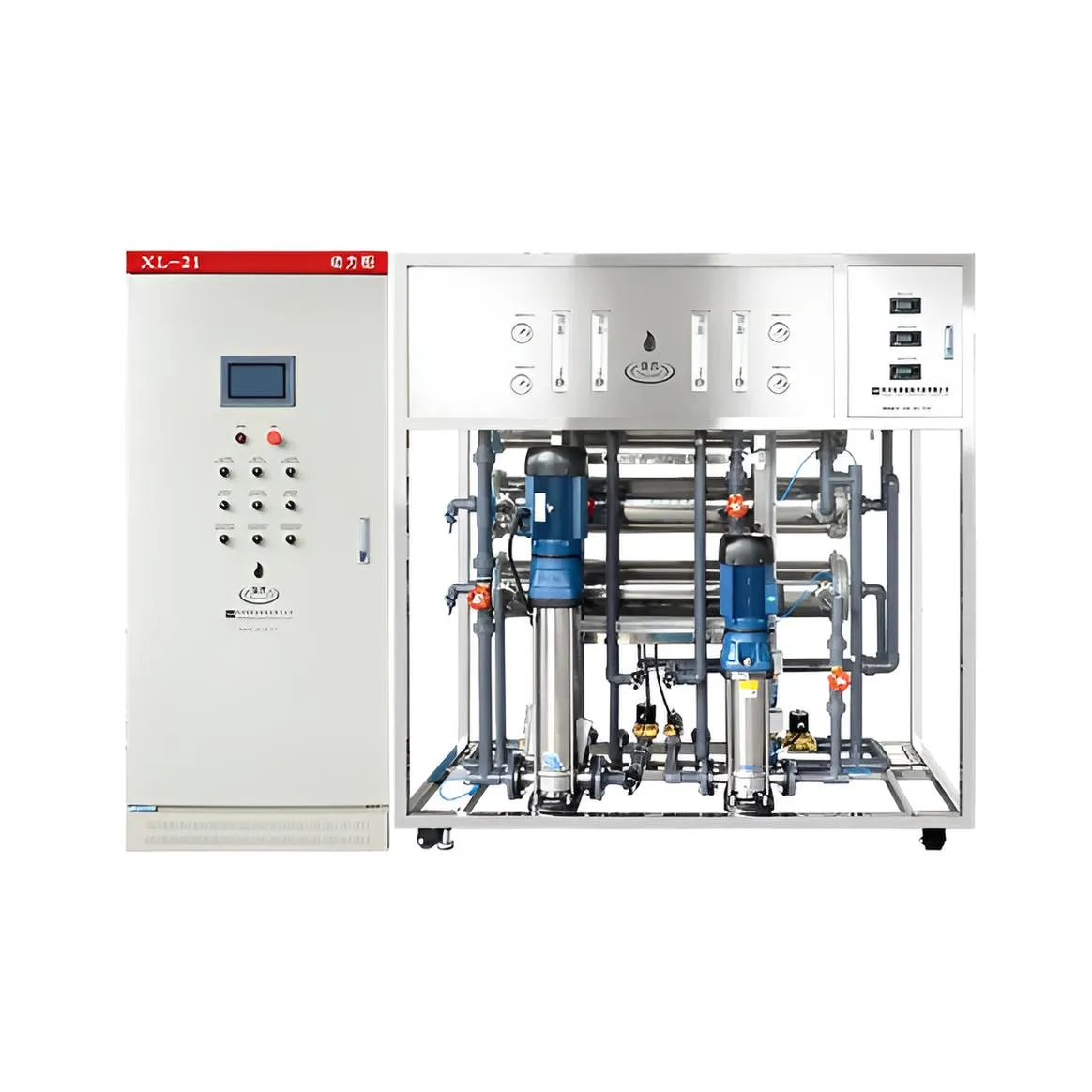
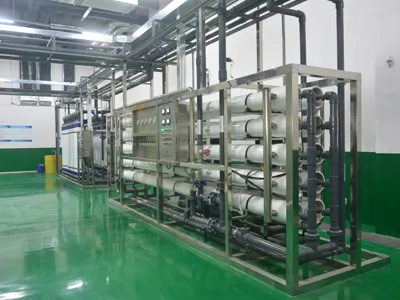
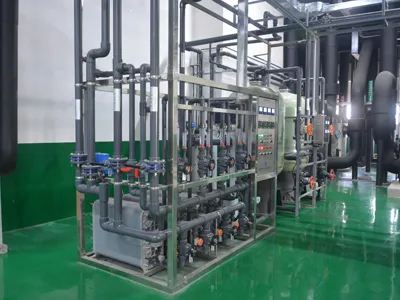
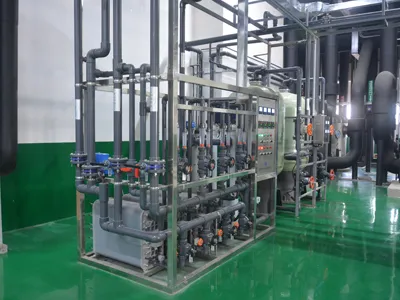
3. Large-scale industrial pure water machine
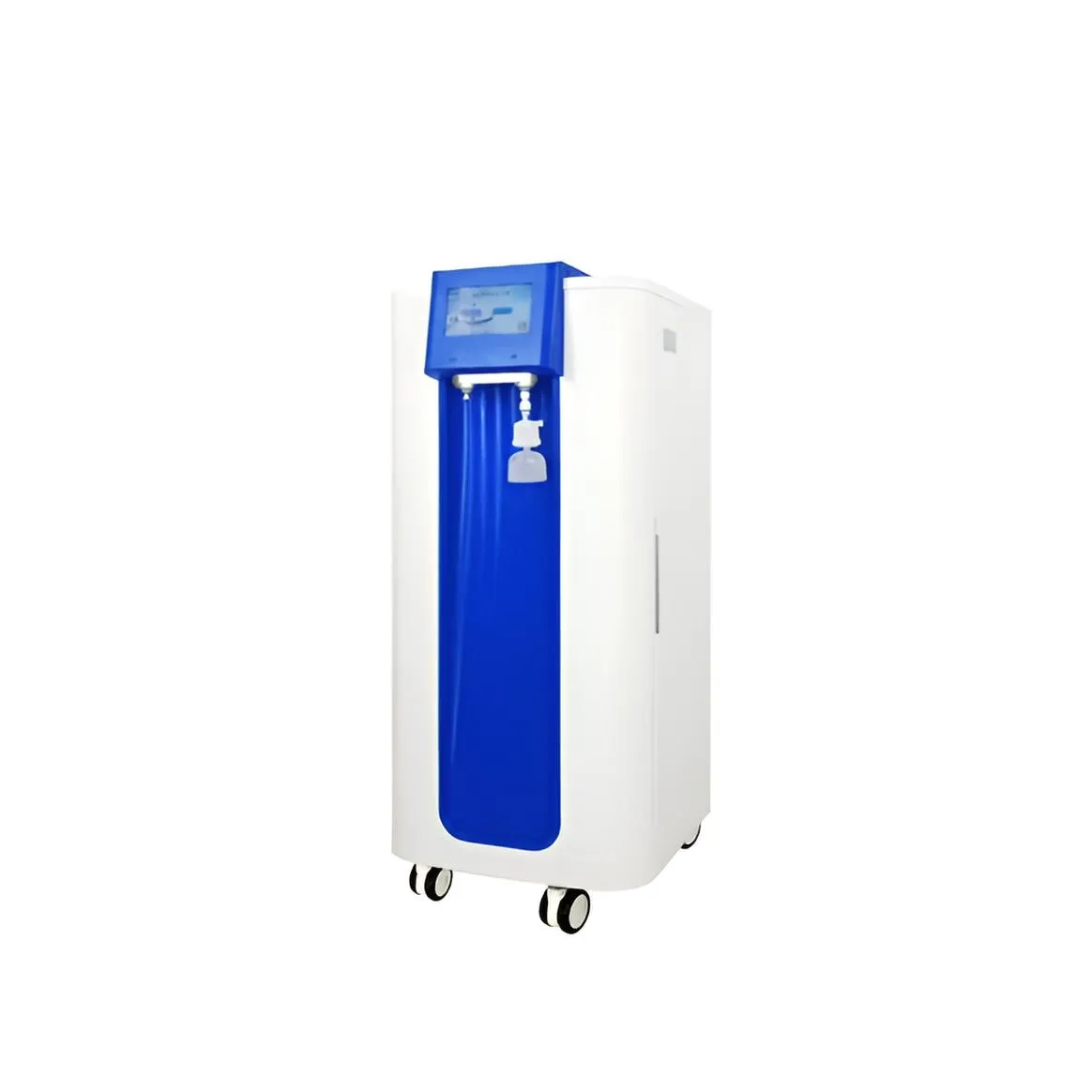
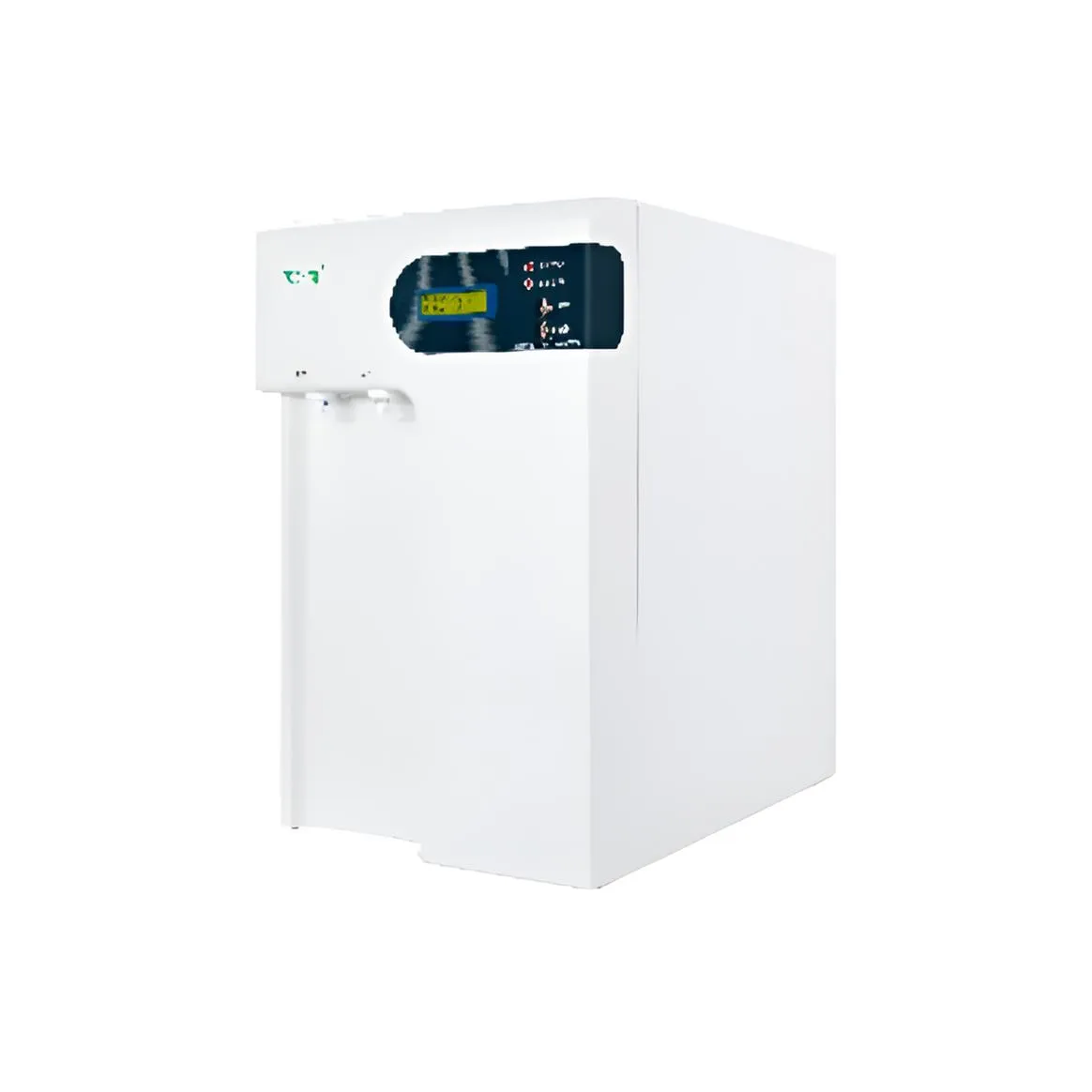
Laboratory pure water systems are devices used to produce pure water for laboratory testing and quarantine. They are suitable for laboratories in testing centers, research institutes, universities, hospitals, and enterprises, providing the necessary analytical testing water, reagent water, experimental water, and water for analytical instruments.
Classification of Laboratory Pure Water Systems:
1. Routine Physicochemical Analysis Type: Suitable for routine chemical analysis, qualitative analysis, buffer solution preparation, etc.
2. Pyrogen Removal Type: Suitable for protein purification, electrophoresis/gel analysis, toxicology studies, animal and plant cell culture, liquid/gas chromatography, amino acid analysis, tissue culture, in vitro fertilization, molecular biology experiments, etc.
3. Ultra-Low TOC Type: Suitable for high-performance liquid chromatography, ion chromatography, gas chromatography, microelectronic component washing, toxicology studies, environmental experimental analysis (TOC analysis), organic matter analysis, capillary electrophoresis, etc.
4. Ultra-low TOC and pyrogen-removing type: Suitable for microbial culture medium preparation, various high-precision instrument analysis, molecular biology and life sciences, environmental analysis experiments, physical electrochemistry and interface research, animal and plant cell culture, amino acid analysis, in vitro fertilization, tissue culture, two-dimensional electrophoresis, etc. Removes both organic matter and endotoxins.
5. Basic application type: Suitable for high-performance liquid chromatography, gas chromatography, high-precision optical lens washing, preparation and dilution of analytical reagents and chemicals, mass spectrometry, amino acid analysis, PCR applications and analysis, ion chromatography, atomic absorption and emission spectroscopy, and precision instrument analysis water.
Regarding the types of ultrapure water systems, the conventional physicochemical analysis type is the most common among the five types; the basic application type ranks second with over 20% market share; the ultra-low TOC type ranks third with 15%; followed by the ultra-low TOC and pyrogen-removing type, accounting for about 10%; the pyrogen-removing type is the rarest.