



Phone:
0086 28 87573647
+86 19150187139

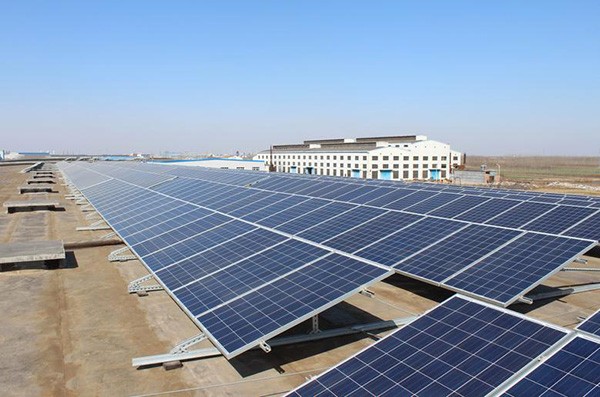
Solar photovoltaic (PV) power generation systems utilize the photovoltaic effect of solar cell semiconductor materials to directly convert solar radiation energy into electrical energy. It's a technology that uses the photovoltaic effect at the semiconductor interface to directly convert light energy into electrical energy. The key component of this technology is the solar cell. Solar cells are connected in series and encapsulated for protection to form large-area solar cell modules. Combined with components such as power controllers, this forms a photovoltaic power generation device. Due to the ever-growing international demand for solar PV cells, more and more domestic companies are becoming OEM factories for solar PV cells, and are using this opportunity to continuously grow and expand.
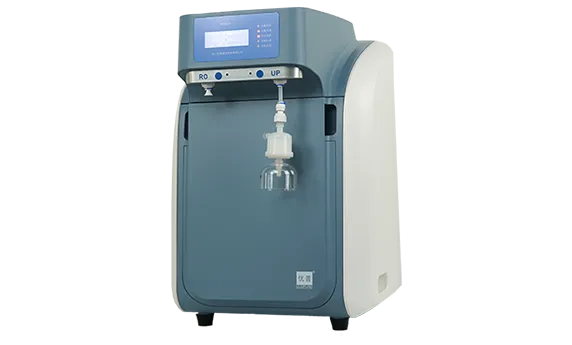
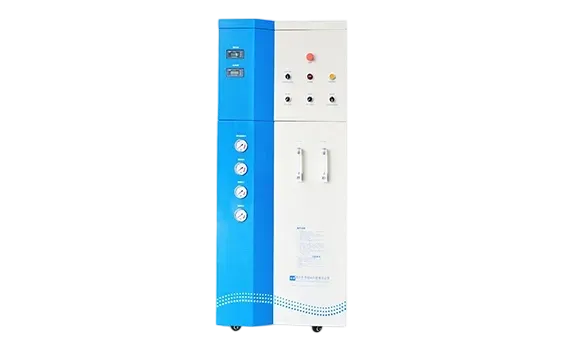
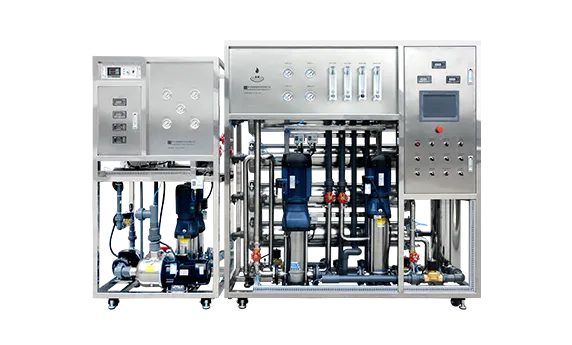
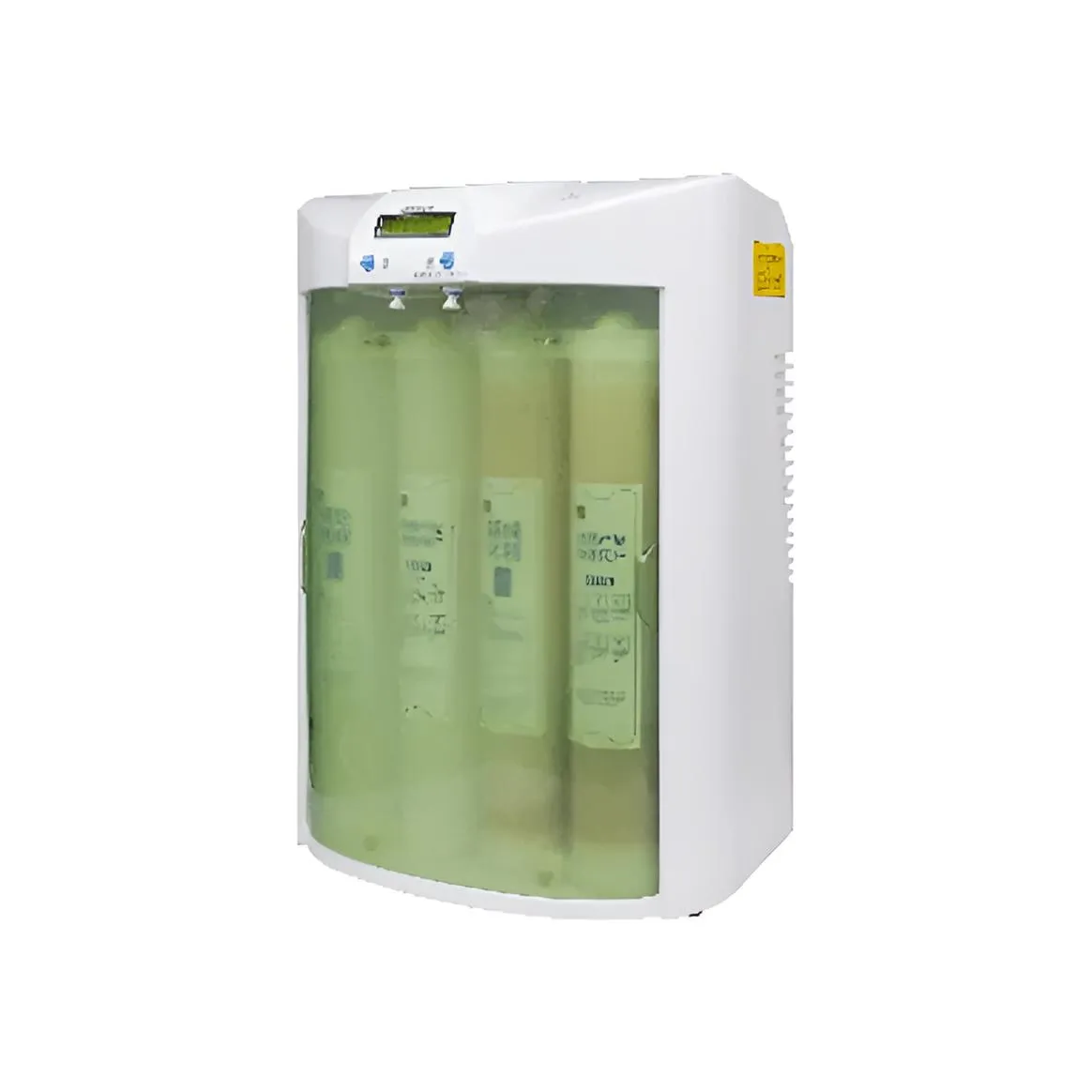
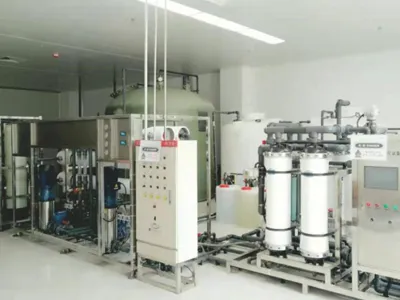
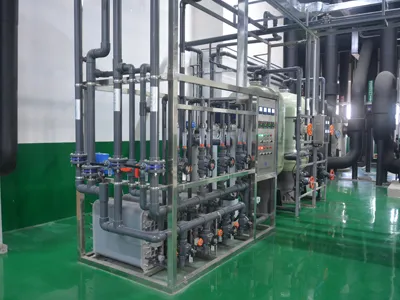
Currently, the main production resources of China's solar PV industry are concentrated in: polycrystalline silicon purification, monocrystalline silicon pulling, polycrystalline silicon ingot casting, slicing, solar cell production, and module manufacturing. The main power requirements for these production processes include: ultrapure water, power supply, and specialty gases. Typically, ultrapure water is used in 20% of the production process in an electronic product manufacturing cycle. More than 50% of the fluids used in wet process equipment are ultrapure water, and this proportion is continuously increasing with stricter environmental protection requirements. This demonstrates the necessity of ultrapure water in the solar PV industry.
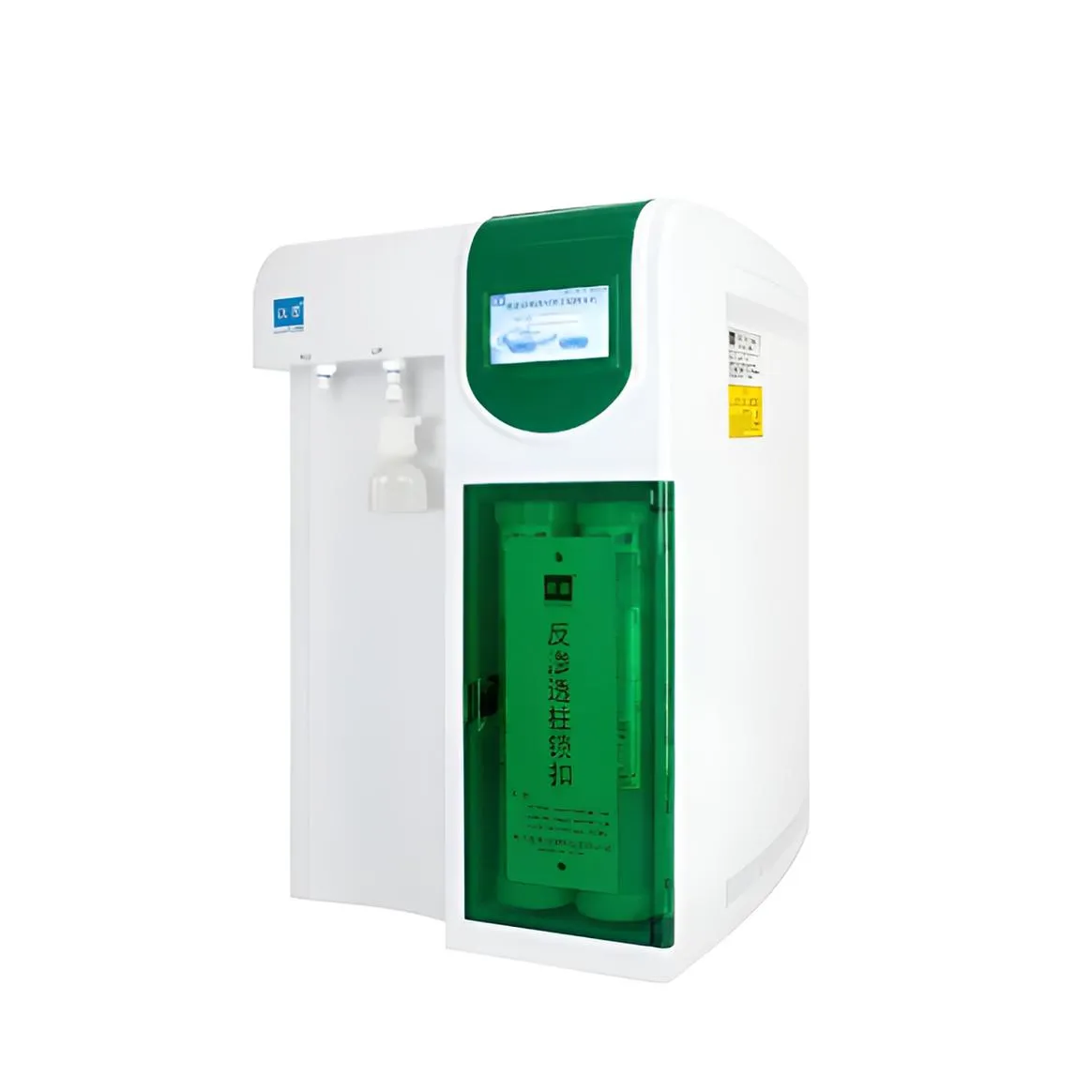
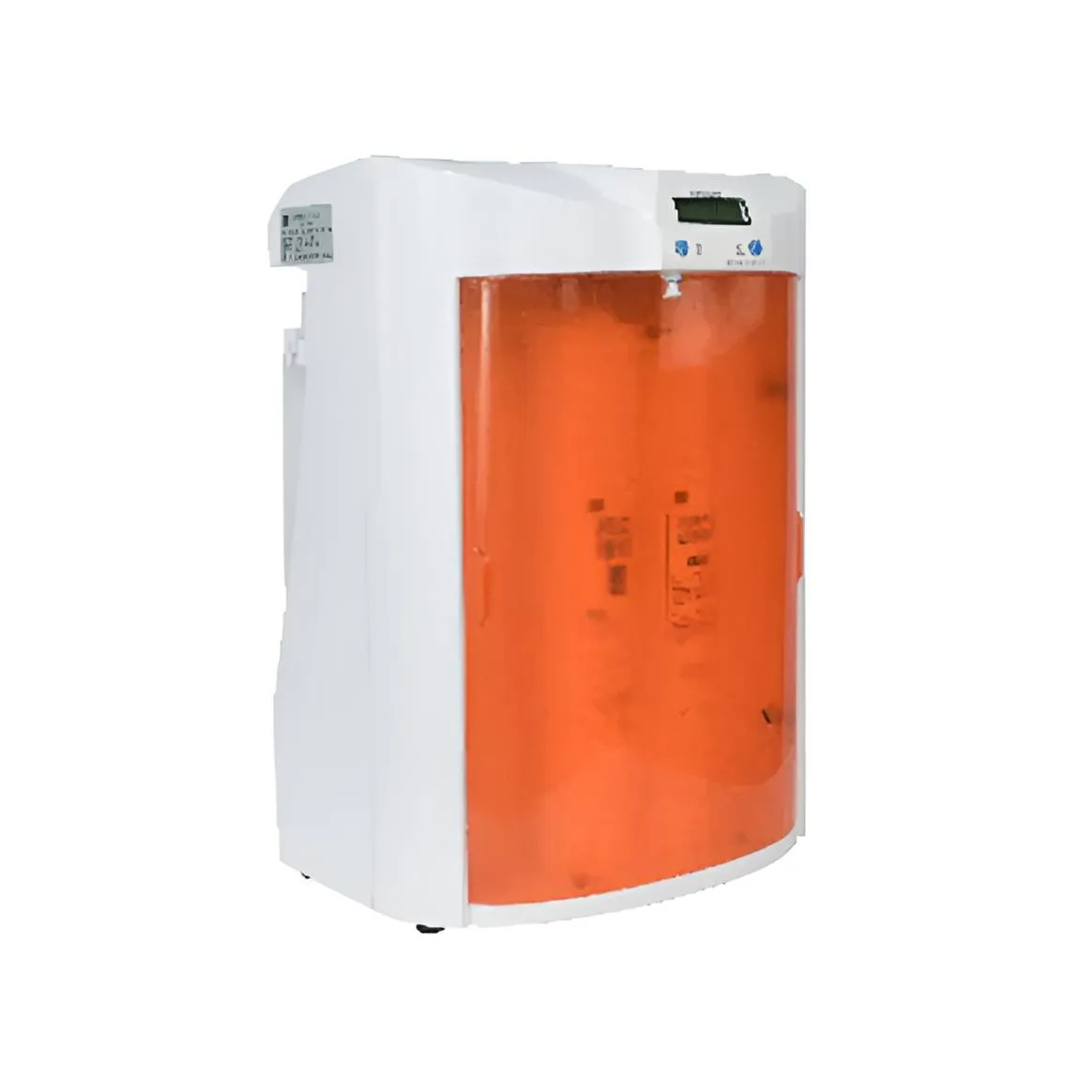
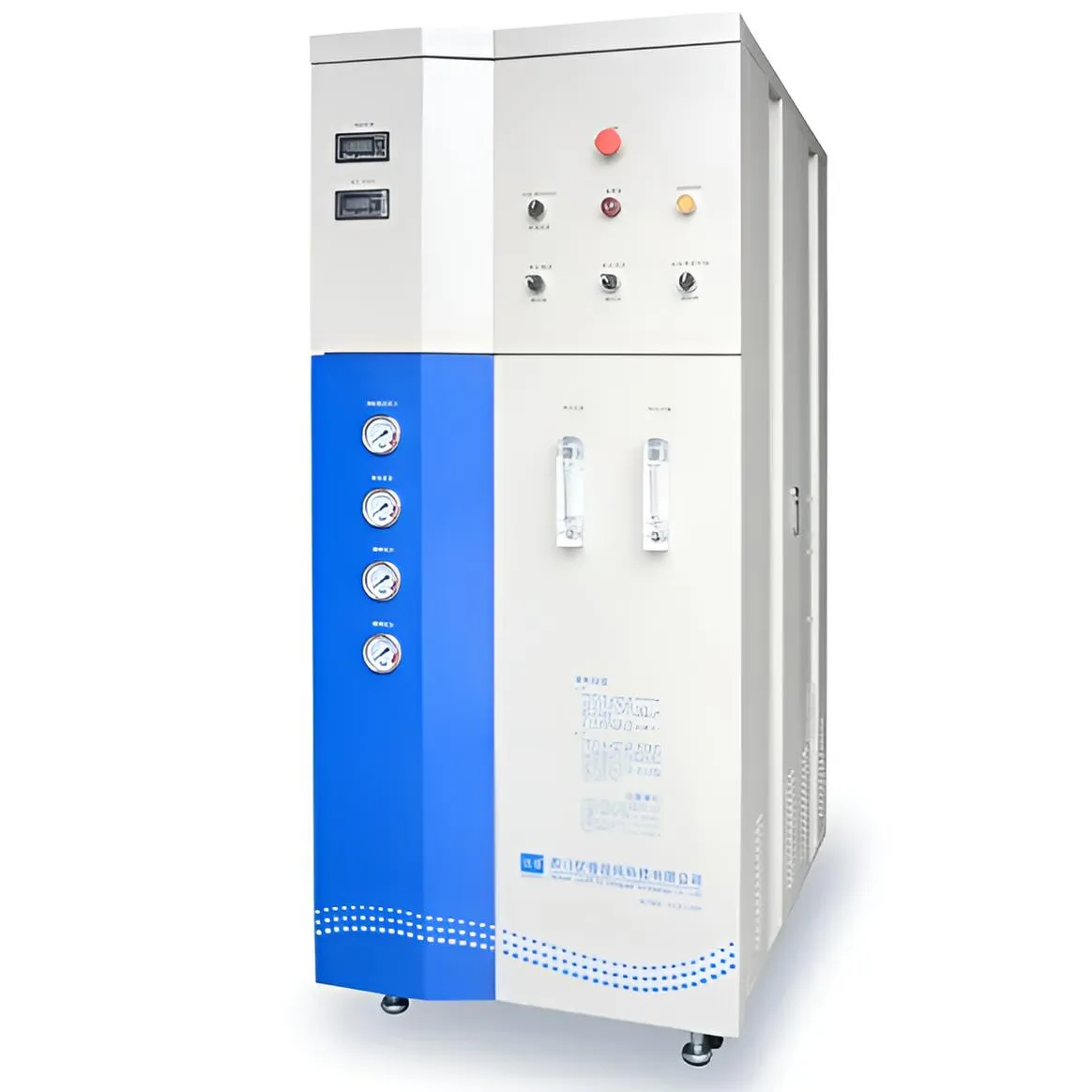
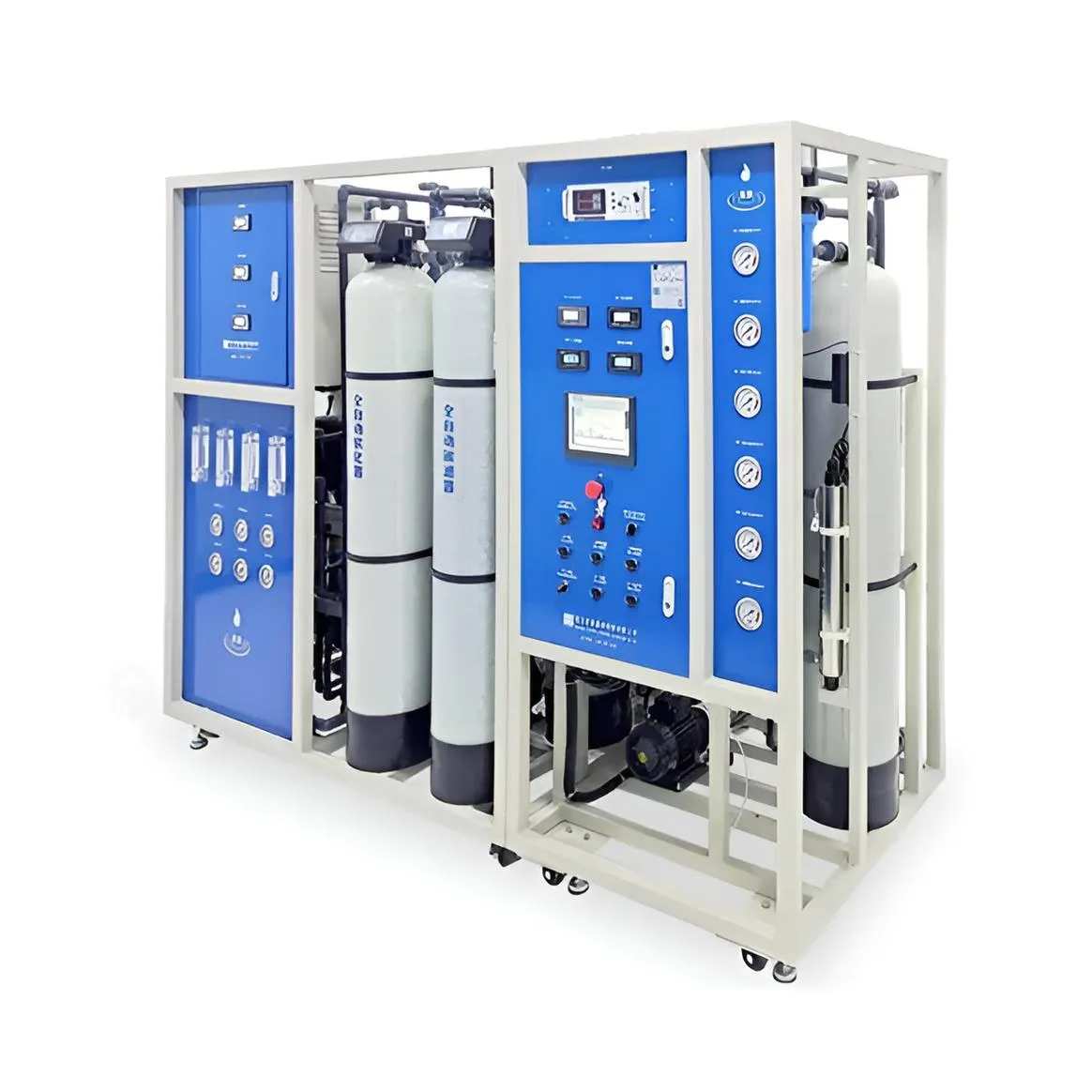
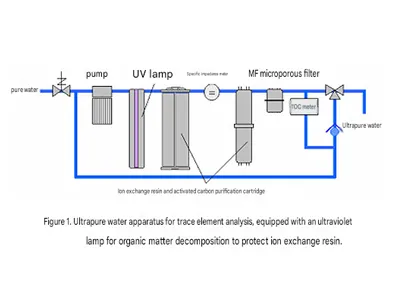
In addition, the solar photovoltaic industry has very high requirements for the water used in its production processes. The higher the integration level of integrated circuits, the higher the requirements for water quality, and the more stringent the requirements for the quality of the effluent from ultrapure water preparation processes. Currently, the Ministry of Industry and Information Technology of China has divided electronic-grade water quality technology into five industry standards: 18 MΩ·cm, 15 MΩ·cm, 10 MΩ·cm, 2 MΩ·cm, and 0.5 MΩ·cm, to distinguish different water qualities. Electronic-grade ultrapure water equipment can produce water meeting these five standards.