Phone:
0086 28 87573647
+86 19150187139

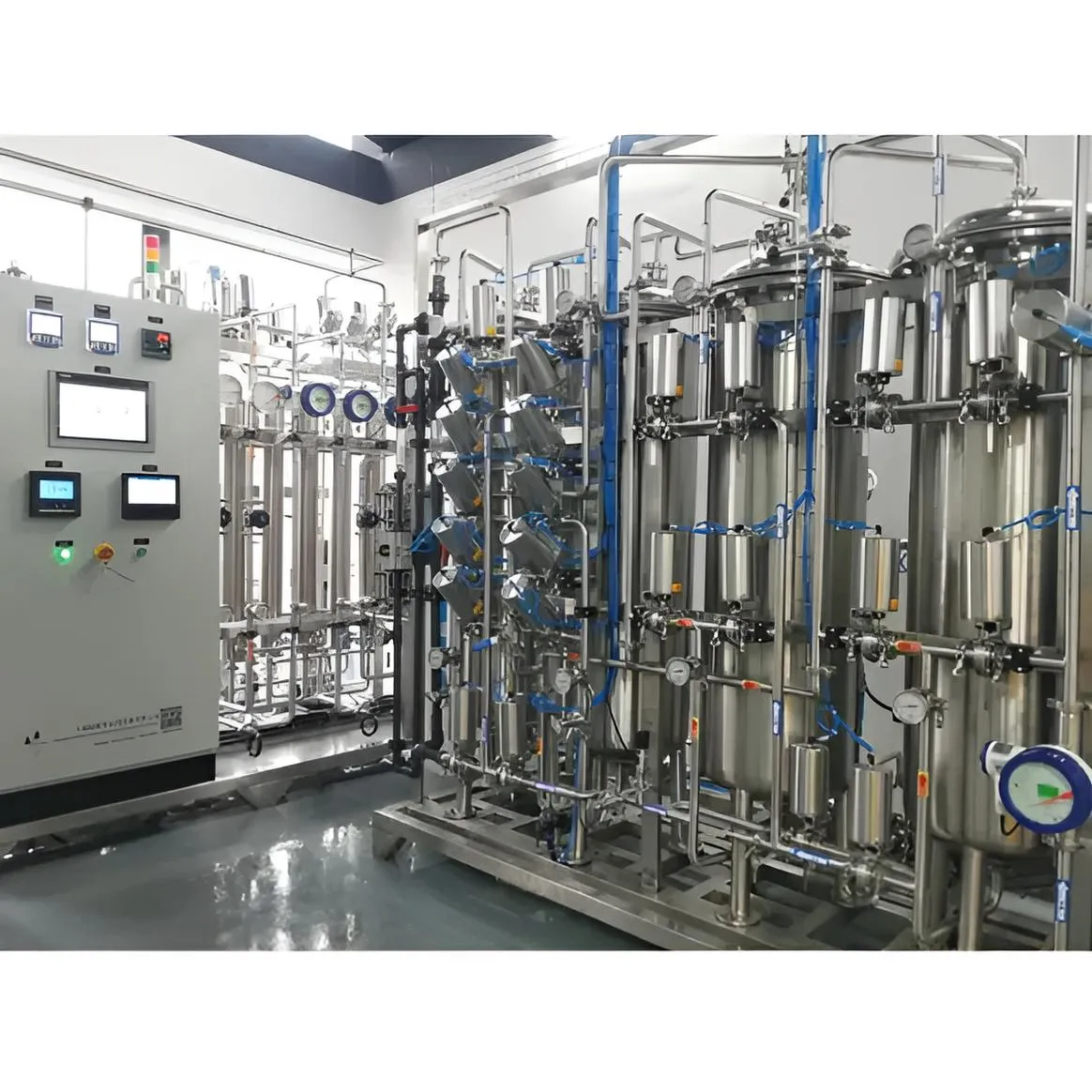
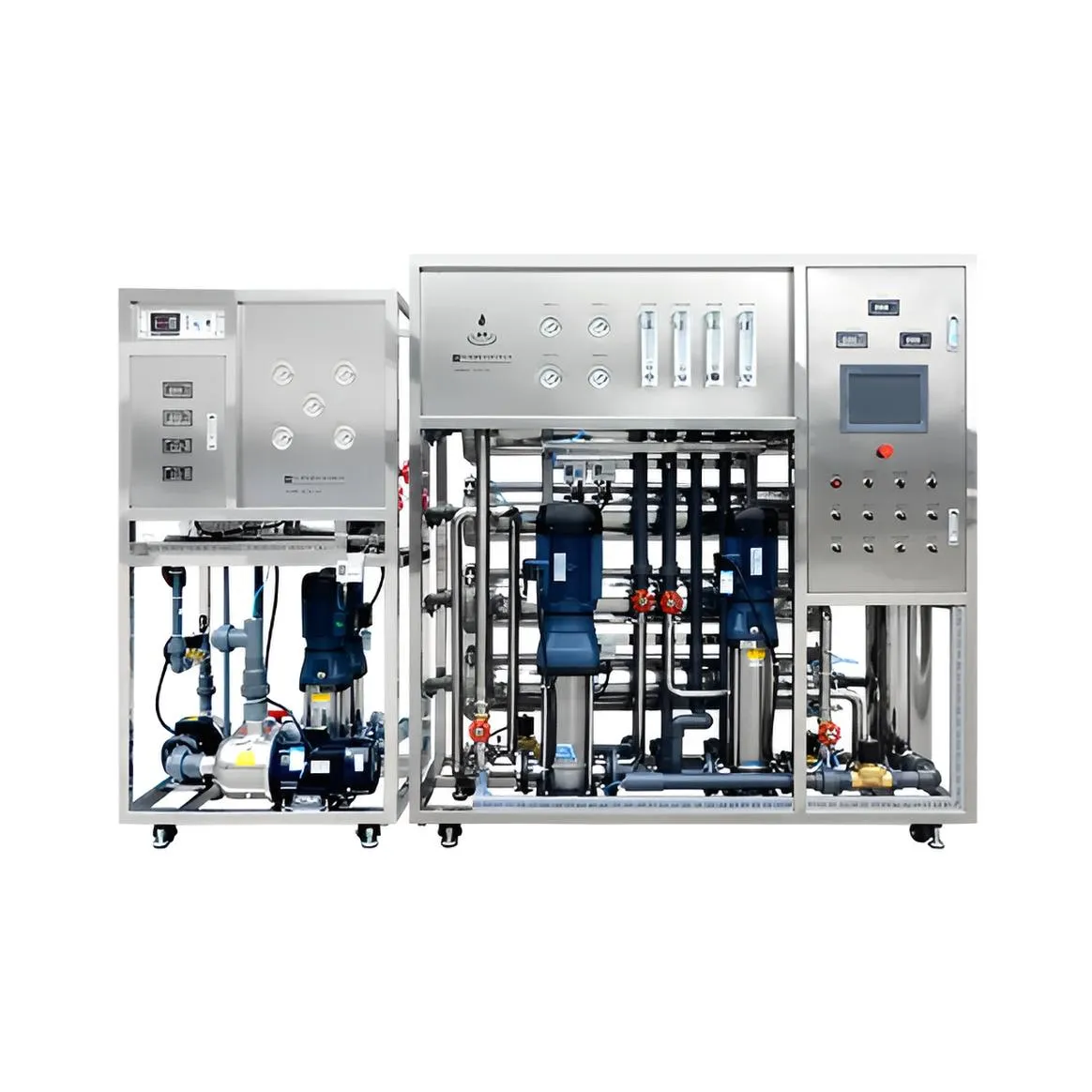
1. Principle of Ultrapure Water Equipment for Pure Water Production
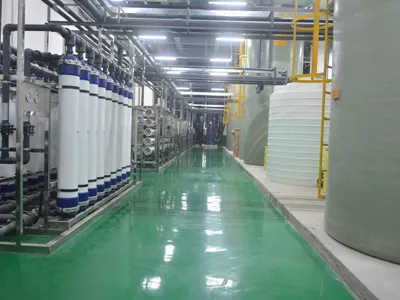
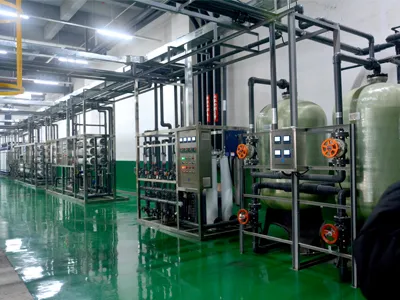
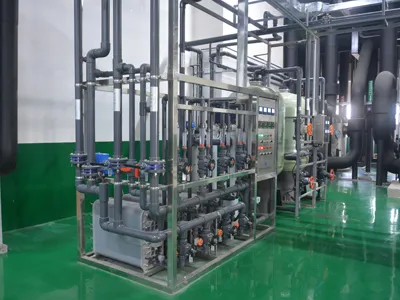
It typically consists of three parts: a raw water pretreatment system, a reverse osmosis purification system, and an ultrapure water post-treatment system. The purpose of pretreatment is primarily to ensure the raw water meets the influent requirements of the reverse osmosis membrane separation components, guaranteeing the stable operation of the reverse osmosis purification system. The reverse osmosis membrane system is theoretically the most economical and efficient purification method, removing over 98% of ions, organic matter, and 100% of microorganisms from raw water in a single pass. The ultrapure water post-treatment system further removes remaining trace ions, organic matter, and other impurities from the reverse osmosis pure water through various integrated technologies to meet the final water quality requirements for different applications.
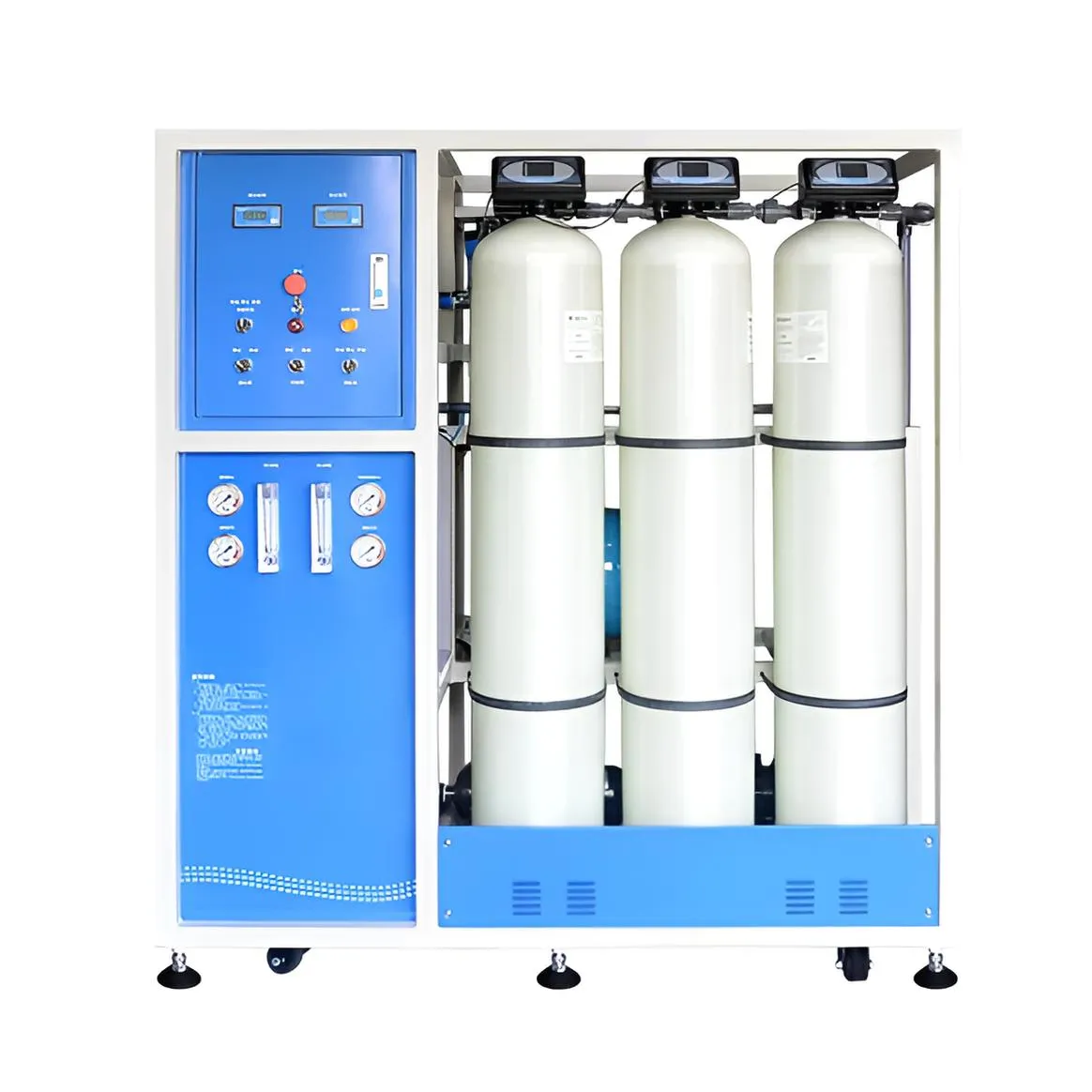
2. Raw Water Pretreatment System
The pretreatment system typically consists of a polypropylene fiber (PP) filter and an activated carbon (AC) filter. For raw water with high hardness, a softening resin filter is also required. PP filter cartridges can efficiently remove mechanical particulate impurities larger than 5μm, rust, and large colloidal contaminants from the raw water, protecting subsequent filters. Its advantages include high dirt-holding capacity and low cost. AC activated carbon filter cartridges can efficiently adsorb residual chlorine and some organic matter and colloids in raw water, protecting the polyamide reverse osmosis composite membrane from oxidation by residual chlorine. The softening resin in the pure water equipment can remove most of the calcium and magnesium ions from the raw water, preventing scaling and clogging on the surface of the subsequent RO membrane and improving water recovery rate.
3. Ultrapure Water Purification System
Reverse osmosis (RO) is a high-tech membrane separation technology driven by pressure difference, characterized by high single-pass separation, no phase change, and simplicity and efficiency. The pore size of reverse osmosis membranes is as small as nanometers (1nm = 10⁻⁹m), and no "filtering" pores are visible on the surface under a scanning electron microscope. Under operating pressure higher than the osmotic pressure of the raw water, water molecules can reverse osmosis through the RO semi-permeable membrane to produce pure water, while a large number of inorganic ions, organic matter, colloids, microorganisms, pyrogens, etc., in the raw water are retained by the RO membrane.
Typically, when the raw water conductivity is <200 μS/cm, the conductivity of primary RO purified water is ≤5 μS/cm, meeting the laboratory grade III water standard. For areas with high raw water conductivity, to save on subsequent mixed-bed ion exchange resin replacement costs and improve purified water quality, customers may consider choosing a secondary reverse osmosis purification system. The conductivity of secondary RO purified water is approximately 1~5 μS/cm, depending on the raw water quality.
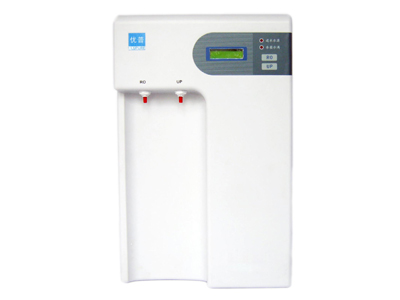
![[Science Popularization] Guide to Buying a Laboratory Ultrapure Water System](/uploads/image/20260604/science-popularization-guide-to-buying-a-laboratory-ultrapure-water-system.webp "[Science Popularization] Guide to Buying a Laboratory Ultrapure Water System")