








Phone:
0086 28 87573647
+86 19150187139

Introduction: Compared to electric water distillers or purchasing water from external sources, laboratory ultrapure water systems offer greater affordability and convenience, a fact widely recognized by chemical analysts. Currently, laboratories in universities, research institutes, and other public institutions largely use ultrapure water systems instead of water distillers.
Compared to electric water distillers or purchasing water from external sources, laboratory ultrapure water systems offer greater affordability and convenience, a fact widely recognized by chemical analysts. Currently, laboratories in universities, research institutes, and other public institutions largely use ultrapure water systems instead of water distillers. Examples include environmental monitoring stations, food and drug testing institutes, disease control centers, quality inspection institutes, and agricultural soil and fertilizer stations.
However, this instrument is fundamental equipment in laboratories. Although many technicians use ultrapure water systems, their understanding of them is still limited, often leading to misconceptions in selection. Please refer to the following information to help you choose the right ultrapure water system for your organization.
![[Science Popularization] Guide to Buying a Laboratory Ultrapure Water System](/uploads/image/20260604/science-popularization-guide-to-buying-a-laboratory-ultrapure-water-system-1.jpg "[Science Popularization] Guide to Buying a Laboratory Ultrapure Water System")
I. Water Consumption
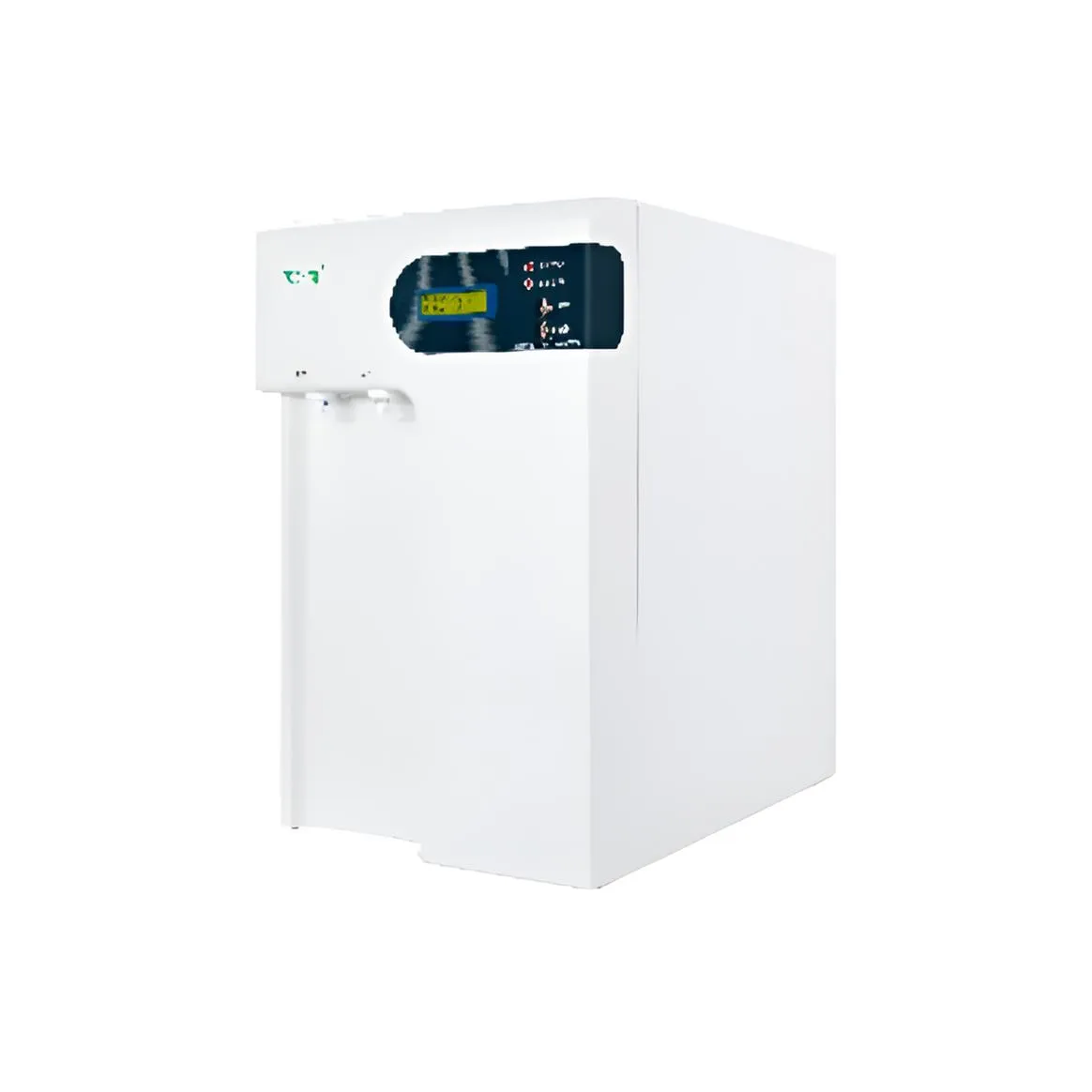
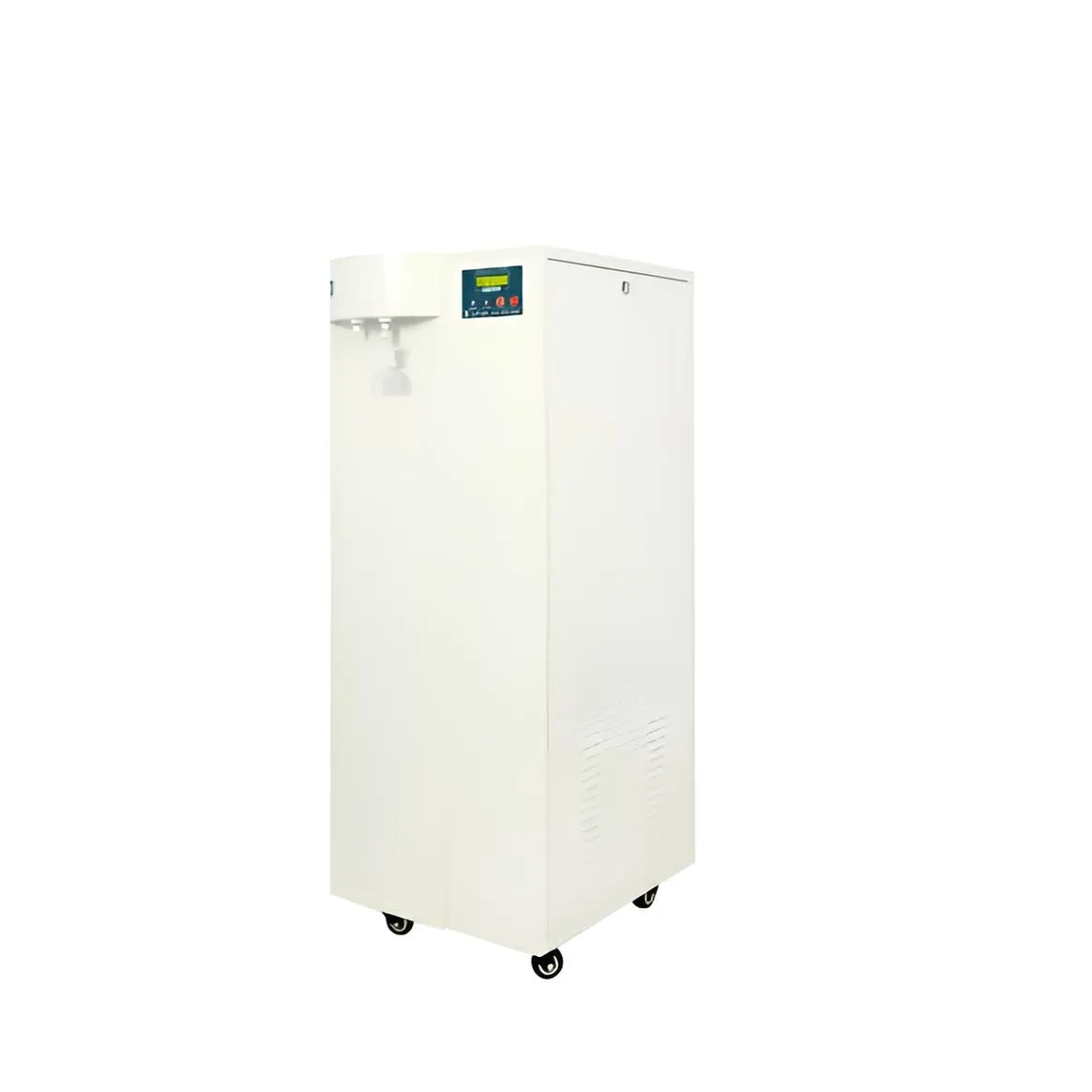
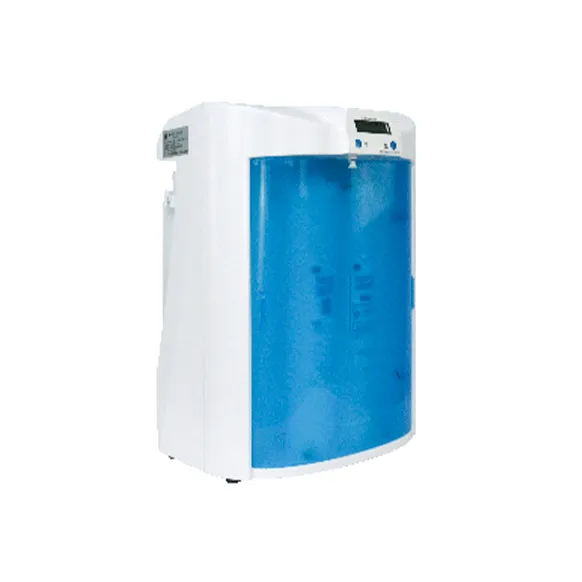
Currently, the water production capacity of ultrapure water systems used in laboratories on the market is generally between 5-20 liters/hour. 5-20L/hour systems are typically benchtop models, while those above 20L/hour are generally floor-standing models. Customers should choose the ultrapure water system specifications based on their actual water consumption, generally following a 2:1 ratio principle. For example, if the water consumption is 20 liters/day, choose a machine with a capacity of 10 liters/hour. Choosing a machine that is too small will lead to rapid consumption of consumables, while choosing a machine that is too large will result in waste. If the water consumption is high in concentrated periods, a larger pure water tank needs to be purchased; otherwise, the water production speed will not be sufficient.
II. Water Quality
National laboratory standards specify three water qualities: Grade I, Grade II, and Grade III. However, most laboratories only need two: Grade III water, such as distilled water, for cleaning glassware; and Grade I water, mainly used for chemical analysis or precision instrument analysis such as liquid chromatography and atomic absorption. Customers should choose the ultrapure water system level based on their actual water quality requirements. Ultrapure water systems that use tap water as their source typically have two outlets (each with a different water quality): one for pure water (Grade 3) and the other for Grade 1 water (ultrapure water). Strictly speaking, Grade 1 water has a resistivity greater than 10 megohms, while ultrapure water has a resistivity greater than 18 megohms.
Many customers are unclear about their water quality requirements. Although national departments have various water quality standards, there are no complete quantitative indicators for specific experimental projects or instrument analysis water. Often, customers only discover that the water quality does not meet the standards after purchasing an ultrapure water system. Based on experience, the following selection principles can be followed accordingly:
2.1 Experimental Content
Experiments are divided into inorganic and organic experiments. Inorganic experiments only require water with a resistivity greater than 18 megohms, while organic experiments usually require the removal of organic matter from the water. Therefore, in addition to a resistivity greater than 18 megohms, a total organic carbon (TOC) indicator is also required. For biological experiments, bacteria in the water must also be removed.
2.2 Instrument Types
Customers can choose an ultrapure water system based on the type of instrument they are using. For liquid phase chromatography, the water resistivity must be greater than 18 megohms, and organic matter must be removed. For atomic absorption, atomic fluorescence, and environmental monitoring instruments, a resistivity greater than 18 megohms is sufficient. For life science instruments such as PCR, in addition to a resistivity greater than 18 megohms, water must be sterilized, free of organic matter, and free of pyrogens.
2.3 Current Water Source
If the customer's current water supply is qualified, they can inform the ultrapure water system manufacturer of its source. Their technicians will recommend the appropriate model based on this information. The above three principles are based on practical application experience and can be used as a reference. However, the most accurate model selection is achieved by providing detailed water quality parameters, such as resistivity, trace elements, bacteria, and total organic carbon levels.
III. Raw Water Quality
When purchasing an ultrapure water system, customers must provide the manufacturer with the raw water quality information, such as high sediment content, high hardness, or groundwater. The ultrapure water system's process is determined by the raw water quality. High sediment content requires a pretreatment device; high hardness requires a softening device; high salt content requires a two-stage reverse osmosis process, etc. If you choose an ultrapure water system that uses pure water as its source, you only need to provide your water quality requirements and water consumption.
If you have any further questions, please contact UPU. Their nationwide customer service hotline is 400-884-6567.





