Phone:
0086 28 87573647
+86 19150187139

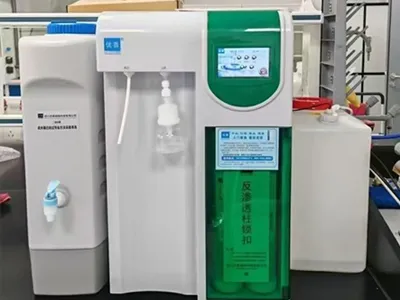
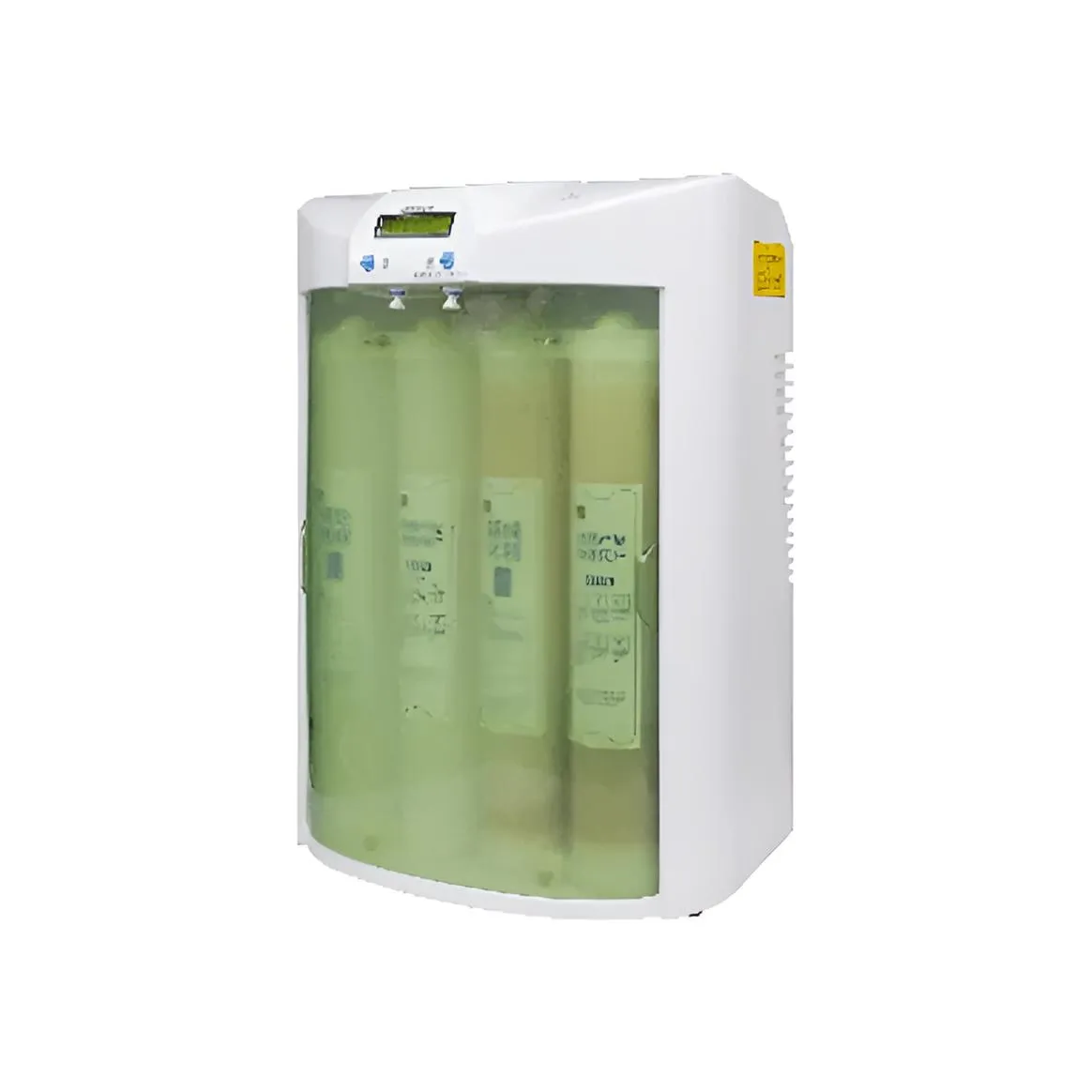
The advantages of using ultraviolet (UV) light to kill aquatic infectious bacteria have been widely recognized. In fact, industry was one of the earliest pioneers in using this technology. Today, almost all industries apply UV technology to water treatment systems, including the food and beverage industry, pharmaceutical industry, cosmetics industry, health product industry, manufacturing industry, and high-tech industries. Sterilization and disinfection are the main applications of UV technology in the water and wastewater treatment sectors. At the same time, industry also applies this technology to many other areas, including ozone removal, reduction of total organic carbon (TOC), liquid sugar disinfection, chlorine degradation, surface and air disinfection, and cooling tower disinfection. This article will provide a brief overview of some of the industrial applications of UV light. Sterilization
UV sterilization primarily utilizes ultraviolet light with a wavelength of 254 nanometers. Even at minute doses, this wavelength of UV light can damage the life-sustaining core of a cell—DNA—thus preventing cell regeneration. Losing the ability to regenerate renders bacteria harmless, thus achieving sterilization. Like all other ultraviolet (UV) application technologies, the size of such a system depends on the intensity of the UV radiation (the intensity and power of the irradiator) and the exposure time (the length of time that water, liquid, or air is exposed to UV radiation).