





Phone:
0086 28 87573647
+86 19150187139

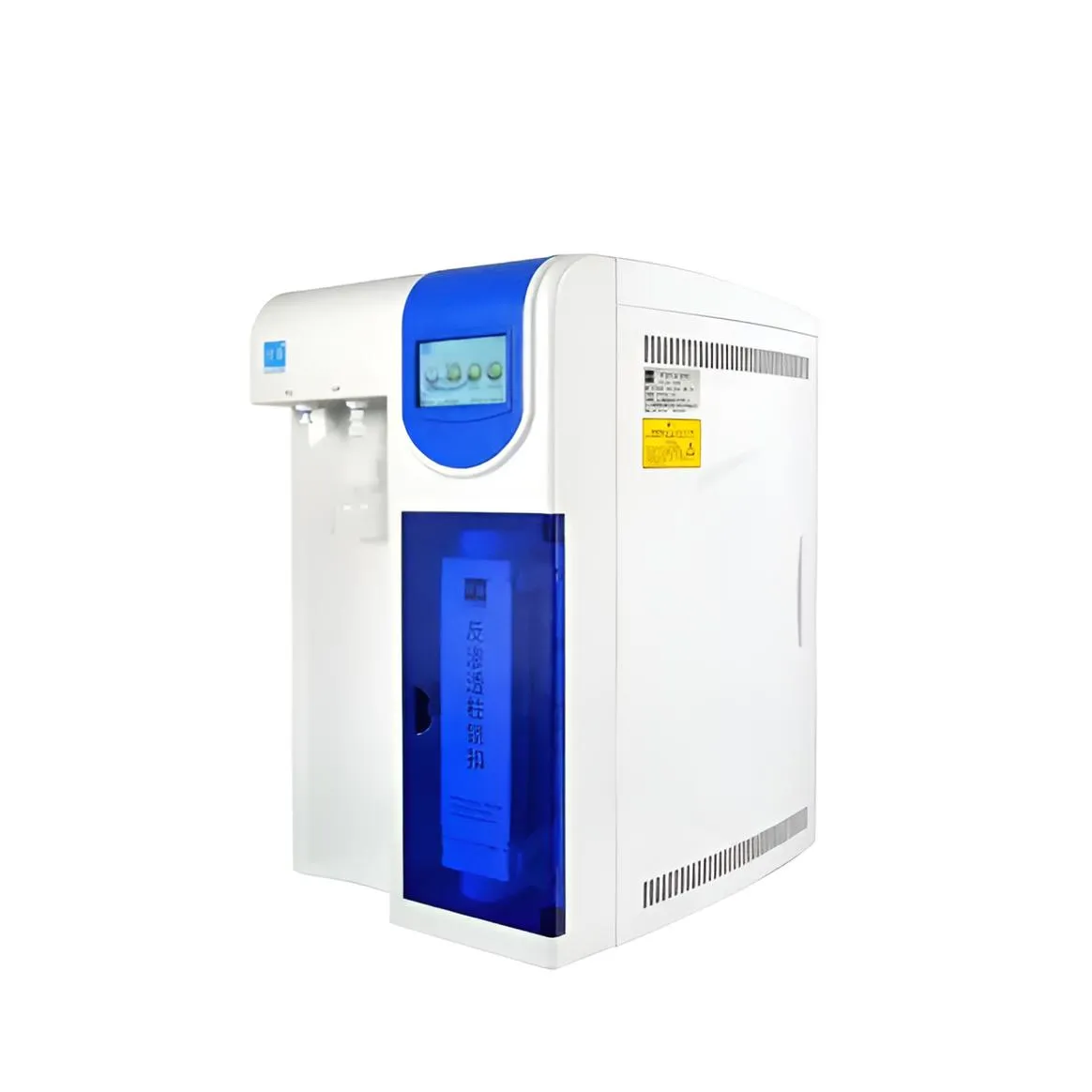
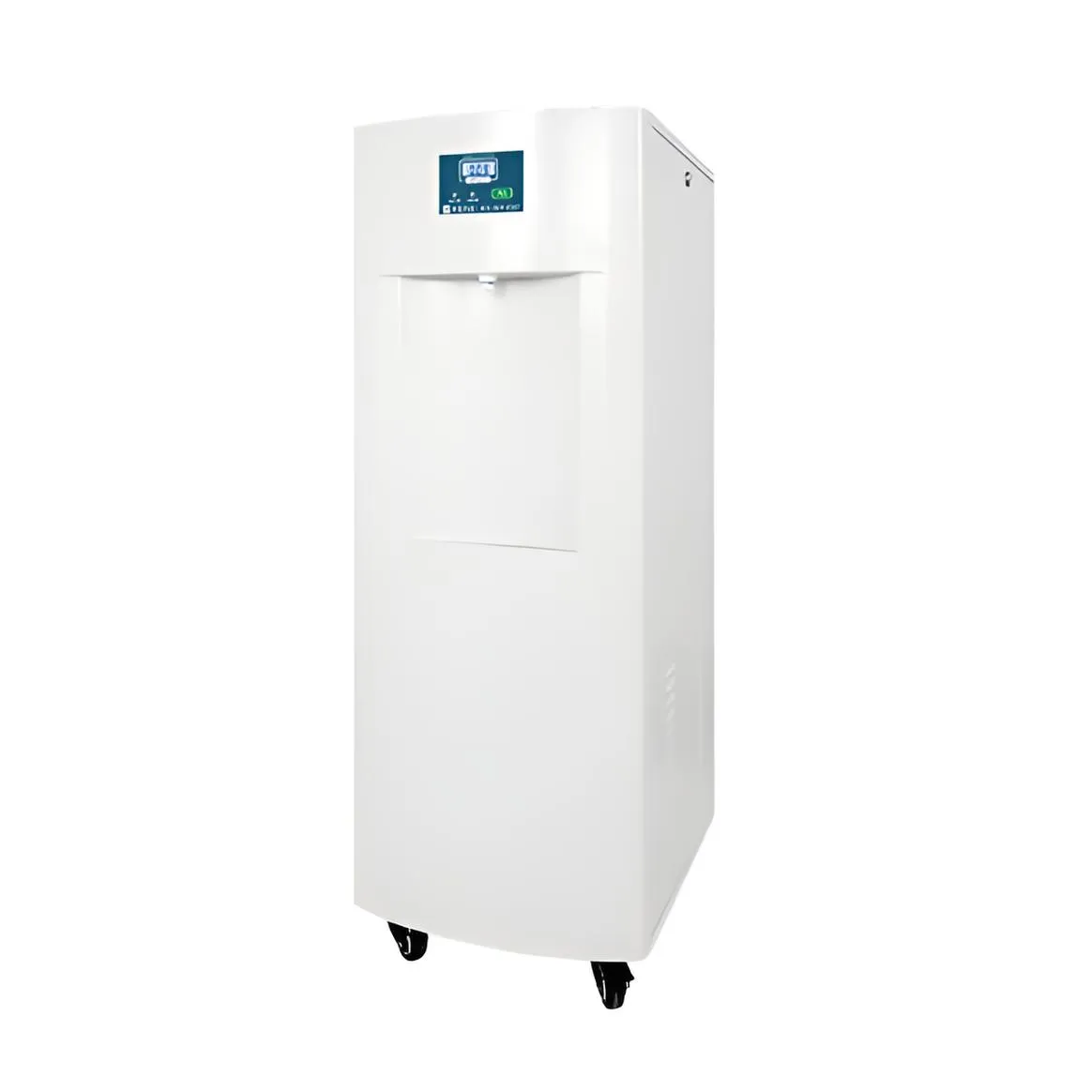
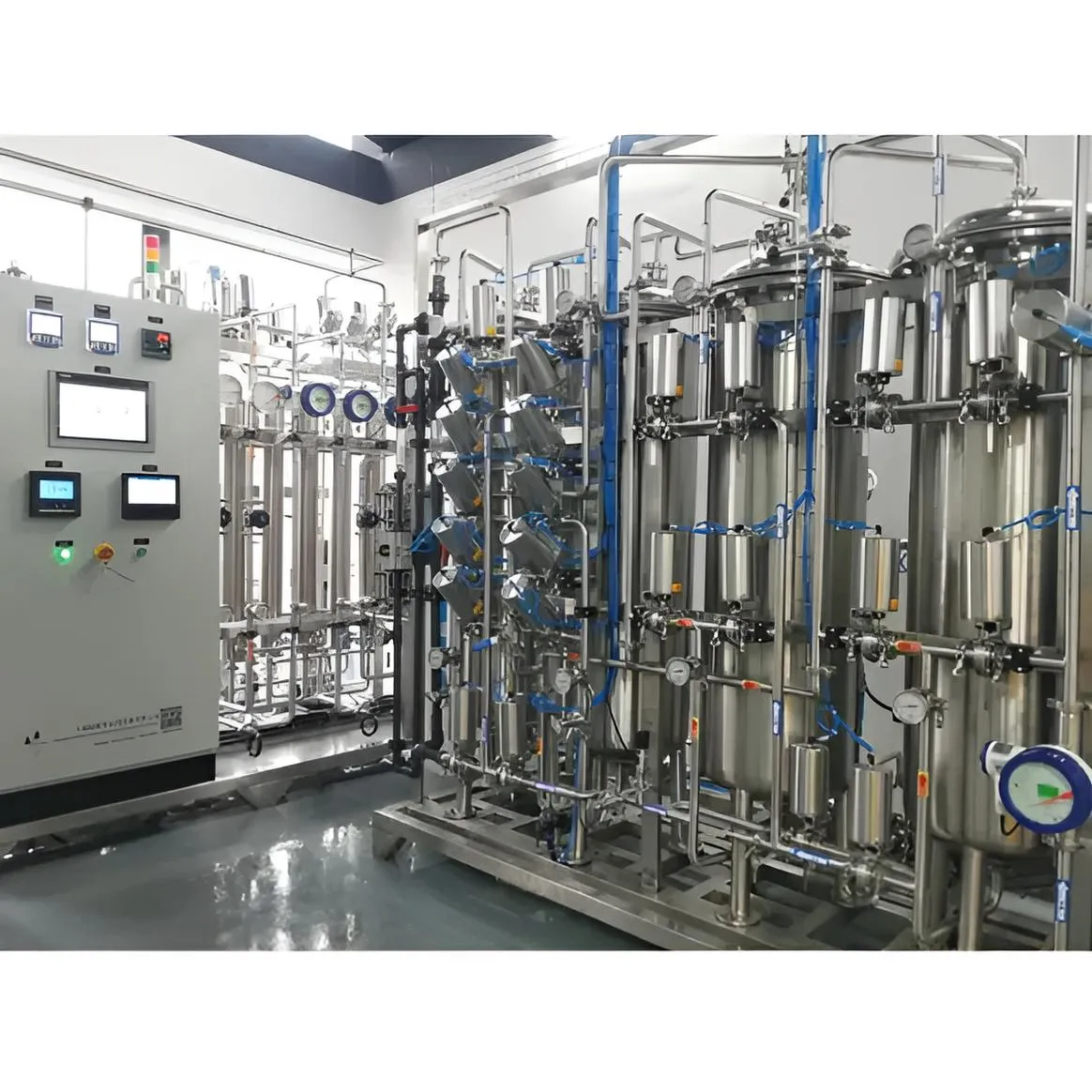
Recently, the ultrapure water system in the testing laboratory of our technical engineers has been working without any malfunctions. However, the laboratory staff reported that the pure water quality was unstable. After careful investigation, it was found that the problem was caused by improper water intake methods. UPU engineers would like to recommend and summarize the aspects that should be paid attention to when taking water from the ultrapure water system in the laboratory.
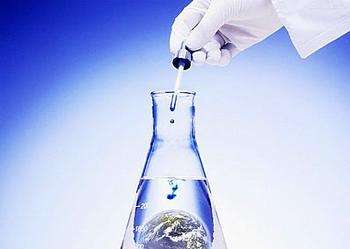
1. Correct selection of purified water sampling points
Purified water sampling must select a representative sampling point to provide a more accurate data basis for subsequent purified water testing; at the same time, purified water should be discharged from the sampling point for more than 15 seconds before sampling, and sampling can only be done after the water flow is stable. This avoids collecting purified water contaminated by the sampling point.
2. Cleanliness of purified water sampling container
For non-purified water testing requirements, different purified water equipment sampling container processing methods need to be used, such as:
a. Processing method for sampling bottles for cation and total silicon analysis: Soak three 500 mL bottles of pure water or hydrochloric acid bottles with a purity of superior purity or above in 1 mol of hydrochloric acid overnight, wash them with ultrapure water more than 10 times (shake vigorously with about 150 mL of pure water for 1 minute each time, discard them and repeat the cleaning), fill them with pure water, seal them tightly with bottle caps cleaned with pure water, and soak overnight.
b. Processing method for sampling bottles for anion and particle analysis: Soak three 500 mL bottles of pure water or H2O2 bottles containing superior purity or above in 1 mol NaOH solution overnight, and then clean them as in 1.)
c. Processing method for sampling bottles for bacterial and TOC analysis: 3 bottles of 50 mL-100 mL ground-mouth glass bottles were filled with potassium dichromate sulfuric acid washing solution and capped with acid and soaked overnight, then washed with ultrapure water more than 10 times (shake vigorously for 1 minute each time and then discarded and washed again), sealed tightly with bottle caps cleaned with pure water, and then placed in a high-pressure sterilizer for high-pressure steam sterilization for 30 minutes.
3. Correctness of purified water sampling method
a. For sampling bottles for anion, cation and particle analysis, before formal sampling, pour out the water in the bottle and re-clean it with ultrapure water more than 10 times, inject 350-400mL of ultrapure water at one time, and seal the bottle cap with pure water again. Seal tightly in a clean plastic bag.
b. Sampling bottles for bacterial and TOC analysis. During formal sampling, pour out the water in the bottle, immediately fill the sampling bottle with ultrapure water, seal it immediately with a sterilized bottle cap, and seal it tightly with a clean plastic bag.
Warm reminder:
Does purified water need to be left for a period of time after sampling?
Pure water sampling is to test whether the water quality of the water system meets the production standards. Therefore, the sooner the test is conducted after sampling, the closer it is to the production water quality, and the better it can reflect the production water quality data.





