

Phone:
0086 28 87573647
+86 19150187139
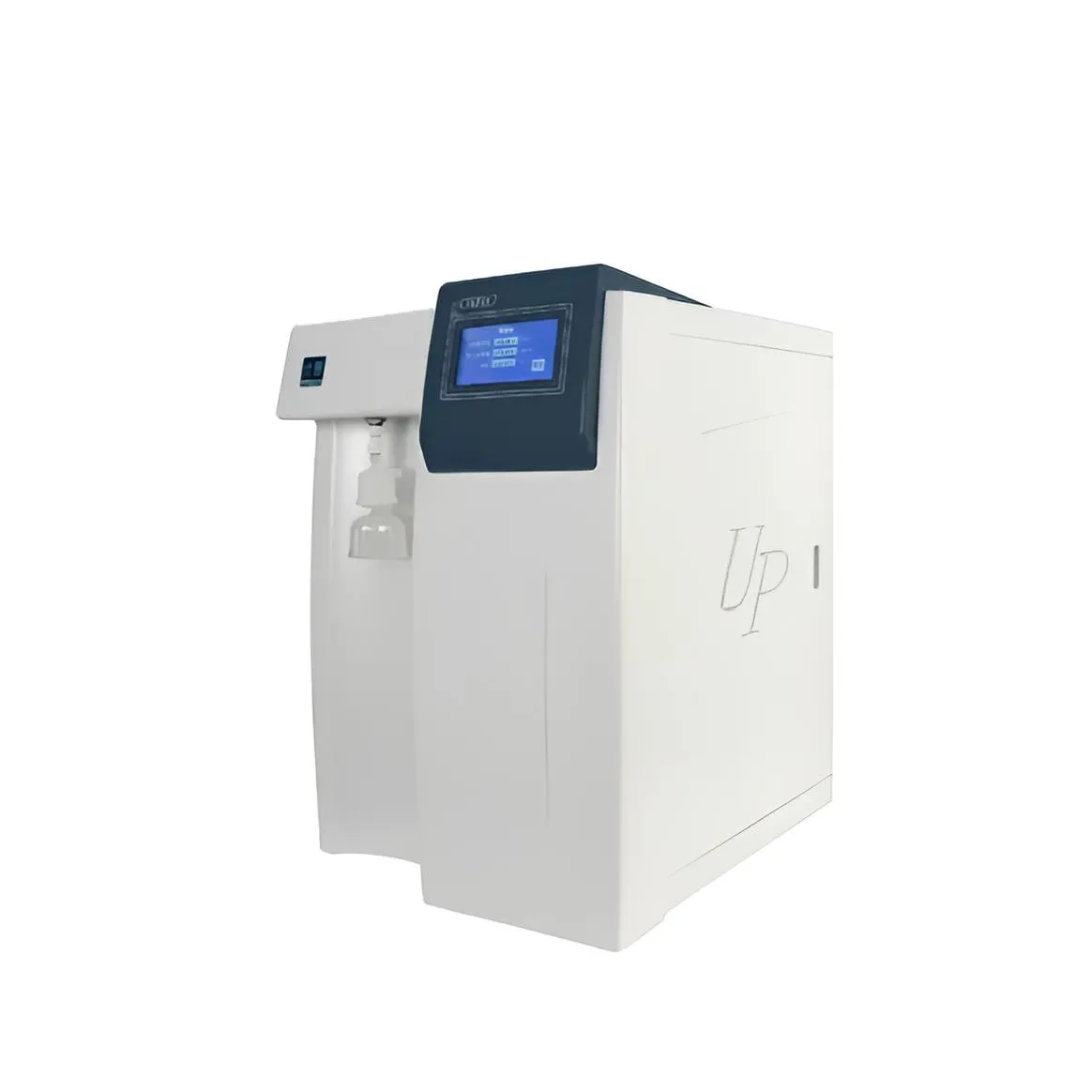
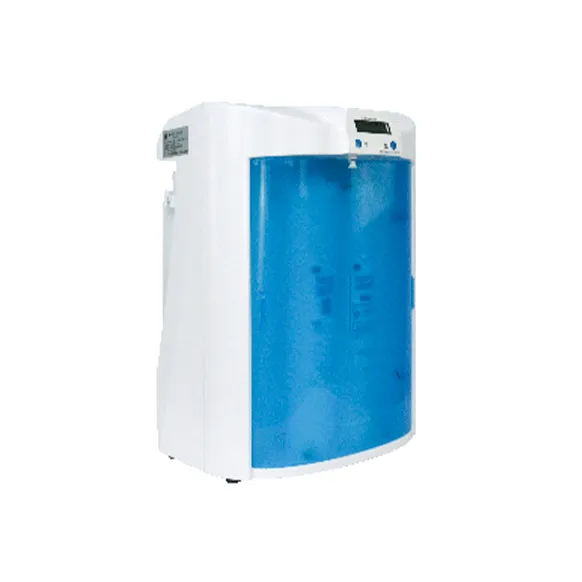
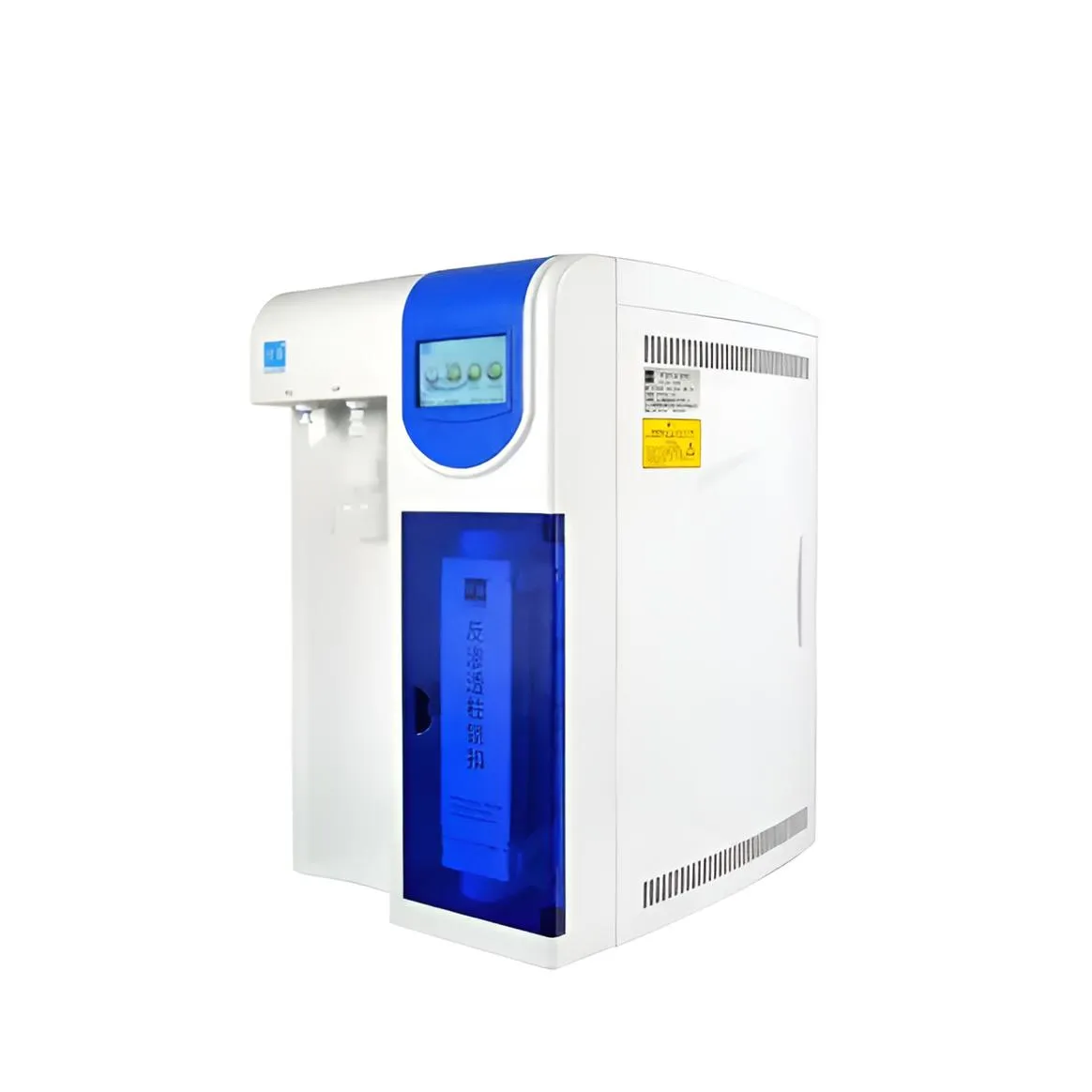
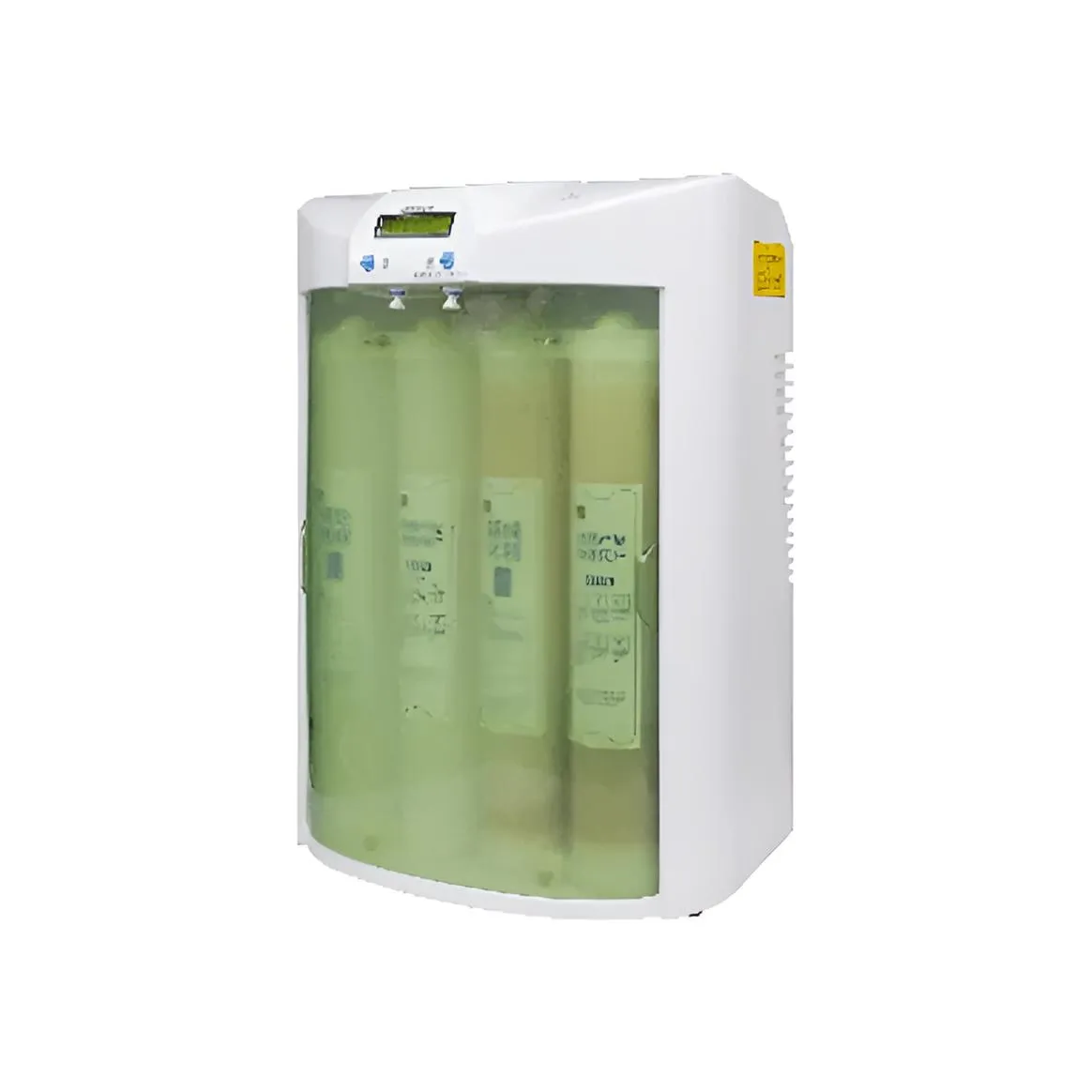
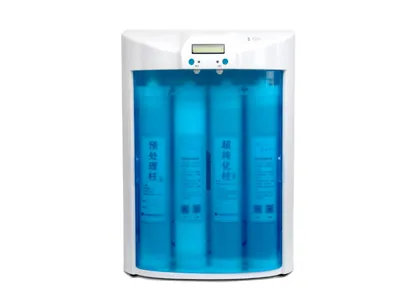
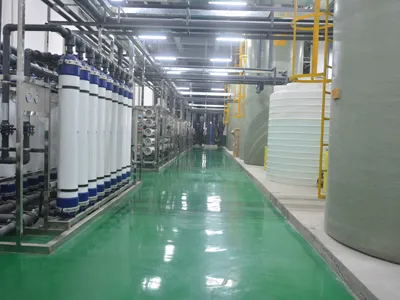
An ultrapure water system is a device that uses multi-stage filter cartridges to purify water. It primarily employs physical methods such as filtration, adsorption, and reverse osmosis without adding chemicals. This article introduces the principles of ultrapure water production and details the purification system:
How can you quickly and accurately understand the working principle of an ultrapure water system? There are three important aspects:
The principle of ultrapure water production:
The pretreatment of the ultrapure water system aims to ensure that the raw water meets the inlet requirements of the reverse osmosis membrane separation components, guaranteeing the stable operation of the reverse osmosis purification system. The reverse osmosis membrane system is theoretically the most economical and efficient purification method, removing over 98% of ions, organic matter, and 100% of microorganisms from the raw water in a single pass.
The post-purification system further removes trace ions, organic matter, and other impurities remaining in the reverse osmosis pure water through various integrated technologies to meet the final water quality requirements for different applications.
The purification system is mainly divided into a water pretreatment system, a reverse osmosis purification system, and a post-purification system.
I. Raw Water Pretreatment System of Ultrapure Water Equipment
The raw water pretreatment system of an ultrapure water system typically consists of a polypropylene fiber (PP) filter and an activated carbon (AC) filter. For raw water with high hardness, a softening resin filter is also required. PP filter cartridges can efficiently remove mechanical particulate impurities larger than 5μm, rust, and large colloidal contaminants from the raw water, protecting subsequent filters. They are characterized by high dirt-holding capacity and low price. AC activated carbon filter cartridges can efficiently adsorb residual chlorine and some organic matter and colloids from the raw water, protecting the polyamide reverse osmosis composite membrane from oxidation by residual chlorine. The softening resin in the ultrapure water equipment can remove most of the calcium and magnesium ions from the raw water, preventing scaling and clogging on the surface of the subsequent RO membrane and improving water recovery rate.
II. Reverse Osmosis Purification System of Ultrapure Water Equipment
Reverse osmosis (RO) is a high-tech membrane separation technology driven by pressure difference, characterized by high single-pass separation, no phase change, simplicity, and high efficiency. Reverse osmosis membranes have pore sizes as small as nanometers (1nm = 10⁻⁹m), making any surface "filtration" pores invisible under a scanning electron microscope. At operating pressures higher than the osmotic pressure of the raw water, water molecules can reverse osmosis through the RO semi-permeable membrane to produce pure water, while a large number of inorganic ions, organic matter, colloids, microorganisms, pyrogens, etc., in the raw water are retained by the RO membrane.
Typically, when the raw water conductivity is <200μS/cm, the conductivity of primary RO pure water is ≤5μS/cm, meeting the laboratory grade III water standard. For areas with high raw water conductivity, to save on subsequent mixed-bed ion exchange resin replacement costs and improve pure water quality, customers can consider choosing a secondary reverse osmosis purification system. The conductivity of secondary RO pure water is approximately 1~5μS/cm, depending on the raw water quality.
III. Post-treatment Ultrapurification System for Ultrapure Water Equipment
Ion Exchange Purification Column: Ion exchange resin uses H+ ions to filter out cations in the feed water and OH- ions to filter out anions. The H+ and OH- ions exchanged in the resin combine to form H2O.
Pyrogen Removal Ultrafiltration Membrane: Ultrafiltration membranes have pore sizes between reverse osmosis and microfiltration (approximately 0.01-0.1 μm), capable of filtering out fine colloids, microorganisms, and pyrogens within their rated molecular weight cutoff range. The molecular weight cutoff of pyrogen removal ultrafiltration membranes must be at least 5000 Daltons.
Dual-wavelength UV digester: Simultaneously generates ultraviolet light at wavelengths of 185nm and 254nm. The 254nm UV light destroys bacterial cells, causing their death, while the 185nm UV light generates hydroxyl groups in the water, rapidly oxidizing and decomposing residual organic matter into CO2 and H2O. Terminal microfilter: Essentially a 0.22μm microporous membrane filter, placed at the final effluent of the ultrapure water system to filter out residual resin debris and microorganisms in the ultrapure water.