






Phone:
0086 28 87573647
+86 19150187139

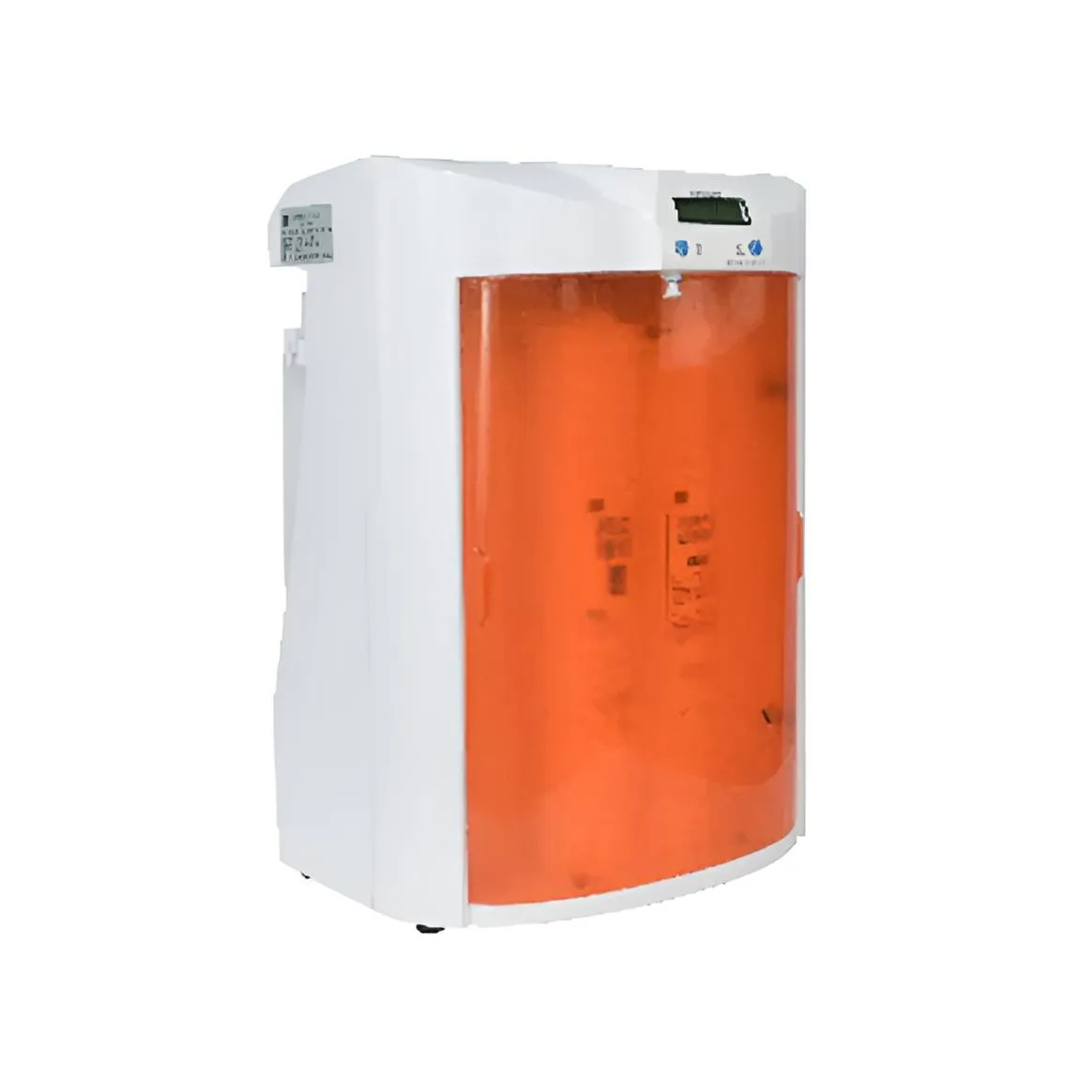
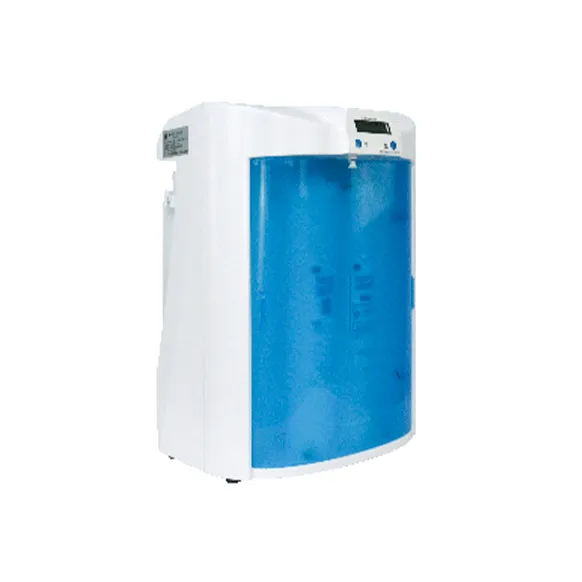
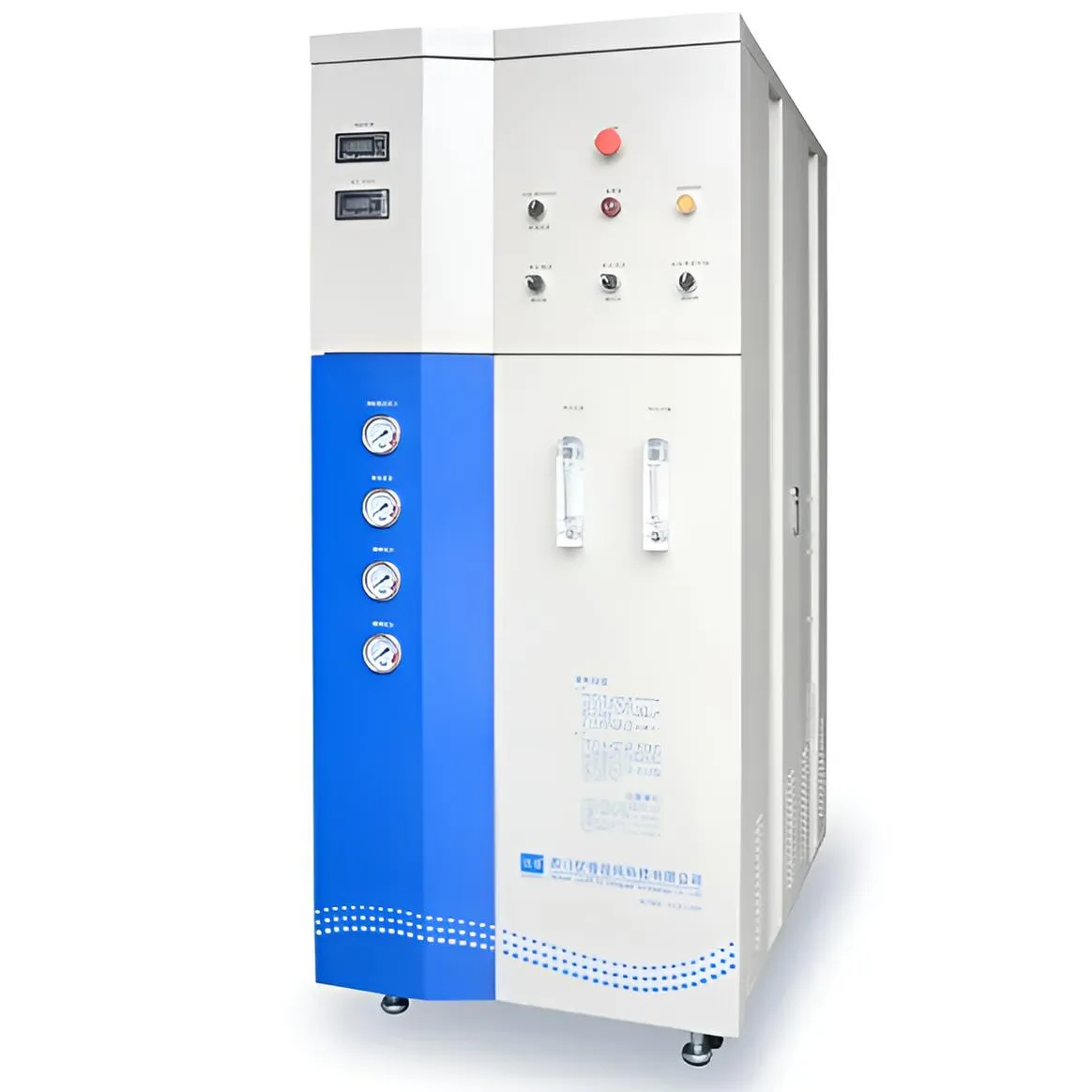
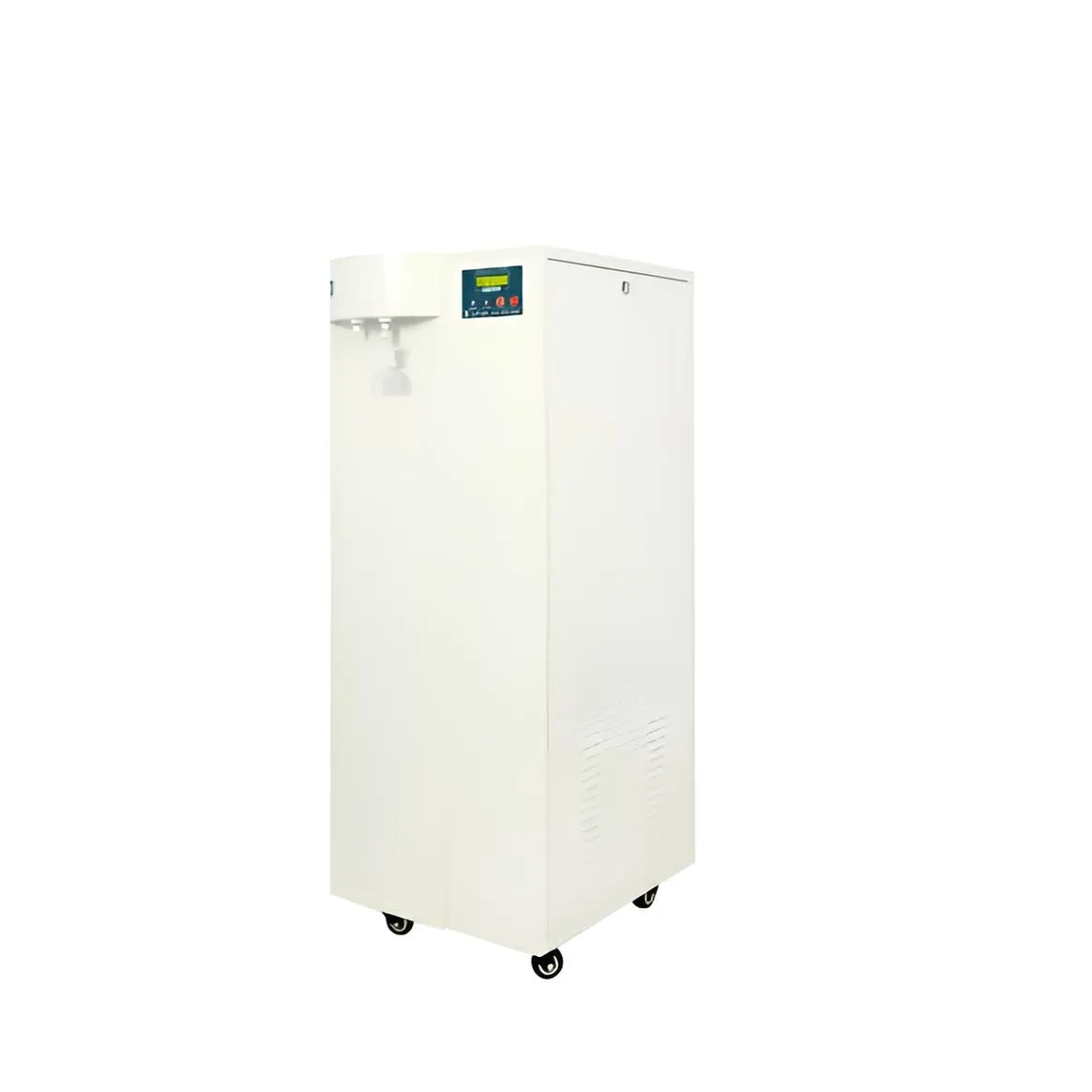
Modern society has extremely stringent requirements for pharmaceutical manufacturing, and only purified water equipment can meet these needs. Below is an introduction to some functions of pharmaceutical purified water equipment.
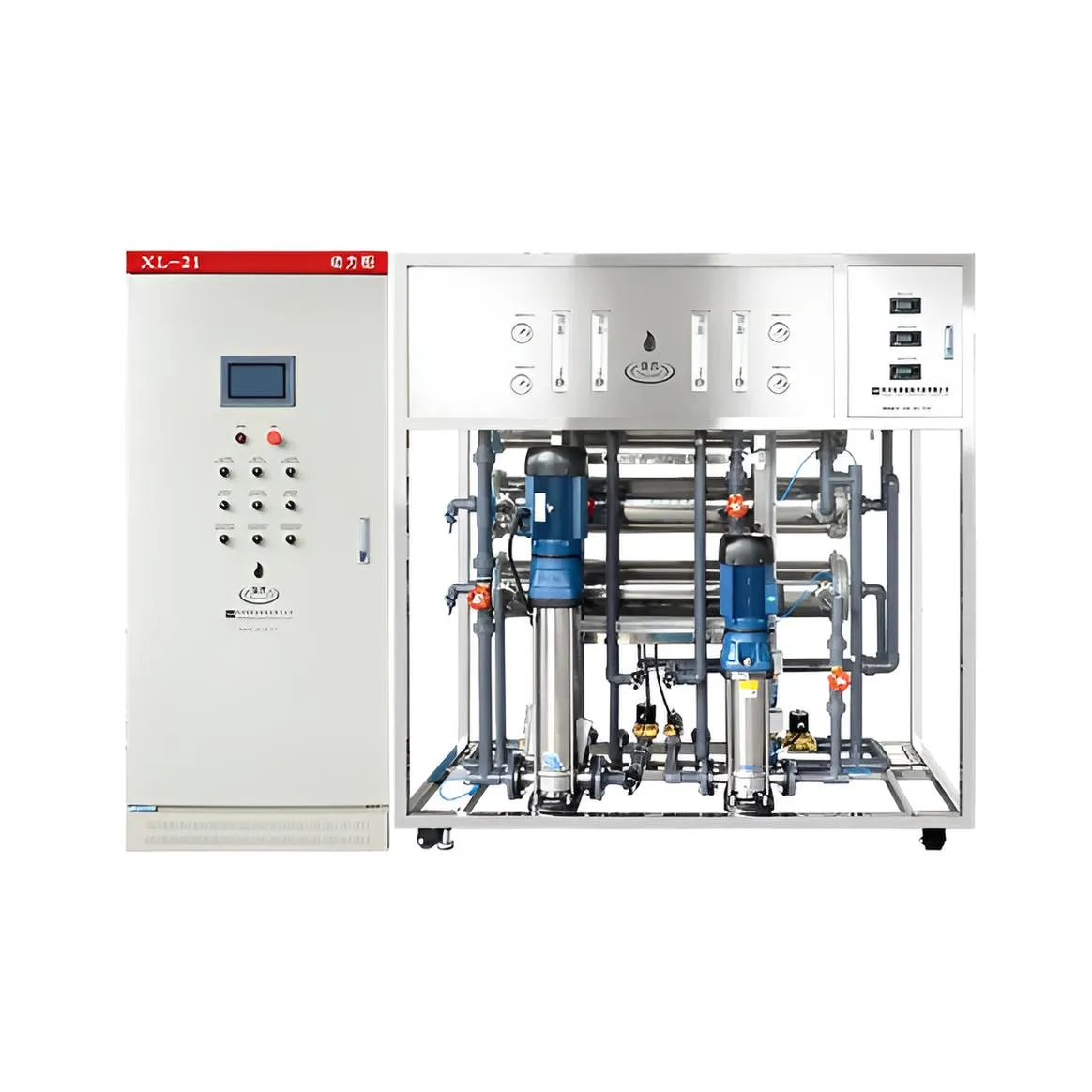
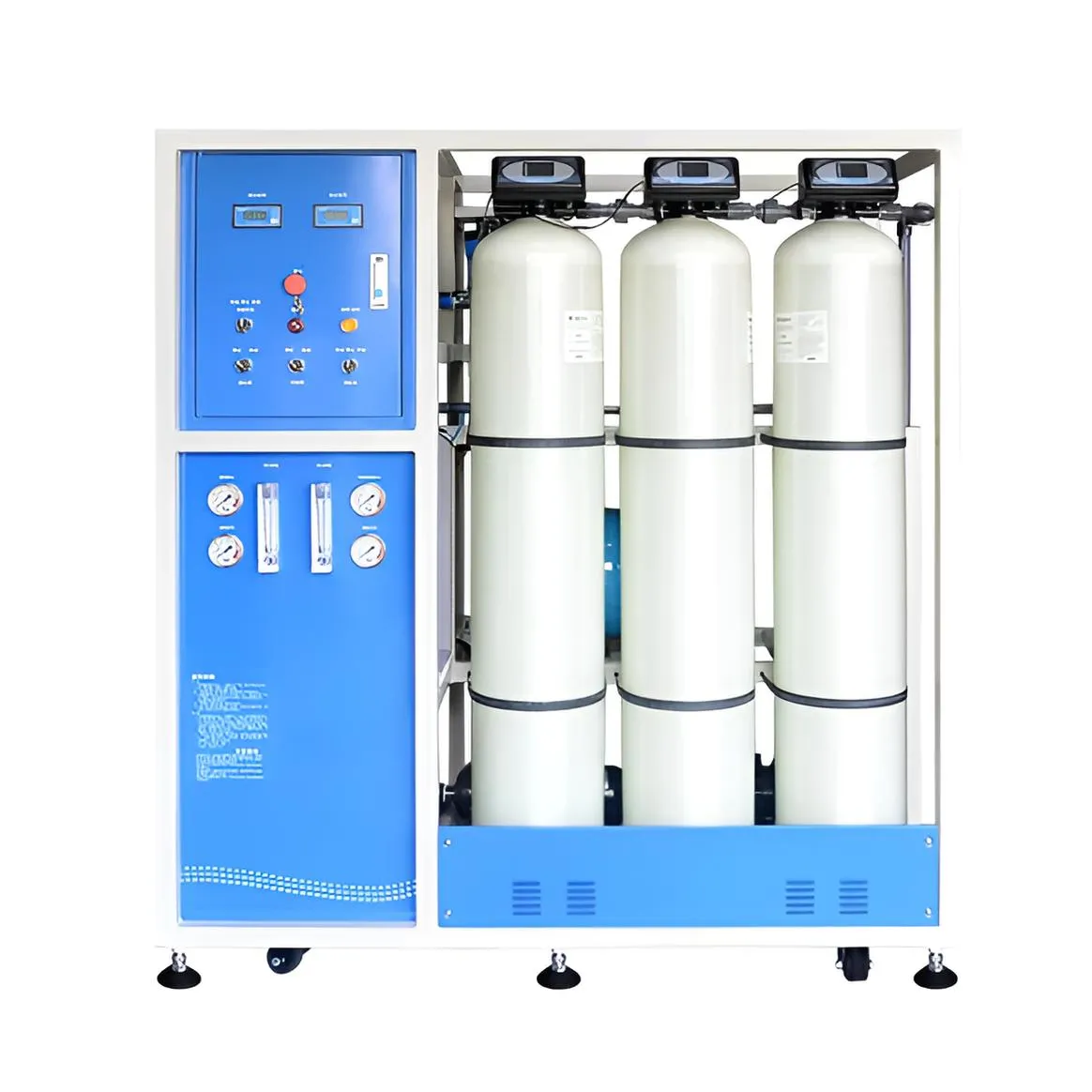
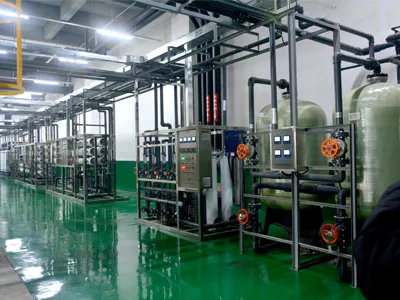
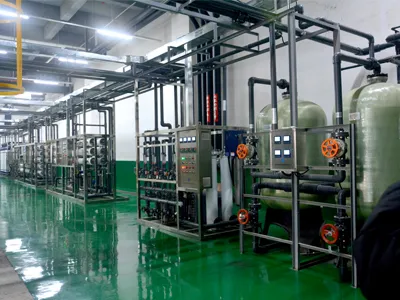
Pharmaceutical purified water equipment follows a modular design concept, based on functional units such as pretreatment, oxidation disinfection, multi-media filtration, RO reverse osmosis, UV disinfection, EDI continuous deionization, and storage and external delivery. During the design, manufacturing, and commissioning processes, Prominent's advanced technology, sophisticated processes, and strict quality control are implemented in every functional unit. The final water production unit is optimized and combined according to different water standards, thereby ensuring the high performance and high quality of the entire system, ensuring that the produced water fully meets or exceeds the water quality standards for purified water and water for injection.
The pharmaceutical purified water equipment process consists of modular water treatment equipment, cleaning and produced water storage equipment, distribution pumps, and piping networks. The following description focuses on the equipment within the water treatment system.
The pretreatment system typically includes a quartz sand filter, an electronic water processor, a full-process water processor, a hydrocyclone sand separator, and an activated carbon filter. A softener may also be used if necessary. Each device can automatically perform ozone backwashing and automatic discharge. Auxiliary equipment includes an automatic dosing system and an ozone generation and dosing system. Its main function is to ensure a stable and qualified feed water quality for the secondary RO system under different influent conditions.
The secondary RO system mainly includes a high-pressure pump and a reverse osmosis membrane stack system. After passing through the pretreatment system, the water to be treated enters the filter before entering the RO membrane via the high-pressure pump. This further treats the water, preventing particles larger than 5 microns from entering subsequent units, ensuring a stable and safe feed water for the subsequent RO system, thus protecting the high-pressure pump and membrane. The inlet of the primary and secondary high-pressure pump systems uses low-pressure protection, and the outlet uses high-pressure protection. The high-pressure pump uses a high-efficiency centrifugal water pump. The RO membrane system has a desalination rate >= 99.0%. Primary and secondary reverse osmosis pure water flushing systems and chemical cleaning systems.
Primary and secondary membrane stacks are equipped with flushing and chemical cleaning systems: First, fill the cleaning water tank with purified water to the predetermined water level. During the operation of the membrane system, high concentrations of sparingly soluble salts and other trapped impurities will form a concentration layer on the membrane surface. Under normal operating conditions, due to the continuous flushing of concentrated brine, it can flow out of the membrane surface and be discharged before precipitation or scaling occurs. When the system fails and shuts down or is in operation, in order to prevent precipitation from forming on the membrane surface, the concentrated brine in the membrane and stainless steel pipes should be automatically flushed with product water in a timely manner to displace the concentrated brine, so that the membrane and pipes are completely immersed in product water to prevent membrane damage caused by natural osmosis; flushing can also remove some dirt, forming effective maintenance for the membrane and equipment.
When the performance of the system deteriorates significantly and cannot be restored or approached by flushing, chemical cleaning must be carried out under computer control according to the appropriate chemical agent formula and corresponding operating procedures.
(1) Made of stainless steel, with the inner wall electropolished and passivated.
(2) A 0.2μm hydrophobic ventilator (breather) is installed on the water storage tank, and it can be disinfected with ozone water.
(3) It can withstand disinfection by high-temperature steam at at least 121℃.
(4) The drain valve is a stainless steel diaphragm valve.
Pharmaceutical purified water equipment must be equipped with sterilization and disinfection devices to ensure that the effluent is sterile and non-toxic, and to guarantee the quality of pharmaceutical products during the manufacturing process.





