


Phone:
0086 28 87573647
+86 19150187139

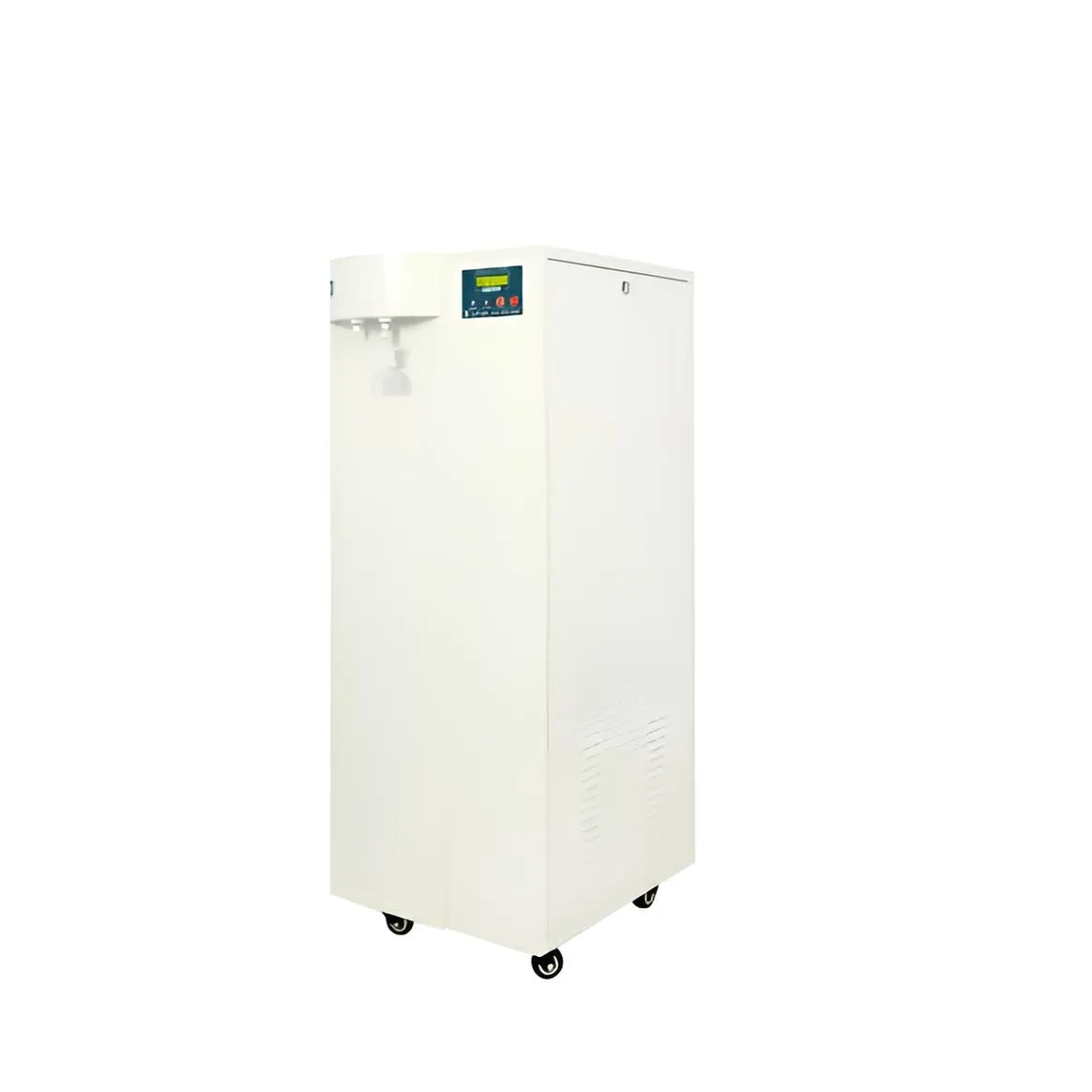
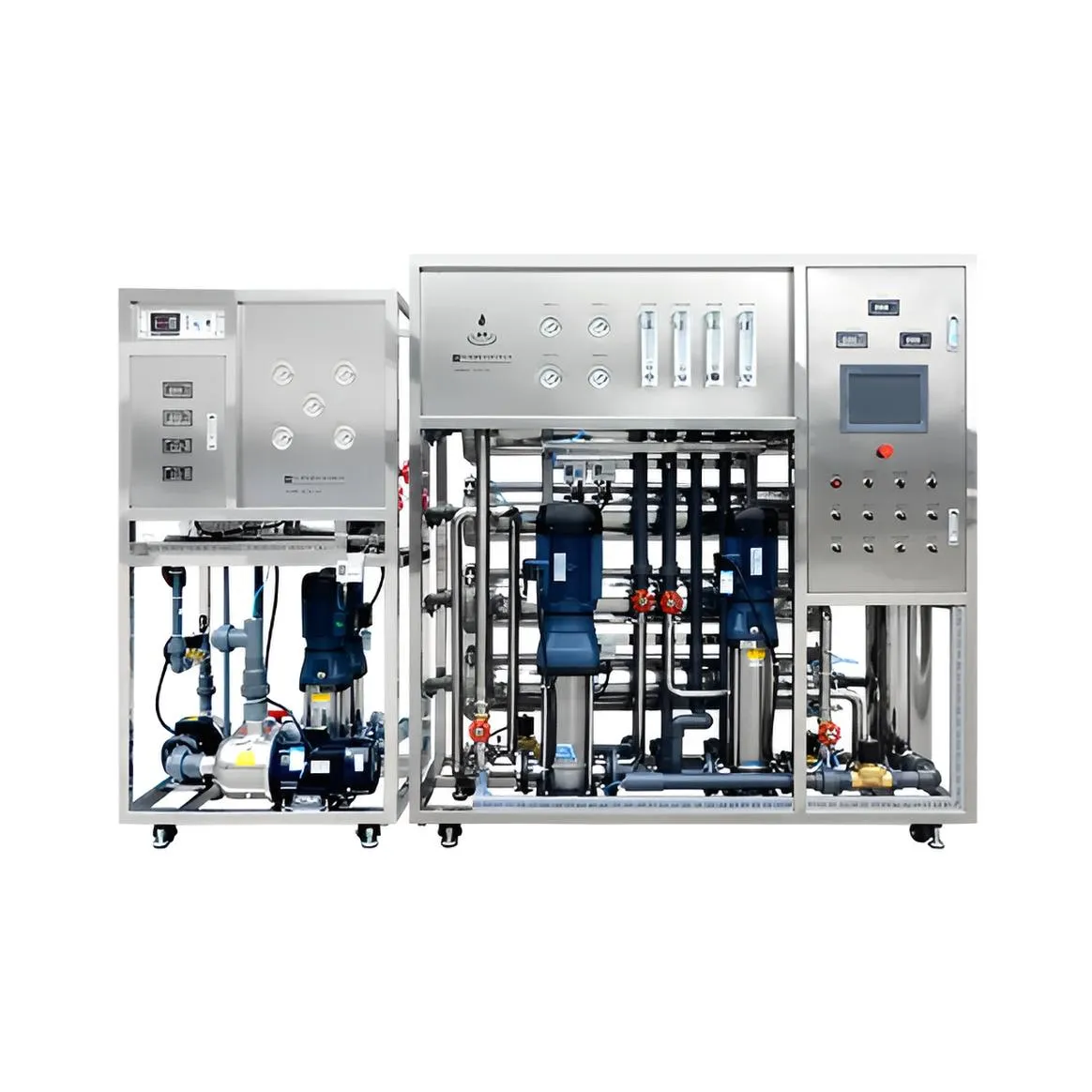
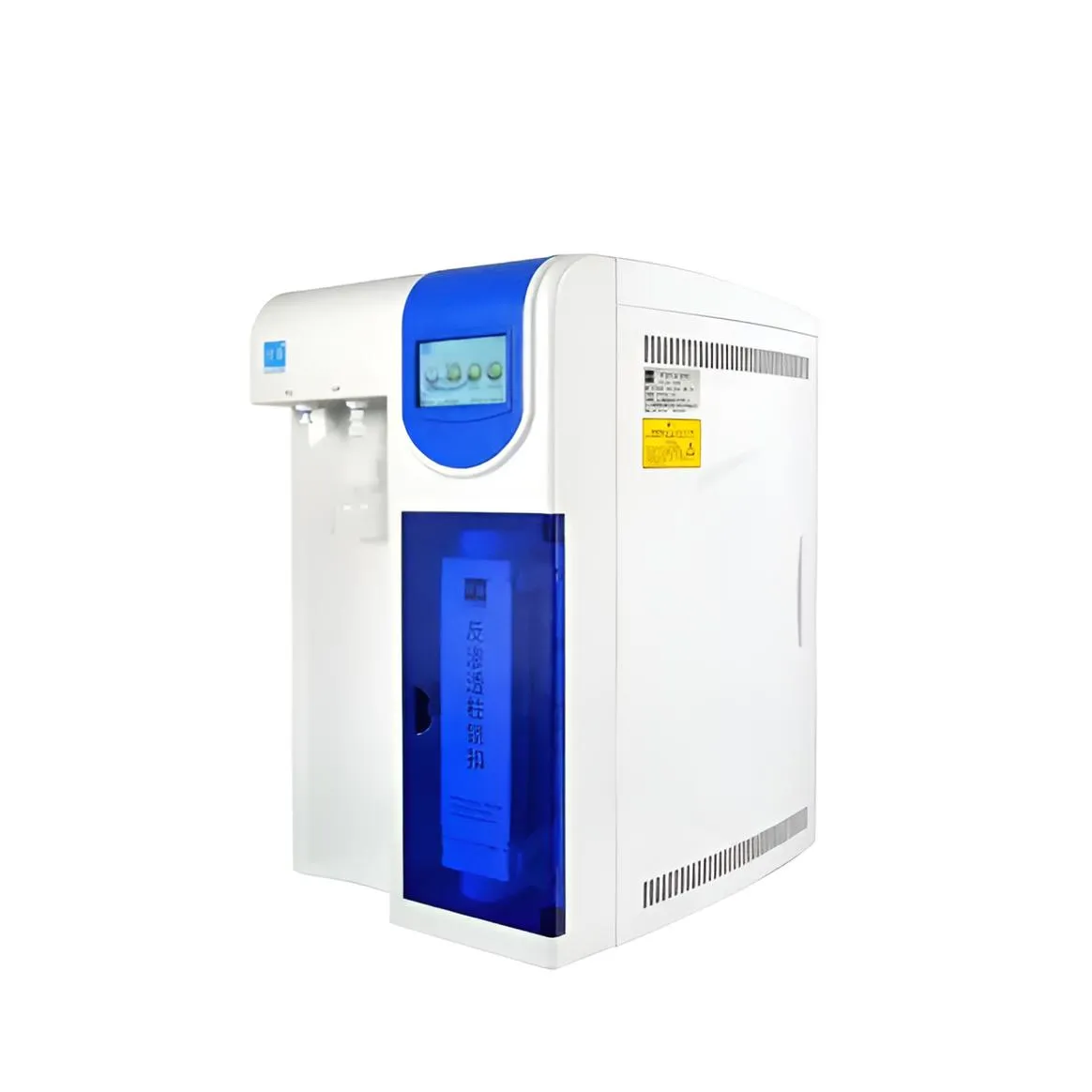
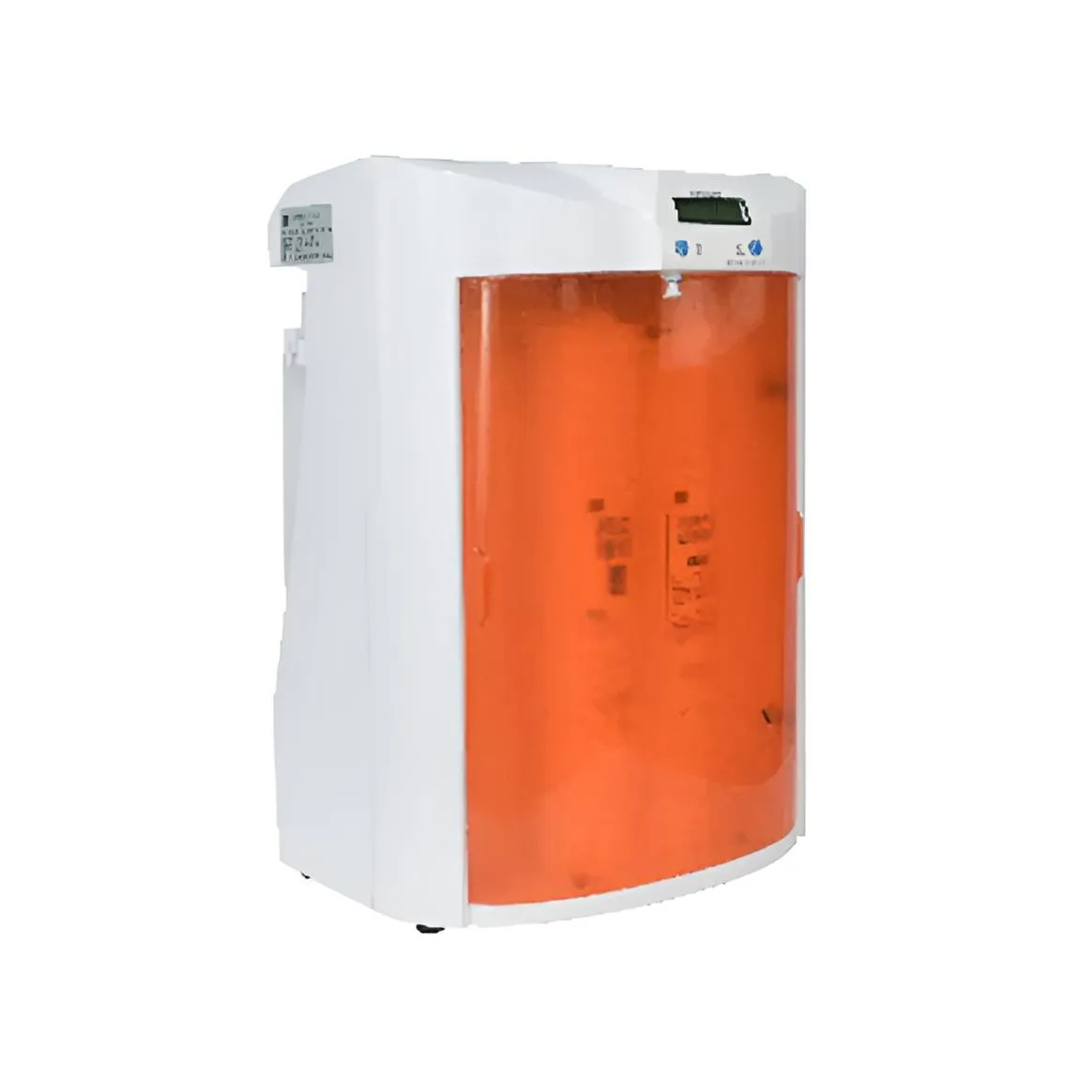
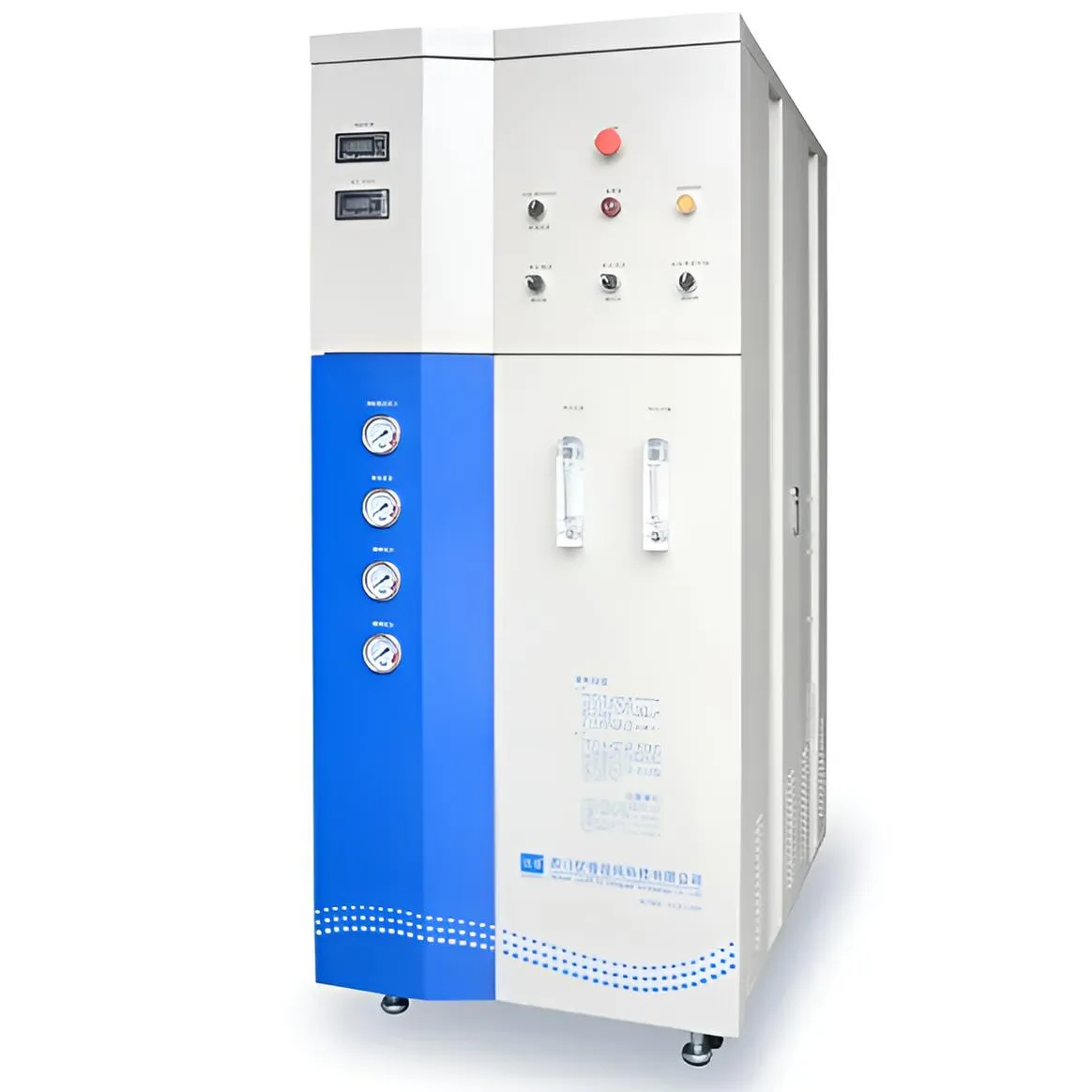
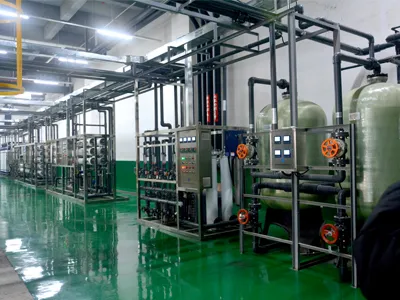
With scientific advancements and human development, people's awareness and living standards have improved significantly. Many laboratories now require reagents and testing environments with impurities at the ppb level, and some tests even at the ppt level. Laboratory ultrapure water systems are commonly used in scientific laboratories, meeting the technical requirements for purified water. These systems can almost completely remove conductive media from water, and also remove non-dissociated colloidal substances, gases, and organic matter to very low levels. Therefore, laboratory ultrapure water systems are an indispensable piece of equipment in every laboratory.
Main uses of ultrapure water produced by a laboratory ultrapure water system:
Pure water for hydrogen generators, indoor humidifiers, and autoclaves.
Water for buffer solutions and chemical reagent preparation.
Water for microbial culture medium preparation.
Final cleaning of laboratory glassware.
Drinking water for humans or laboratory animals, etc.
Main uses of ultrapure water produced by a laboratory ultrapure water system:
Purified and high-purity water for hospitals, pharmaceutical preparation rooms, and central laboratories.
Water for various medical biochemical analyzers, analytical instruments, and hemodialysis machines.
Water for various high-performance liquid chromatography and ion chromatography.
Other various laboratory and pharmaceutical water.
Water for preparing and diluting analytical reagents and drugs.
Water for physiological, pathological, and toxicological experiments.
Water for animal and plant cell culture.
Water for atomic absorption spectrometry.
Water for in vitro fertilization.
Laboratory ultrapure water systems can thoroughly remove common impurities from natural water, including microorganisms, particulate matter, soluble gases, soluble inorganic substances, and organic matter. Although there are many water purification processes available, commonly used methods include reverse osmosis, filtration, adsorption, distillation, ion exchange, and ultraviolet oxidation. Laboratory ultrapure water systems are perfectly suited for various laboratory experiments and testing.