





Phone:
0086 28 87573647
+86 19150187139

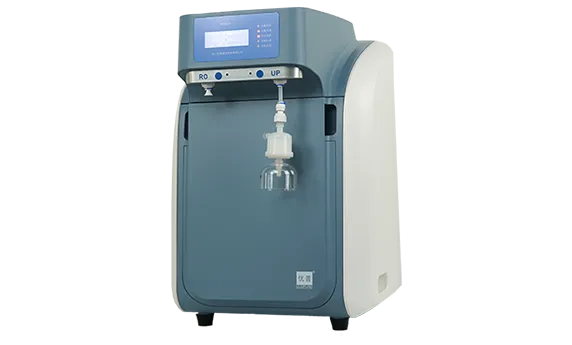
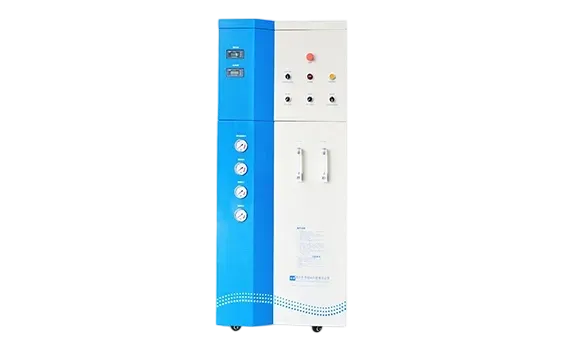
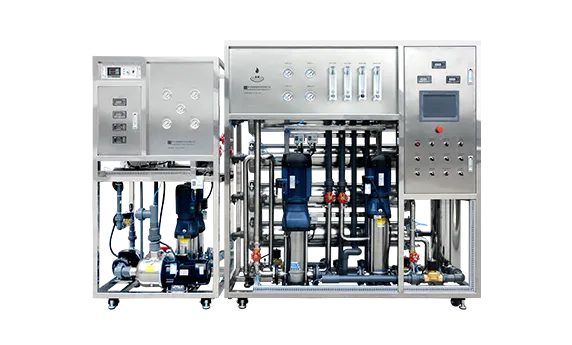
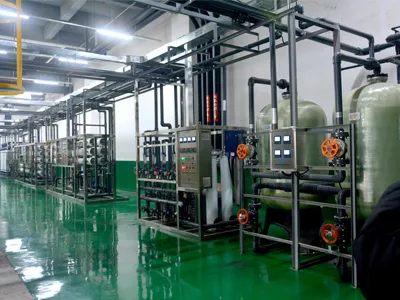
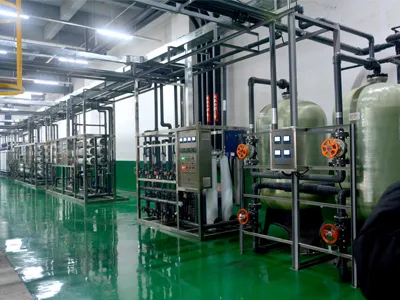
Ultrapure water equipment removes impurities from water during the purification process, resulting in highly pure water. However, this also makes ultrapure water susceptible to contamination. Therefore, how do we ensure water quality when using ultrapure water equipment? Let's analyze this today.
Ultrapure water equipment has very strict storage requirements and cannot come into contact with air. Otherwise, it will react with air and become contaminated. Because the produced ultrapure water is so pure, contact with air will compromise its quality. Specifically, we need to pay attention to the following two main points:
I. Water Collection
1. When collecting ultrapure water, always discard the initial batch to obtain stable water quality.
2. When collecting water, allow it to flow along the side of the container, minimizing the formation of air bubbles to reduce air contamination.
3. Do not place the storage tank in direct sunlight, as this will increase the water temperature and promote microbial growth. Semi-transparent storage tanks, in particular, are prone to algae growth due to sunlight penetration.
4. When collecting ultrapure water, always discard the initial batch to obtain stable water quality.
II. Precautions for Equipment Not Being Used for Extended Periods
1. Ultrapure water equipment filters out various types of impurities at each stage. For example, if the primary filtration stage in pretreatment is not used for a long time, bacteria and microorganisms will proliferate on the surface of the filter cartridges. Over time, when the instrument is run again, these contaminants will inevitably be carried into other filters within the instrument. Although reverse osmosis membranes can remove over 90% of impurities, a small portion will still enter the next stage.
2. Ion exchange resins can also become contaminated by microorganisms if the instrument is not used for a long time. The resin becomes a culture medium for microorganisms. When ultrapure water is used, contaminated impurities will inevitably flow out, resulting in ultrapure water that does not meet analytical testing requirements, interfering with experimental data and causing unnecessary trouble for customers.
This concludes the introduction on how to ensure the water quality of ultrapure water equipment remains consistent. Maintaining consistent ultrapure water quality is crucial during the use of ultrapure water equipment. Ultrapure water equipment has been widely used in the water treatment industry in recent years and has received consistent praise from various sectors.