







Phone:
0086 28 87573647
+86 19150187139

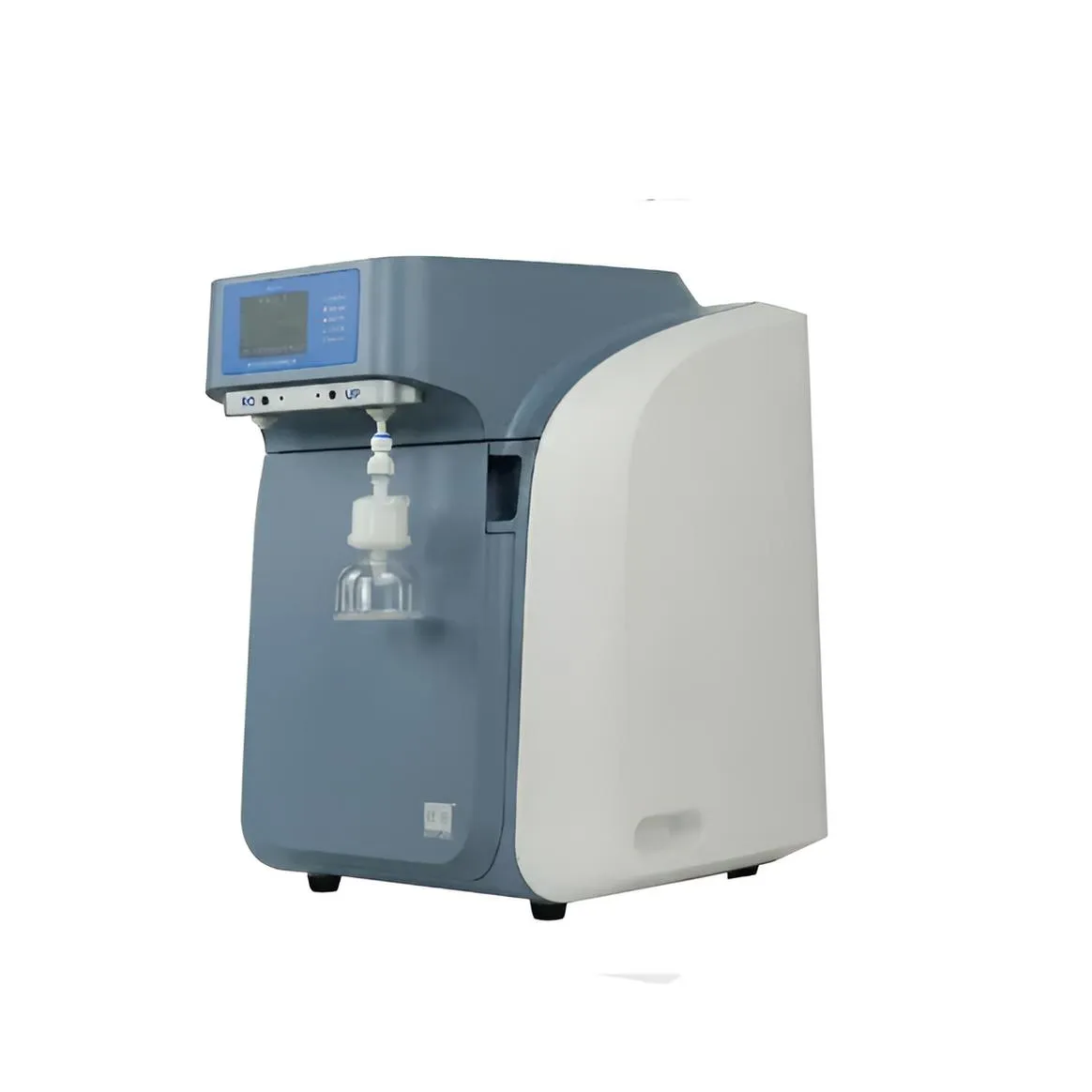
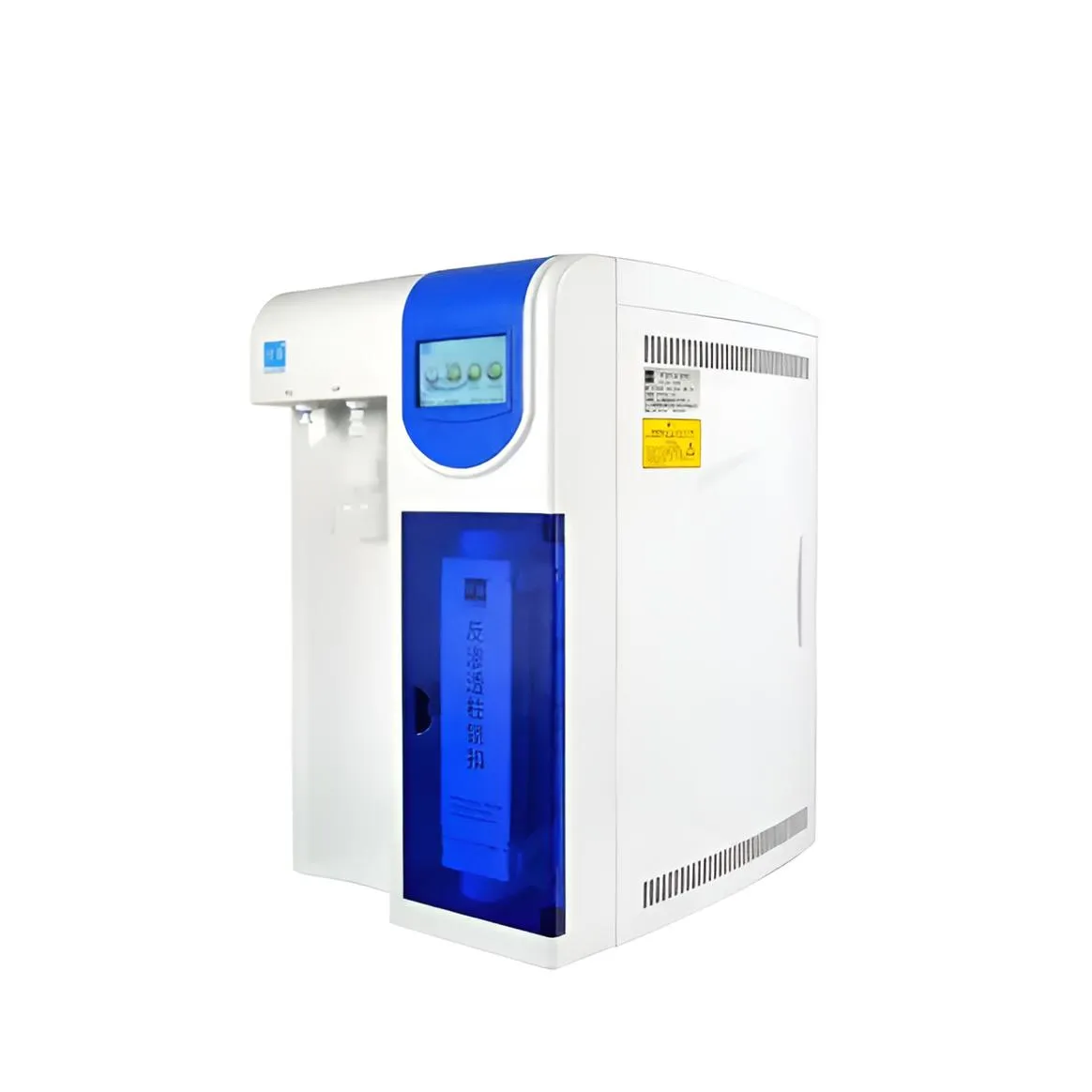
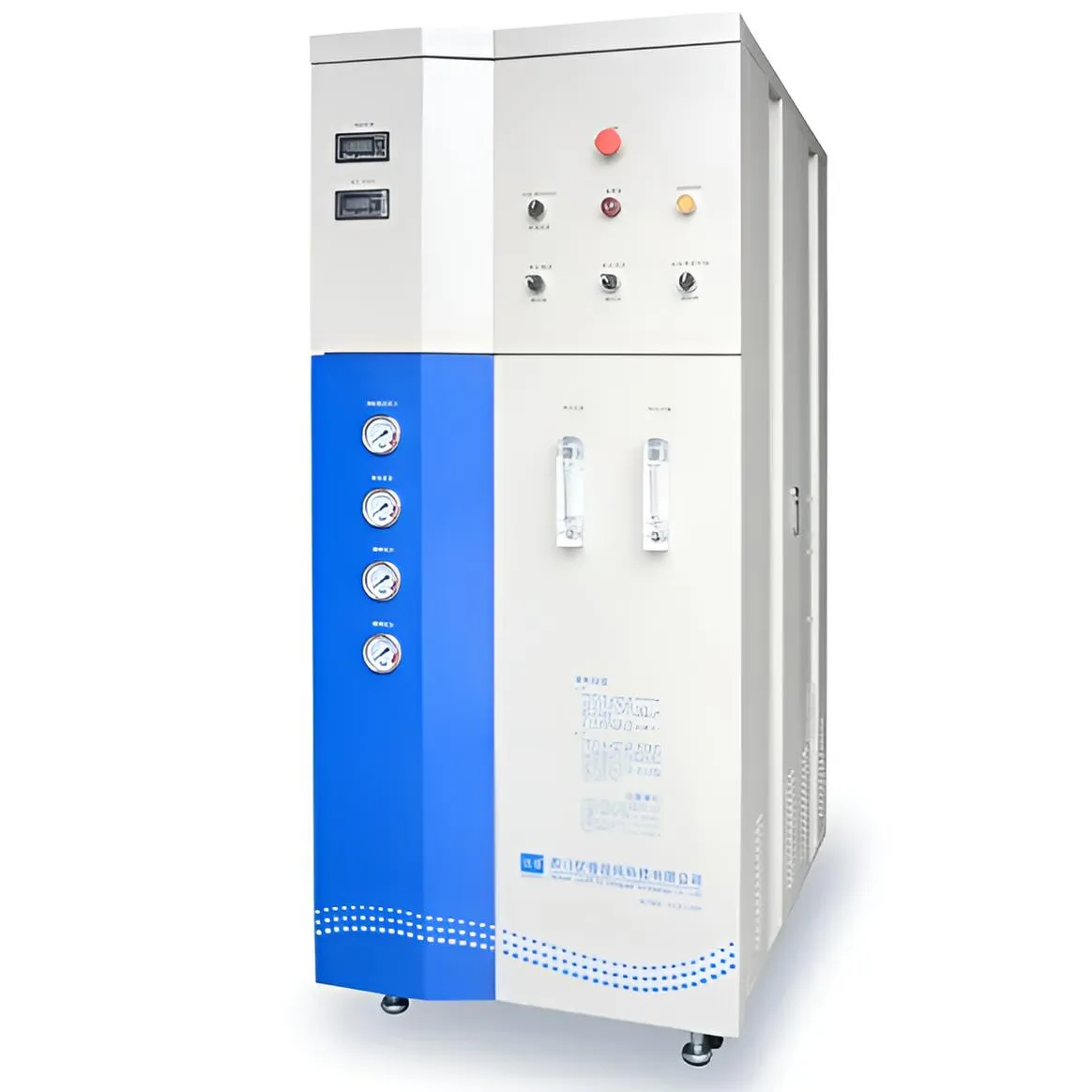
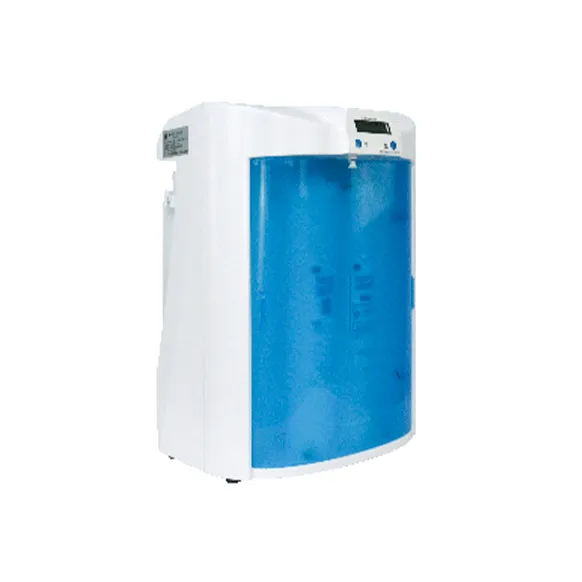
Water is a crucial yet often overlooked reagent in the laboratory. In fully automated biochemical analyzers, pure water serves as a carrier or medium for biochemical reactions, a diluent and solvent for samples or reagents, a cleaning solution for the instrument, and a reagent involved in the reaction throughout the entire testing process. The quality of its purification directly affects the reliability of the test results.
I. Impurities in Substandard Pure Water
Substandard pure water quality signifies a failure in the pure water system's purification process. This can occur at any step, including raw water pretreatment, reverse osmosis, ion exchange, and pure water storage. Regardless of which step fails, the impurities originate from contaminants in the tap water and the water channels of the water purifier, primarily including:
① Ions, commonly including cations such as H+, Na+, K+, NH4+, Mg2+, Ca2+, Fe3+, Cu2+, Mn2+, Zn2+, and Al3+, and anions such as F-, Cl-, NO3-, HCO3-, SO42-, PO43-, H2PO4-, and HSiO3-;
② Organic matter, such as pesticides, hydrocarbons, alcohols, and esters;
③ Particulate matter, such as rust and sediment in tap water pipes;
④ Microorganisms;
⑤ Dissolved gases (N2, O2, Cl2, H2S, CO, CO2, CH4, etc.).
II. The Influence of Different Impurity Components on Biochemical Analyzers and Detection Results
1. The Influence of High Ion Content:
① The most direct impact is on the increase in the measurement results of the same ions in serum (plasma), such as Mg2+, Ca2+, Fe3+, Cu2+, Zn2+, etc., and it also affects the calibration of these items;
② Since many metal ions are coenzyme factors of enzymes, high metal ion content often affects the detection of enzyme activity (e.g., Mg2+ is an activator of many phosphorylated kinases, and excessive content in water will lead to the determination of these enzyme activities). ① Increased absorbance; many heavy metal ions inhibit enzymes, leading to decreased enzyme activity);
③ Many anions also exist as cofactors for enzymes, affecting enzyme activity assays (e.g., Cl- activates α-amylase);
④ Water with high ion content is more prone to crystallization and denaturation of proteins and other organic matter, causing them to adhere to the piping system. This makes the biochemical analyzer's piping system more prone to blockage, ultimately leading to measurement distortion or failure. Furthermore, it is difficult to thoroughly clean the reaction cups, accelerating their aging and damage, and increasing the blank level.
2. Influence of Organic Matter: The main influence of organic matter is that it increases the absorbance of similar substances. Increased organic matter content also accelerates the difficulty of cleaning the piping system and reaction cups, and accelerates their aging.
3. Influence of Particulate Matter: Particulate matter generally cannot easily enter the biochemical analyzer's piping and reaction system through a pure water system. Its source is usually secondary contamination from the water storage tank. However, once it enters, in addition to increasing absorbance, it can easily block pipes and damage reaction cups.
4. Impact of Microorganisms: Microbial removal primarily relies on raw water pretreatment. Some pure water systems also install ultraviolet sterilization or microfiltration/ultrafiltration devices at the ultrapure water stage to further remove residual bacteria, particles, pyrogens, etc. However, if pretreatment fails or the pure water storage tank is secondary contaminated, microorganisms and their products can enter the pipeline and reaction systems of the biochemical analyzer. Two possible scenarios exist: ① Microorganisms proliferate in the pipelines and reaction systems, causing blockages and increasing absorbance and blank levels; ② Microorganisms produce specific enzymes that affect enzyme assays in the biochemical analyzer. The specific impact depends on the type of contaminating bacteria.
5. Dissolved Gases: Increased dissolved gases can have the following effects:
① Impact on the measurement of the same gas;
② Impact on water pH. Increased dissolution of gases such as CO2, Cl2, and H2S leads to a decrease in water pH, affecting pH-dependent biochemical measurements;
③ Increased levels of certain gases, such as Cl2, due to their strong oxidizing properties, can affect biochemical measurements related to redox reactions. For example, increases in methods for measuring ALT, AST, and BUN, which rely on absorption peaks at 340 nm for NADH and NADPH, can lead to higher readings.
6. Effects of Other Impurities: Some pure water systems store the final ultrapure or primary pure water in tanks. Rust in the tank can cause abnormal iron measurements, typically in pressurized tanks. Oil leaks caused by poor sealing of mechanical components can also lead to elevated TG readings. While rare, these situations are easily overlooked.
III. Commonly Used Indicators for Water Quality Evaluation
① Resistivity: This indicator measures the electrical conductivity of laboratory water. It increases as the amount of inorganic ions in the water decreases, but due to the dissociation of water itself, the maximum resistivity can only reach approximately 18.2 MΩ·cm. It is a primary indicator for detecting ion concentration in water.
② Total Organic Carbon (TOC): This refers to the carbon concentration in water, reflecting the content of organic compounds.
③ Particulate Matter: This reflects the concentration of particulate matter in water.
④ Pyrogens: These are usually metabolic products of the cell walls of Gram-negative bacteria.
IV. Recommendations
① Implement strict and standardized quality control for laboratory ultrapure water, regularly measure indicators such as resistivity, and print water quality reports periodically.
② Enhance awareness of laboratory water quality and actively prevent the impact and losses caused by water use.
③ Strictly control the use of water from open water storage tanks to prevent secondary pollution.
④ Understand the lifespan and maintenance methods of each component of the water purifier, actively prevent various situations affecting water quality due to component failure, and extend or ensure the lifespan of the RO membrane and ion exchange resin. ⑤ It is essential to understand the local tap water quality and assess its impact on the pure water machine. Installing a large pretreatment unit can extend its lifespan.
The above information summarizes the impact of pure water quality on biochemical analyzers and test results, compiled by UPU. Sichuan UPU Ultrapure Technology is a professional manufacturer of laboratory pure water and ultrapure water machines. We are committed to providing users with high-quality products and offer professional after-sales guidance and routine maintenance. For any questions, please call our national customer service hotline: 400-884-6567!





