Phone:
0086 28 87573647
+86 19150187139

Water plays a crucial role in organic matter analysis. Even trace amounts of organic impurities, ions, or microorganisms can interfere with signals, contaminate instruments, and lead to biased results. Clearly defining the indicators, preparation methods, and quality control points are prerequisites for improving experimental reliability.
Water used in organic matter analysis must meet the core requirements of "low impurities and high purity." Key indicators mainly include the following three categories:
1. Organic Pollutant Content: This is the most critical indicator, usually measured by total organic carbon (TOC). In addition, specific organic impurities (such as benzene and methanol) must be avoided. Some experiments require the residual amount of the target pollutant to be below the detection limit.
2. Ionic Impurity Content: Anions and cations in water (such as Na⁺, Cl⁻, SO₄²⁻, etc.) may react with the analytical sample or accumulate in the chromatographic column. Therefore, resistivity ≥ 18.2 MΩ・cm is required. Some experiments also require verification of the residual amount of key ions through ion chromatography.
3. Microbial and Particulate Impurities: Microbial metabolism produces organic secretions, and particulate impurities may clog the chromatographic column or mass spectrometer injection port. The standard requires a microbial content ≤10 CFU/mL, and particle removal via 0.22 μm filter membrane is necessary to avoid affecting instrument lifespan.
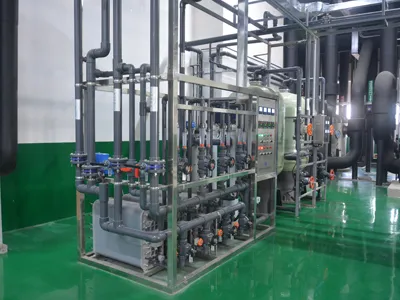
Currently, mainstream organic water preparation technologies primarily use a "tap water pretreatment + deep purification" process as the core. Different technologies have different applicable scenarios:
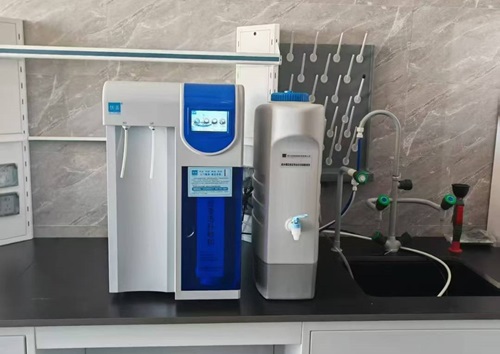
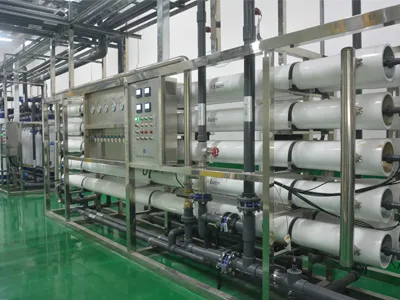
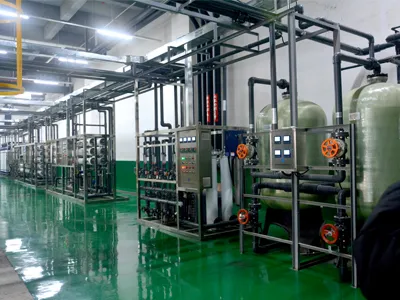
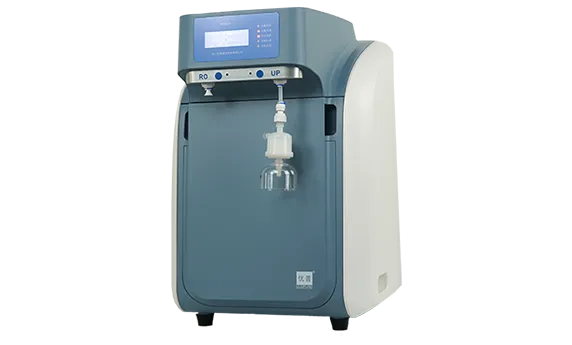
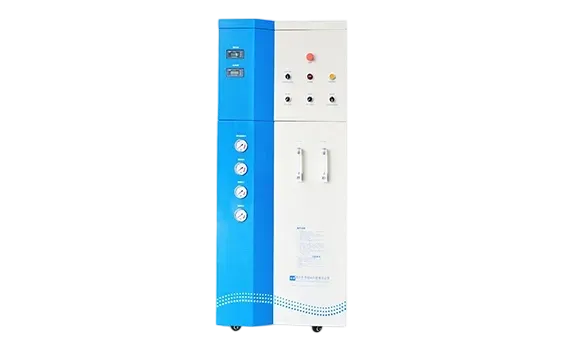
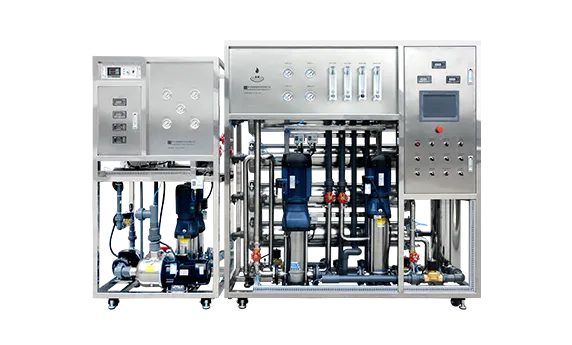
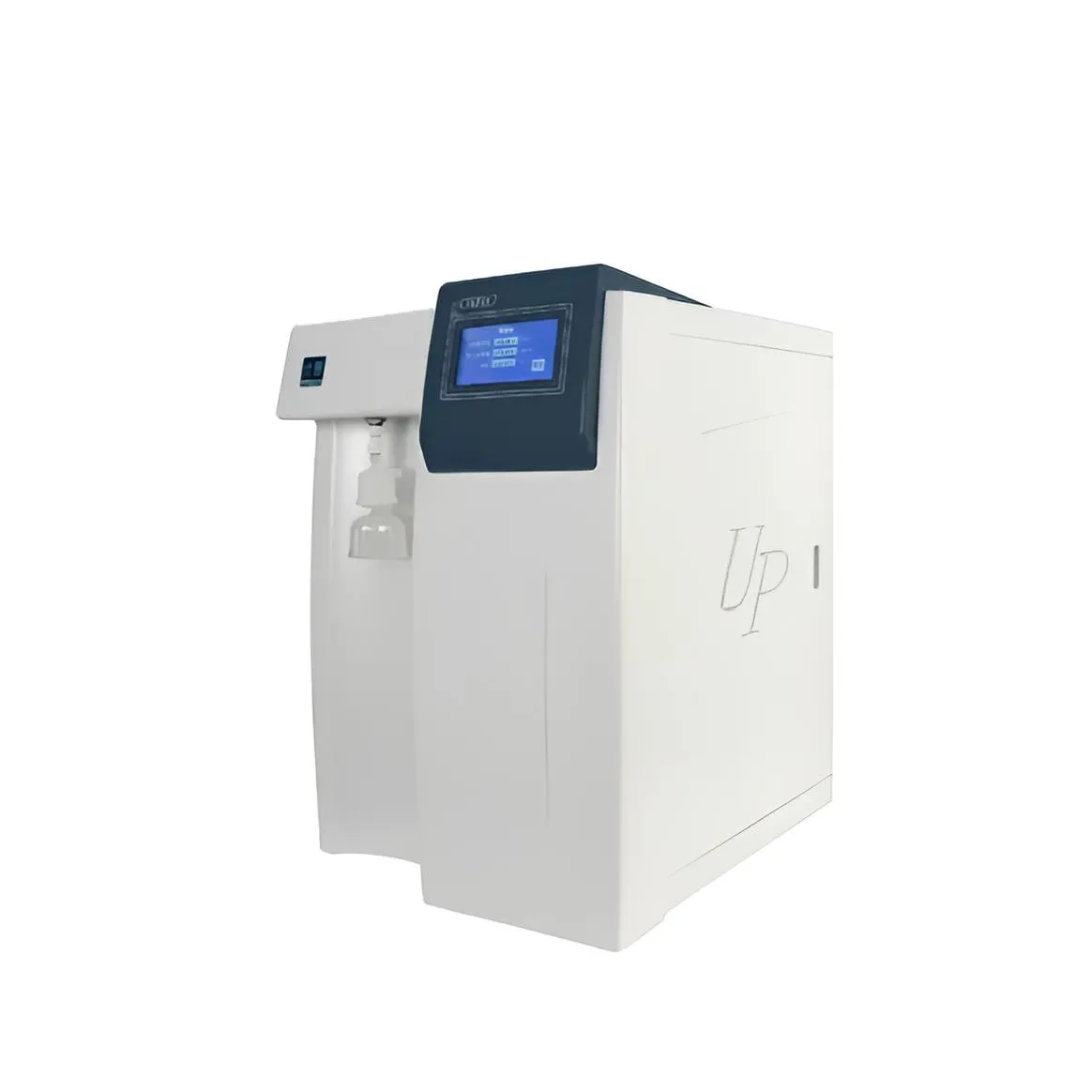
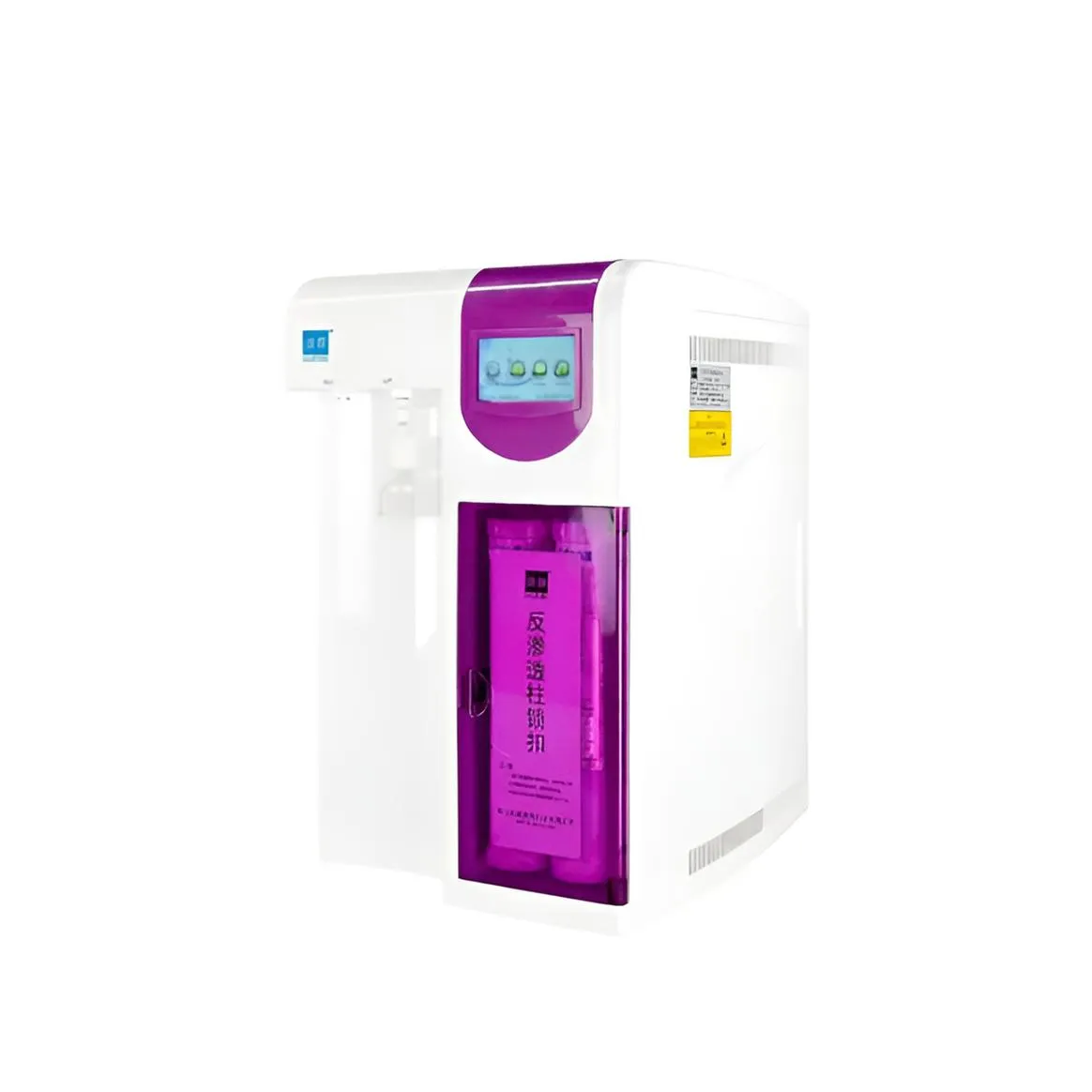
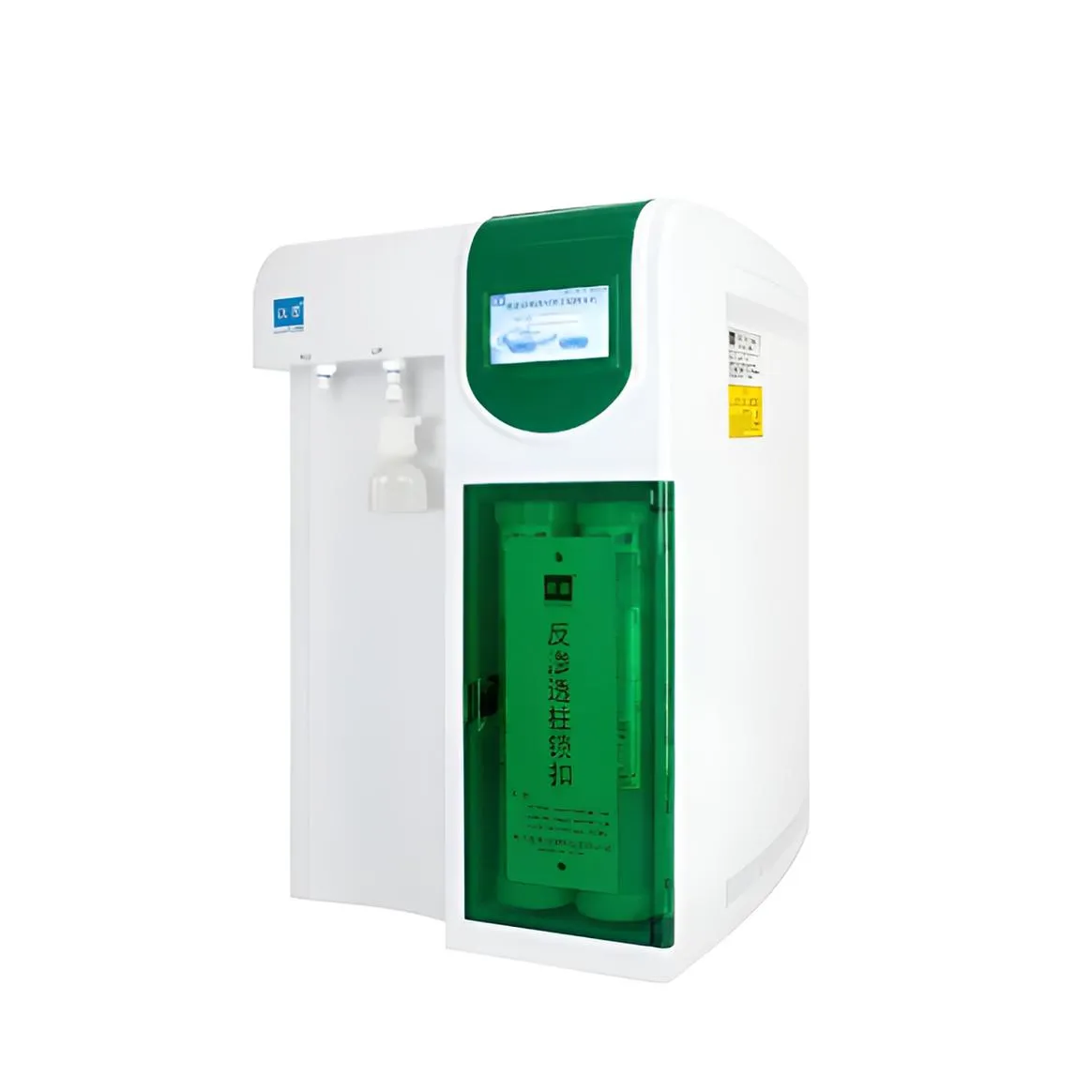
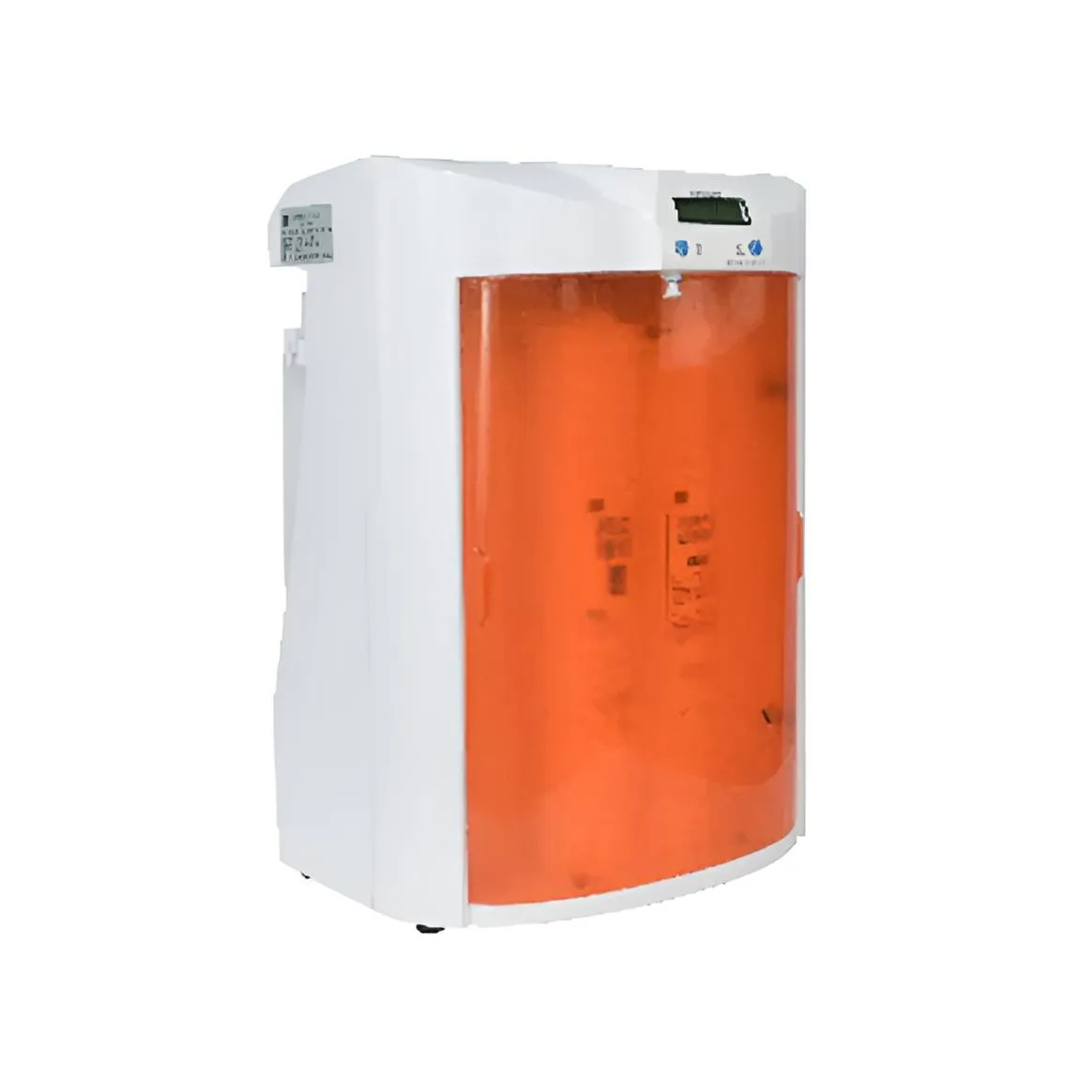
1. Reverse Osmosis (RO) + UV Oxidation + Ion Exchange: This is the most commonly used combined process. Reverse osmosis can remove over 95% of organic impurities and ions. UV oxidation (wavelength 185 nm) decomposes residual organic matter into CO₂ and water, and finally, the remaining ions are adsorbed by ion exchange resin. This process is suitable for conventional organic analysis such as high-performance liquid chromatography (HPLC) and gas chromatography (GC), and the TOC of the effluent can be stably maintained at 10-50 μg/L.
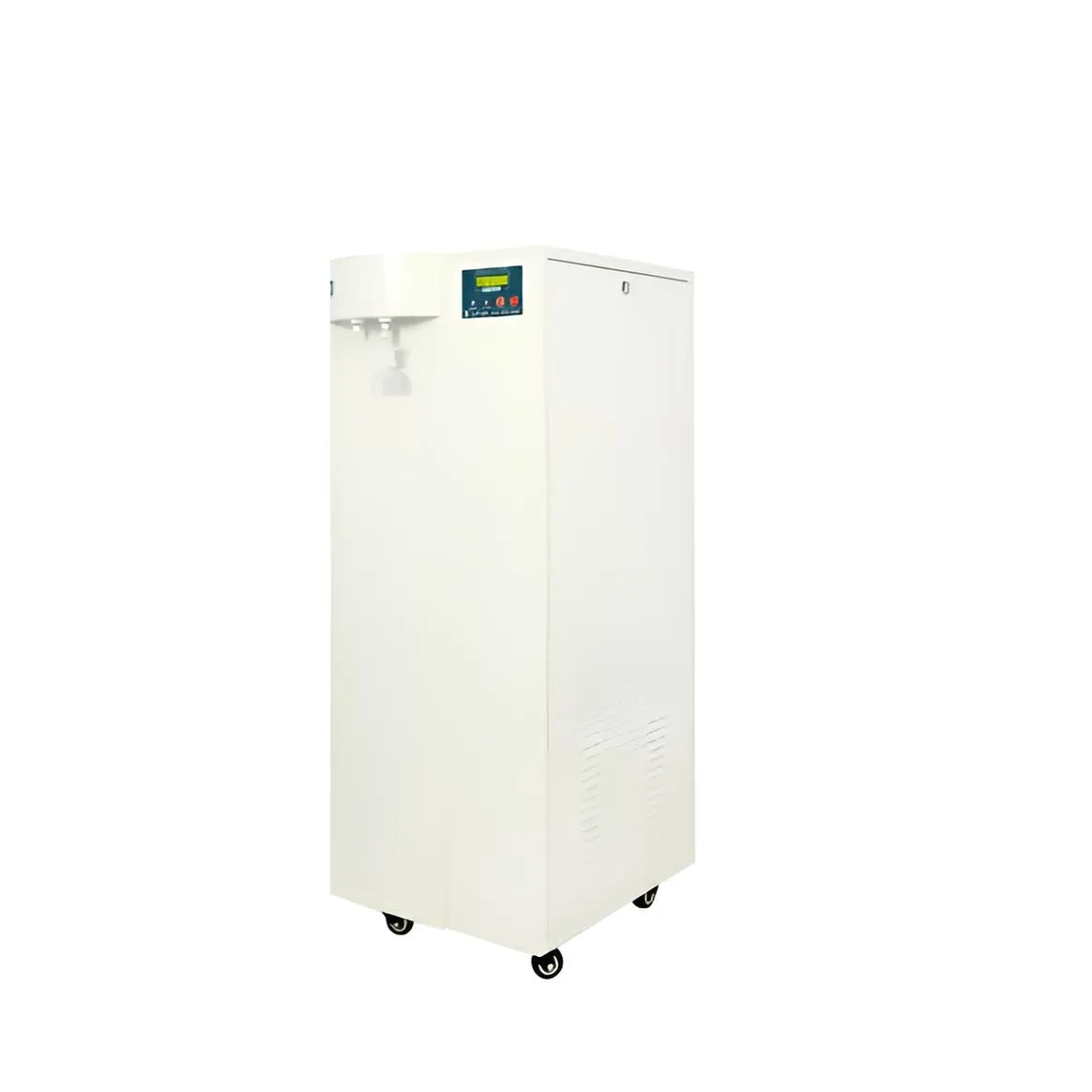
2. Ultrapure Water System (UPW): Based on the above process, the addition of polishing resin and terminal filter membrane further reduces TOC to <10 μg/L and stabilizes resistivity at 18.2 MΩ·cm. Suitable for high-precision experiments such as mass spectrometry (e.g., LC-MS/MS) and trace organic matter detection, it avoids interference from impurities on the detection signal.
Prepared pure water is easily recontaminated if stored or used improperly. The following points should be emphasized:
1. Tubing and Instrument Maintenance: Experimental tubing should be flushed with pure water regularly to avoid contamination from residual samples or detergents. Mobile phase storage tanks for instruments such as HPLC and GC should be cleaned weekly to prevent microbial growth. If not used for a long period, the water in the tubing should be drained to prevent algae growth.
2. Pre-use Validation: Measure the TOC and resistivity of the pure water before the experiment. If the indicators are abnormal, check the UV lamp life and ion exchange resin condition of the preparation system and replace consumables promptly.
The quality of water used in organic matter analysis directly determines the reliability of experimental results and requires strict management throughout the entire process, from indicator control to preparation process to storage and use. Routine analyses can utilize reverse osmosis + UV oxidation, while high-precision analyses require upgrading to an ultrapure water system. Simultaneously, careful maintenance and pre-use validation are essential to avoid secondary contamination. Only by effectively controlling water quality can an accurate and reliable experimental foundation be provided for organic matter analysis, facilitating the smooth progress of scientific research and testing.