



Phone:
0086 28 87573647
+86 19150187139

In mass spectrometry (MS/MS), water is a core reagent for sample dilution, mobile phase preparation, and instrument cleaning. The purity of water used in MS/MS directly affects the detection limit of analytes, data repeatability, and column life; therefore, its quality control has become an indispensable part of the MS/MS experimental process.
Mass spectrometry is extremely sensitive to impurities in water. Even trace amounts of contaminants can interfere with ion signals or contaminate the ion source. According to international standards and industry practice, qualified water for MS/MS must meet the following key indicators:
1. Resistivity: Must reach 18.2 MΩ·cm (25 °C). This is a core indicator of ultrapure water, indicating extremely low ion content and avoiding ion inhibition effects.
2. Microorganisms and Particulate Matter: Must be filtered through a 0.22 μm filter membrane. Microbial metabolites and tiny particles may clog the chromatographic column or contaminate the mass spectrometry interface, leading to instrument malfunction.
3. Trace Metal Ions: The content must be controlled at the ppt (10⁻¹²) level. Metal ions may bind to analytes or catalyze sample degradation, affecting quantitative results.
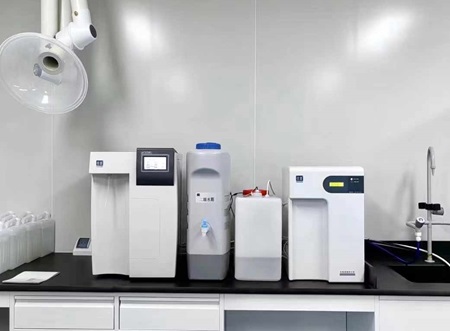
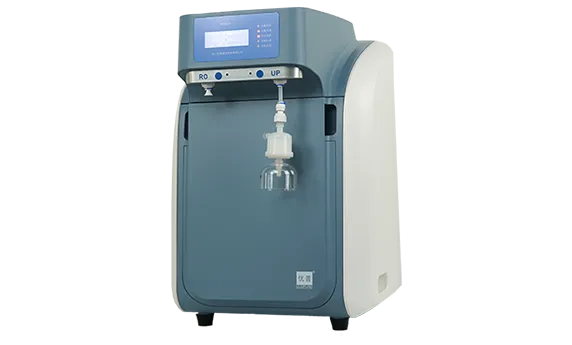
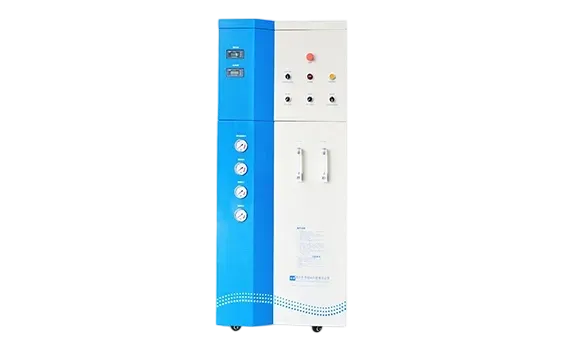
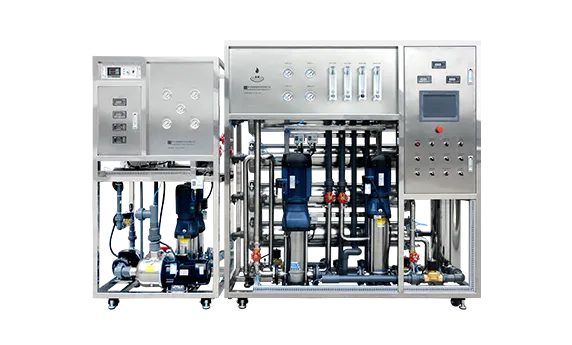
Currently, water for mass spectrometry is mainly prepared through a combination of "pretreatment + deep purification" processes. Common technical pathways include:
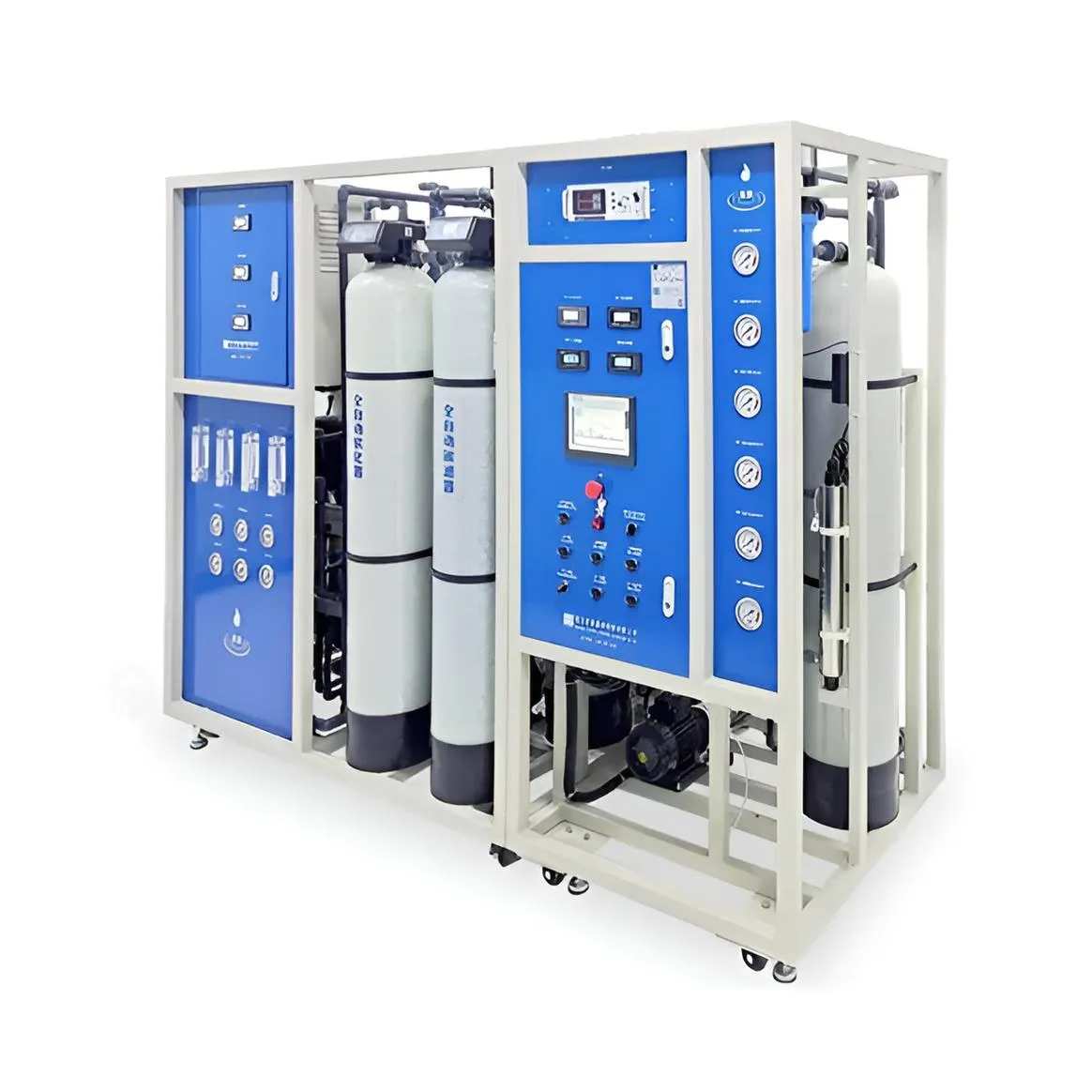
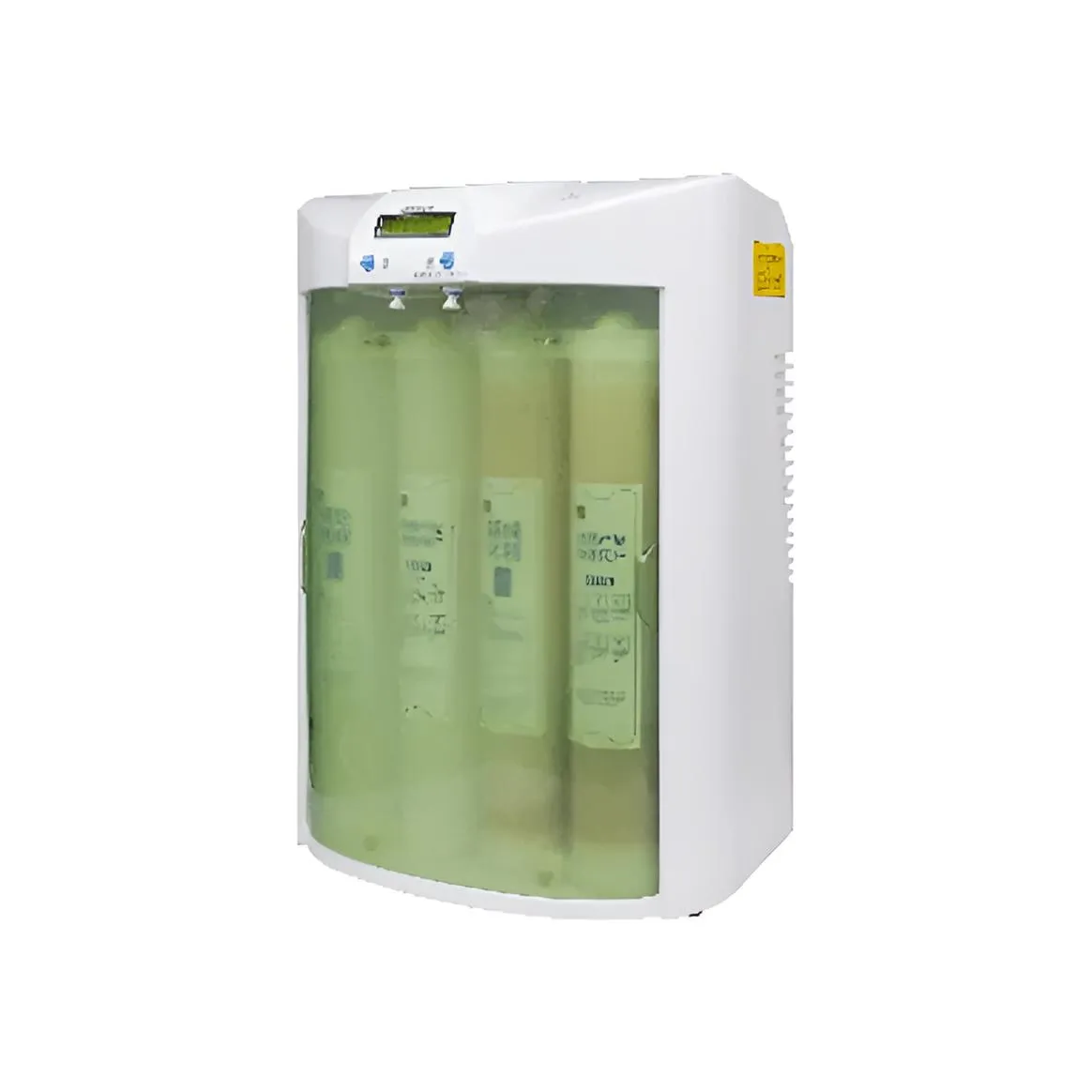
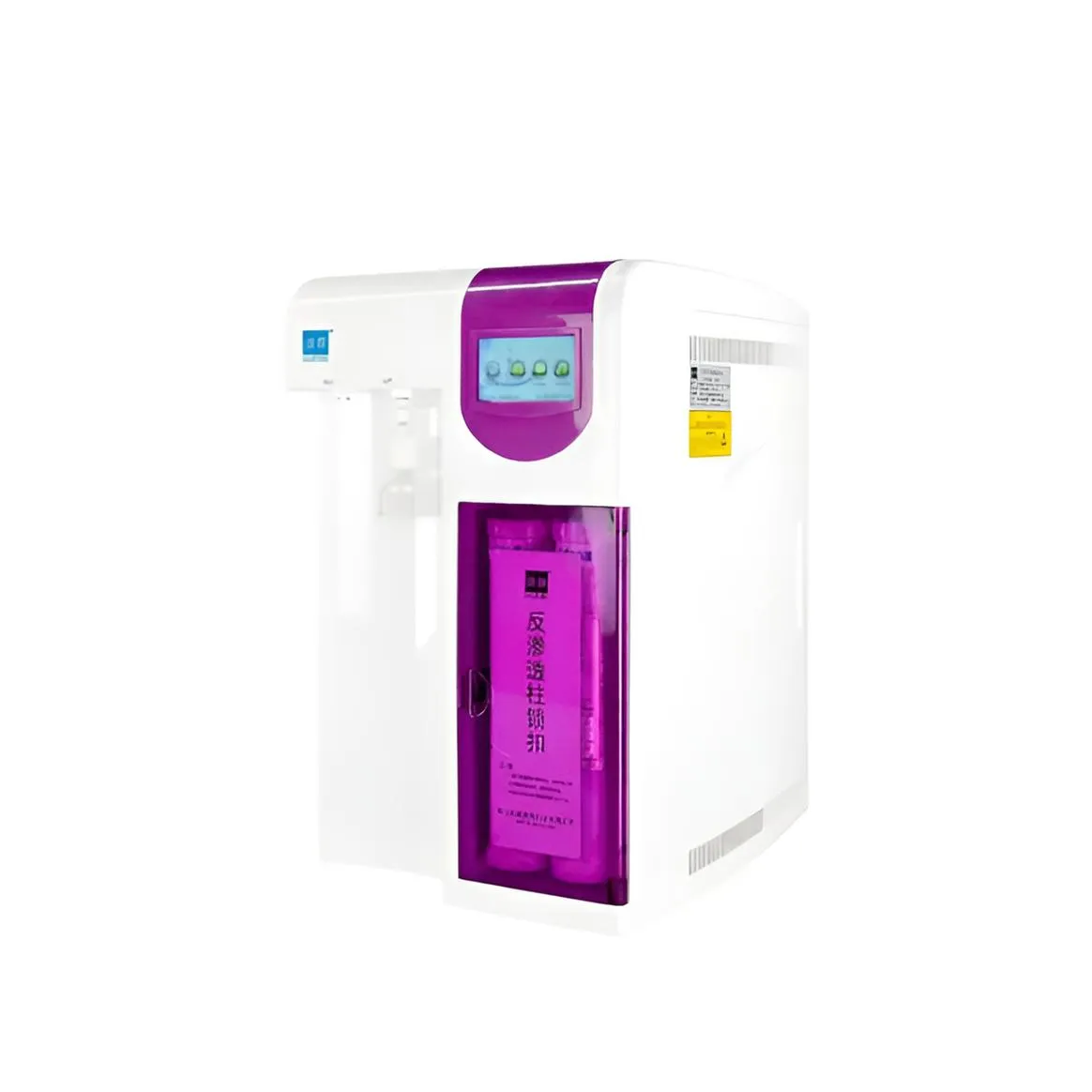
1. Reverse Osmosis (RO) + Ion Exchange + UV: Suitable for routine mass spectrometry experiments. Reverse osmosis can remove over 99% of ions and organic matter. Ion exchange resin further reduces ion concentration, and UV lamps oxidize and decompose residual organic matter. It offers moderate cost and high stability.
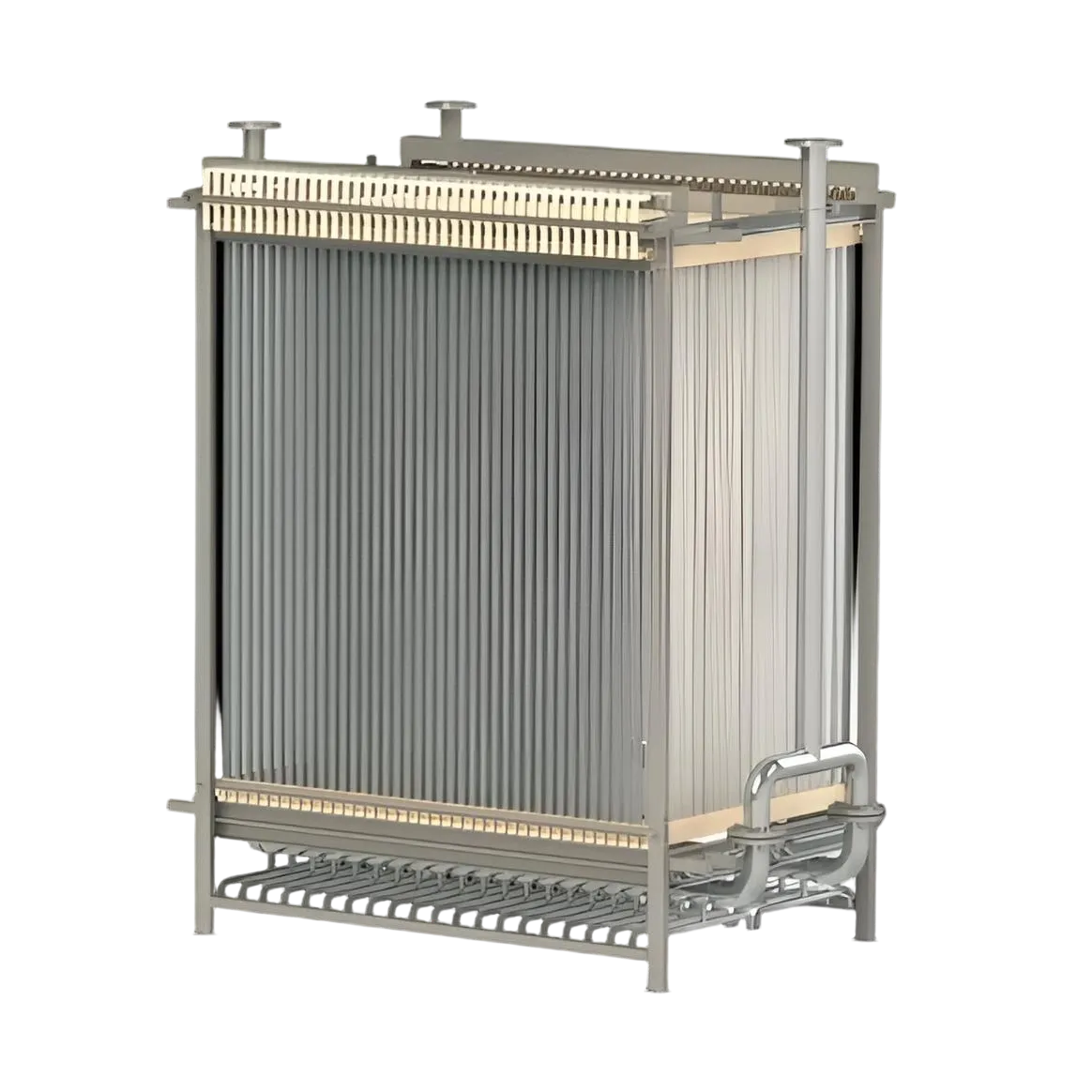
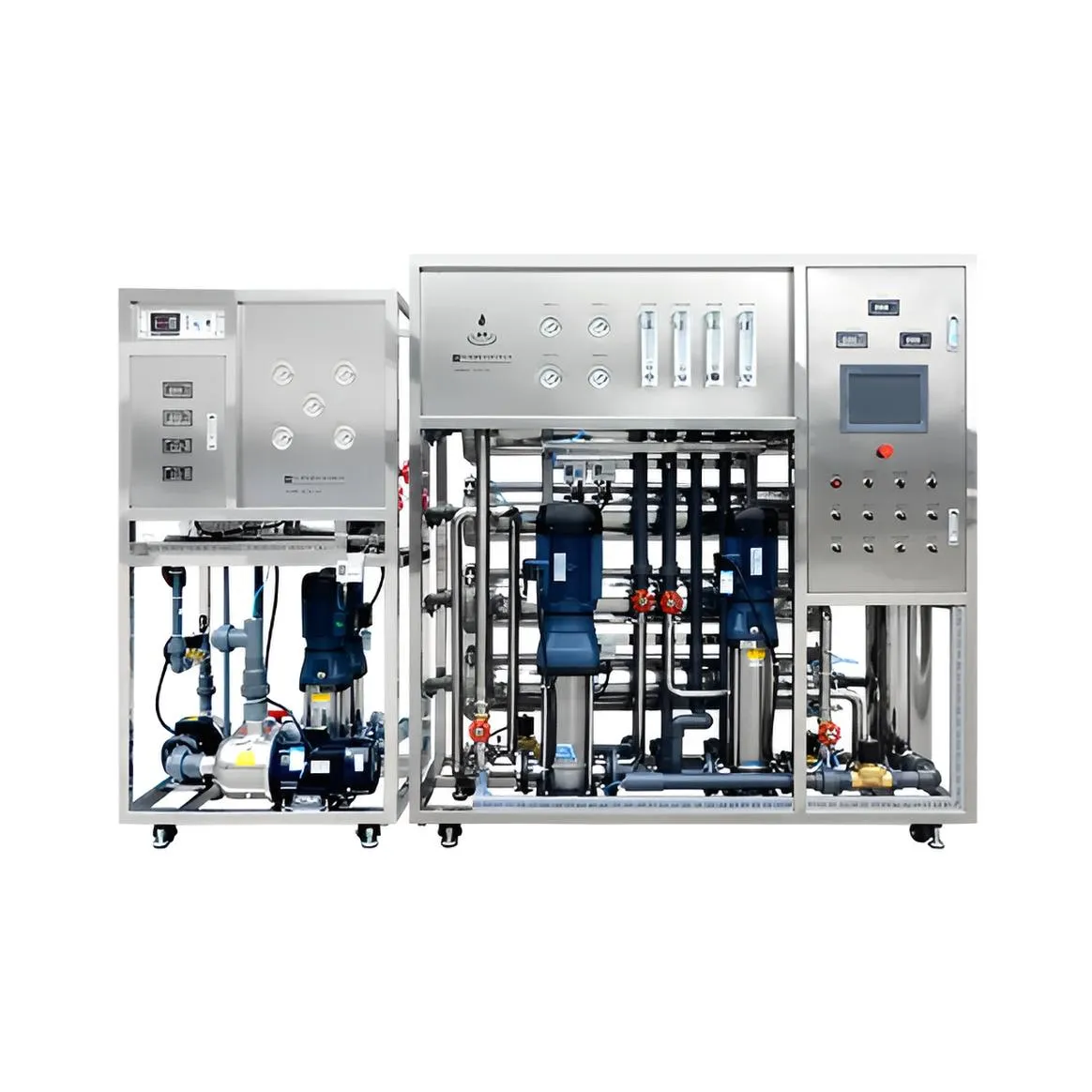
2. Reverse Osmosis + Electrodeionization (EDI) + Ultrafiltration: Suitable for high-load laboratories. EDI technology does not require resin regeneration and can continuously produce high-purity water. Combined with ultrafiltration membranes to remove microorganisms, it is suitable for online water purification systems.
3. Distillation + Ion Exchange: A traditional preparation method. Distillation can remove non-volatile impurities, but it has high energy consumption and is only used in special applications (such as trace volatile organic compound detection).
4. Selection should be based on experimental requirements: For example, experiments sensitive to organic impurities, such as metabolomics and environmental trace analysis, should prioritize ultrapure water systems with low TOC; while clinical mass spectrometry requires consideration of microbial control to avoid cross-contamination.
If baseline drift, increased stray peaks, or other issues occur during experiments, water quality factors should be investigated:
1. Baseline elevation: This may be due to excessive TOC; the activated carbon filter or UV lamp needs to be replaced.
2. Ion inhibition: This may be due to high concentrations of salts in the water; the reverse osmosis membrane needs to be checked for damage.
3. Microbial contamination: If mucus appears in the pipeline, the system should be flushed with 0.1% nitric acid solution, and the storage container should be replaced.
4. Decreased sensitivity: The resistivity needs to be checked; if it is below 18.2 MΩ·cm, the ion exchange resin needs to be regenerated or replaced.