




Phone:
0086 28 87573647
+86 19150187139

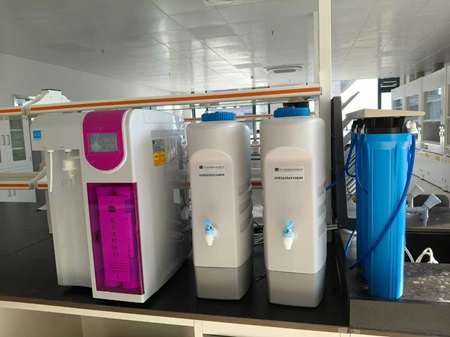
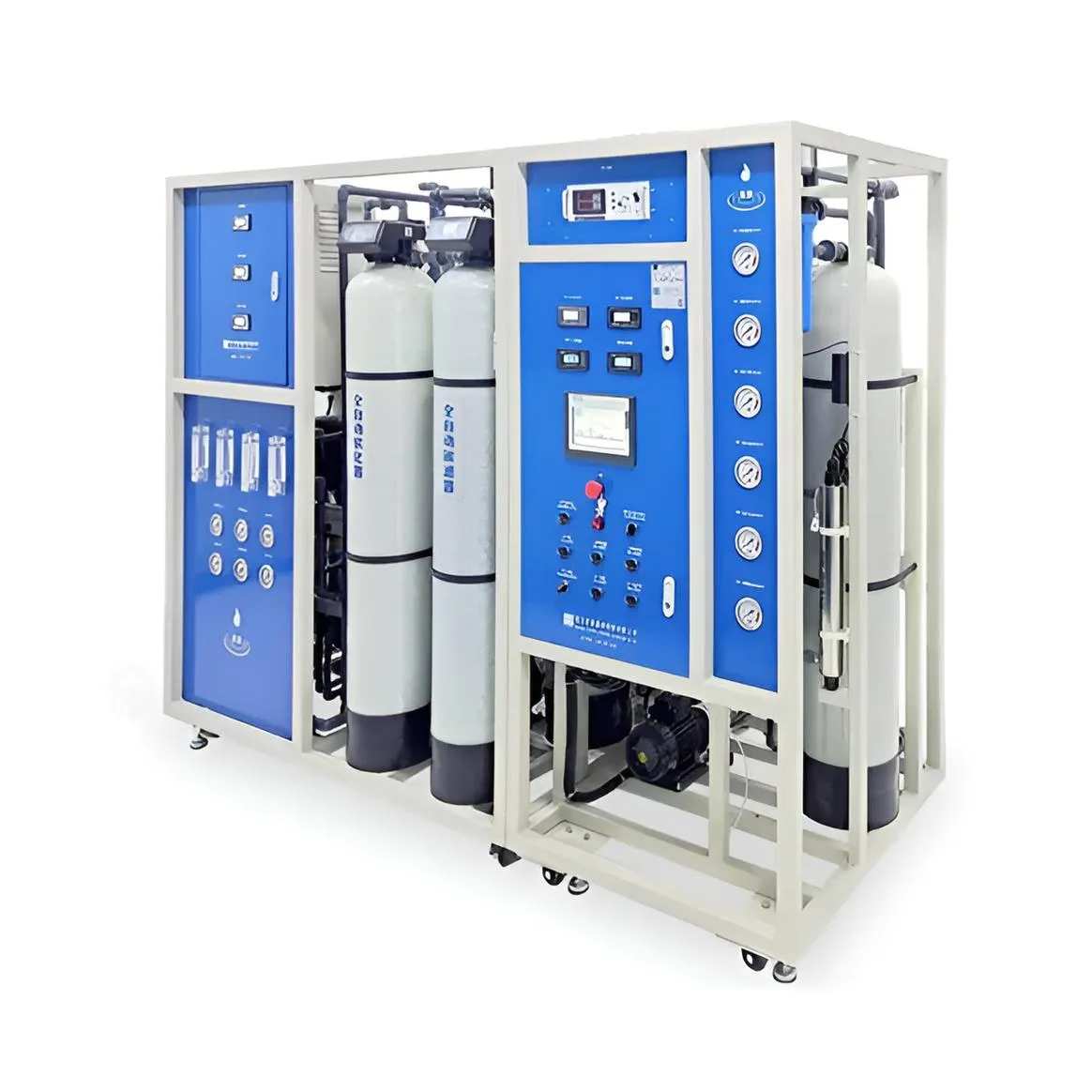
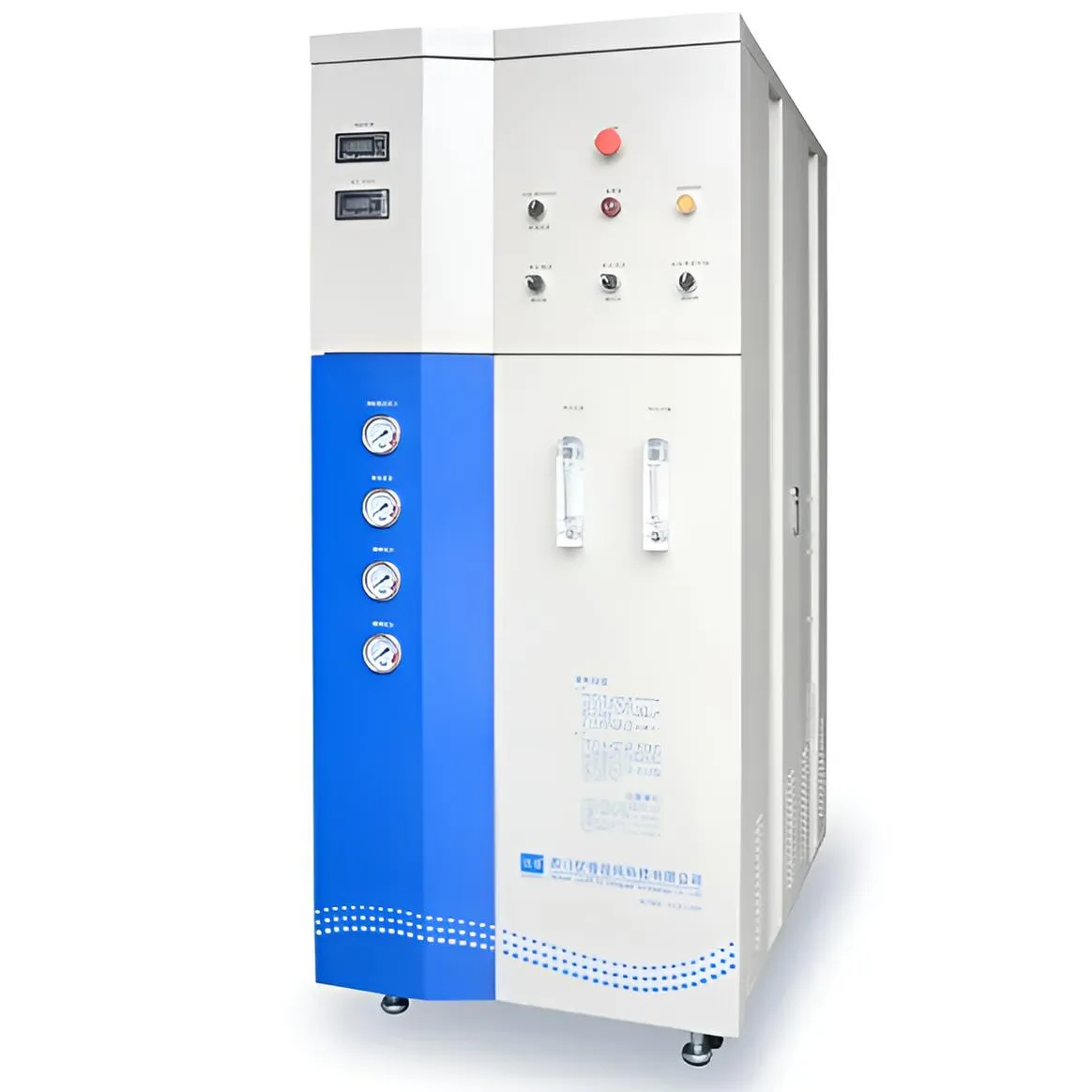
In the field of food safety, pesticide residue detection is a crucial step in safeguarding health. Ultrapure water, a highly pure water virtually free of impurities, is the "invisible cornerstone" ensuring accurate test results.
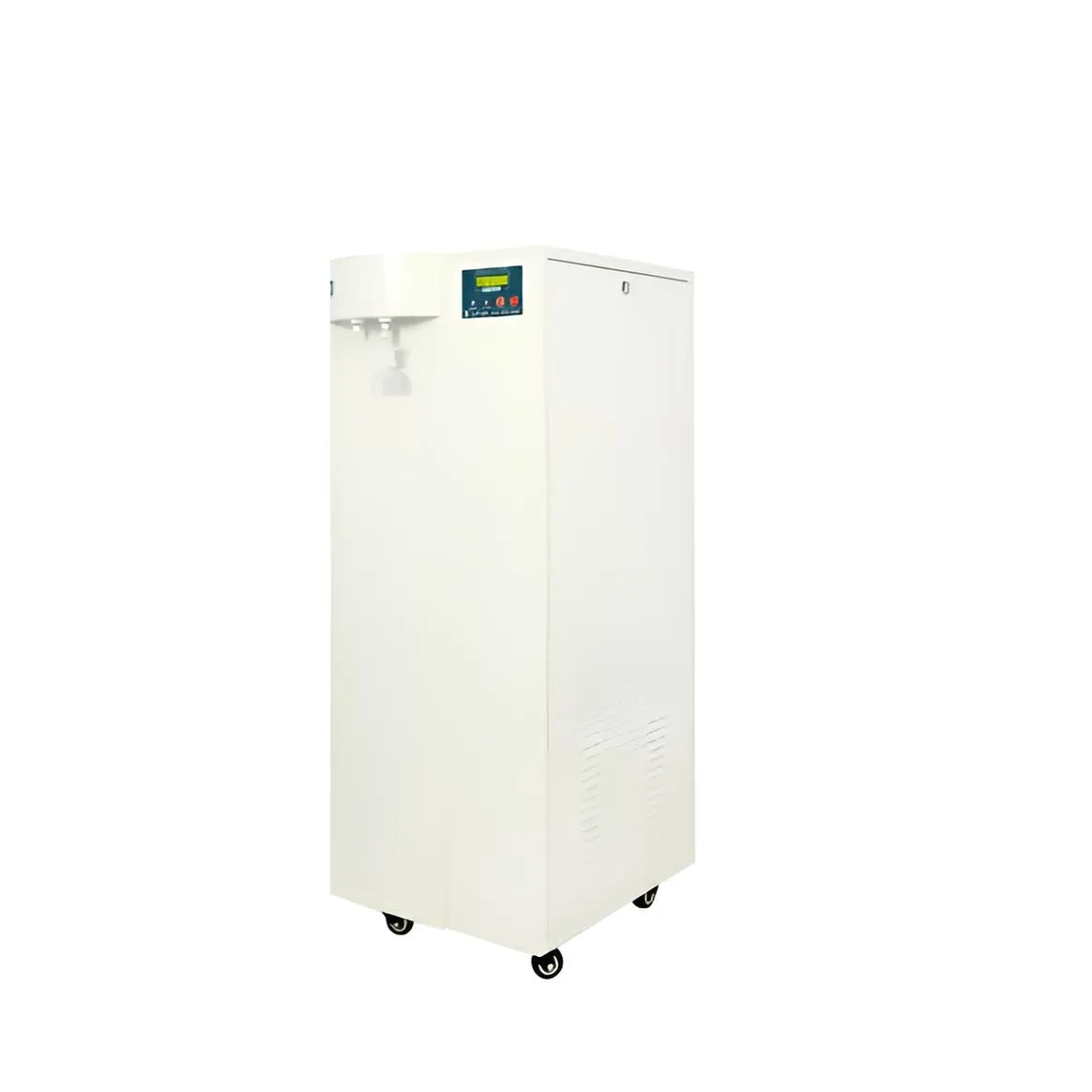
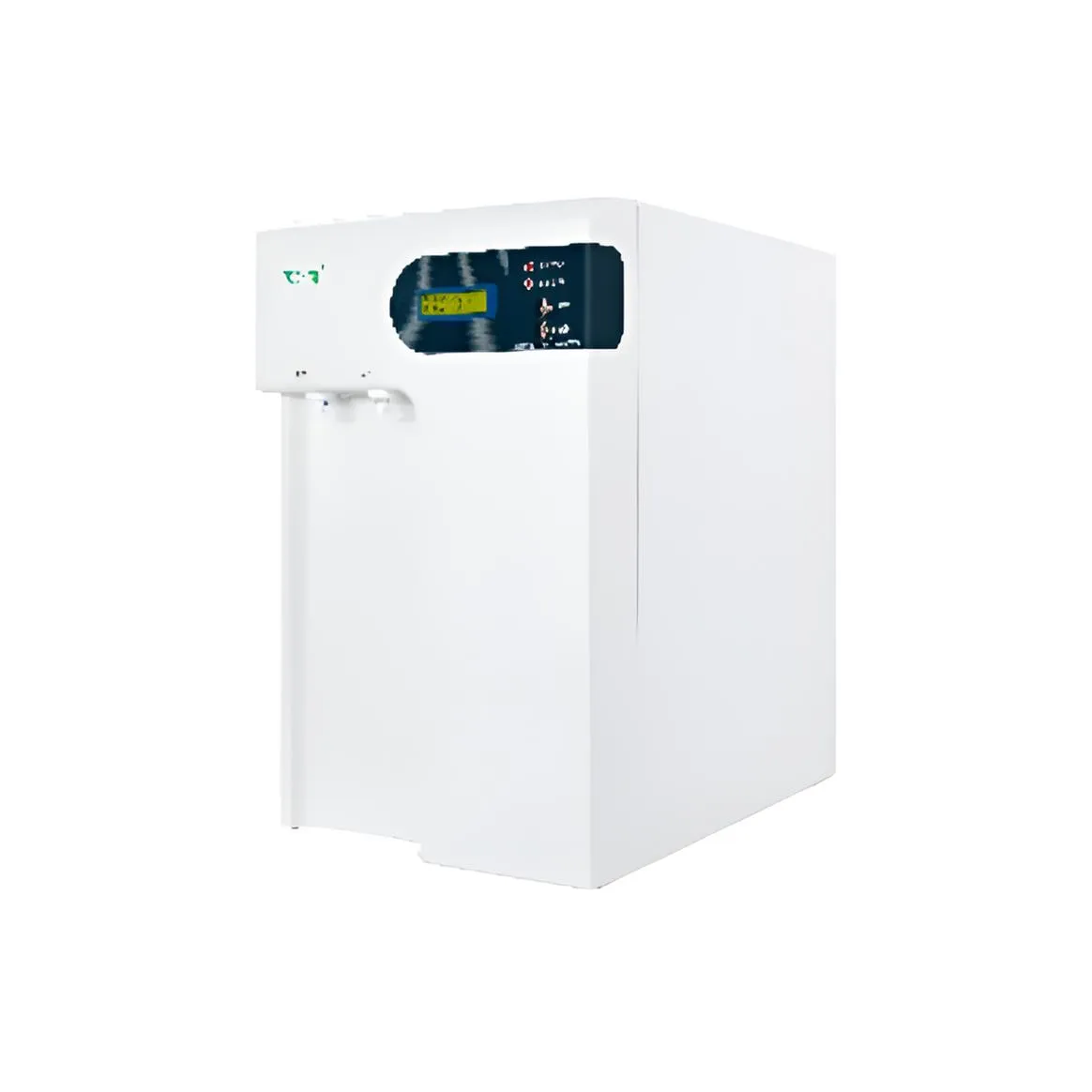
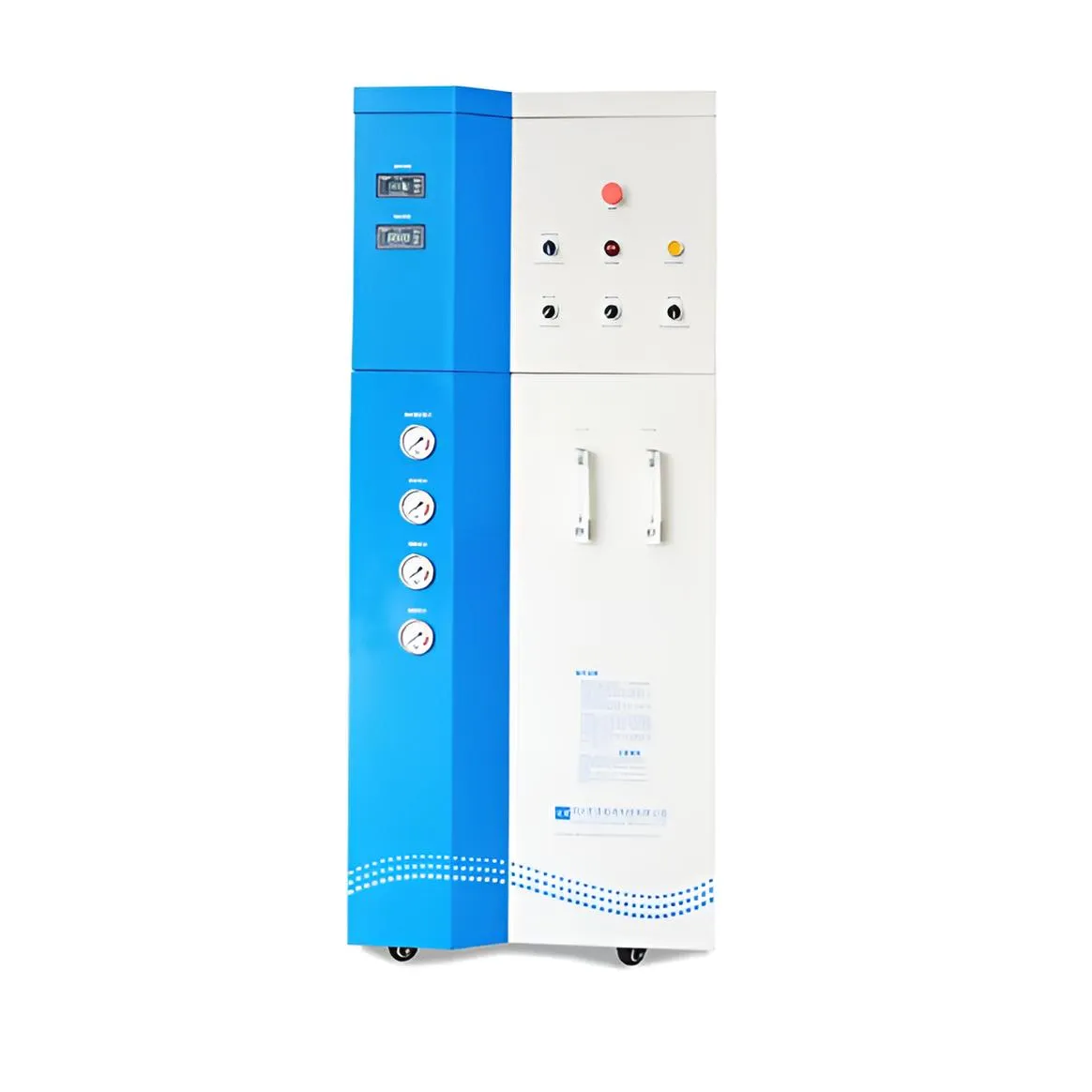
The core advantage of ultrapure water lies in its extreme purity: its resistivity can reach 18.2 MΩ·cm, its total organic carbon (TOC) content is low, its bacterial count is extremely low, and it contains no detectable endotoxins. Through multiple technologies such as filtration, ultraviolet digestion, and ion exchange, mechanical impurities, organic matter, and ions in the water are completely removed, providing an "interference-free" foundation for detection.
Common methods for pesticide residue detection, such as liquid chromatography-mass spectrometry (LC-MS) and gas chromatography-mass spectrometry (GC-MS), while highly sensitive, have stringent requirements for water purity; even trace impurities can distort the test results.
In the core stage of detection, the role of ultrapure water is irreplaceable. First, sample pretreatment is crucial. Taking pesticide residue detection in bell peppers as an example, when preparing the matrix and adding standards, 1.5 times the volume of ultrapure water should be added to optimize the solvent effect and avoid introducing impurities that could interfere with subsequent steps. Pesticide residue mixed standard reagents also need to be diluted stepwise with a solution containing ultrapure water (e.g., acetonitrile/water = 4:6). High-purity water ensures accurate reagent concentrations, laying the foundation for reliable detection results.
In the instrumental analysis stage, ultrapure water is even more essential. In LC-MS and GC-MS analyses, the preparation of eluents and buffers, column cleaning, and blank injection all rely on ultrapure water. If the TOC content in the water is too high, impurity peaks may appear in the detection, even overlapping with the target analyte peak. For example, when detecting phenoxycarboxylic acid herbicides in water, chlorine compounds and phenolic substances in ordinary water may interfere with the detection, while ultrapure water perfectly avoids these problems.
When using ultrapure water, please note that it is unstable and easily absorbs impurities from the air during storage. Therefore, it is recommended to prepare and use it immediately. At the same time, water quality should be tested regularly, and the ultrapure water preparation system should be maintained according to the instructions to ensure a continuous output of qualified ultrapure water.