


Phone:
0086 28 87573647
+86 19150187139

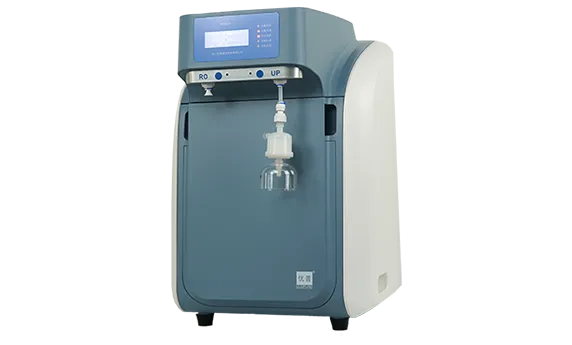
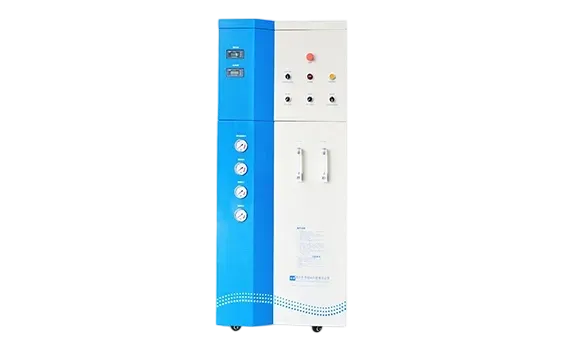
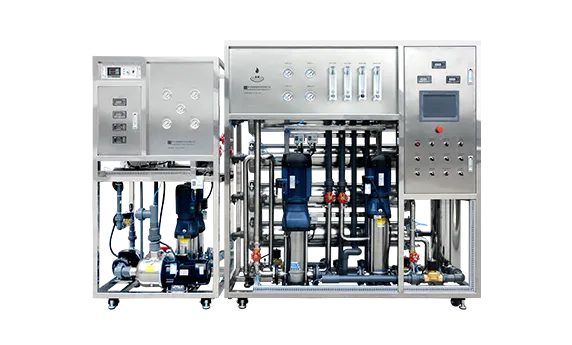
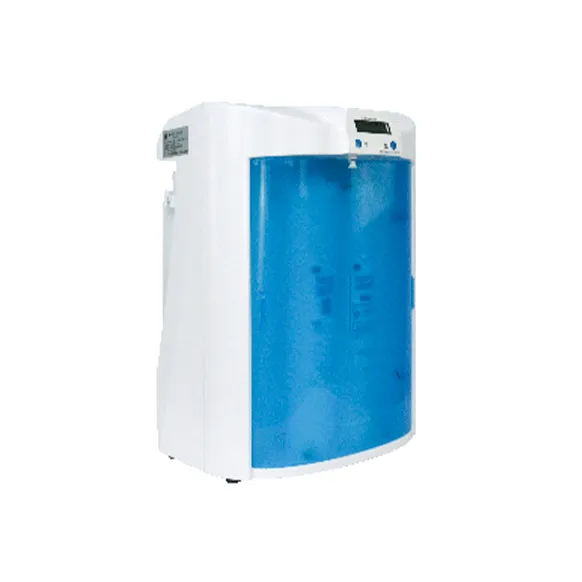
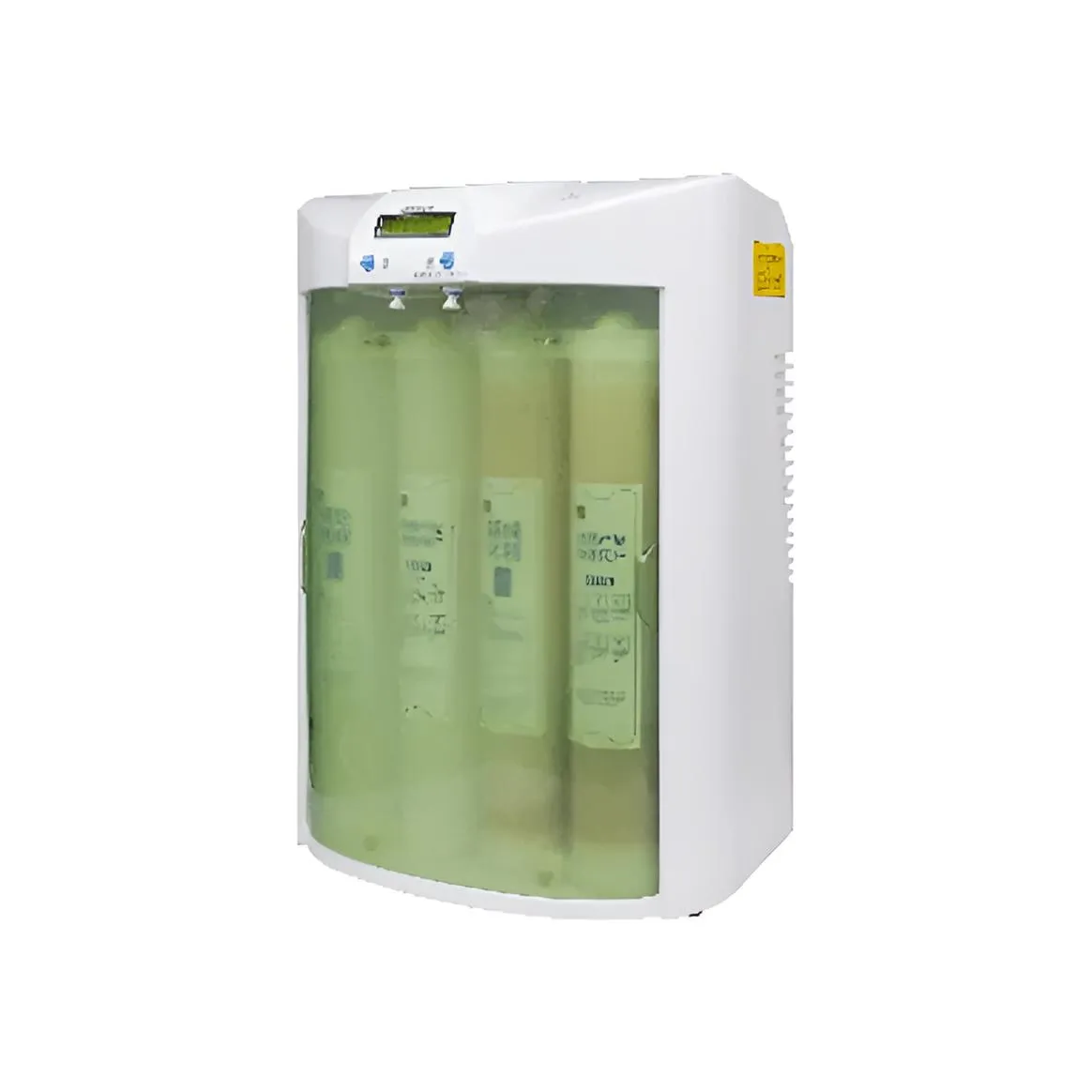
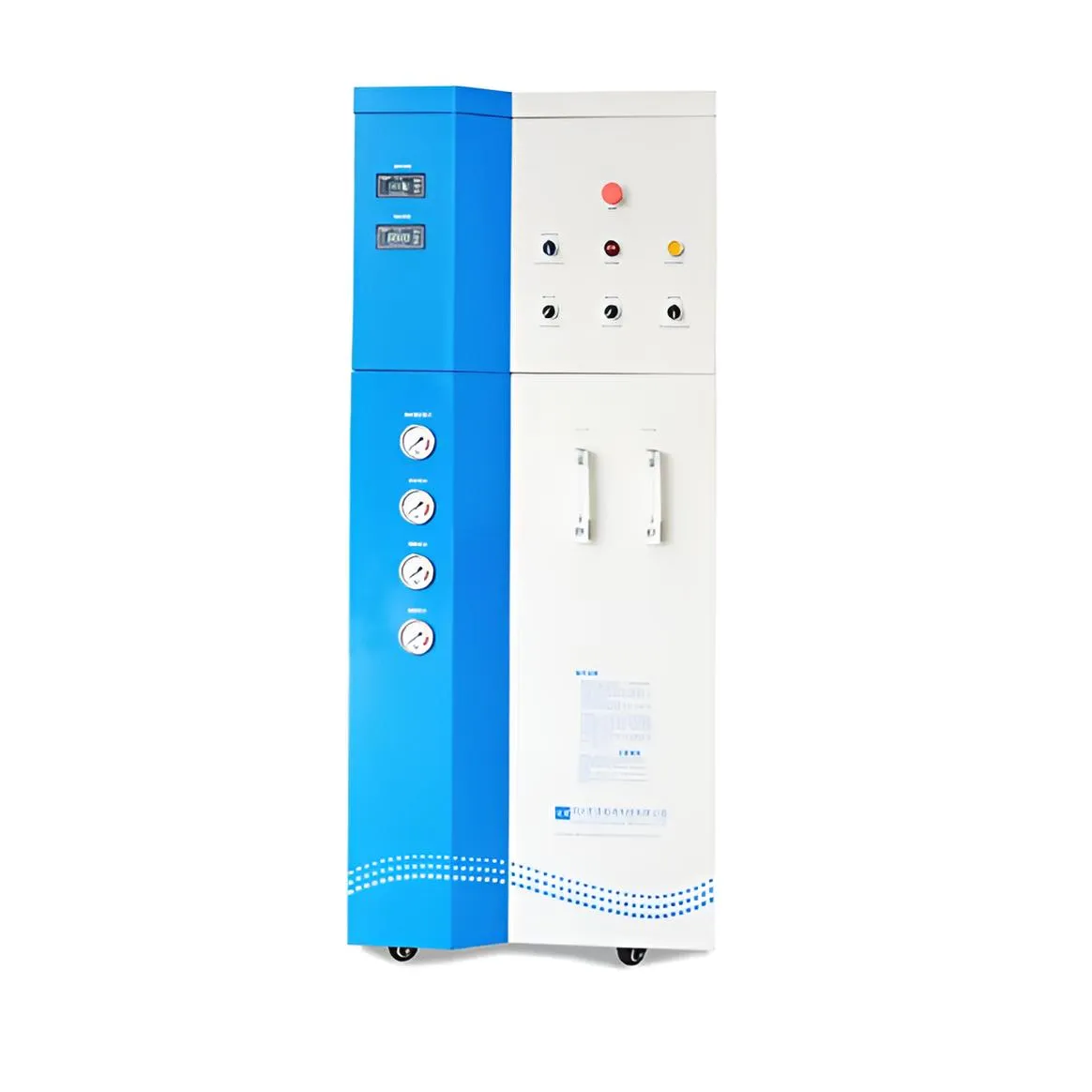
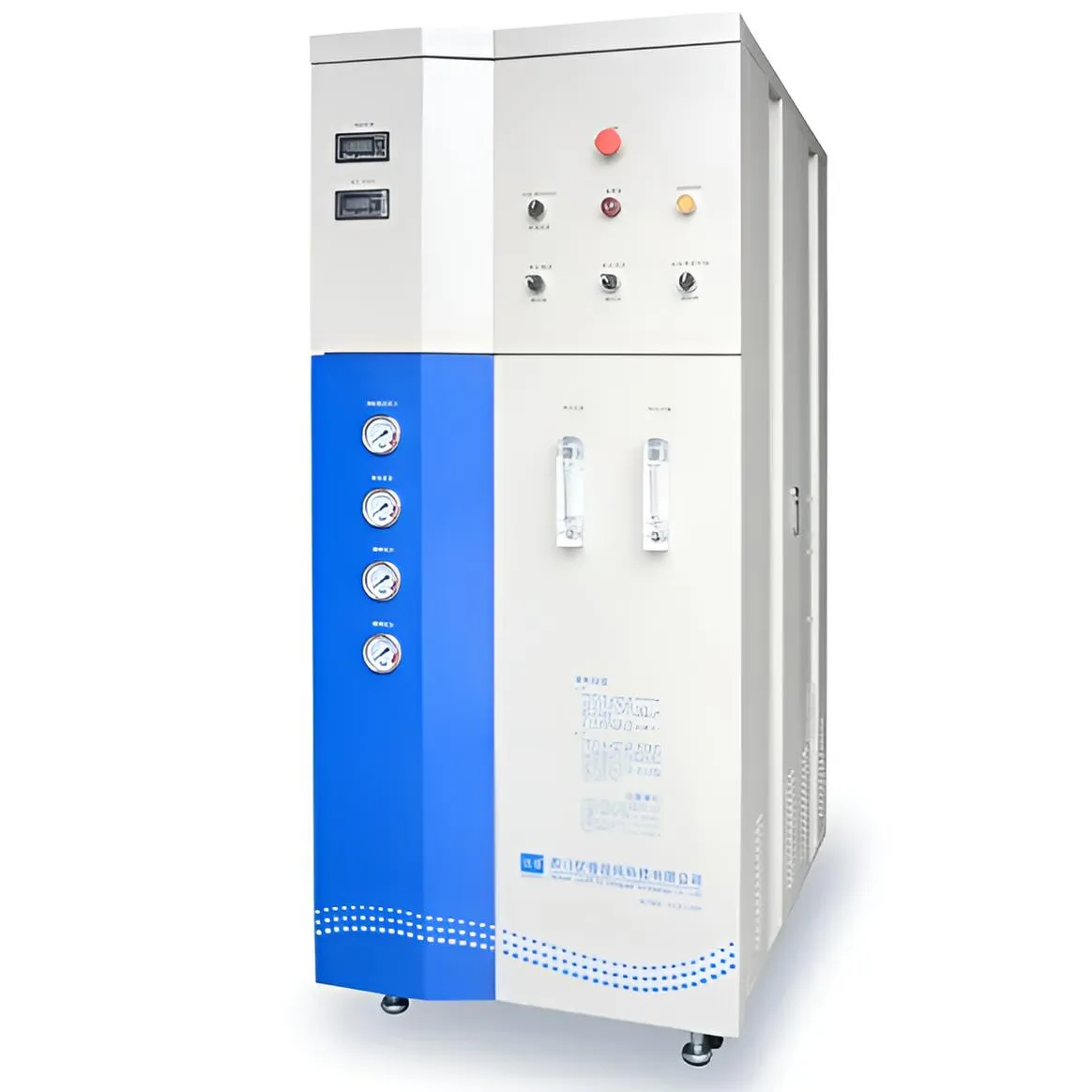
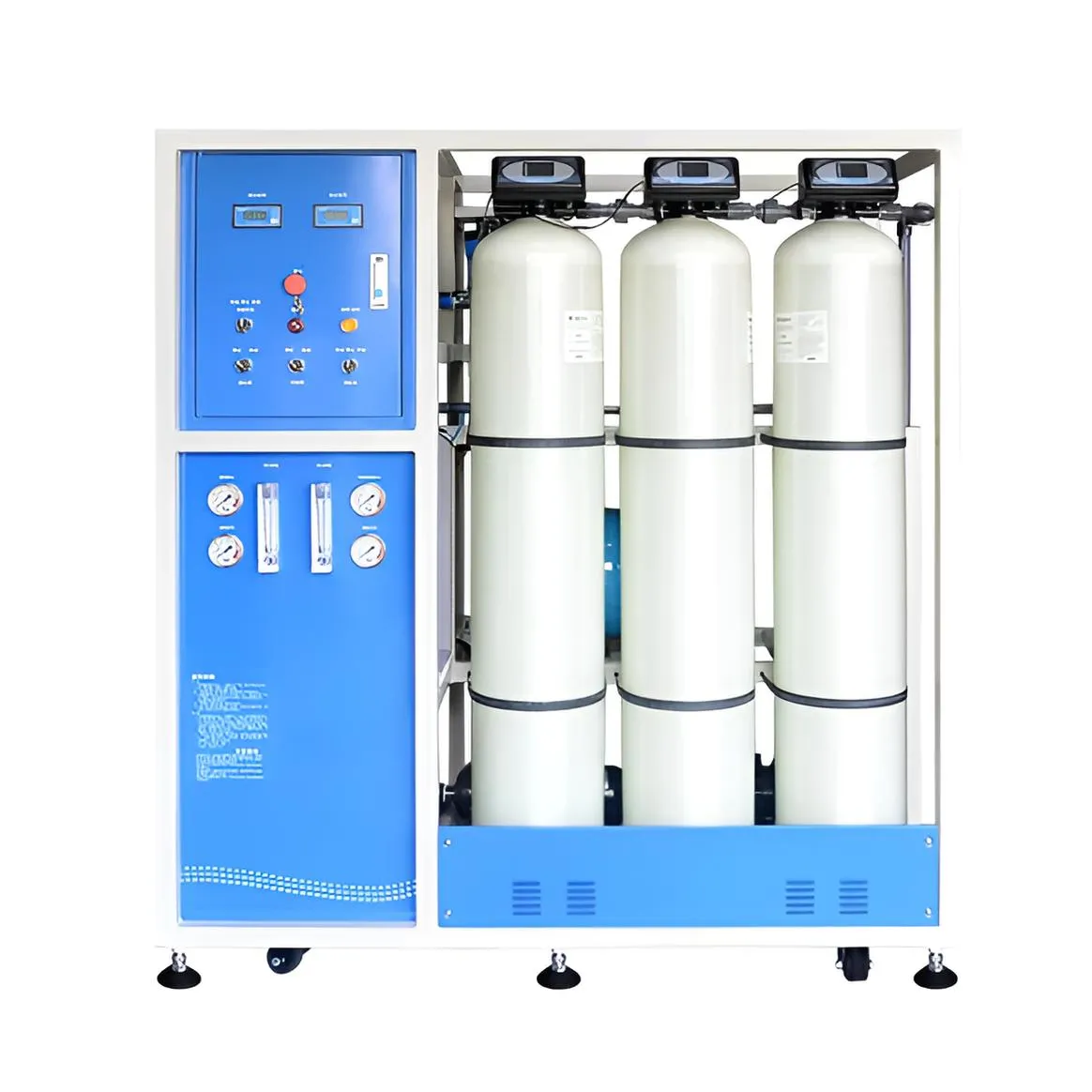
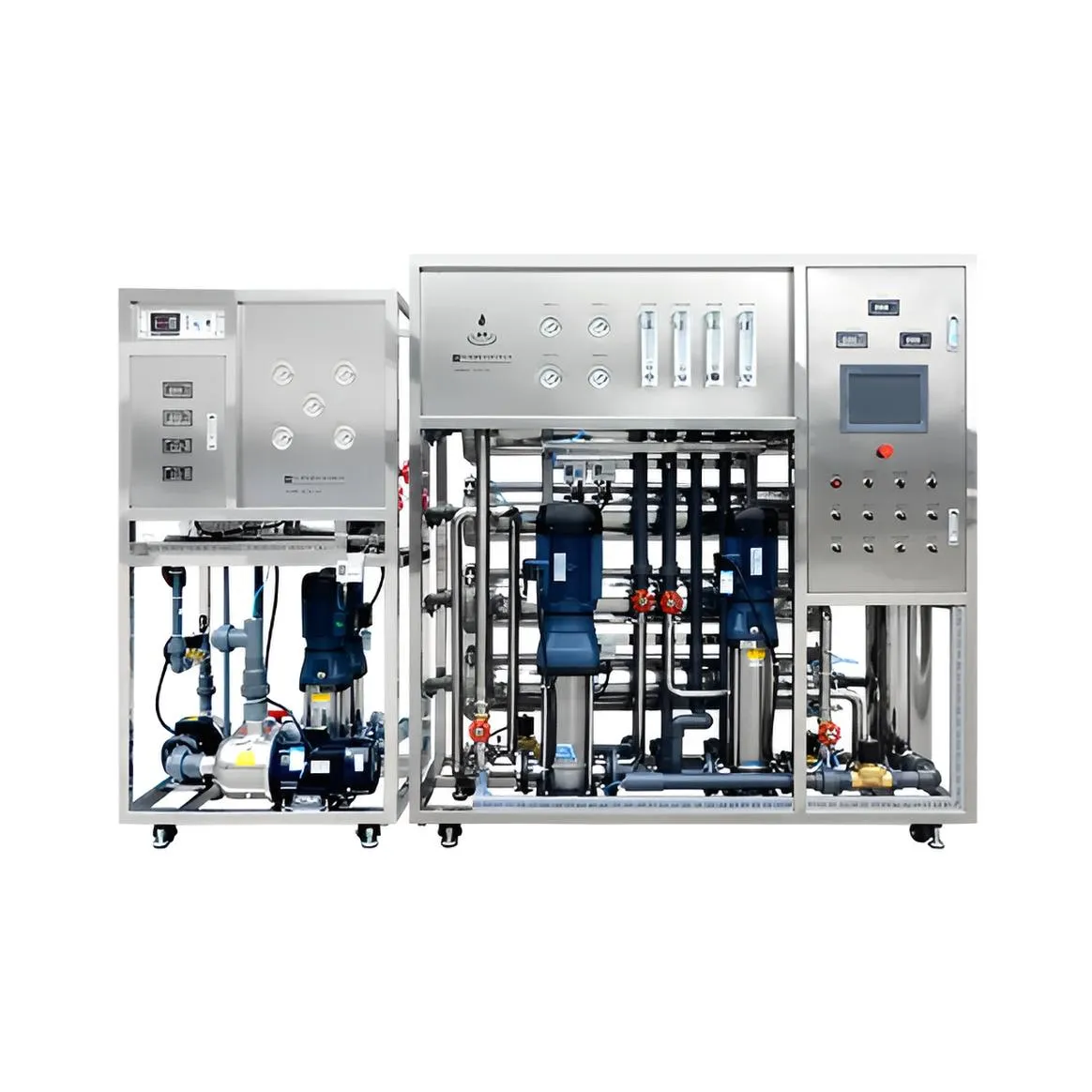
A laboratory pure water system is a water purification device used in laboratories. It removes all solid impurities, salt ions, bacteria, viruses, etc., from water through methods such as filtration, reverse osmosis, electrodialysis, ion exchange, and ultraviolet sterilization. It is also known as a pure water machine, ultrapure water purifier, or similar device. Laboratory pure water systems typically use natural water or pure water as their feed water and can produce both pure and ultrapure water.
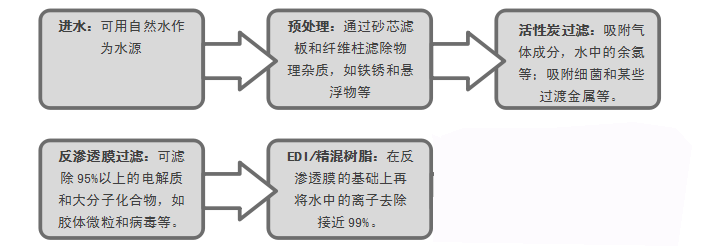
The above describes the process from natural water to ultrapure water. Some ultrapure water systems that use natural water as their feed water basically include all the purification units mentioned above. Of course, there are also ultrapure water systems that use pure water (reverse osmosis water, distilled water, etc.) as their feed water, such as UPHW from UPHW, which have relatively fewer purification units.
category | unit |
government agencies | Universities, secondary schools, Chinese Academy of Sciences, Chinese Academy of Agricultural Sciences and other research institutes and educational institutions |
Industrial enterprises | Pharmaceutical, chemical, food, electronics, and biotechnology industrial enterprises |
Teaching/Research | Entry-Exit Administration, Quality Inspection, Food and Drug Administration, Environmental Monitoring, Blood Disaster Prevention and Control Center, Public Security Department, etc. |
healthcare system | Hospitals, health centers, maternal and child health stations, rehabilitation centers, etc. |
Key components of laboratory water purifiers include: UV lamps, reverse osmosis membranes, DI resin, ultrapure water columns, solenoid valves, and piping connectors. It can be said that the configuration of these key components is what determines the differences in product quality and price. Generally, mid-to-high-end domestic laboratory water purifiers, such as those from UPU, use original imported reverse osmosis membranes, UV lamps, piping, connectors, and terminal filters, while many low-end water purifiers use domestically produced or imitation components.