Phone:
0086 28 87573647
+86 19150187139

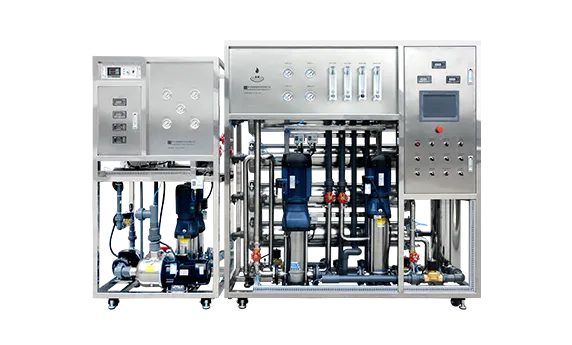
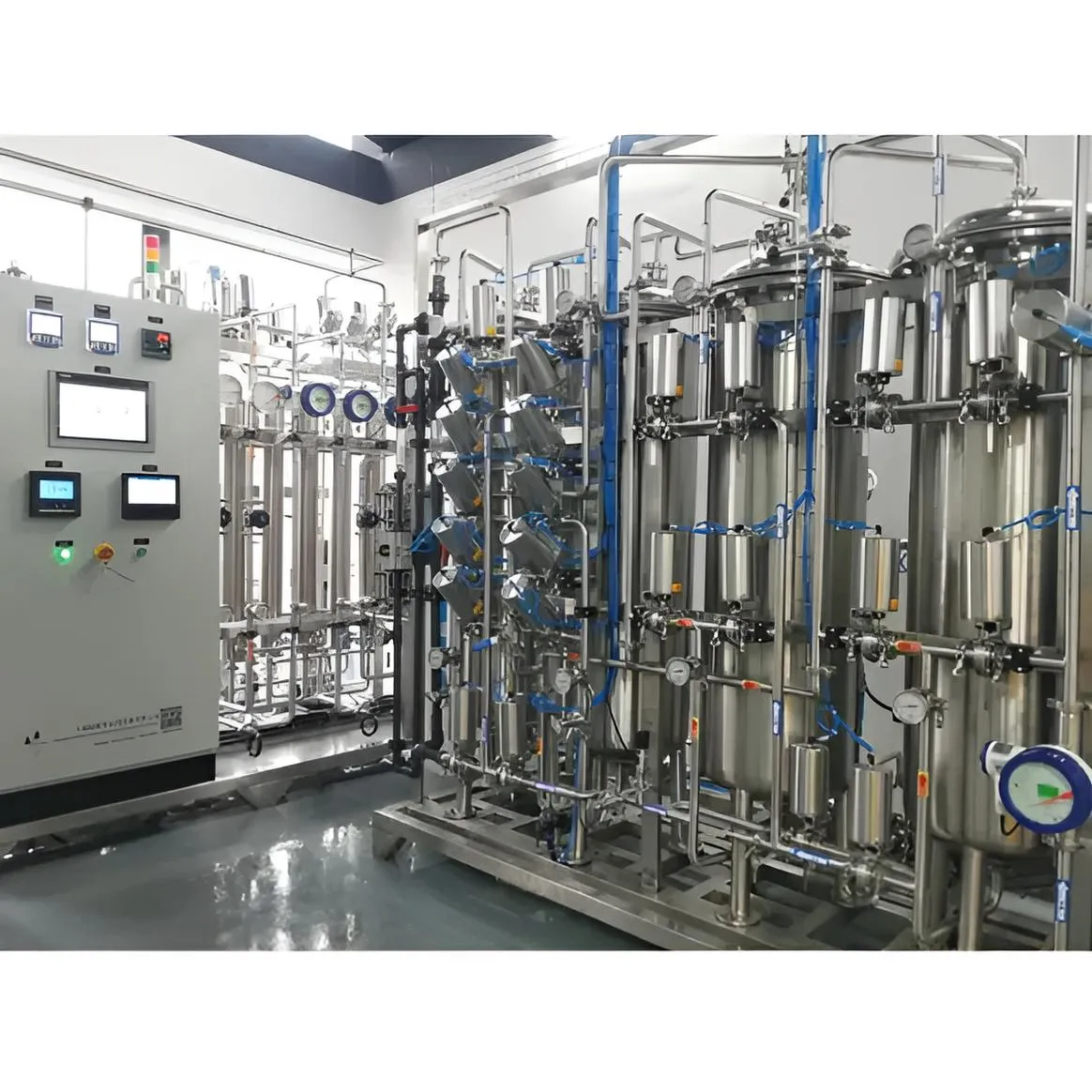
Currently, foreign filtration equipment boasts a high degree of automation, with the emergence of specialized filtration systems. Emphasis is placed on enhancing the filtration process and implementing auxiliary measures, significantly improving filtration efficiency. In contrast, while the domestic filtration equipment industry has developed rapidly and largely established a market system, the market satisfaction rate of domestically produced equipment remains low, and equipment efficiency lags significantly behind advanced international levels.
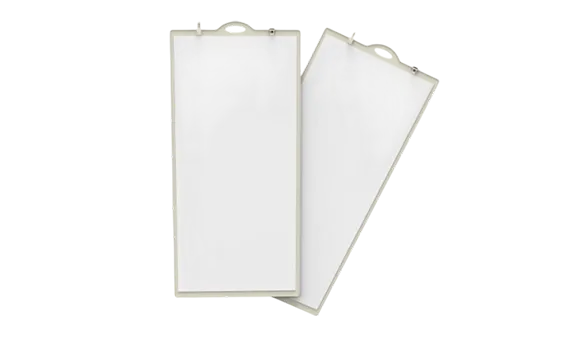
Currently, my country has made significant technological breakthroughs in high-efficiency filters. In high-tech manufacturing industries, the usage coverage of high-efficiency filters has reached 70%, indicating a very promising future for high-efficiency filters in the domestic market. However, from a global perspective, Chinese high-efficiency filter equipment still lags behind international standards. Analysis indicates that China's filter press machinery manufacturing industry is still in its development stage, with substantial demand in sectors such as chemical, petrochemical, food, pharmaceutical, and military manufacturing. Due to limited domestic adoption of foreign technology, the industry still largely relies on imports.
According to the "2013 Air, Water, and Fluid Handling Control Report" provided by McIlvaine, a leading global market forecasting firm, sales of filtration materials used for separating particulate matter, gases, and other components in air filtration applications will exceed $3.4 billion in 2015, presenting unprecedented growth opportunities for the filtration market. In today's filtration market, where higher purity, higher efficiency, and lower energy consumption are required, the innovative use of nonwoven materials will play a crucial role.
Experts believe that the filtration equipment industry will undergo significant changes in the next five years. These changes will not primarily be technological but rather involve integration in market size, market demand, and management systems, manifested in the following aspects:
Continued Expansion of Market Demand
Due to the sustained growth and potential of the chemical, textile, and pharmaceutical industries, industry insiders believe that the filtration equipment market will maintain its rapid growth momentum over the next five years, doubling in size. This promising market outlook will attract more companies to enter the industry, but those entering will also conduct more rational market analyses.
Increased Specialization
In any industry, there are always companies that hold an absolute advantage in a particular product area, and filtration equipment is no exception. In the future, a number of companies may emerge that only produce filter presses of a specific specification, such as bag filters or chamber filter presses. Furthermore, market selection will likely lead some small companies to focus solely on ordinary filters, unable to access other technologies and market opportunities.
Companies Will Face Consolidation
Companies that win the market with low prices will find it increasingly difficult to survive. High requirements for pharmaceutical water quality will force them to exit the filtration equipment industry and pursue other sectors. Additionally, some technologically backward and small-scale companies will be ruthlessly eliminated. Overall, the number of companies will remain largely unchanged, with new entrants replacing those that are eliminated, but the overall number will show a downward trend.
In general, the entire filtration equipment industry is facing a new golden age of development. In the process of rapid development, there will inevitably be survival of the fittest—this is the rule of the market game, but it also presents opportunities for enterprise development. The industry must recognize its own shortcomings, adjust its development strategies in a timely manner, and innovate its management models to ensure the vitality of filter press companies.