

Phone:
0086 28 87573647
+86 19150187139

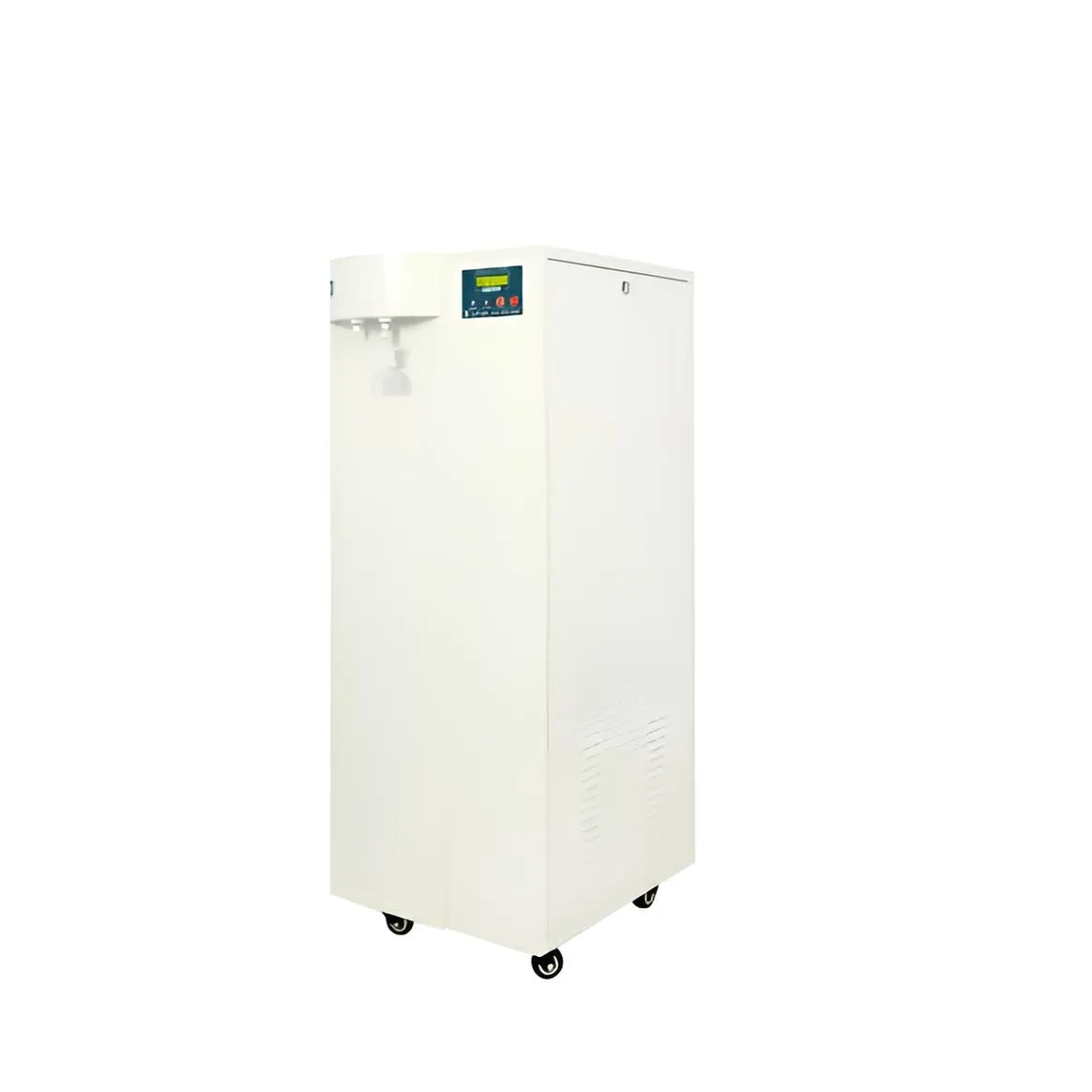
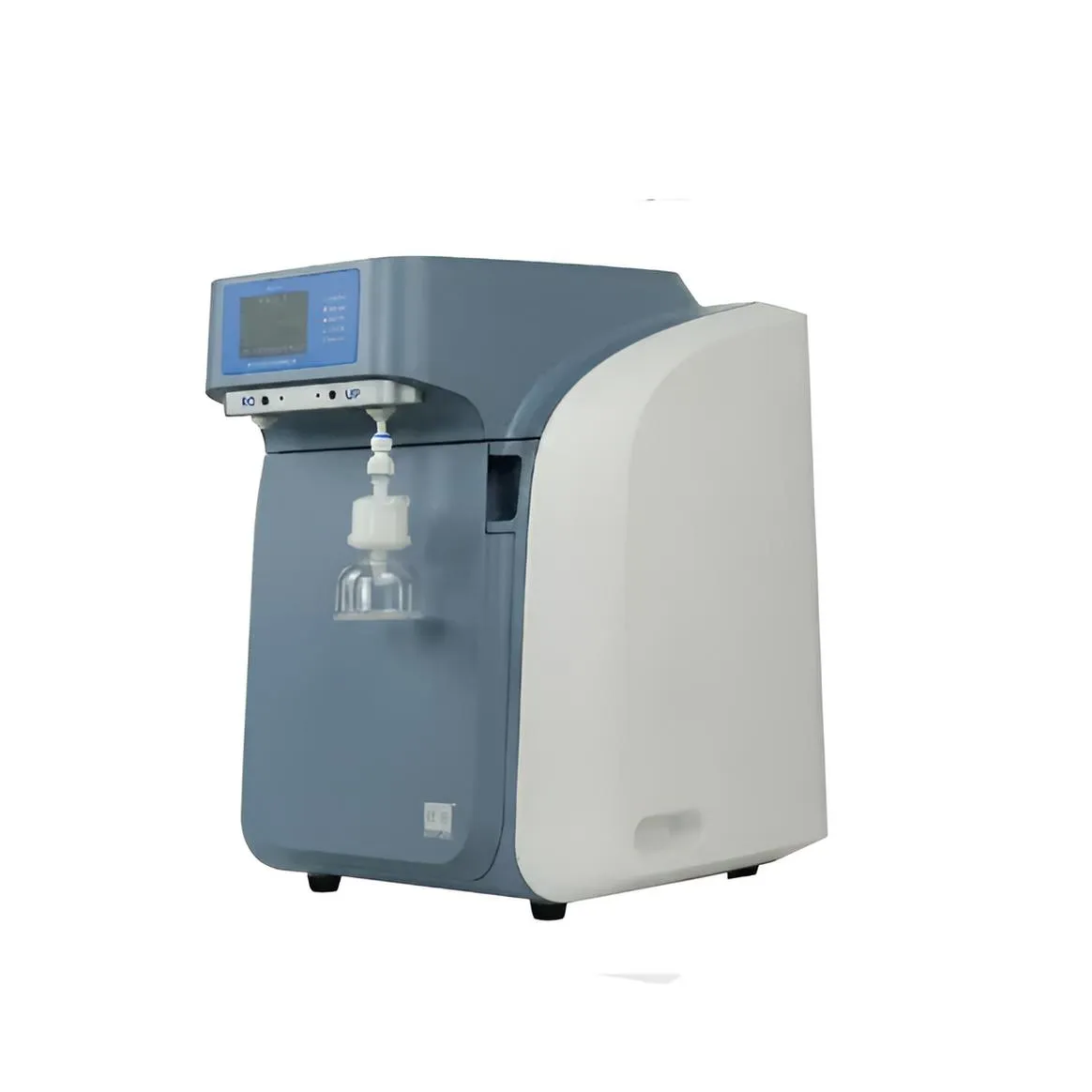
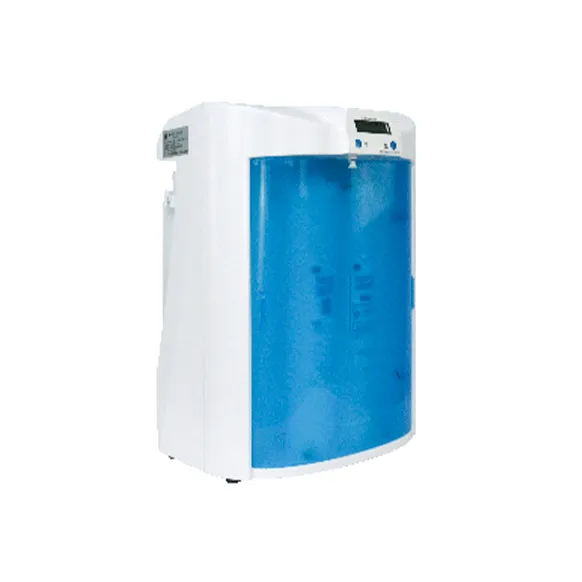
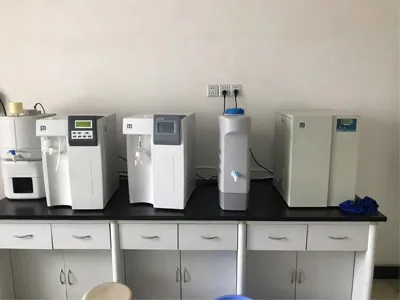
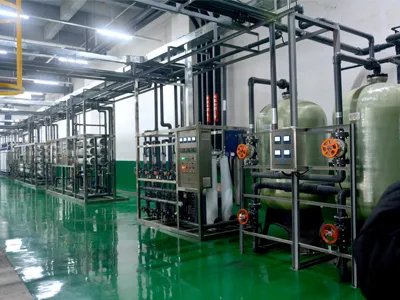
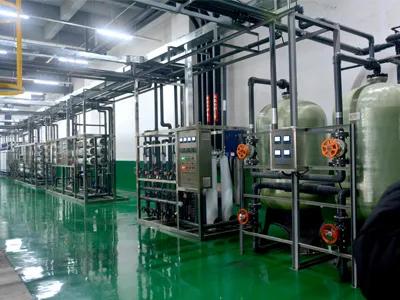
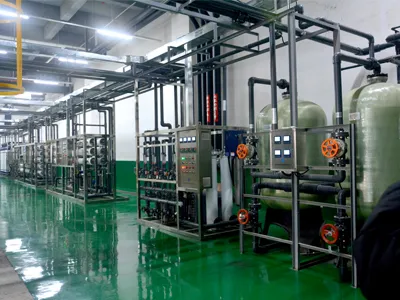
Pure water refers to purified water, which is generally sourced from municipal tap water. Through multiple filtration processes, harmful substances such as microorganisms can be removed, but minerals such as fluoride, potassium, calcium, and magnesium, which are essential for the human body, are also removed.
(1) Ozone Sterilization for Ultrapure Water Treatment
The disinfection principle of ozone (O3) is as follows: Ozone's molecular structure is unstable at room temperature and pressure, quickly decomposing into oxygen (O2) and single oxygen atoms (O). The latter has strong activity and a powerful oxidizing effect on bacteria, killing them. Excess oxygen atoms recombine to form ordinary oxygen atoms (O2), leaving no toxic residue. Therefore, it is called a pollution-free disinfectant. It not only has a strong killing ability against various bacteria (including hepatitis viruses, Escherichia coli, Pseudomonas aeruginosa, and other bacteria), but is also very effective in killing toxins.
① The sterilization mechanism and process of ozone is a biochemical process, oxidizing and decomposing the glucose oxidase necessary for the oxidation of glucose within bacteria.
② It directly interacts with bacteria and viruses, destroying their organelles and ribonucleic acid, decomposing DNA, RNA, proteins, lipids, and polysaccharides, thus disrupting the bacterial metabolic production and reproduction processes.
③ It penetrates the cell membrane, invading the cell membrane and acting on the outer membrane lipoproteins and internal lipopolysaccharides, causing permeability distortion and leading to cell lysis and death. It also dissolves and denatures the genetic material, parasitic bacteria, parasitic virus particles, bacteriophages, mycoplasmas, and pyrogens (bacterial and viral metabolites, endotoxins) within the dead bacteria.
(2) Activated Carbon Adsorption Pure Water Treatment Process
Activated carbon relies on adsorption and filtration to primarily remove organic impurities such as discoloration, odor, residual chlorine, and residual disinfectants from water.
(3) Membrane Microfiltration (MF) Pure Water Treatment Process
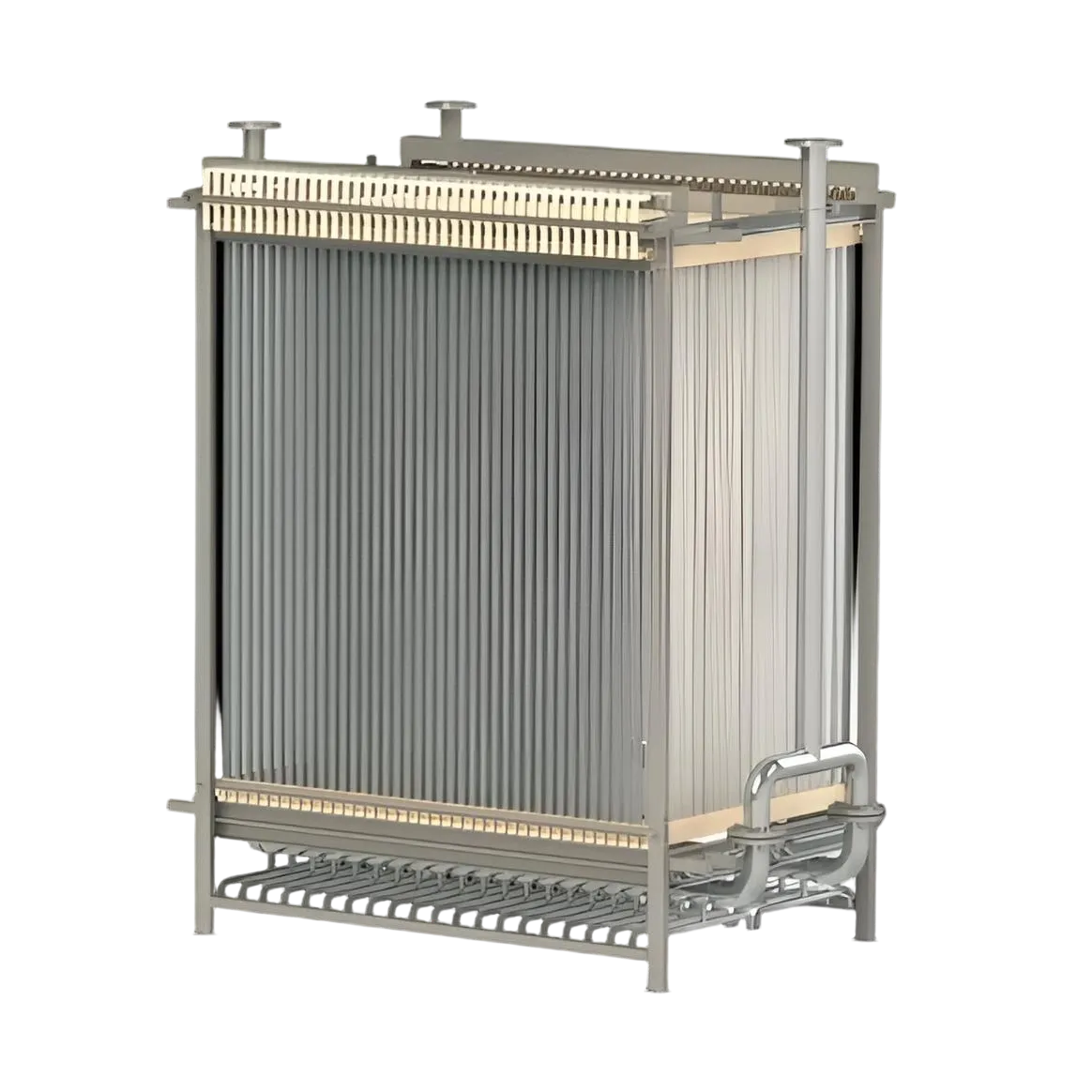
Membrane microfiltration includes three forms: depth filtration, screen filtration, and surface filtration.
Depth filtration uses a matrix made of woven fibers or compressed materials, employing inertial adsorption or capture to retain particles, such as commonly used multi-media filtration or sand filtration. Deep filtration is a relatively economical method, removing over 98% of suspended solids while protecting downstream purification units from clogging; therefore, it is often used as pretreatment.
Surface filtration has a multi-layered structure. When the solution passes through the filter membrane, particles larger than the internal pores are retained and mainly accumulate on the surface, such as commonly used PP fiber filters. Surface filtration can remove more than 99.9% of suspended solids, so it can also be used for pretreatment or clarification.
Sieve membranes have a uniform structure, like a sieve, retaining particles larger than the pore size on the surface (the pore size of this type of filter is very precise), such as the point-of-use security filters used in ultrapure water systems. Microfiltration is generally placed at the final point of use in the purification system to remove residual trace resin flakes, carbon deposits, colloids, and microorganisms.
(4) Ion Exchange (IX) Pure Water Treatment Process
The principle of ion exchange is to exchange inorganic salts and cations in the water, such as calcium ions (Ca2+), magnesium ions (Mg2+), sulfate (SO42-), and nitrate (NO3-), with ion exchange resin, thereby purifying the water. (5) Reverse Osmosis (RO) Pure Water Treatment Process
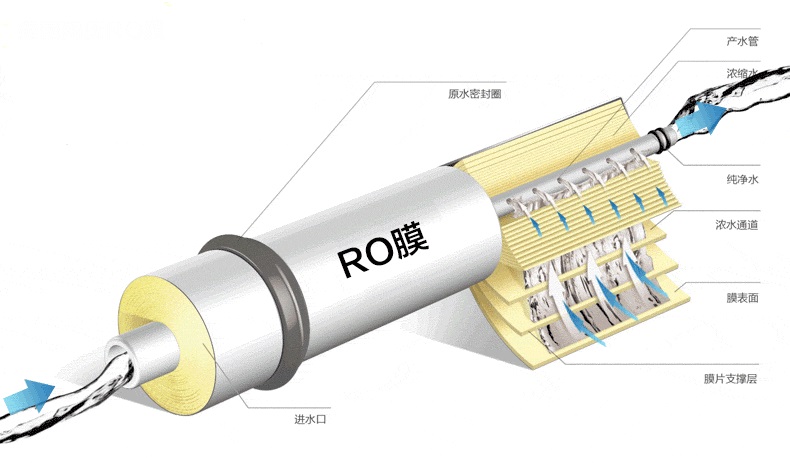
It is a process that uses pressure as the driving force and the selective permeability of the reverse osmosis membrane (which allows water to pass through but not solutes) to extract pure water from water containing various inorganic substances, organic substances, and microorganisms. The pore size of the reverse osmosis membrane is less than 10 angstroms (1 angstrom equals 10⁻¹⁰ meters), possessing extremely strong sieving properties. Its desalination rate is as high as 99%, and its sterilization rate is greater than 99.5%. It can remove impurities such as inorganic salts, sugars, amino acids, bacteria, and viruses from water. Based on the raw water quality and product water quality, and with proper design, RO is the most economical and effective method for purifying tap water, and also the best pretreatment method for ultrapure water systems.
(6) Ultrafiltration (UF) Pure Water Treatment Process
While microporous membranes remove particles based on the size of their pores, ultrafiltration (UF) membranes act like molecular sieves, allowing the solution to pass through extremely fine pores based on size, thereby separating molecules of different sizes in the solution. Ultrafiltration membranes are strong, thin, and selectively permeable membranes, typically with a pore size of approximately 0.01 μm. They can retain molecules larger than a certain size, including colloids, microorganisms, and pyrogens. Smaller molecules, such as water and ions, can pass through the membrane.
(7) Ultraviolet (UV) and Ozone Sterilization Ultrapure Water Treatment Process
Using 254nm/185nm ultraviolet light emitted by UV lamps can effectively kill bacteria and degrade organic matter.
(8) EDI Pure Water Treatment Process
A new deionized water treatment method. Also known as continuous electro-desalination technology, the EDI device sandwiches ion exchange resin between anion/cation exchange membranes to form an EDI unit. This method does not require regeneration of the resin with acids or alkalis, making it environmentally friendly.