






Phone:
0086 28 87573647
+86 19150187139

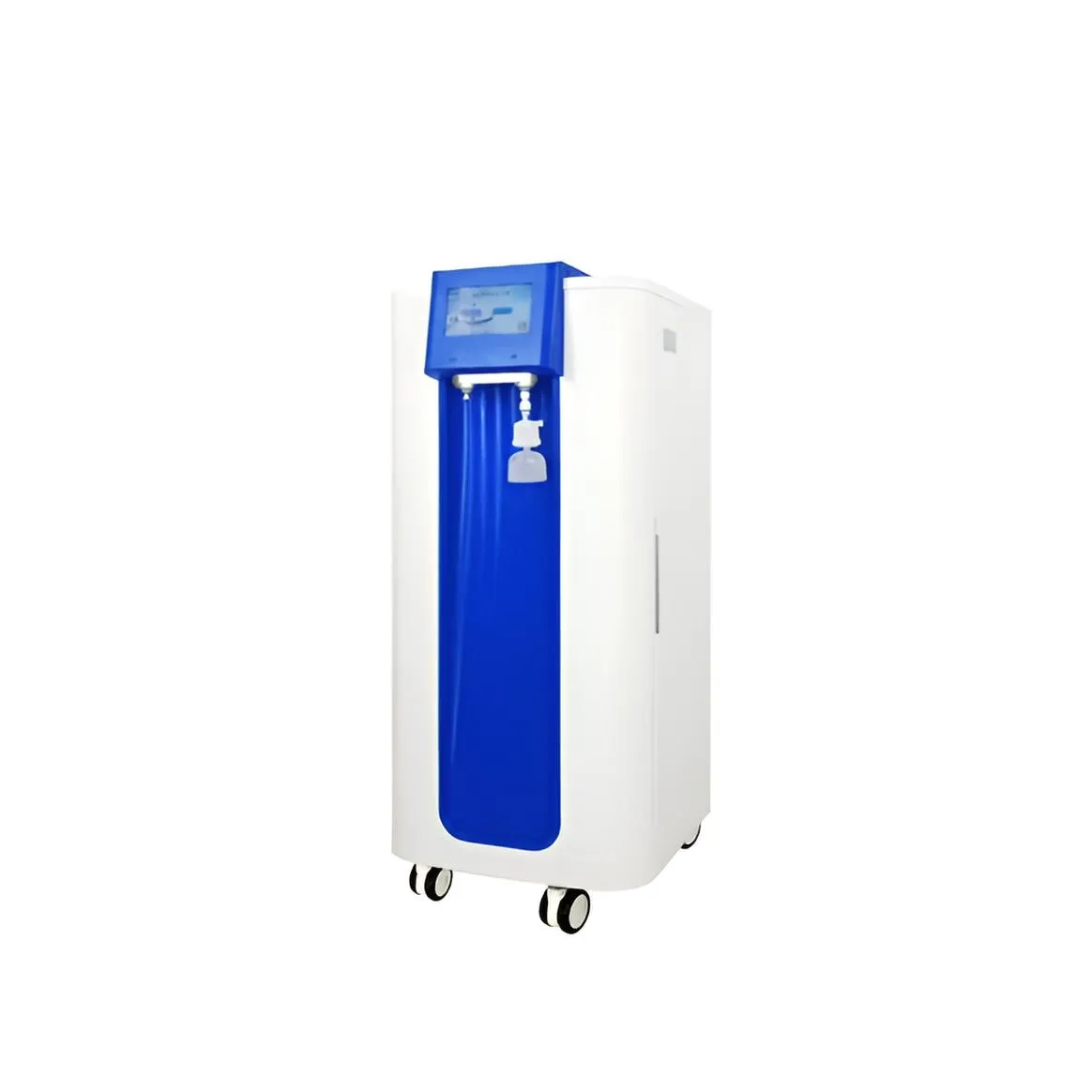
Ultrapure water equipment inevitably encounters some problems during use, affecting its performance. So, how do you handle these malfunctions during ultrapure water equipment operation?
I. Membrane housing rupture, carbon leakage, excessively high or low water pressure. The inlet water pressure for ultrapure water equipment is 0.1 MPa–0.35 MPa. Too low a pressure will affect the output water volume; too high a pressure will cause membrane damage. Common problems such as leaking low-pressure switches, leaking activated carbon, damaged activated carbon housings, and ruptured ultrafiltration membrane housings are all related to excessive water pressure.
Solution: Before installing ultrapure water equipment, first measure the water pressure to ensure it is within the operating range. If the water pressure is too high, communicate with the user and install a pressure reducing valve. If the water pressure is too low, advise the user to install a booster pump.
II. When the ultrapure water equipment is treating raw water, the high-pressure pump may stop unexpectedly, and the pump will not stop automatically when the high-pressure pump stops.
Solution: If this happens, check if the solenoid valve of the ultrapure water equipment is malfunctioning. A malfunctioning solenoid valve will cause water interruption or reduced wastewater flow. Simply replace or repair the solenoid valve.
III. After the water tank is full, the ultrapure water equipment repeatedly starts and stops.
Solution: This may be due to insufficient pressure of the raw water filling the ultrapure water equipment, a malfunctioning high-pressure switch, or a malfunctioning level switch.
IV. The water from the new equipment has an odor. After the ultrapure water equipment is installed, it must be flushed first. Proper flushing ensures normal operation later. Incorrect flushing sequence can cause many problems. The outlet of an ultrapure water system requires a food-grade hose. If the hose material used at the outlet is substandard, the hose itself will have an unpleasant rubber odor.
Solution: After installation, properly flush the ultrapure water system and correctly instruct the user on how to use it. Choose high-quality food-grade hoses when installing the ultrapure water system to avoid unnecessary problems.
V. The pressure tank of the ultrapure water system is full, but the purified water obtained from the treated raw water cannot flow out.
Solution: If this occurs, check if there is a leak in the pressure tank or if the post-activated carbon filter is clogged. Clean it if necessary.
VI. Insufficient ultrapure water flow.
Solution: If this occurs, it may be due to a clogged pre-filter, insufficient pressure from the high-pressure pump, etc. Addressing these issues will resolve the problem.
The above is an introduction to how to handle these malfunctions that occur during the use of ultrapure water systems. Hopefully, this information is helpful. If you encounter any of these problems, you can follow the solutions above to resolve them more quickly.





