


Phone:
0086 28 87573647
+86 19150187139

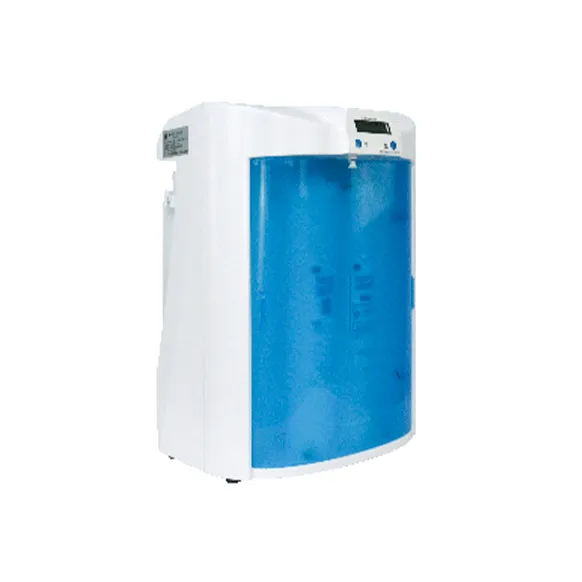
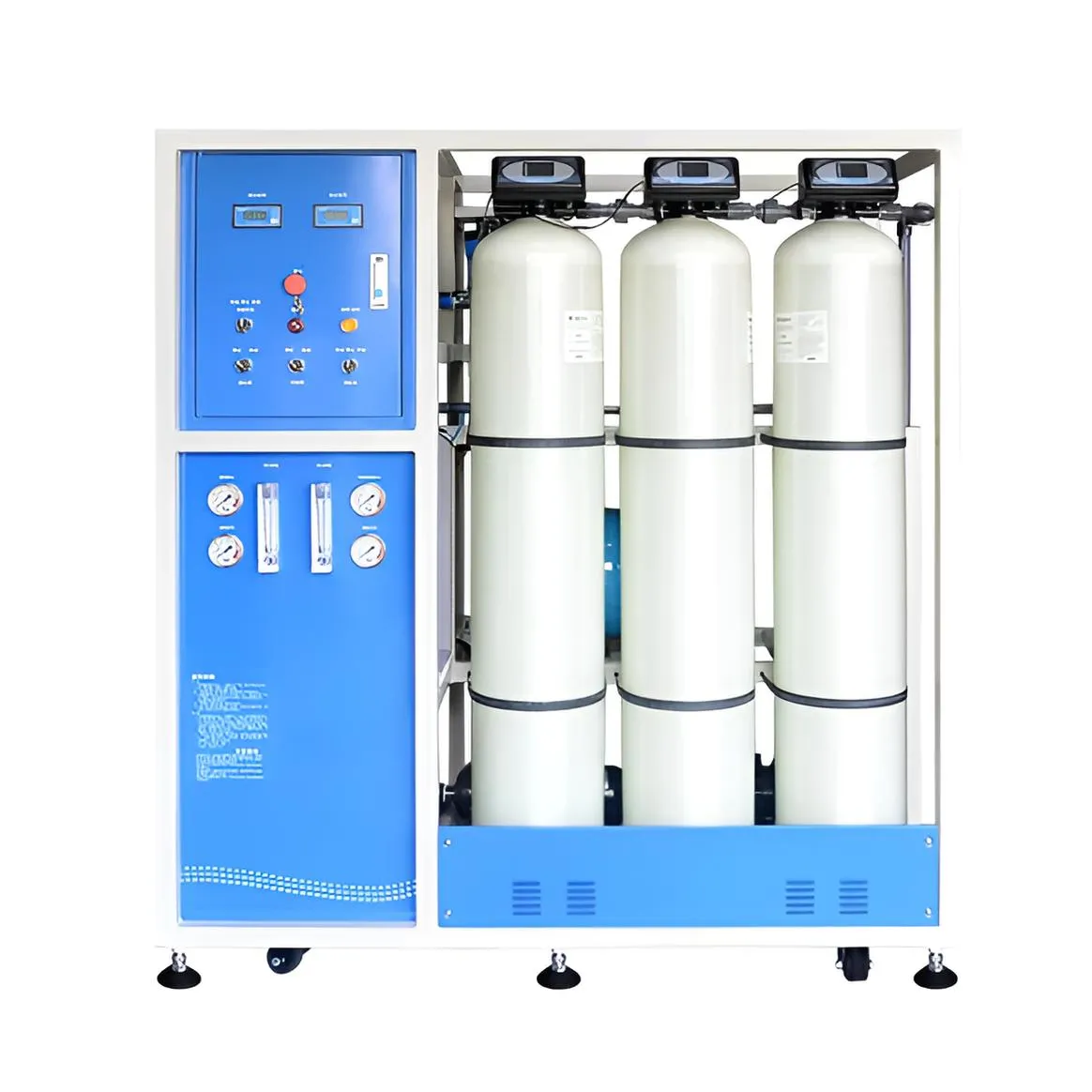
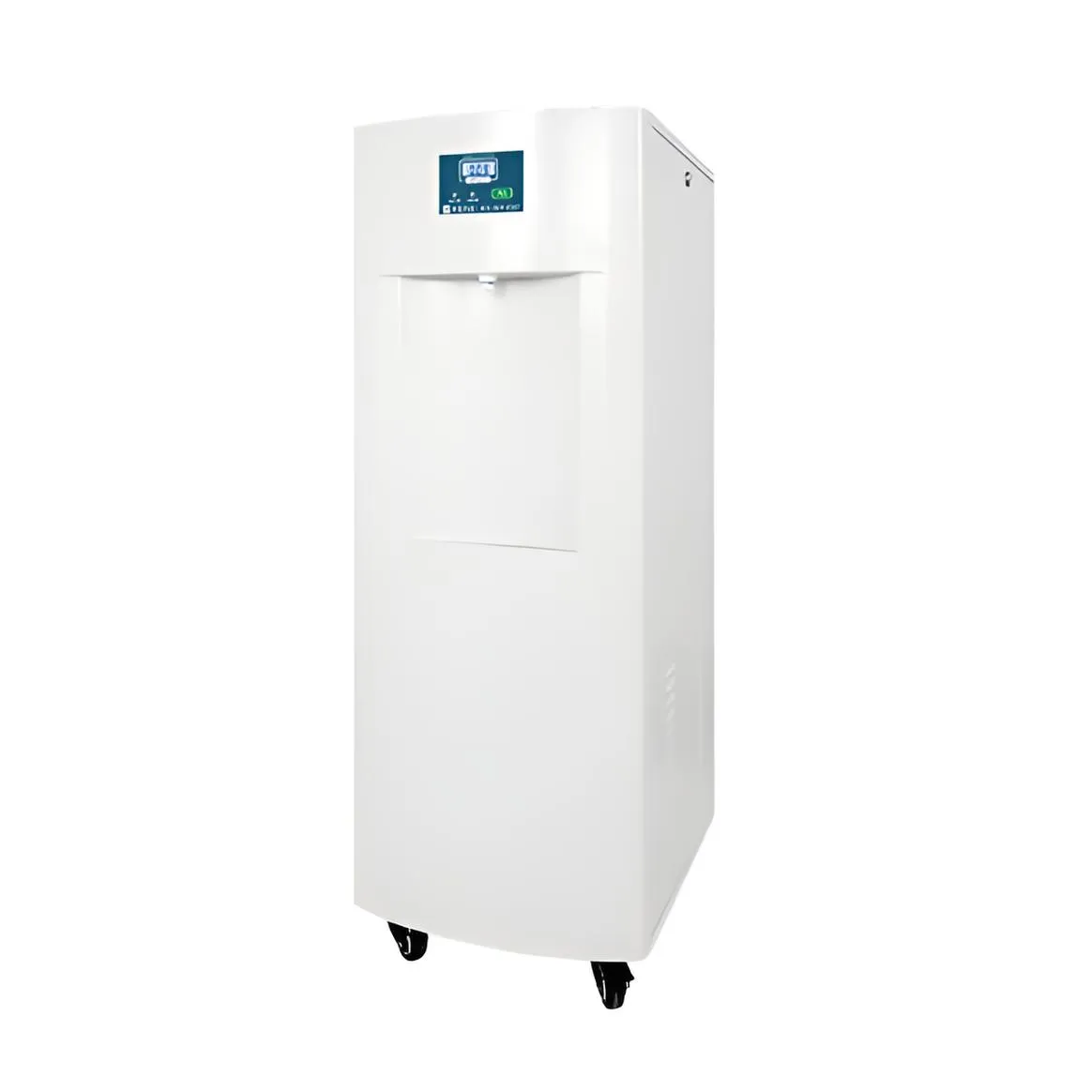
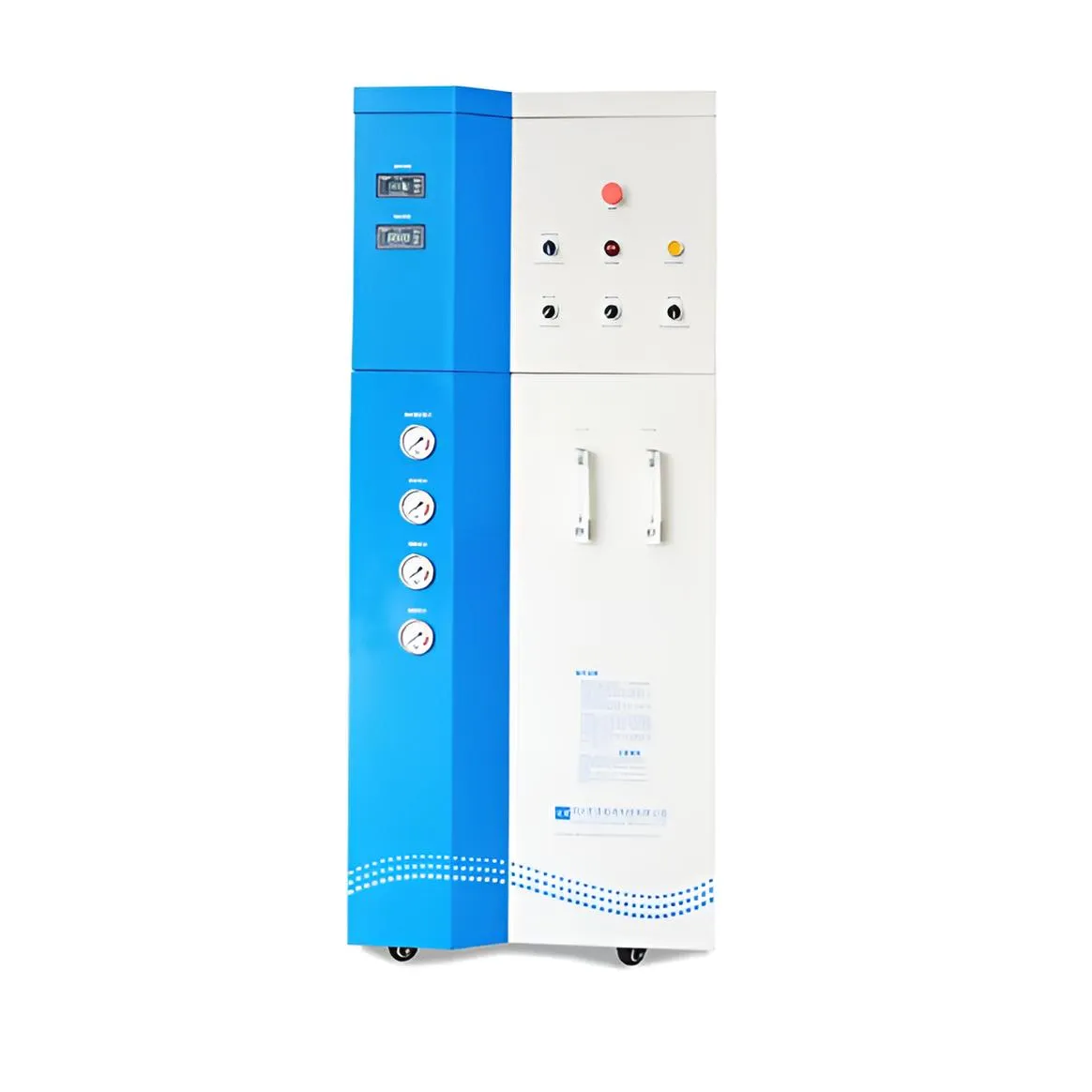
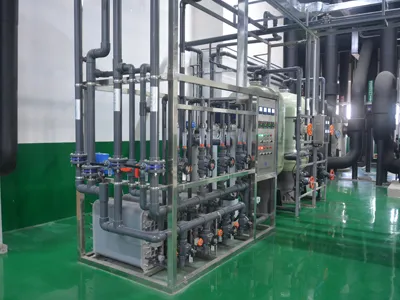
A complete ultrapure water system consists of an ultrafiltration system, a reverse osmosis system, etc. Today, we'll introduce the ultrafiltration system and the requirements for the influent water in an ultrapure water system.
1. Reducing Influent Turbidity:
When water contains suspended solids, colloids, microorganisms, and other impurities, it will produce a certain degree of turbidity. This turbidity will obstruct the transmission of light; this optical effect is related to the amount, size, and shape of the impurities.
2. Killing Microorganisms (Bacteria, Algae):
When water contains microorganisms, some of the trapped microorganisms may adhere to the pretreatment system, such as the surface of the media in a multi-media filter, after entering the pretreatment system. When they adhere to the ultrafiltration membrane surface, they grow and multiply, potentially completely clogging the micropores and even the hollow fiber cavity.
3. Removal of Soluble Organic Matter:
Soluble organic matter cannot be completely removed by flocculation sedimentation, multi-media filtration, or ultrafiltration. Currently, oxidation or adsorption methods are commonly used.
(1) Oxidation method: Using chlorine or sodium hypochlorite for oxidation is effective in removing soluble organic matter. Ozone and potassium permanganate are also good oxidants, but their cost is slightly higher.
(2) Adsorption method: Using activated carbon or macroporous adsorption resin can effectively remove soluble organic matter. However, for alcohols and phenols that are difficult to adsorb, oxidation is still necessary.
4. Removal of suspended solids and colloidal substances:
For impurities with a particle size greater than 5 μm, a filter with a 5 μm filtration precision can be used for removal. However, for fine particles and colloids between 0.3 and 5 μm, although ultrafiltration has an absolute removal effect on these particles and colloids, it is extremely harmful to hollow fiber ultrafiltration membranes. In particular, colloidal particles carry an electric charge and are aggregates of molecules and ions. The stability of colloids in water is mainly due to the mutual repulsion of colloidal particles with the same charge. Adding a charged substance (flocculator) with the opposite charge to the colloidal particles to the raw water breaks down the stability of the colloidal particles, neutralizing them and causing the dispersed particles to aggregate into large clumps, which can then be easily removed by filtration or sedimentation.
The above is an introduction to the influent requirements of the ultrafiltration system in an ultrapure water system. For more information on ultrapure water systems, please contact us.