



Phone:
0086 28 87573647
+86 19150187139

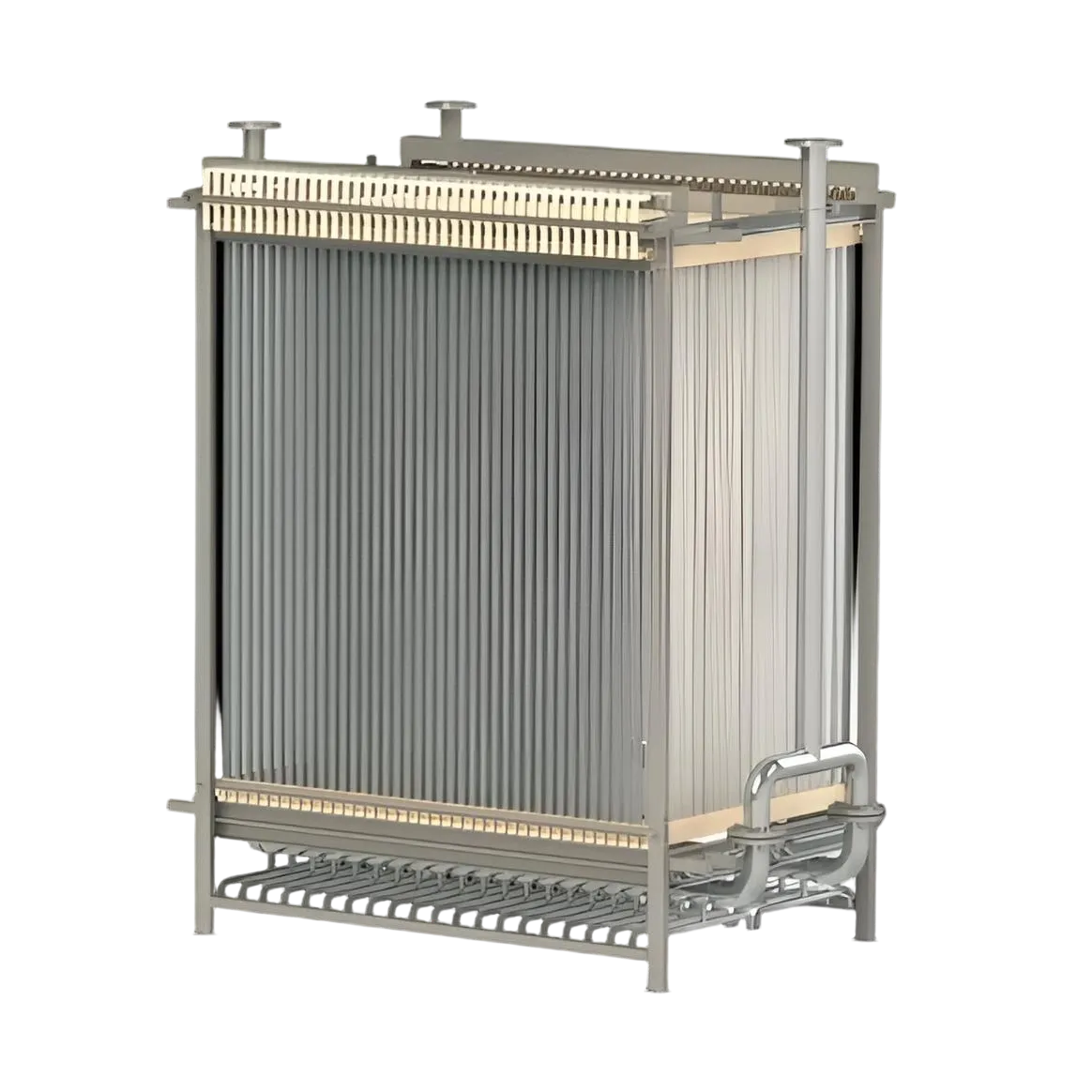
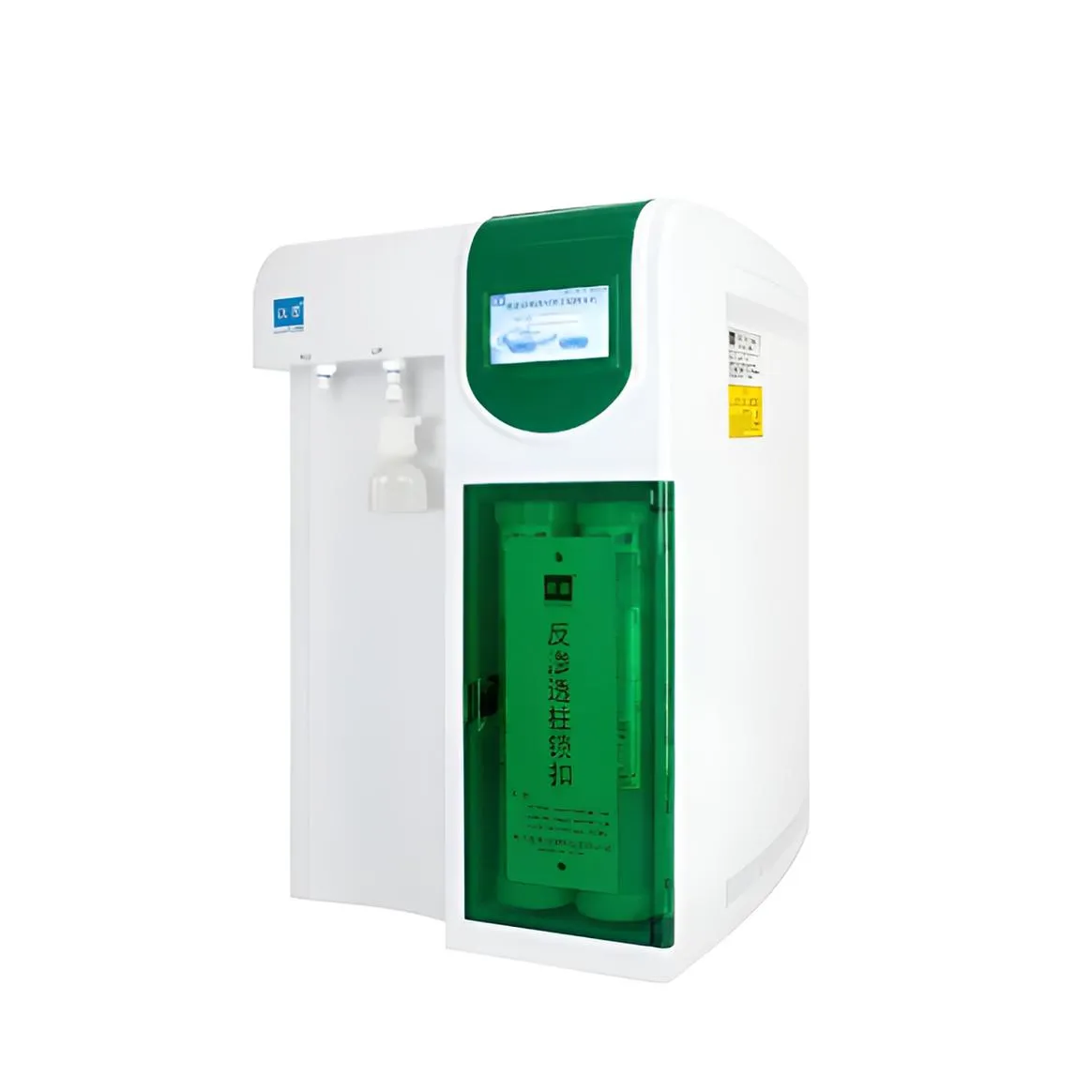
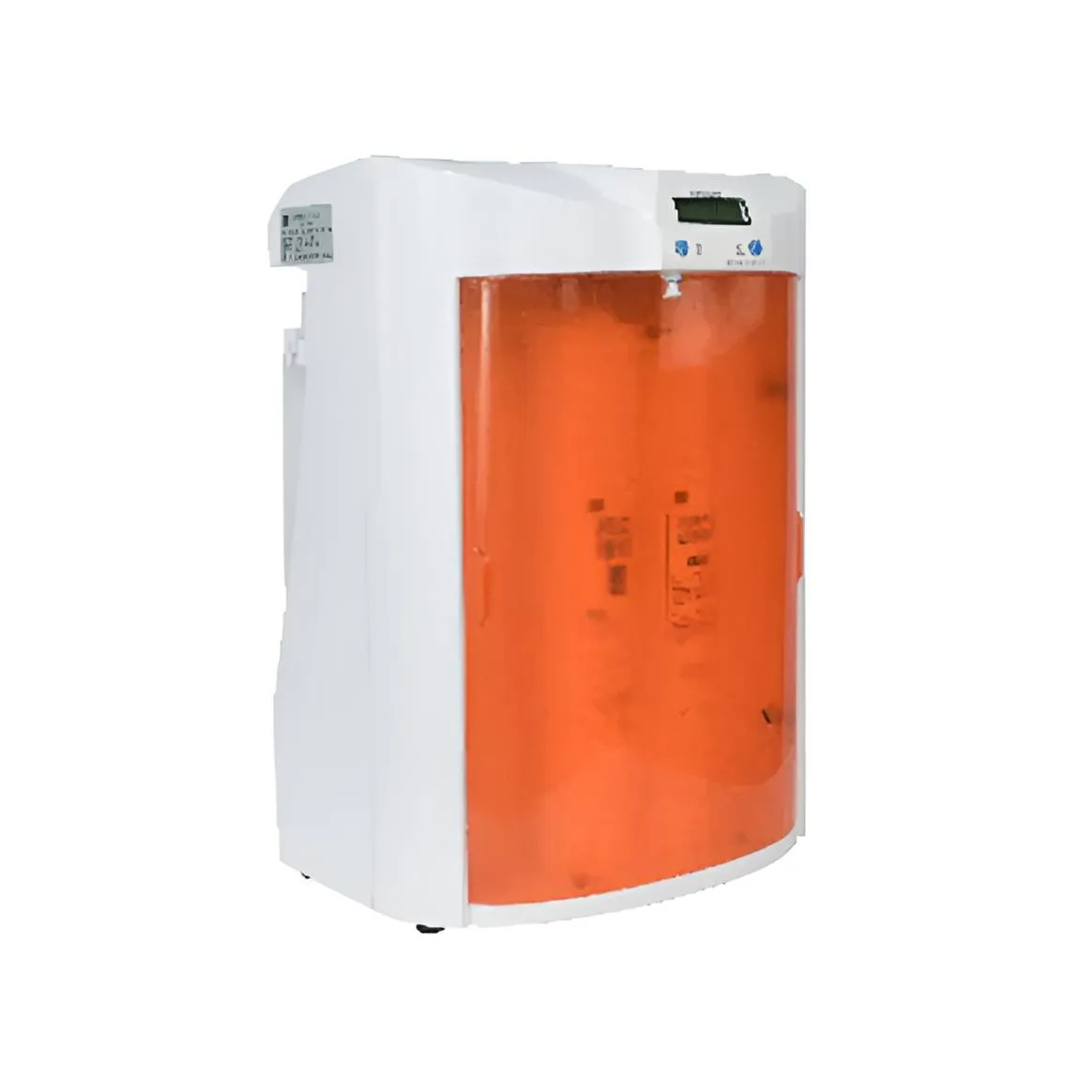
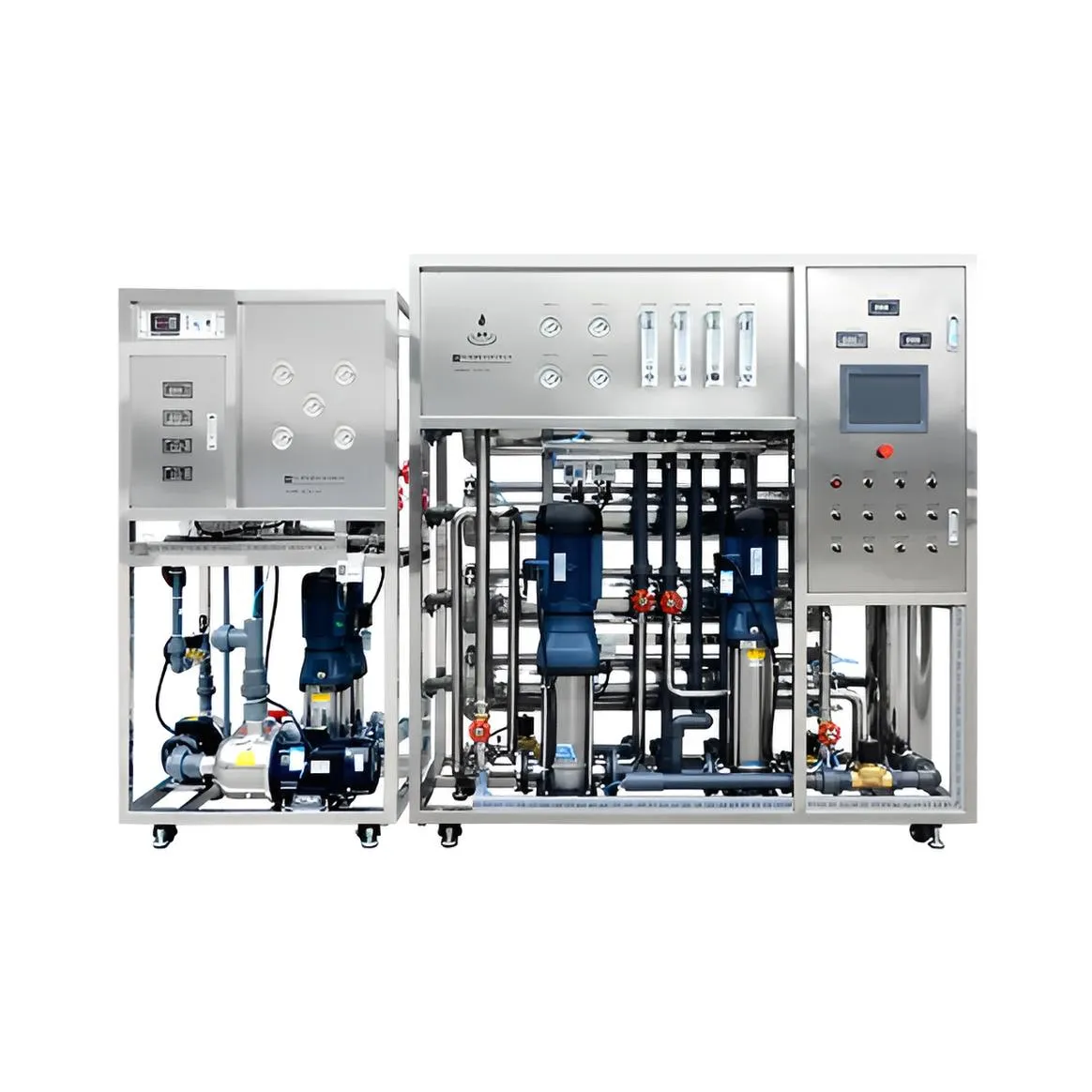
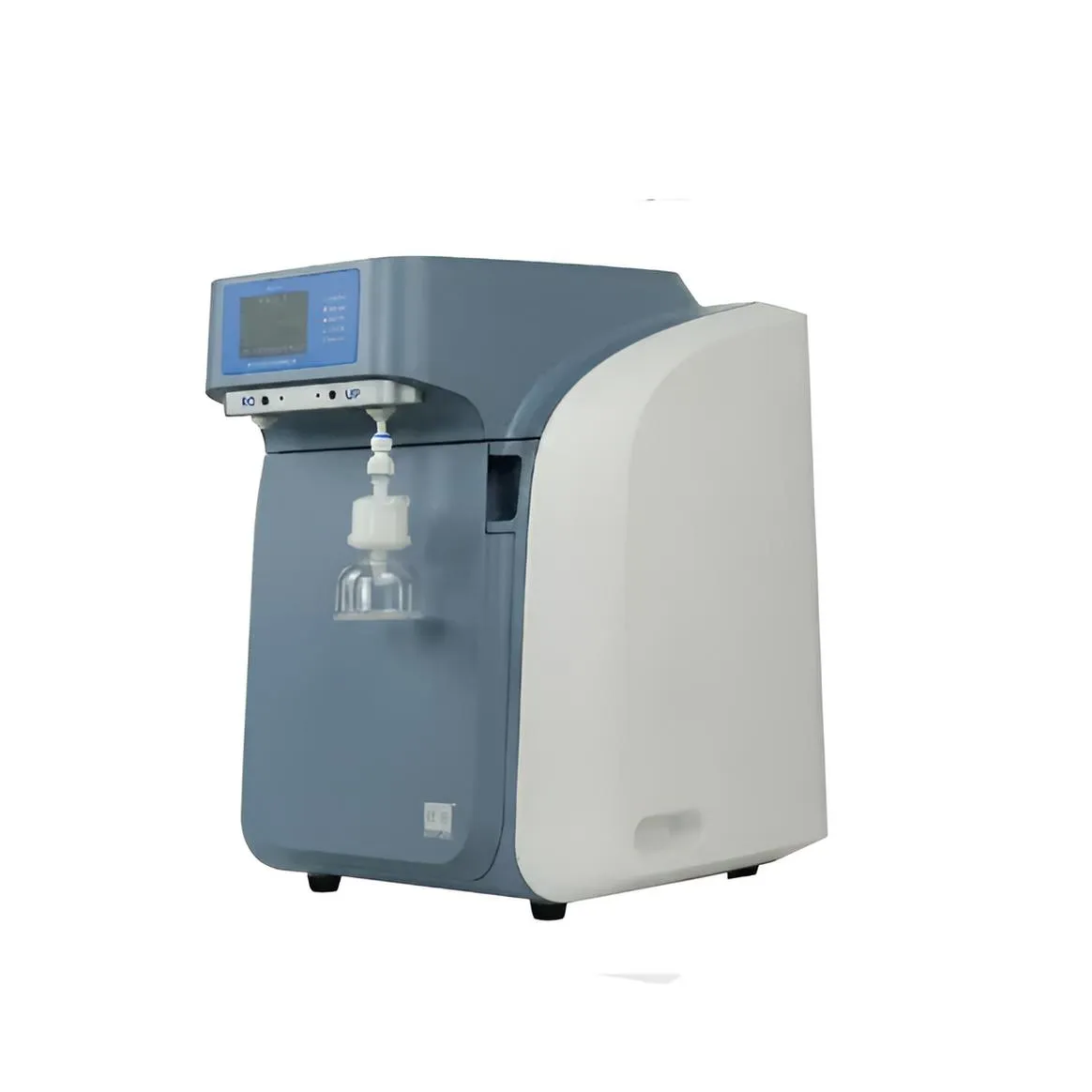
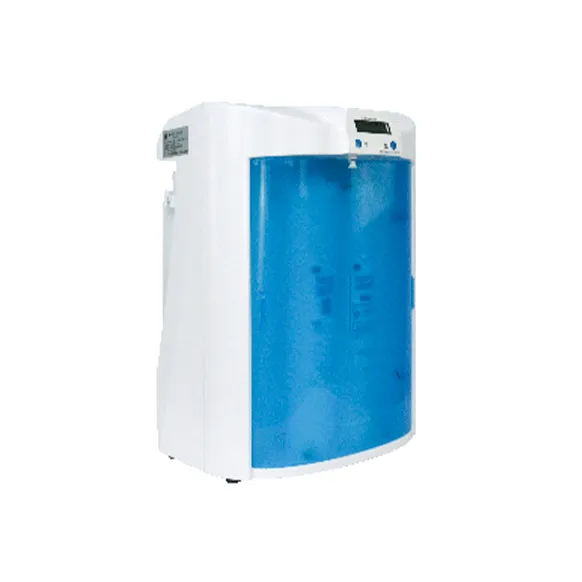
Laboratory ultrapure water systems, as indispensable equipment in modern scientific research laboratories, play a crucial role in scientific research, education, and medical fields due to their unique performance and characteristics. Below, we will analyze the features of laboratory ultrapure water systems in detail from several aspects.
First, laboratory ultrapure water systems possess highly efficient water production capabilities. Utilizing advanced membrane filtration and reverse osmosis technologies, ultrapure water systems can rapidly process large volumes of water, ensuring stable and reliable output water quality. Simultaneously, ultrapure water systems also have automatic adjustment functions, providing water of different specifications and purities according to the specific needs of the laboratory, meeting the requirements of various experiments and analyses.
Second, laboratory ultrapure water systems have intelligent control systems. These intelligent control systems enable automated operation, real-time water quality monitoring, and automatic fault indication. Through a large LCD screen displaying the operating status, users can understand the equipment's operating status in real time and promptly identify and address potential problems. Furthermore, ultrapure water systems also have safety protection functions such as low-pressure or water shortage protection, consumable expiration date reminders, and alarms, ensuring safe and reliable operation of the equipment.
Laboratory ultrapure water systems are energy-saving and environmentally friendly. Ultrapure water systems employ advanced energy-saving technologies, effectively reducing energy consumption and emissions, aligning with current environmental trends. Furthermore, their simple and compact design facilitates daily maintenance and upkeep, lowering operating costs.
In addition, laboratory ultrapure water systems have a wide range of applications. Producing water with a purity of 18.2 megohms, meeting the requirements for production water in the electronics industry, they are suitable not only for laboratory research but also for industrial production in semiconductors, integrated circuit chips, LCD displays, and various electronic devices. This gives laboratory ultrapure water systems broad application prospects across multiple fields.
Users also enjoy a user-friendly operating experience with laboratory ultrapure water systems. The equipment features a simple and easy-to-use interface, allowing users to easily start, stop, and set parameters. Additionally, the system offers a quantitative water dispensing function, allowing users to dispense the appropriate amount of ultrapure water as needed, improving experimental efficiency.
In conclusion, laboratory ultrapure water systems, with their high water production capacity, intelligent control system, energy-saving and environmentally friendly features, and wide range of applications, provide scientific research laboratories with efficient, reliable, and safe ultrapure water solutions. They have become an indispensable piece of equipment in modern scientific research laboratories.