







Phone:
0086 28 87573647
+86 19150187139

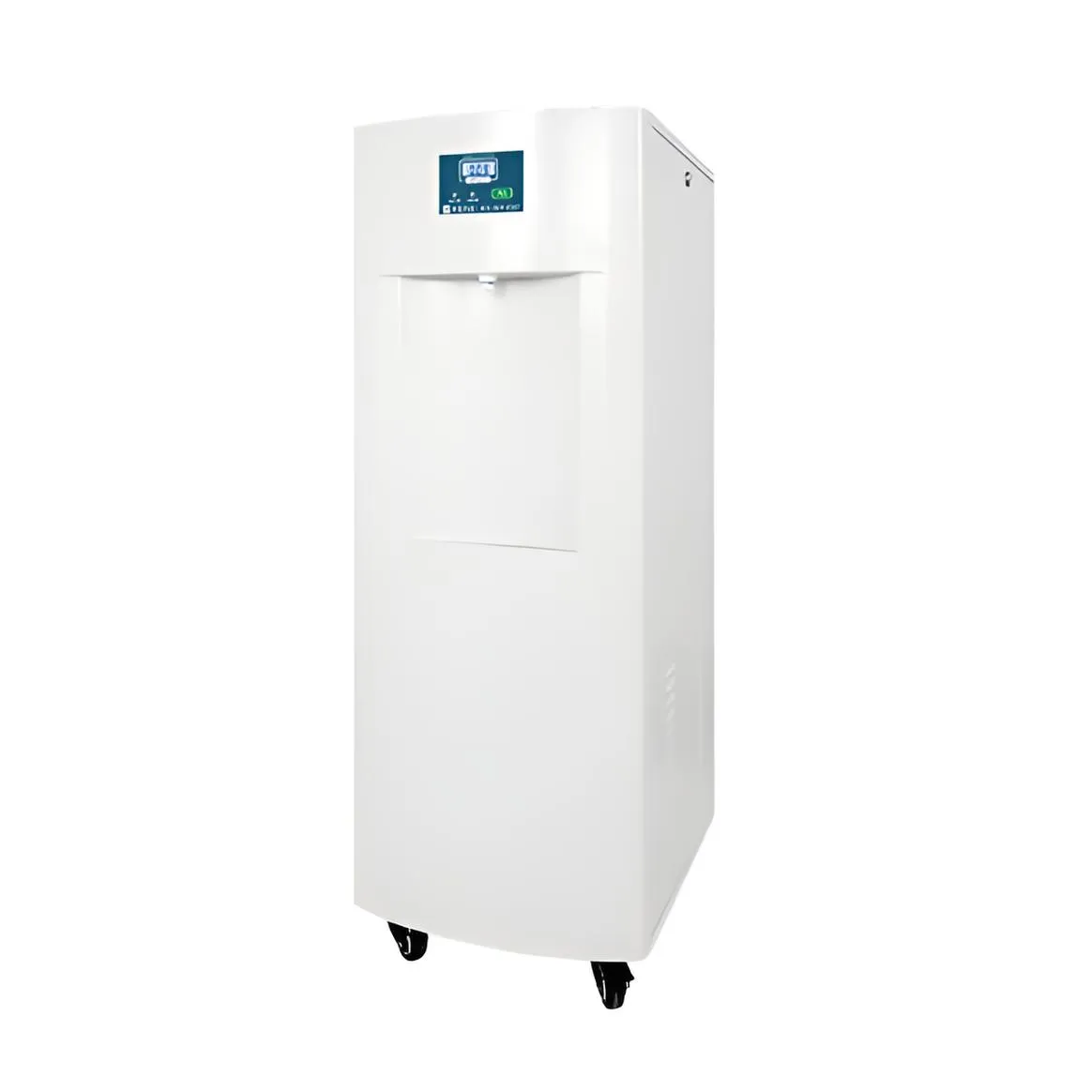
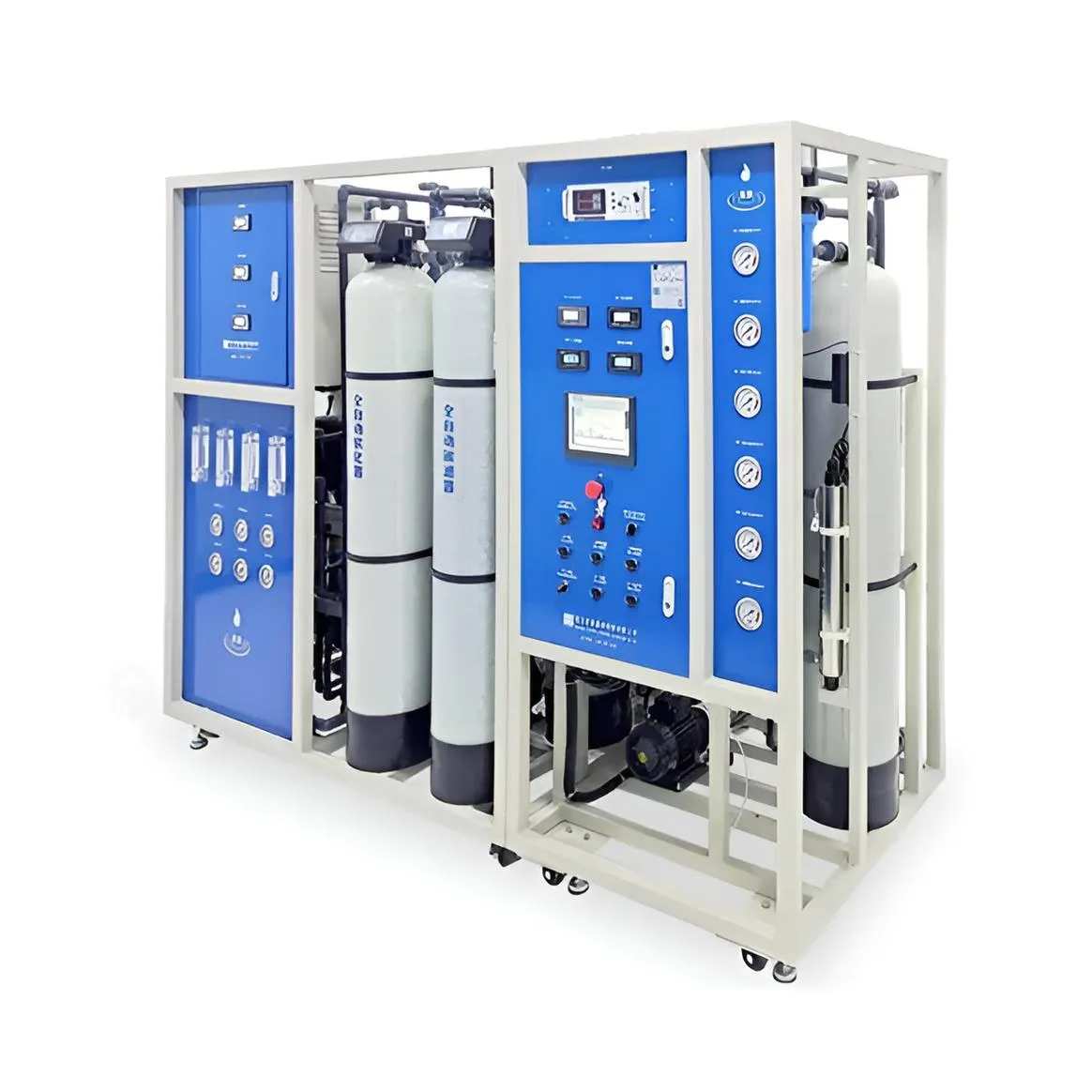
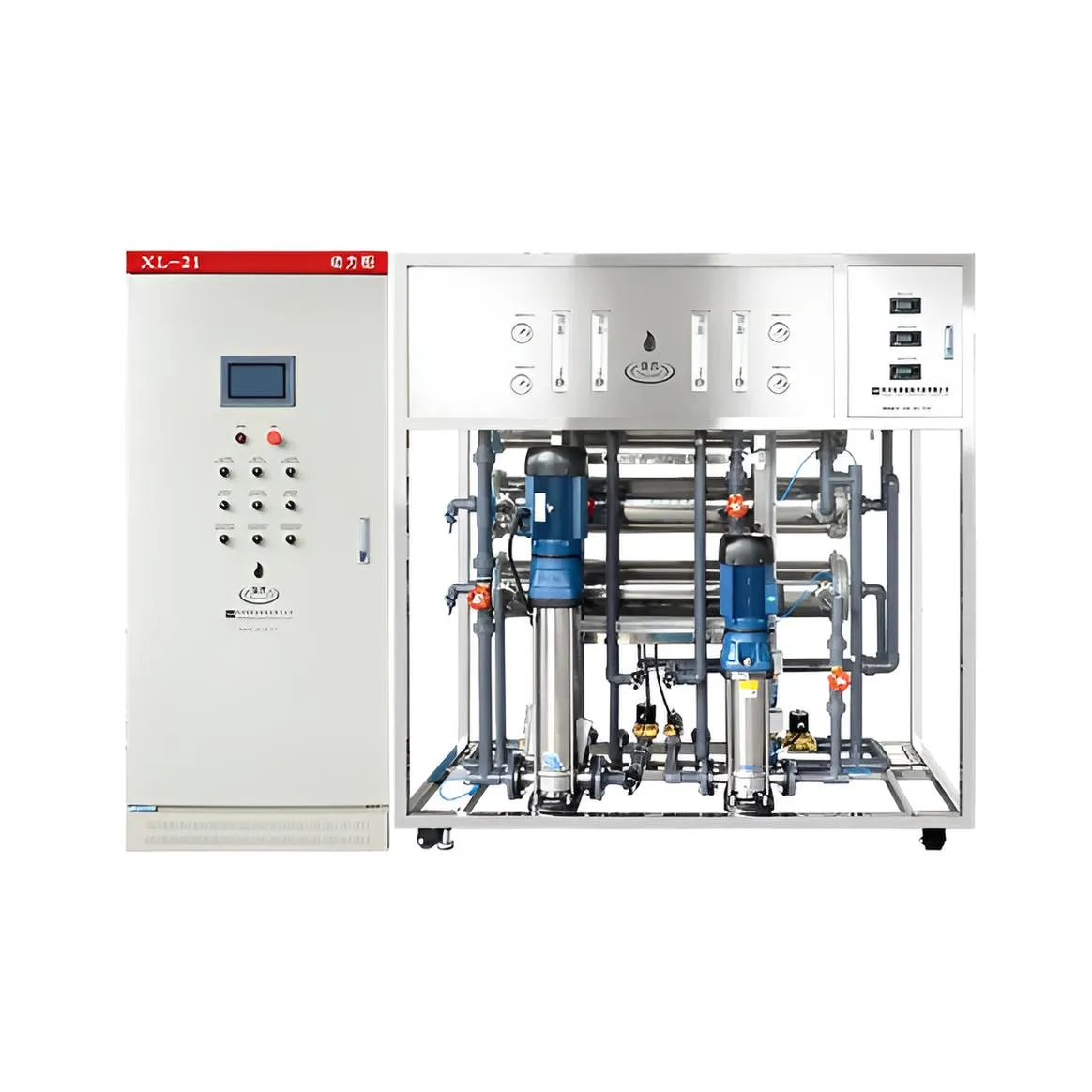
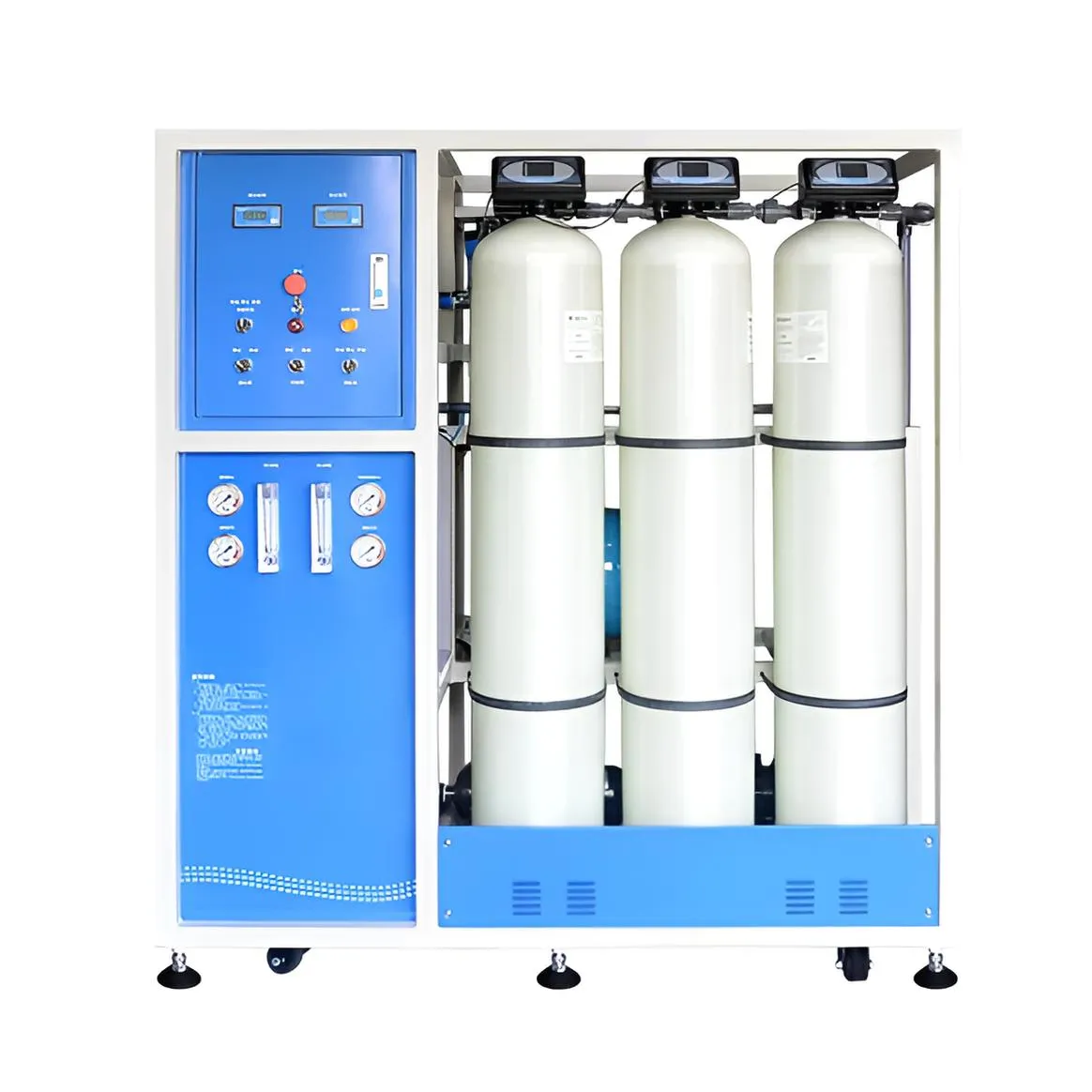
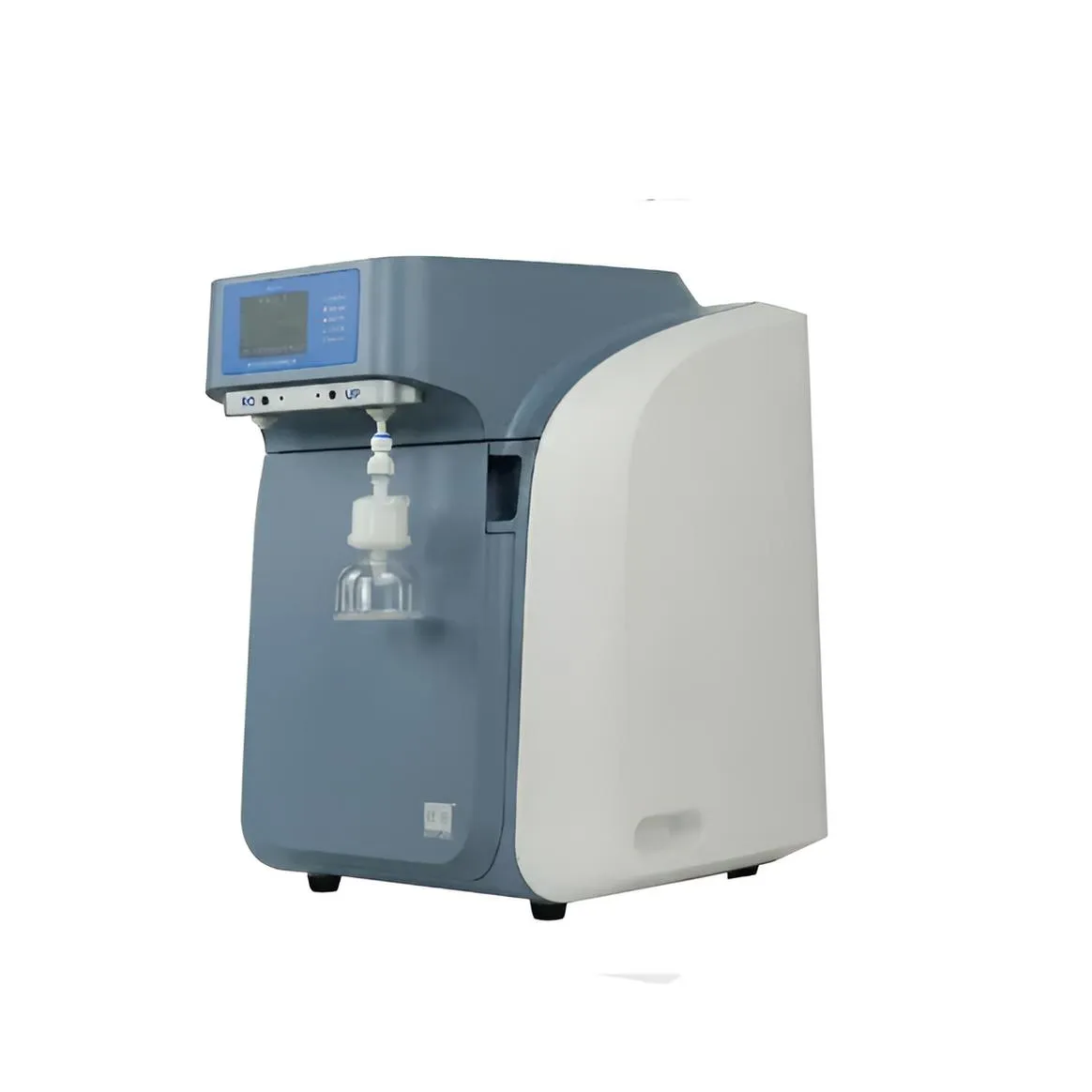
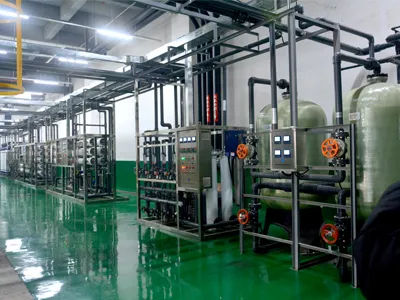
Ultrapure water is now widely used in biology, laboratory, and industrial fields, and ultrapure water equipment has solved water quality problems in many areas. Some users have found that the resistivity of the ultrapure water produced by their equipment deviates, resulting in substandard water quality. So today, let's look at what causes low resistivity in ultrapure water production.
1. Low resistivity in ultrapure water production may be affected by the quality of the raw water. Deviations in the conductivity of the raw water will naturally affect the resistivity of the produced water.
2. A malfunctioning backwashing function in the ultrapure water equipment, such as clogged filters or a broken backwashing mechanism, can also lead to low resistivity in the output water.
3. Damaged or expired reverse osmosis (RO) membrane elements in the ultrapure water equipment.
4. Failure to clean the RO system in a timely manner when the desalination rate and water production rate increase or decrease.
5. Failure to follow the operating instructions and maintenance procedures for the ultrapure water equipment. The above is an introduction to the reasons why the resistivity of ultrapure water produced by ultrapure water equipment is low. All of the above reasons can lead to a decrease in the resistivity of ultrapure water produced by ultrapure water equipment. Therefore, users must pay attention to these issues when using ultrapure water equipment and promptly identify and resolve them.





