





Phone:
0086 28 87573647
+86 19150187139

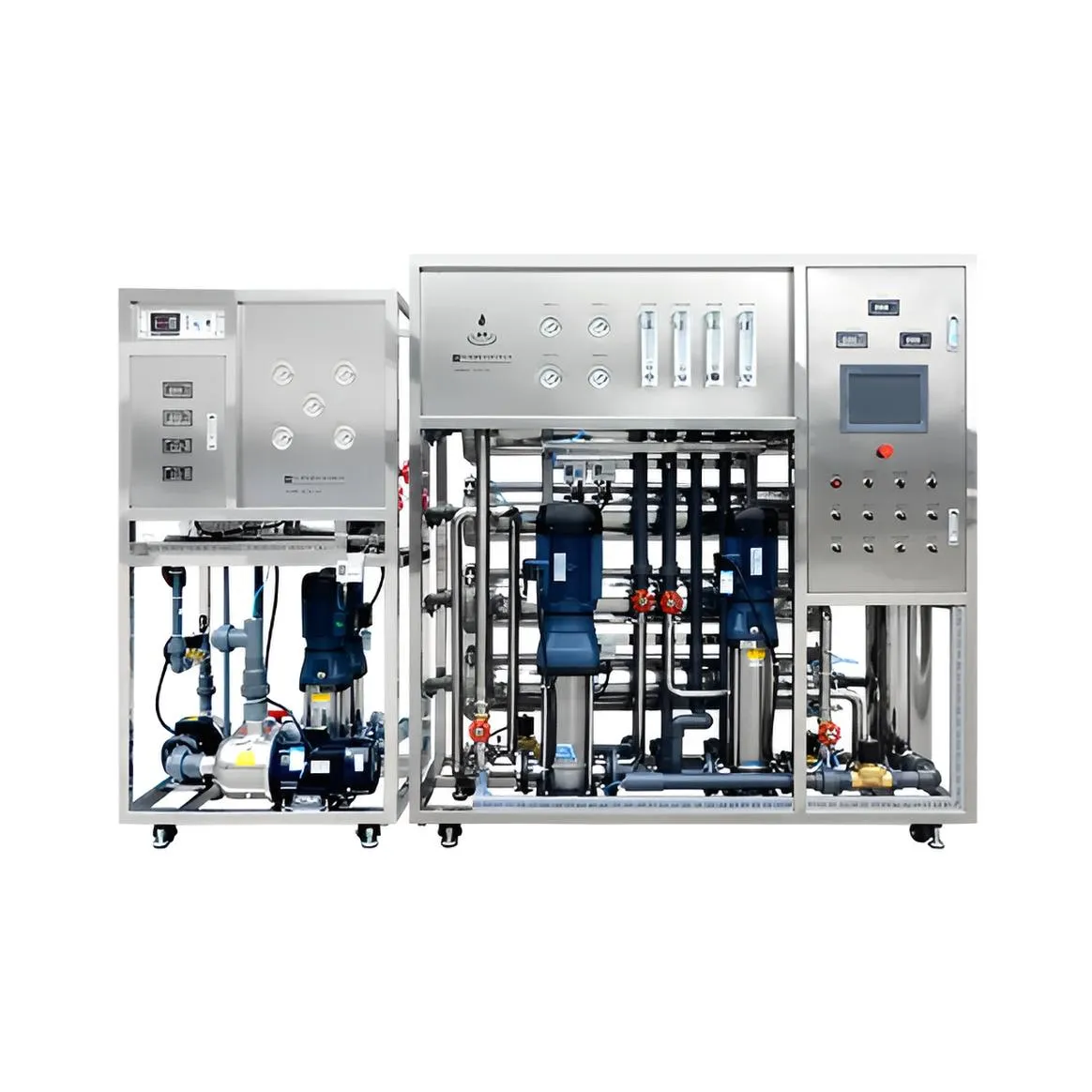
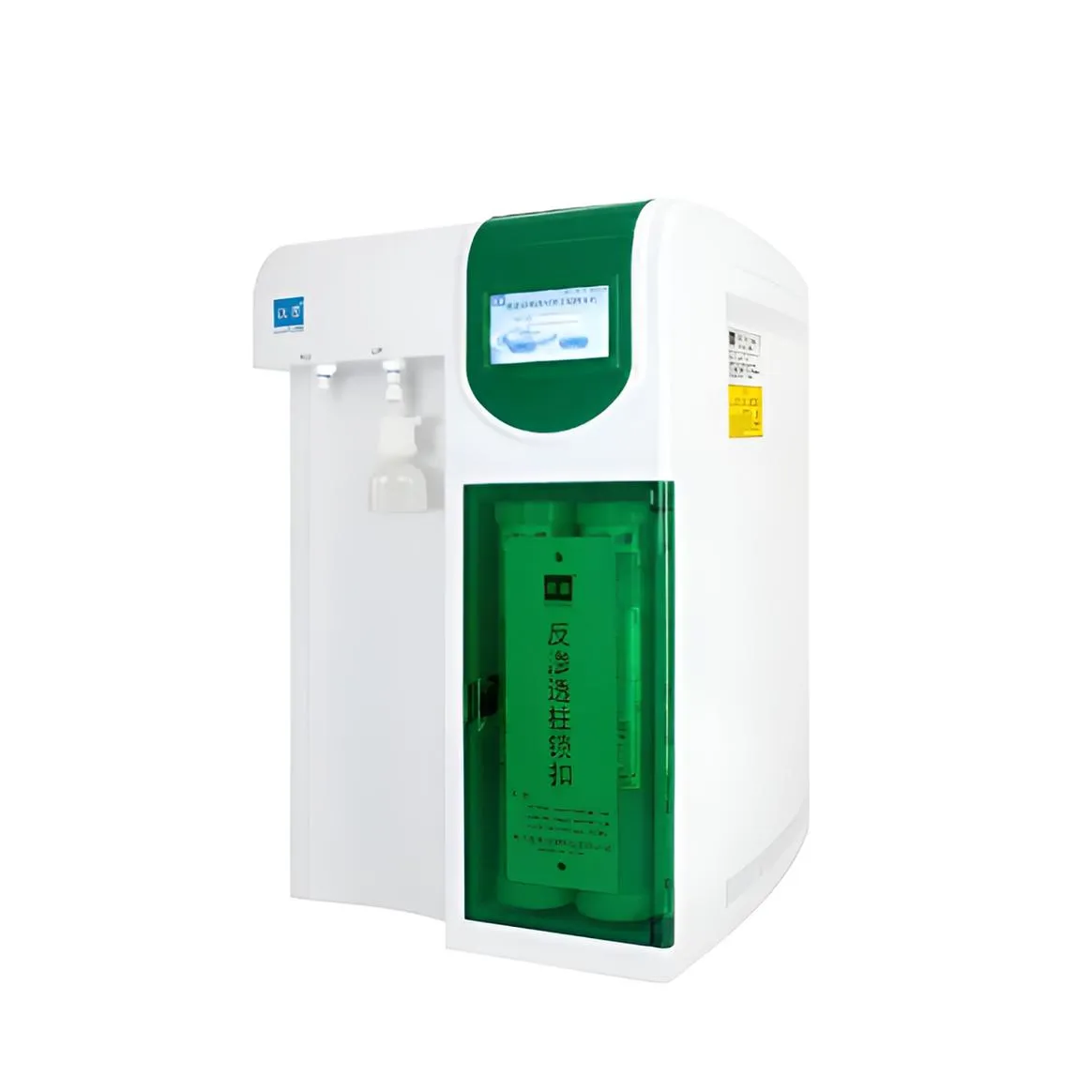
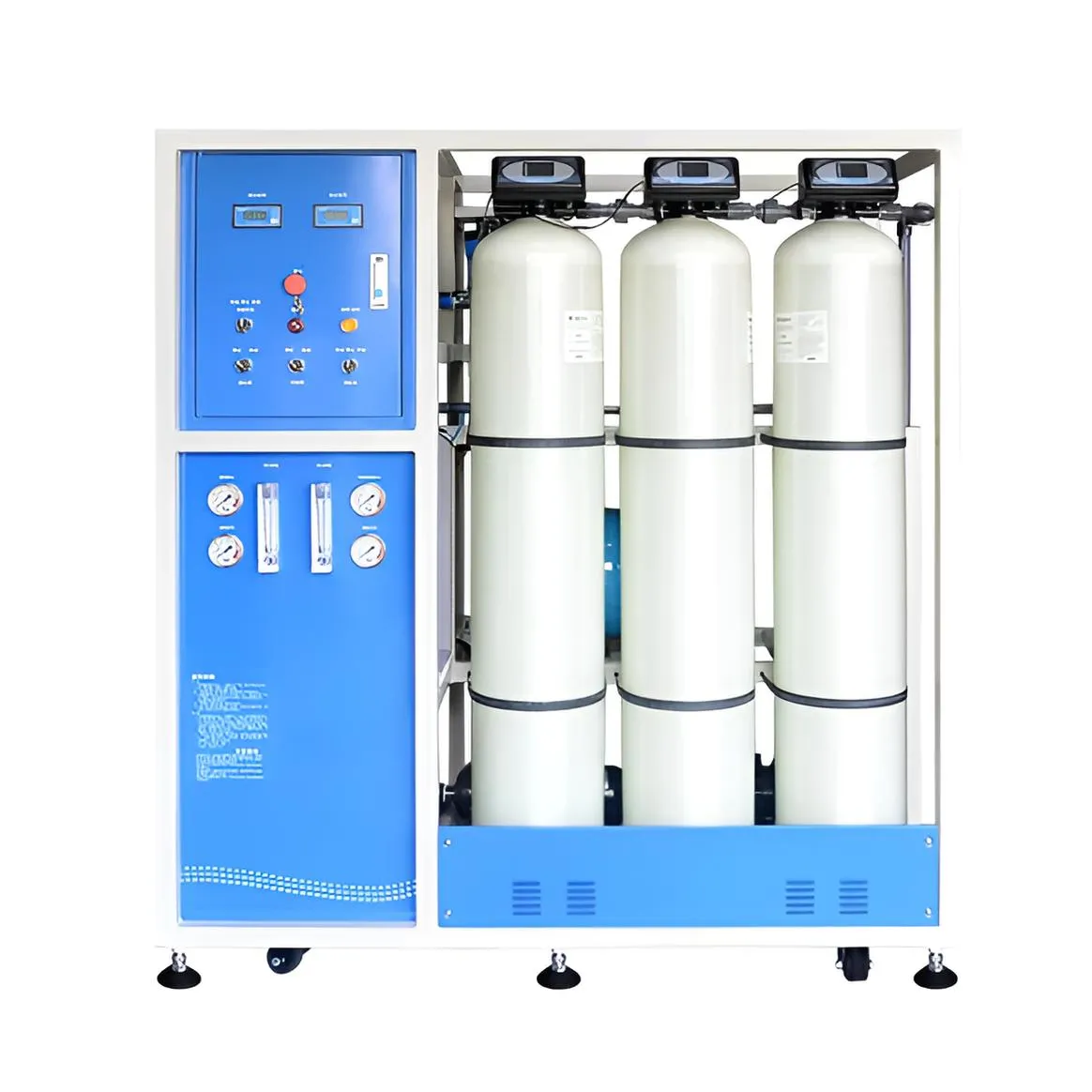
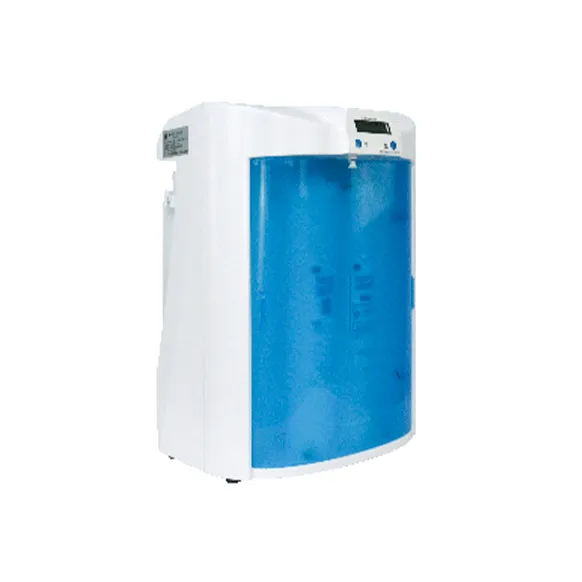
What are the common types of water used in laboratory pure water equipment? Generally, they are divided into distilled water, deionized water, reverse osmosis water, and ultrapure water. Below is a detailed introduction:
1. Distilled Water: The most commonly used type of pure water in laboratories. Although the equipment is inexpensive, it is extremely energy-intensive and water-consuming, and the process is slow, so its use is gradually decreasing. Distilled water can remove most contaminants from tap water, but it cannot remove volatile impurities such as carbon dioxide, ammonia, silica, and some organic matter. Fresh distilled water is sterile, but bacteria can easily multiply after storage. Furthermore, the storage container is also very important; if it is not made of inert material, ions and plasticizing agents from the container can leach out, causing secondary pollution.
2. Deionized Water: This uses ion exchange resins to remove anions and cations from the water, but soluble organic matter still exists in the water, which can contaminate the ion exchange column and reduce its effectiveness. Deionized water is also prone to bacterial growth after storage.
3. Reverse Osmosis Water: Its production principle involves water molecules being forced through a reverse osmosis membrane under pressure to become pure water, while impurities are retained and discharged. Reverse osmosis water overcomes many shortcomings of distilled and deionized water. It effectively removes dissolved salts, colloids, bacteria, viruses, bacterial endotoxins, and most organic matter from water. However, the quality of reverse osmosis water is greatly affected by the manufacturers of the reverse osmosis membranes.
4. Ultrapure Water: The standard for ultrapure water is a resistivity of 18.2 MΩ-cm. However, ultrapure water varies in terms of TOC, bacteria, and endotoxin levels, depending on the experimental requirements. For example, cell culture requires low levels of bacteria and endotoxins, while HPLC requires low TOC.
Laboratory research demands increasingly higher water quality. Traditional distilled water can no longer meet the requirements of some experiments. Laboratory pure water systems are multi-functional, producing both distilled and ultrapure water, better meeting the needs of modern experiments.





