







Phone:
0086 28 87573647
+86 19150187139

In the laboratory, distilled water, deionized water, and bottled water differ significantly in their preparation principles, processes, water quality, and applicable scenarios, directly affecting the accuracy of experimental results.
Distilled water is prepared through distillation, which can be done in single or multiple distillations. The core of its preparation lies in utilizing the difference in volatility between water and impurities: during single distillation, non-volatile impurities remain, and water vapor condenses to form a fraction, typically collecting about 60% of the middle fraction; to increase purity, an alkaline potassium permanganate solution can be added to remove organic matter and carbon dioxide, followed by the addition of a non-volatile acid to convert ammonia to ammonium salts.
Glass contains soluble components, so double or multiple distillations require quartz distillers. High-purity water needs to be stored in quartz or silver containers. Before the widespread use of purified water machines, distilled water, due to its lack of electrolytes and low impurity content, was the most widely used water in laboratories.
Deionized water removes all electrolyte ions except hydrogen and hydroxide ions. Purity is measured by conductivity. It is mainly prepared through ion exchange, and different processes result in significant differences in water quality:
Ion Exchange Resin Process: Tap water → Multi-media filter → Activated carbon filter → Precision filter → Cation bed → Anion bed → Mixed bed → Post-security filter → Point of use. This process has high pollution levels, low automation, and large water quality fluctuations. Ion and organic matter content increases when the resin is saturated.
Reverse Osmosis and Ion Exchange Combined Process: Tap water → Multi-media filter → Activated carbon filter → Precision filter → Reverse Osmosis equipment → Mixed bed → Water tank → Post-security filter → Point of use. This process has low pollution levels, high automation, and more stable water quality.
Reverse Osmosis and EDI Combined Process: Tap water → Multi-media filter → Activated carbon filter → Precision filter → Reverse Osmosis equipment → EDI → Water tank → Post-security filter → Point of use. This process is environmentally friendly, highly automated, has stable ion content, low purification costs, and extremely low ion and organic matter content.
Deionized water is increasingly used in laboratories, and its quality is determined by the preparation process.
Some researchers use bottled purified water as a substitute for laboratory water, which is not up to standard. Laboratory water contains core chemical reagents and must meet specific quality standards. Bottled purified water is drinking water, containing essential trace elements that can interfere with experimental results and cannot be used as standard laboratory water.
LC-MS analysis of the impact of different water qualities on experiments shows that experiments requiring high purity, such as LC-MS, require ultrapure water with low organic matter content.
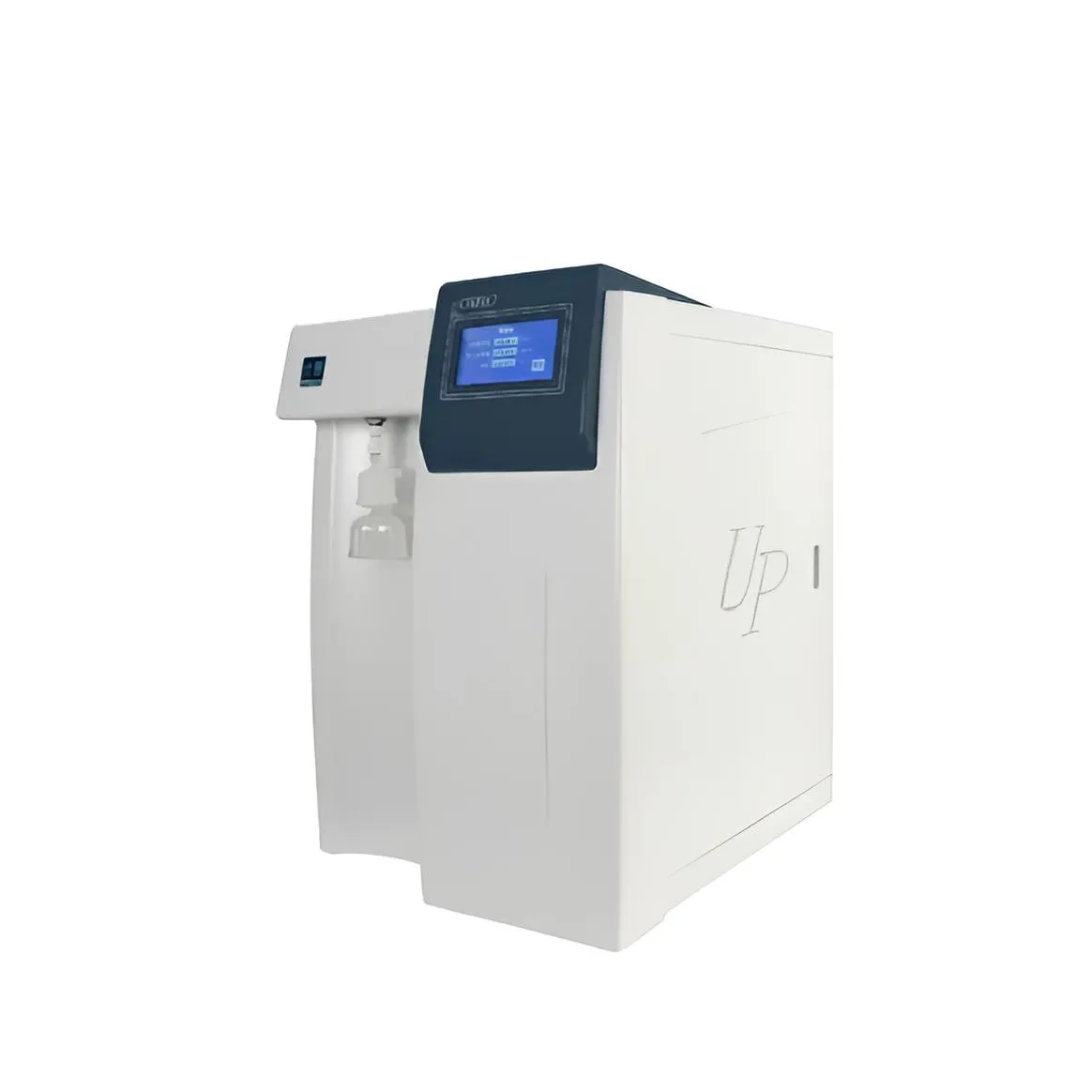
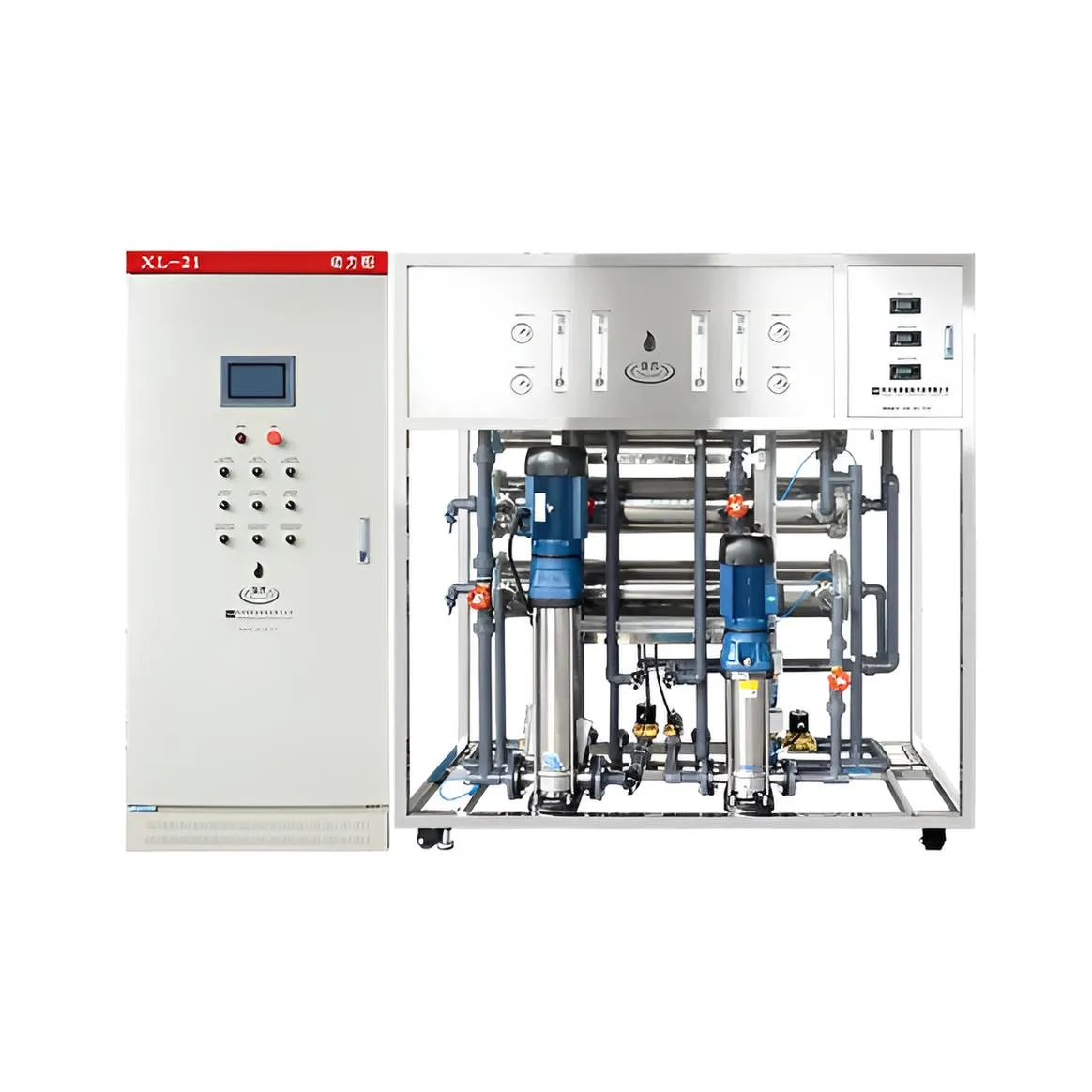
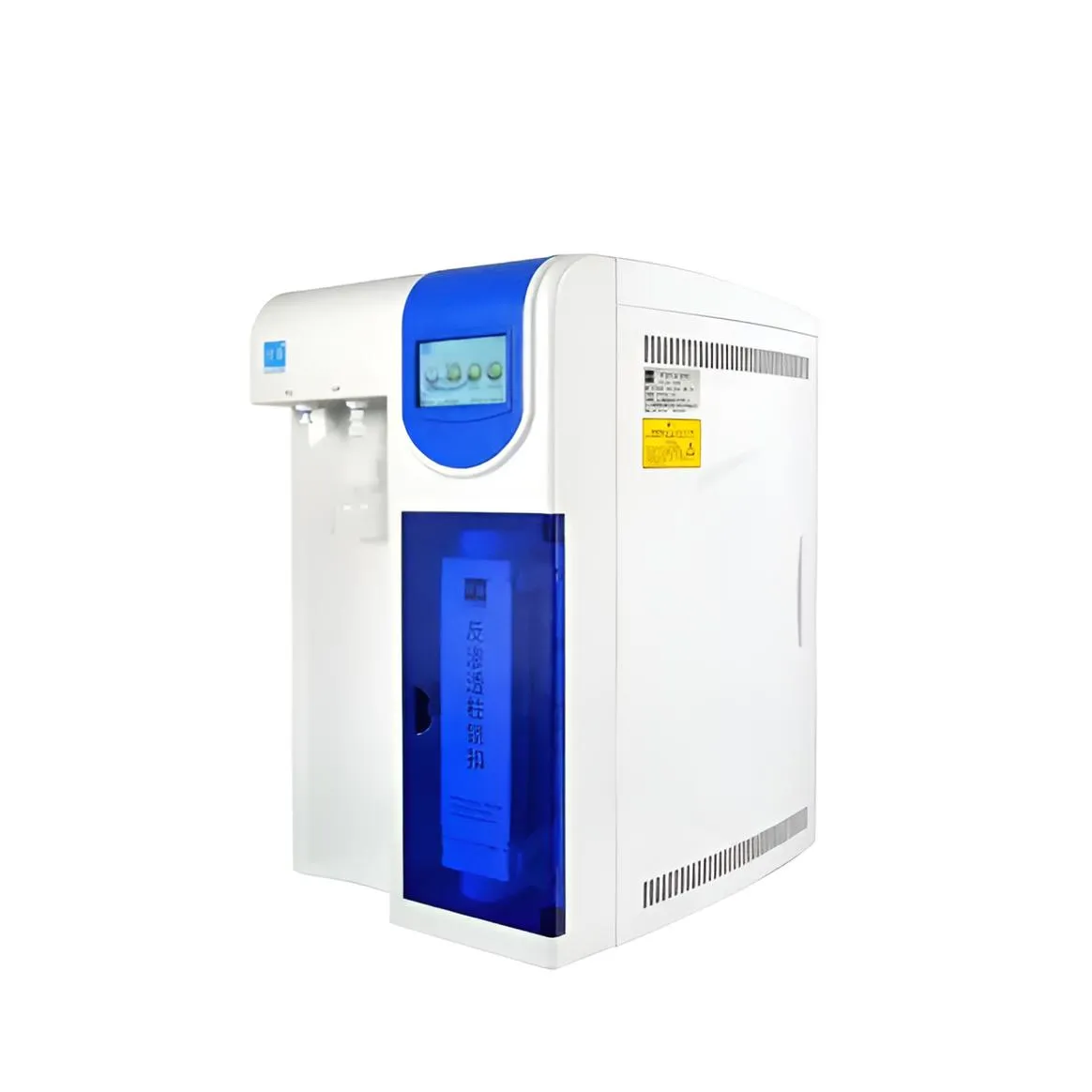
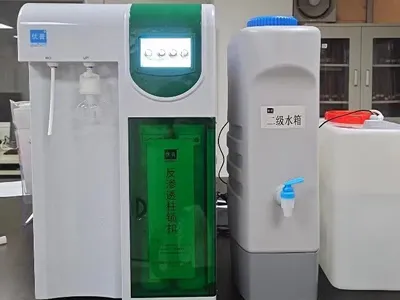
While distilled water, deionized water, and bottled purified water are purified to a high purity, they are susceptible to environmental contaminants. Improper storage can cause contaminants to quickly seep in, leading to water quality degradation and interfering with experimental results. Professional pure water equipment enables on-site preparation and standardized storage of pure water, ensuring water stability and purity.





