








Phone:
0086 28 87573647
+86 19150187139

High-performance liquid chromatography (HPLC), as a highly sensitive analytical technique, is widely used in pharmaceuticals, environmental science, and food processing. However, researchers often overlook a crucial variable—water quality. Studies show that approximately 80% of HPLC problems stem from substandard water quality. Ultrapure water is not simply an "upgraded version" of ordinary pure water; rather, it is a core prerequisite for ensuring experimental success.
HPLC achieves quantitative analysis through separation and detection, but trace impurities in water can become "hidden sources of interference":
Organic pollutants (as TOC) easily adsorb onto the chromatographic column during gradient elution, producing extraneous peaks and causing baseline drift;
Ionic impurities can alter the pH of the mobile phase, affecting separation and causing peak tailing and decreased resolution;
Particulate matter causes signal fluctuations, reducing data repeatability.
Ultrapure water with a resistivity of 18.2 MΩ·cm (25°C) can significantly reduce background interference and improve the stability and accuracy of trace analysis.
HPLC core components (such as columns and high-pressure pumps) are expensive and extremely sensitive to contamination:
Particulate matter easily clogs filter membranes, increases column pressure, and shortens column life;
Microbial growth forms biofilms, continuously releasing contaminants;
Corrosive ions may damage pump seals.
Ultrapure water removes these impurities through multi-stage purification (such as reverse osmosis, ion exchange, and ultrafiltration), effectively reducing maintenance frequency and costs, and ensuring long-term stable instrument operation.
According to the national standard GB/T 33087-2016, ultrapure water for HPLC should meet the following requirements:
| Indicator | Required Value |
| Resistivity | ≥18.2 MΩ·cm(25°C) |
| Microorganisms | ≤0.01 CFU/mL (0.22 μm filtration) |
Note: Ultrapure water readily absorbs CO₂ and organic matter from the air. It is recommended to prepare and use it immediately to avoid secondary contamination during storage.
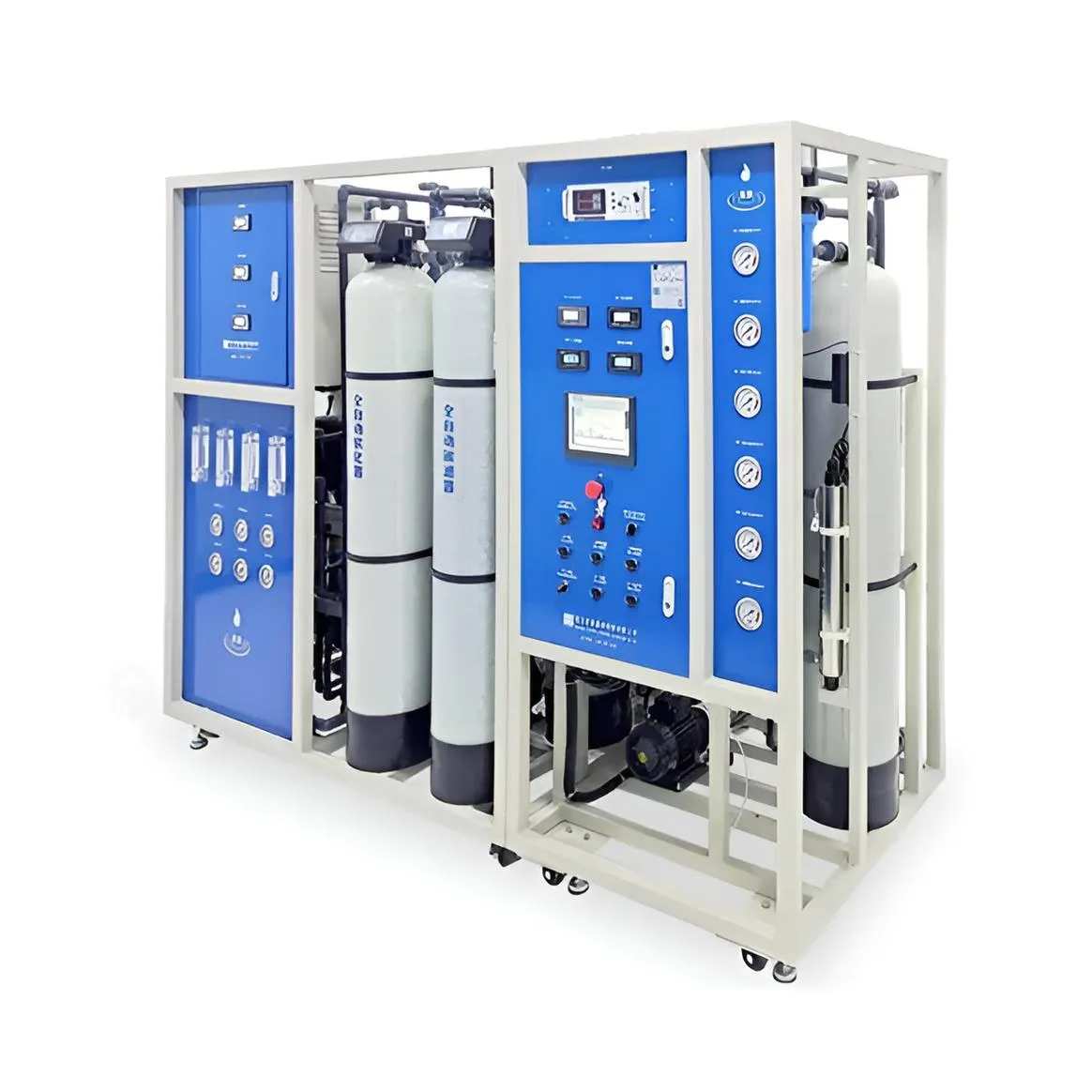
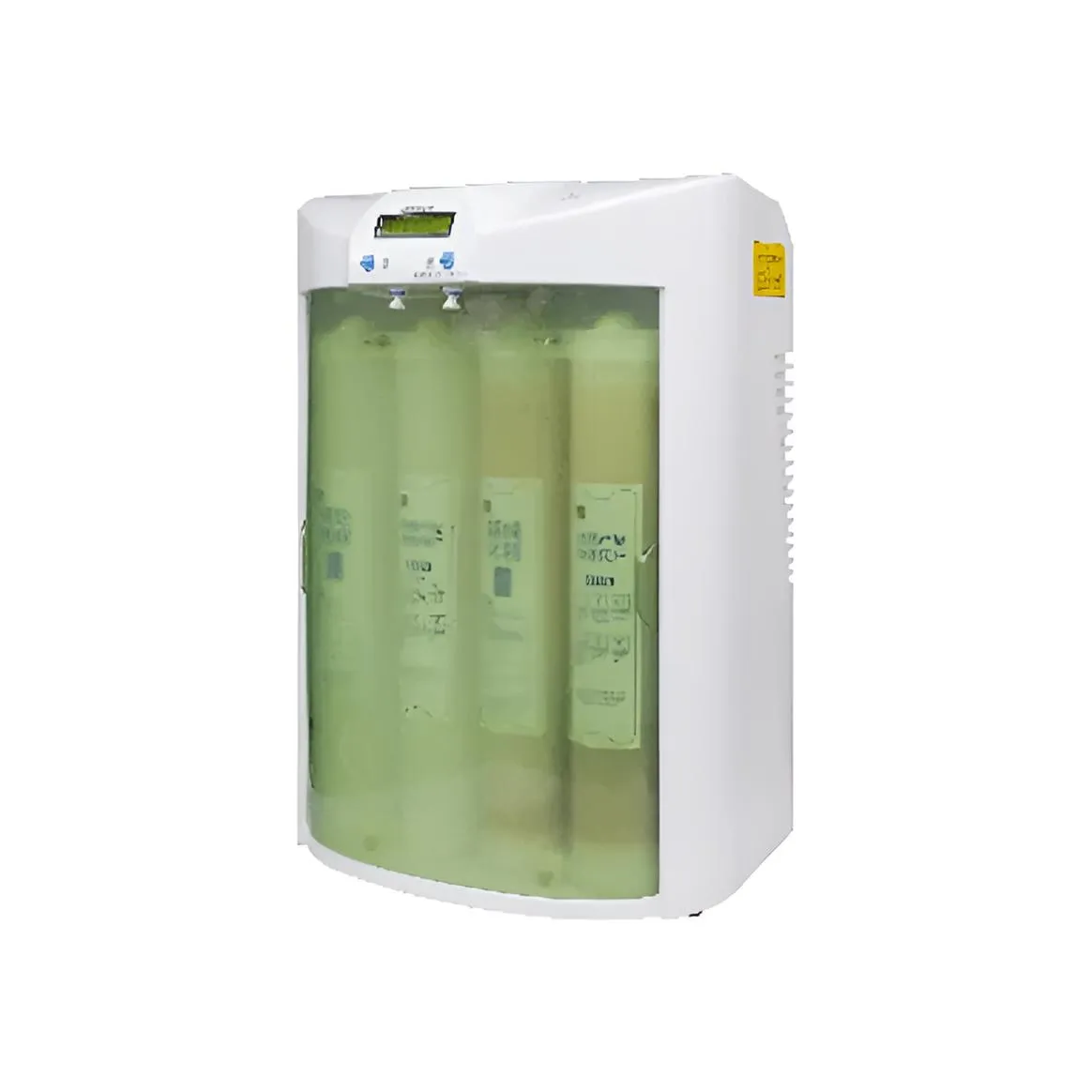
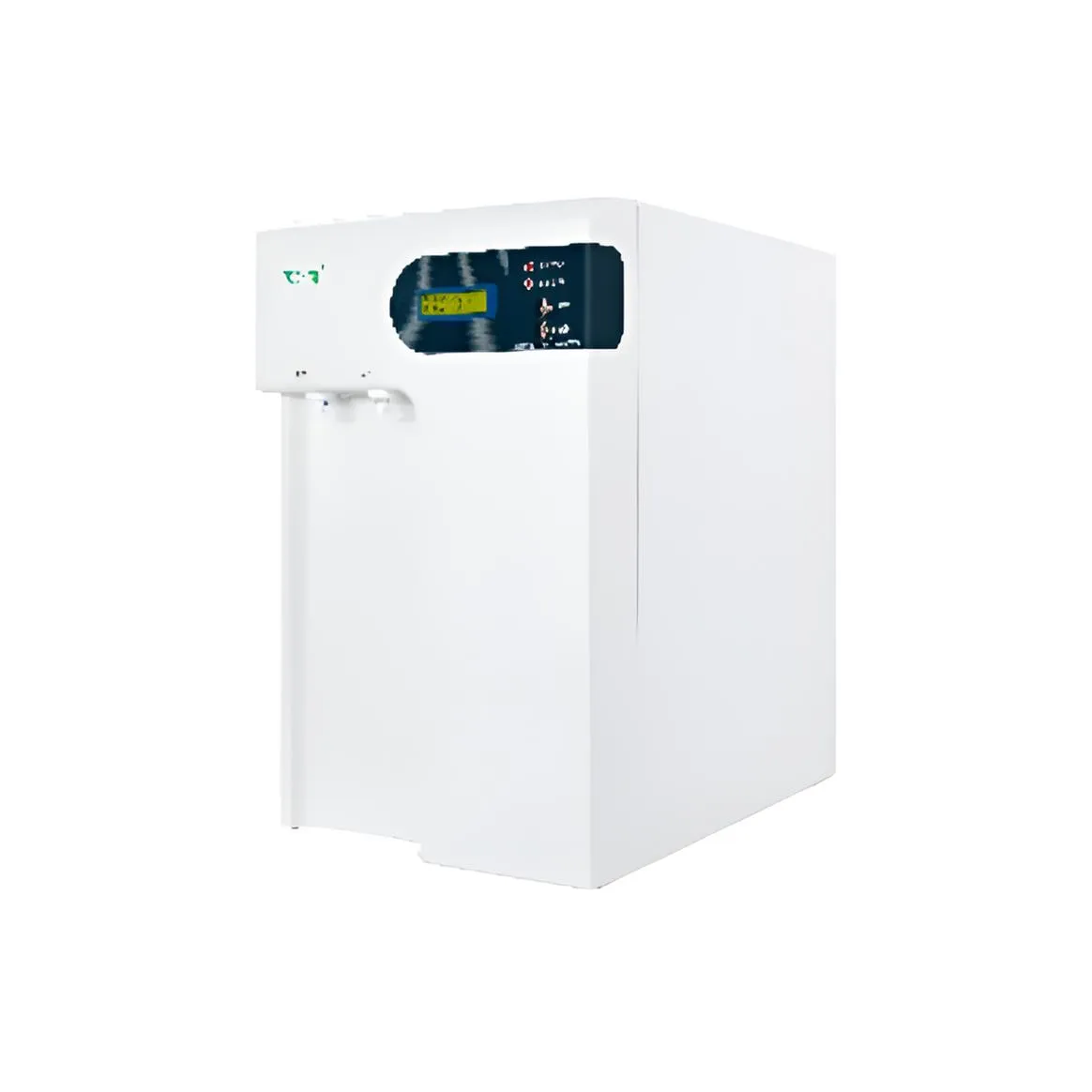
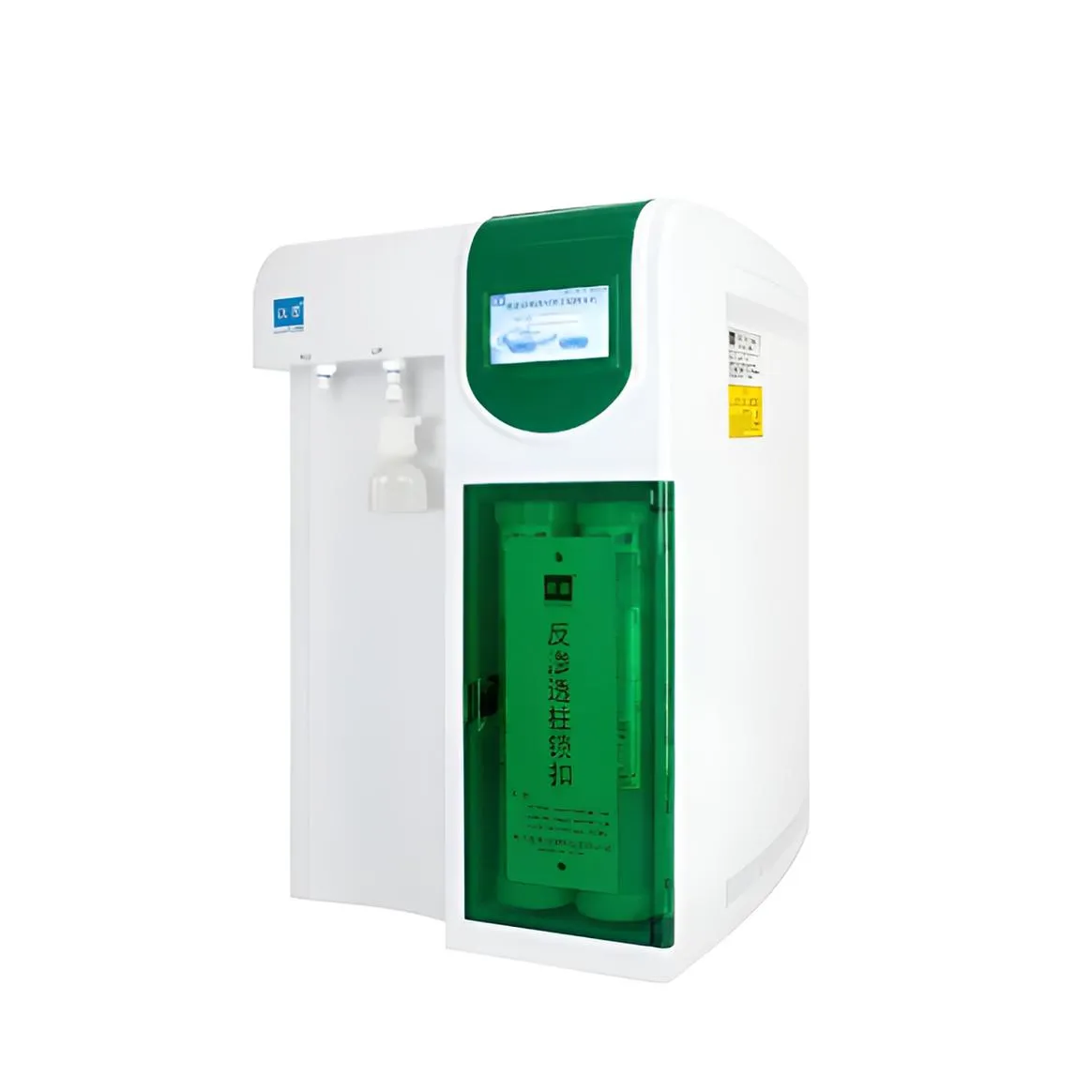
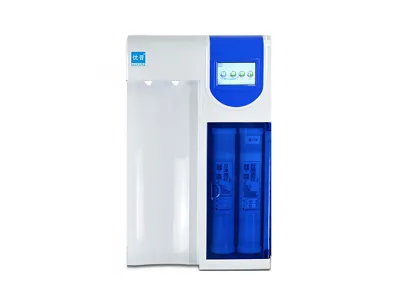
Whether for pharmaceutical impurity analysis or environmental trace screening, the accuracy of HPLC relies heavily on the high purity of ultrapure water. It is not only a fundamental component of the mobile phase but also crucial in every step of sample preparation and system cleaning. Upex ultrapure water systems offer a variety of models suitable for HPLC experiments, effectively ensuring the quality of the experimental water.





