


Phone:
0086 28 87573647
+86 19150187139

LC-MS/MS is a core technology for trace analysis in clinical laboratories, including therapeutic drug monitoring and metabolomics. The purity of the water used in the experiment directly determines the reliability of the data, the stability of the chromatogram-mass spectrometry system, and the maintenance cost. When selecting water specifically for LC-MS/MS, focus on the key point of "ultrapure water (Type I)" and ensure that it consistently meets the following core indicators:
| Resistivity | Microorganisms | Particles |
| ≥18.2 MΩ·cm(25 ℃) | <1 CFU/mL | ≥0.2 µm particles <1/mL |
(Indicators sourced from: WS/T574-2018 "Purified Water for Clinical Laboratory Reagents" and CLSIC3-A4 Guidelines)
RO Water: Only suitable for routine initial rinsing of glassware; it fails to meet standards for both ions and organic matter.
Type II Pure Water (generally "deionized water" or "distilled water"): Resistivity 1–15 MΩ·cm, TOC 50–200 ppb; cannot meet the requirements for trace analysis.
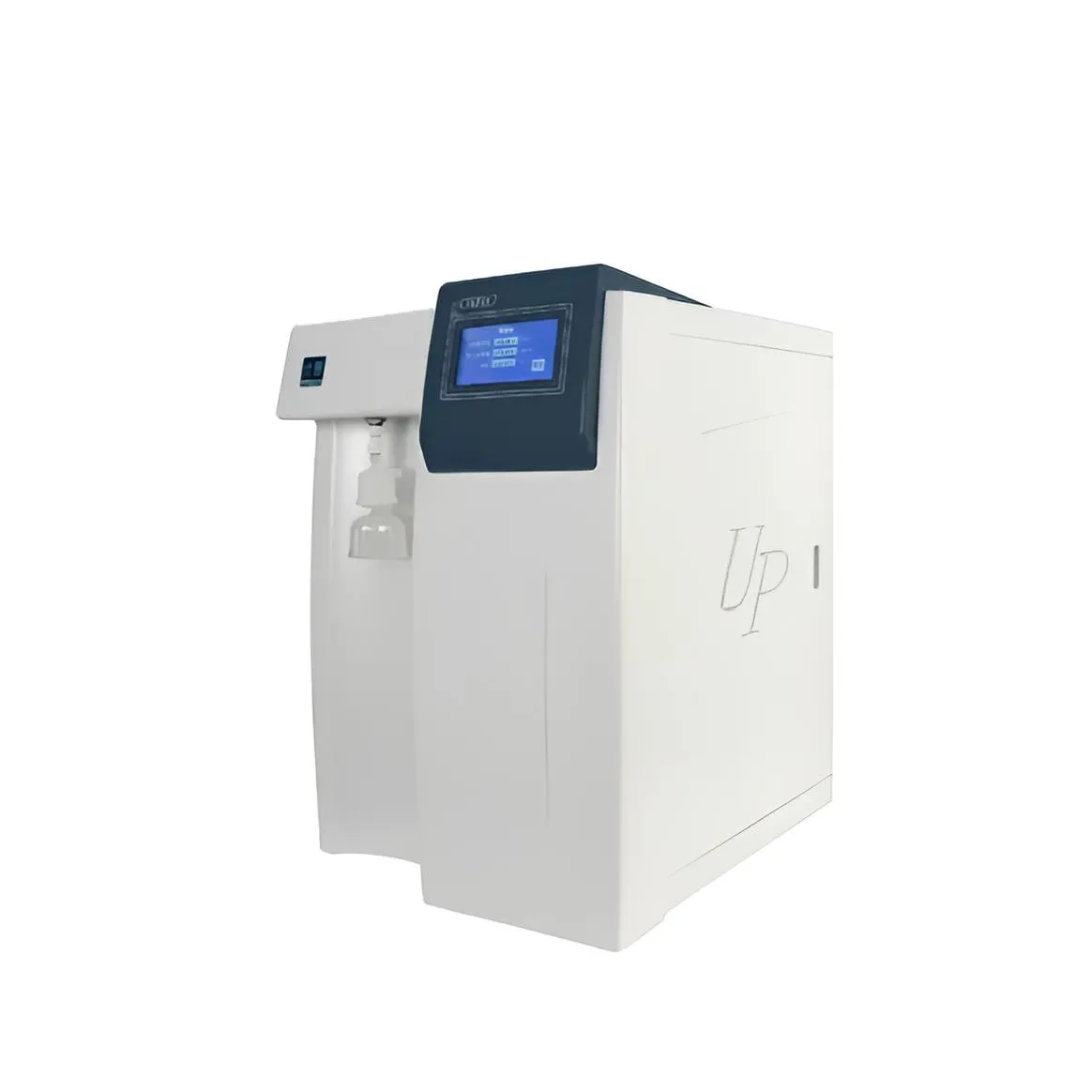
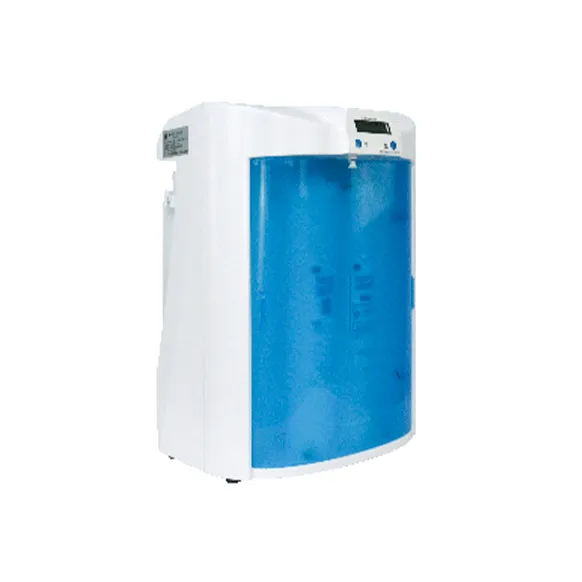
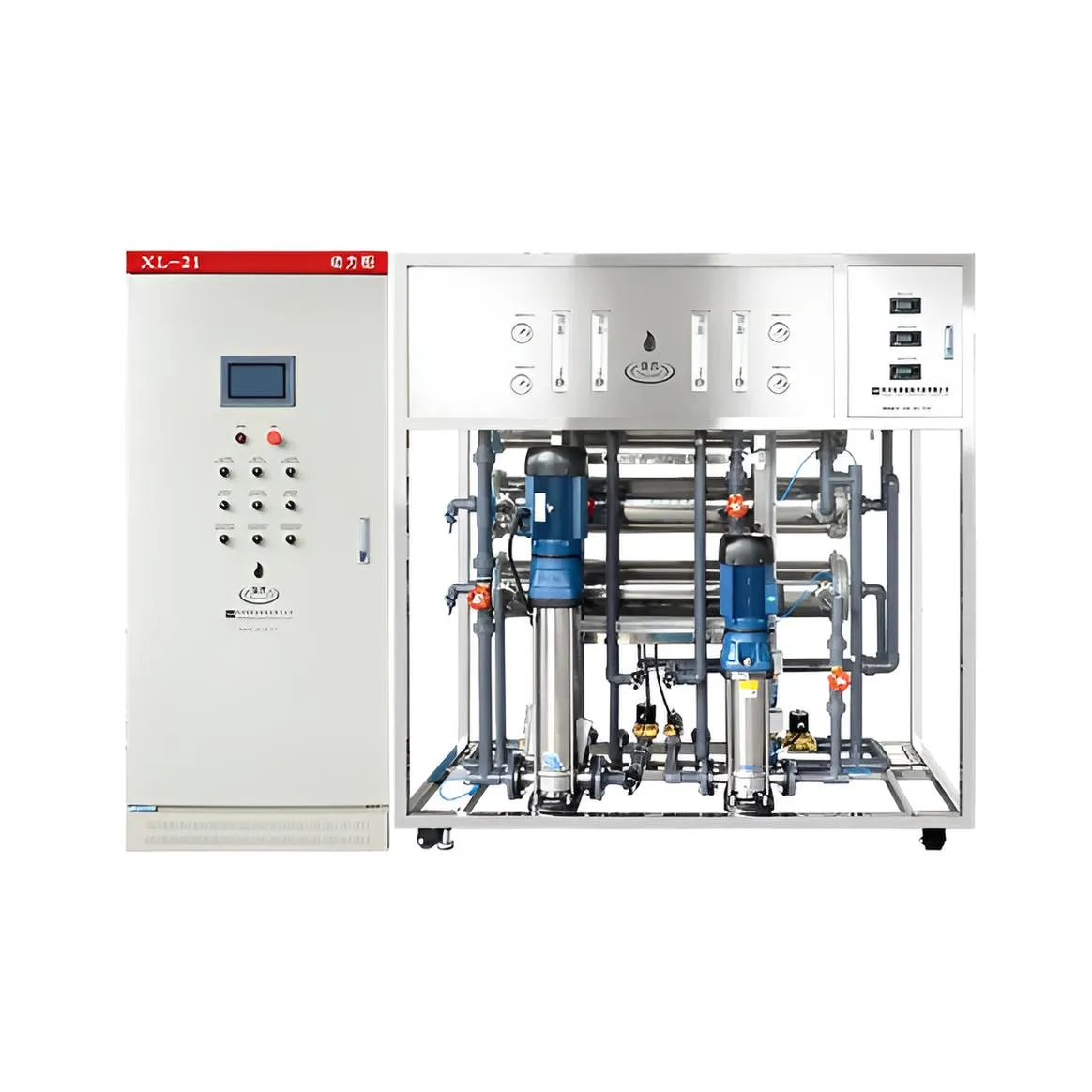
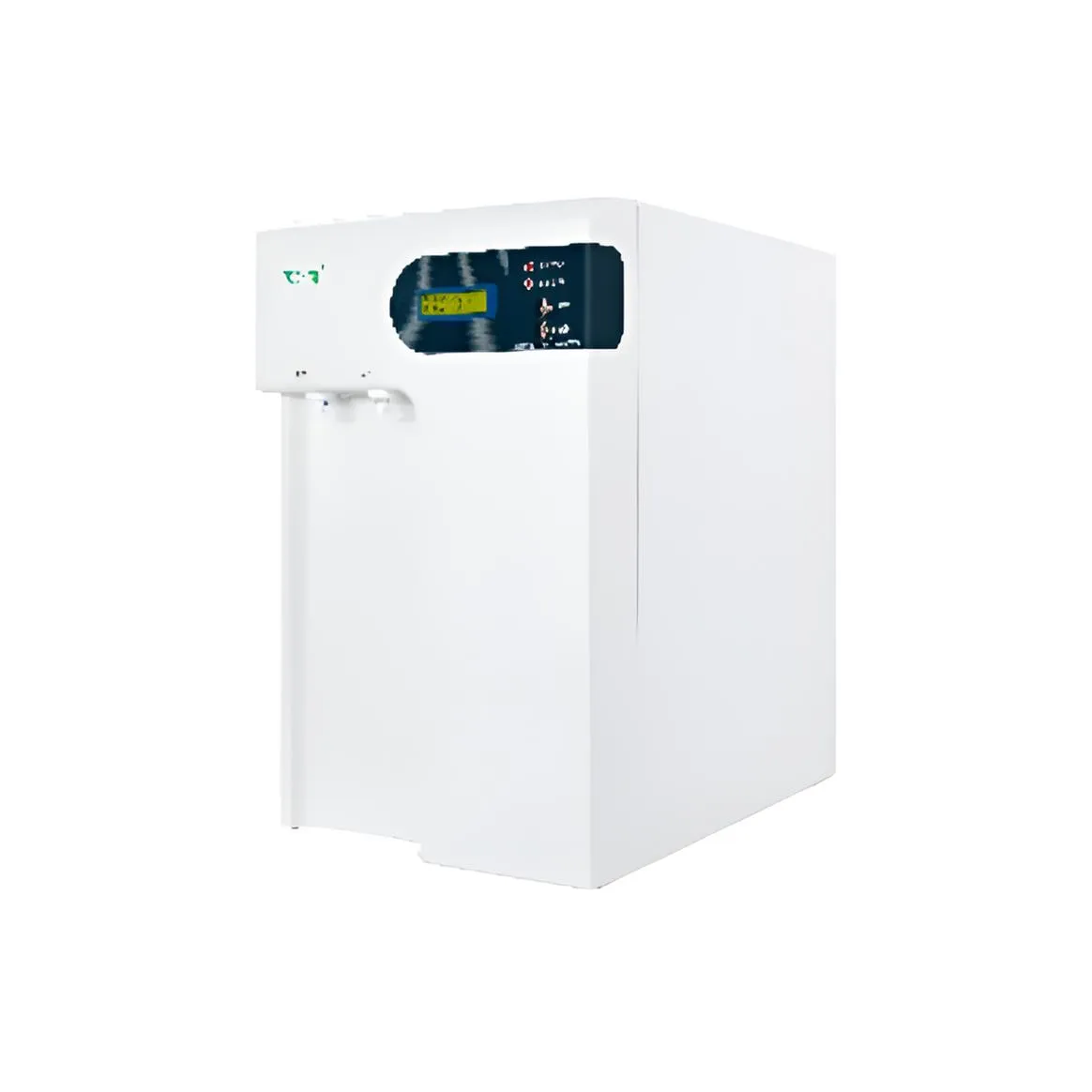
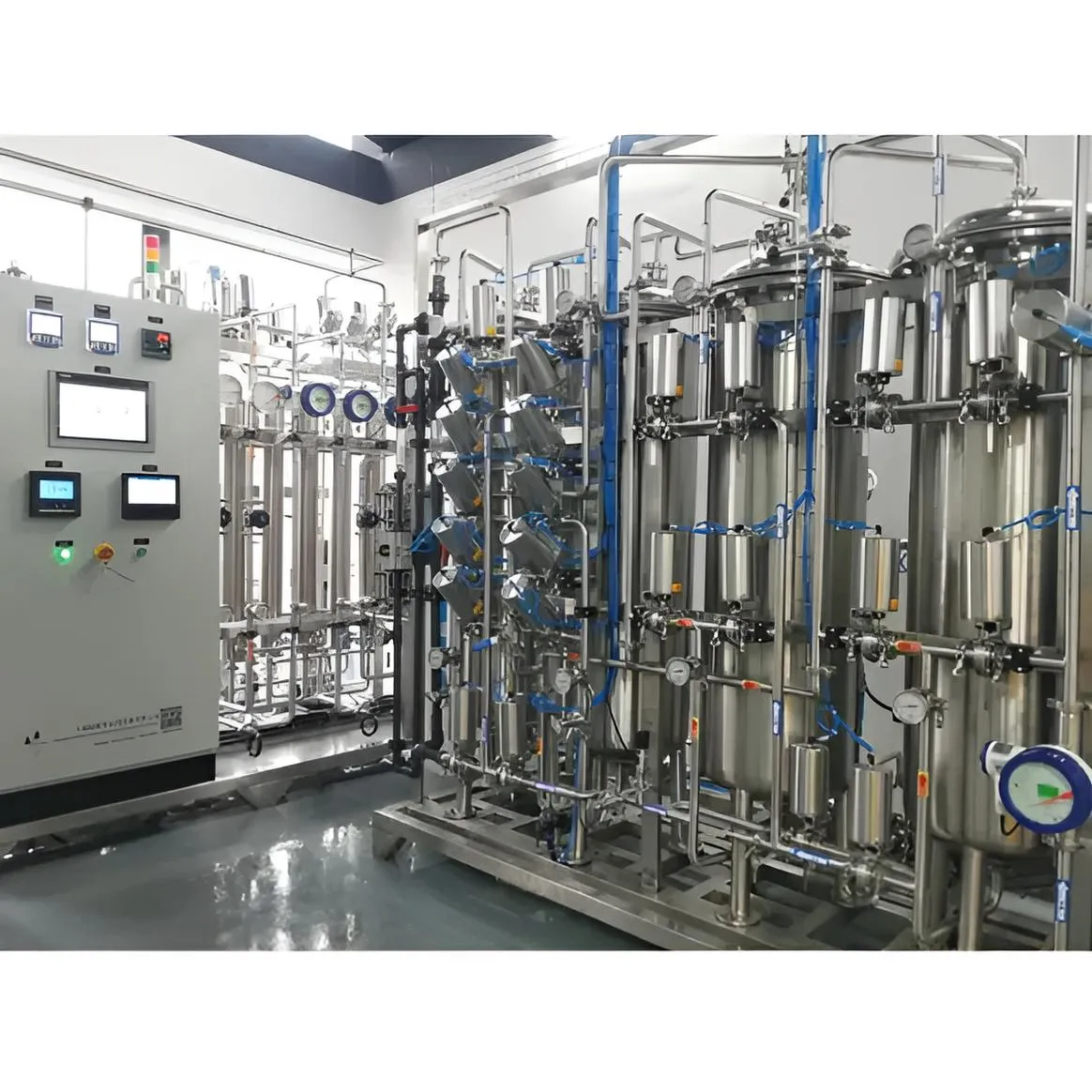
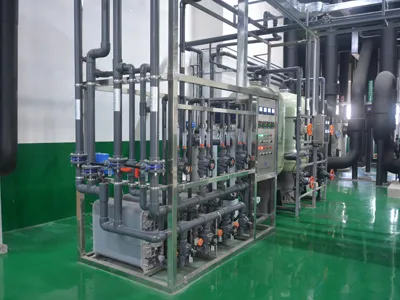
Type I Ultrapure Water: Purified through multiple stages including reverse osmosis, ion exchange, 185/254 nm UV oxidation, and ultrafiltration/microfiltration; it can simultaneously remove ions, small molecule organic matter, microorganisms, and particles, making it a reliable choice for LC-MS/MS.
Procurement: Choose manufacturers that meet water quality requirements and have a proven track record.
Monitoring: Online water quality monitoring and automatic recording, incorporated into quality control files.
Maintenance: Replace consumables (RO membranes, ion exchange columns, UV lamps, ultrafiltration columns) according to both time and water consumption parameters.
Water Dispensing: Use water immediately upon dispensing, avoiding long-distance transport or storage in tanks. If storage is necessary, use clean, light-proof, nitrogen-sealed fluorinated containers; storage time ≤ 4 hours.
Validation: After installing a new system or replacing key consumables, continuously monitor resistivity, TOC, microorganisms, particulate matter, and the LC-MS/MS blank baseline (ghost peak count).
Clinical LC-MS/MS water does not require complex comparisons. As long as ultrapure water meeting WS/T 574-2018 Type I standards is continuously produced and monitored in real time, data accuracy, column efficiency, and mass spectrometry cleanliness can be guaranteed, significantly reducing failure rates and maintenance costs.