






![[Science Popularization] Guide to Buying a Laboratory Ultrapure Water System](/uploads/image/20260604/science-popularization-guide-to-buying-a-laboratory-ultrapure-water-system.webp "[Science Popularization] Guide to Buying a Laboratory Ultrapure Water System")
Phone:
0086 28 87573647
+86 19150187139

The more advanced the manufacturing process, the greater the reliance on water. Even a 1-micron particle adhering to the wafer surface, or the presence of sodium ions at a level of one part per trillion in the water, can render an entire batch of chips unusable. This is where ultrapure water comes in; it plays a crucial role in core processes such as cleaning, etching, and photolithography.
The stringency of ultrapure water requirements is beyond imagination. A 90nm process requires 90 cleaning cycles, while a 65nm process increases to around 130 cycles, each requiring an absolutely pure water source. It's hard to imagine that some production lines consume several tons of water per wafer, with ultrapure water accounting for over 90% of that.
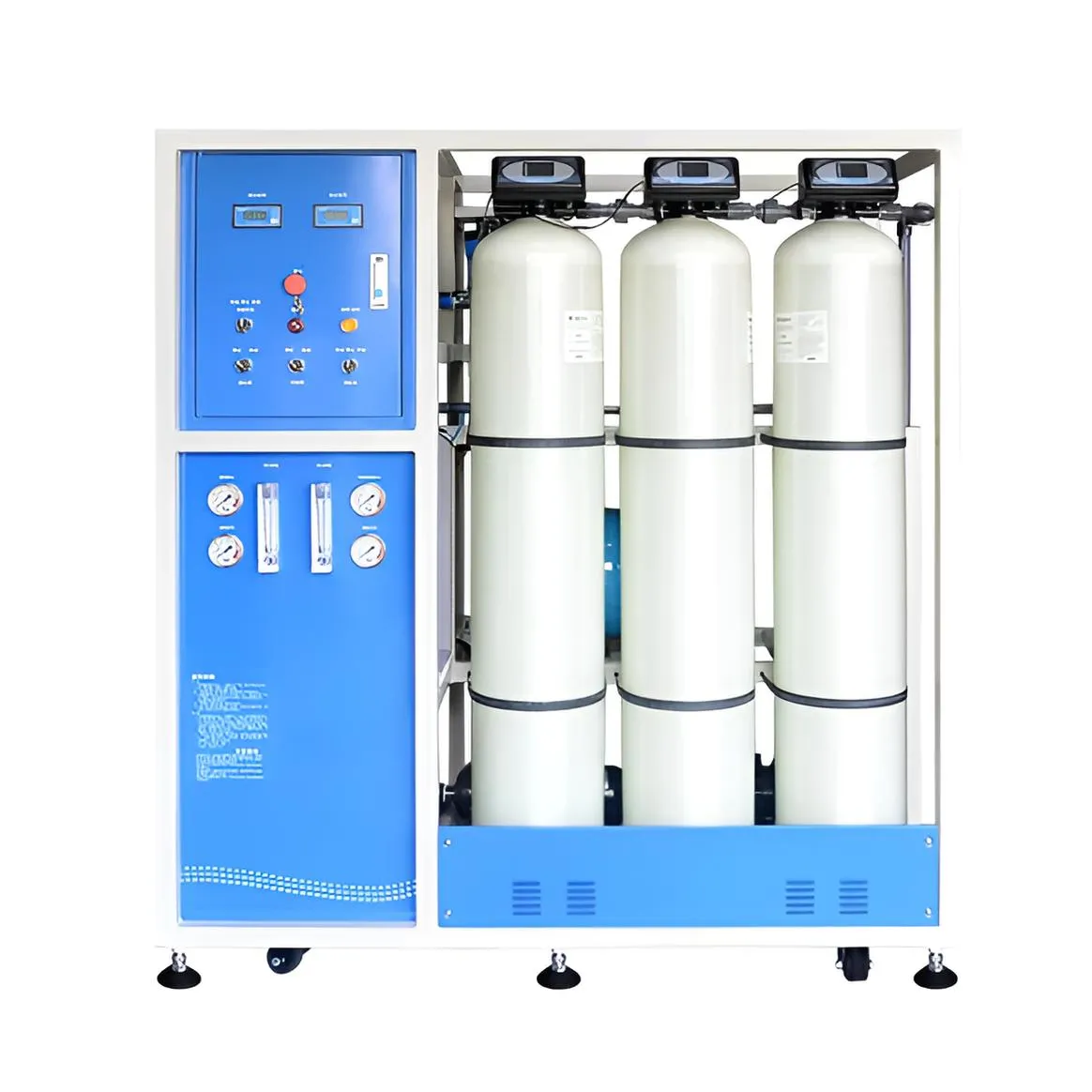
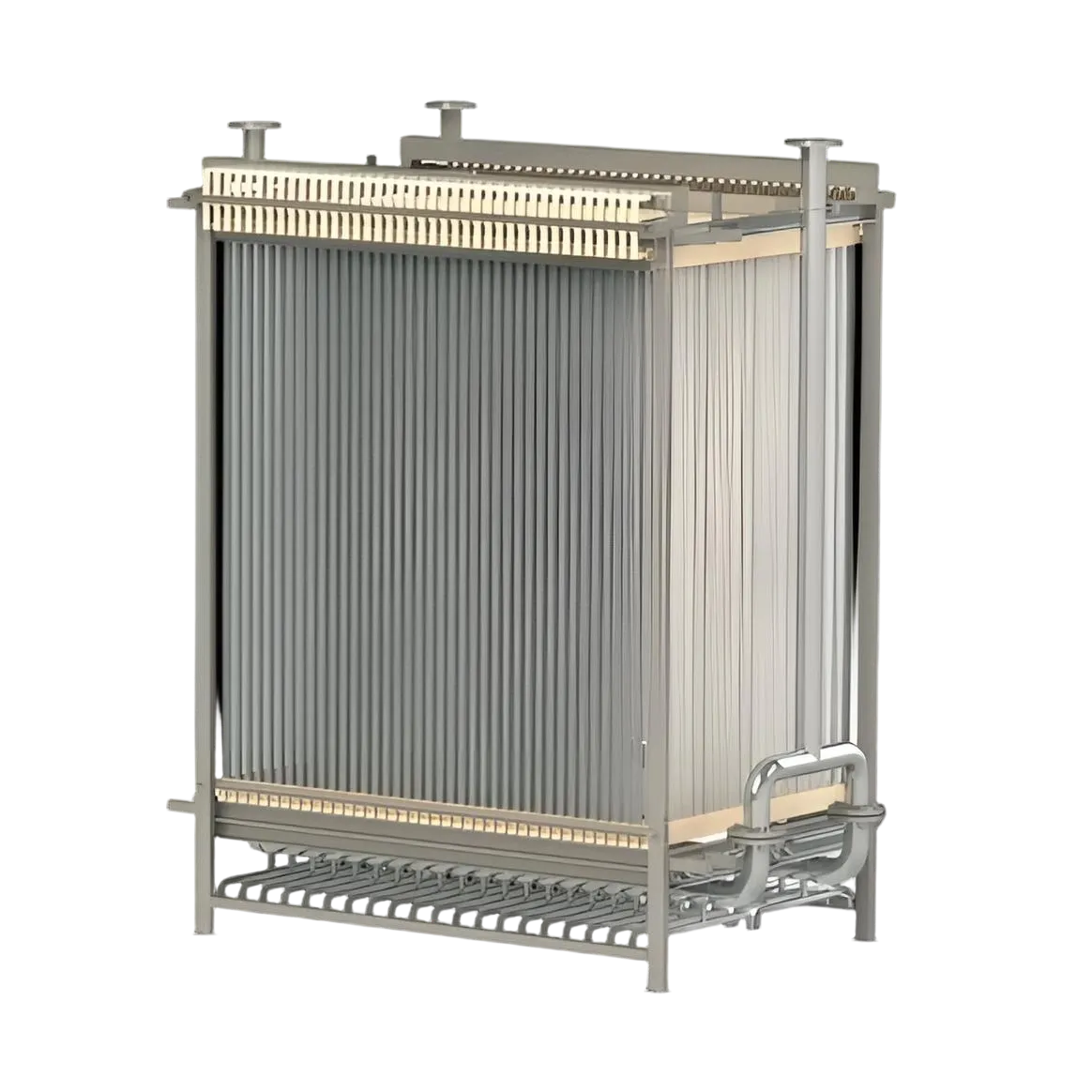
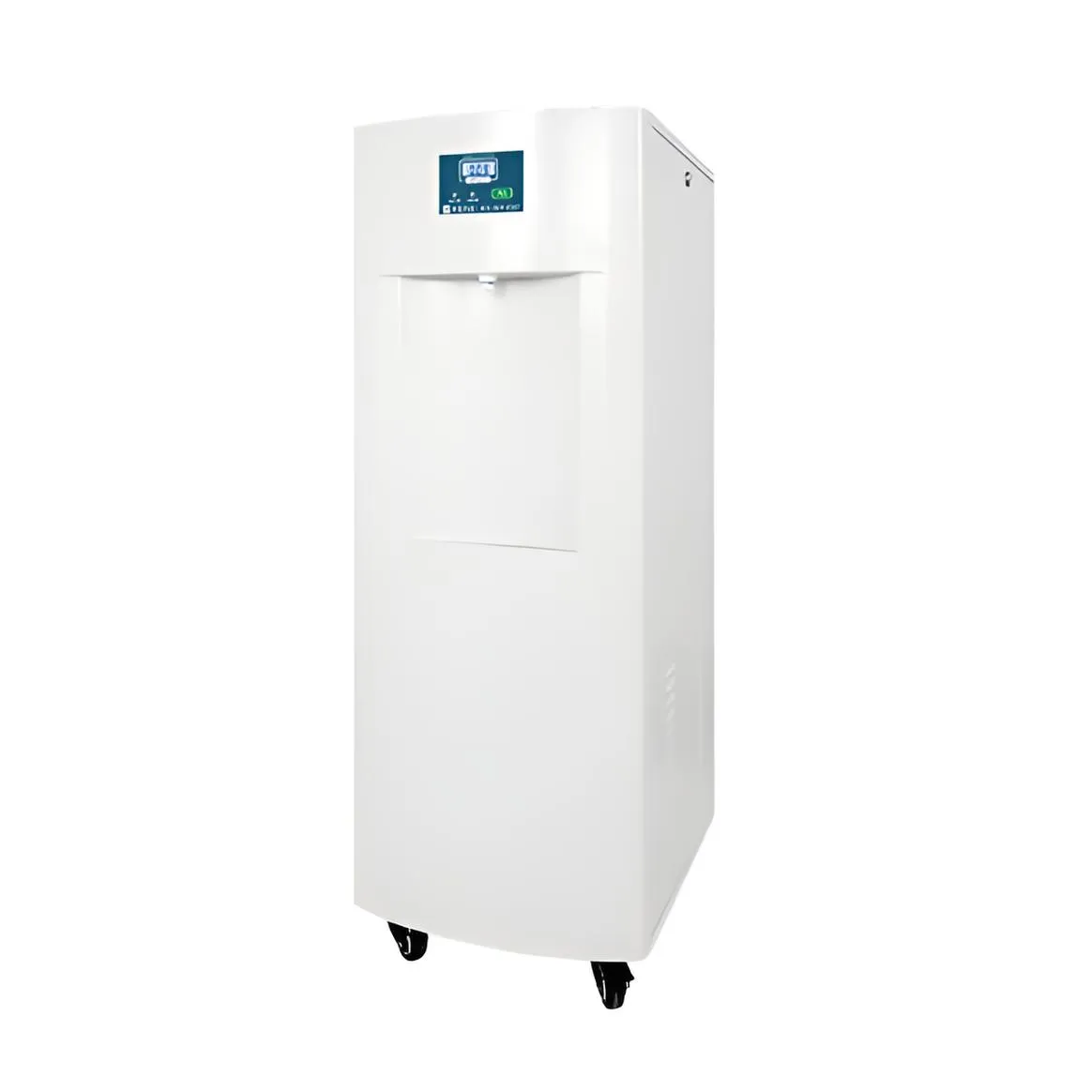
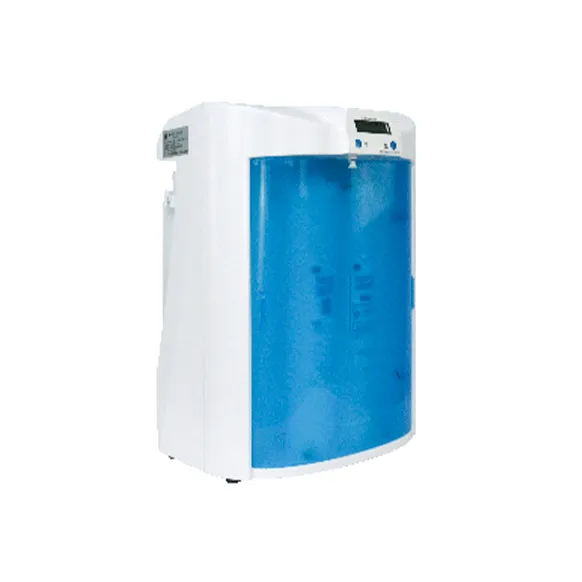
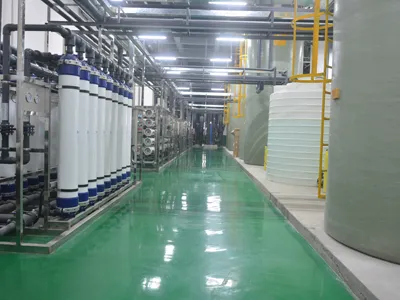
To achieve this level of purity, tap water must pass through more than a dozen stages. Multi-media filtration removes sediment, activated carbon adsorbs residual chlorine, and a softener removes calcium and magnesium ions to prevent scaling—these three pretreatment steps are fundamental. The core technology lies in the reverse osmosis system. Two-stage RO membranes remove over 98% of ions. The Ulupure pure water system further purifies the water, using ultraviolet light to decompose organic matter, a polishing mixed bed to reduce ions to trace levels, and finally ultrafiltration to produce pure water required for semiconductor chip production.
Today, ultrapure water technology is moving towards greener practices. EDI modules consume 40% less power than traditional equipment, and concentrate reuse rates can reach 75%. In the wave of self-sufficiency in chip manufacturing, this "pure power" not only breaks through water resource bottlenecks but also lays a solid foundation in the high-end manufacturing sector.





