


Phone:
0086 28 87573647
+86 19150187139

Inventors at DesalNATE have developed a new reverse osmosis technology using giant 18-inch membrane elements produced by Koch, replacing standard 8-inch membrane elements without a traditional concentrate seal between the membrane element and the pressure vessel. The design of DesalNATE has three flow channels, and the incoming water of the membrane element communicates with each other in the pressure vessel.
This three-flow channel system and large-diameter membrane element design is more efficient and has lower operating costs than the traditional reverse osmosis process. Using DesalNATE technology can increase unit water production by 4 times, reduce investment costs for small systems by 25%, and for large systems by 30%. The use of a third water inlet bypass reduces energy consumption and operating costs by 6-15%. Membrane life and maintenance costs are also reduced.
The incoming water is fed from the connection part of the membrane element, which can reduce the pressure loss and increase the efficiency. Since there are no seals between the membrane elements, the incoming water supplied to each membrane element is not concentrated, so the quality of the produced water is higher, and no high-concentration salt water is formed on the membrane surface. The concentration polarization situation is better than that of traditional reverse osmosis, and the membrane pollution is less, so a lower flow rate can be used.
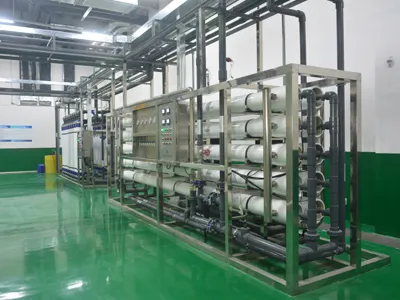
DesalNATE's 18-inch diameter pressure vessels are constructed of fiberglass composite and are available in lengths up to 36 feet. Each pressure vessel can hold 6 membranes and can produce 240,000 gallons of high-quality drinking water per day from any brackish water source. The company expects to extend membrane element life to seven years using this technology.
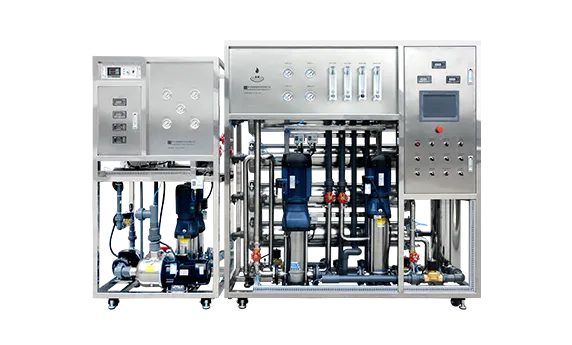
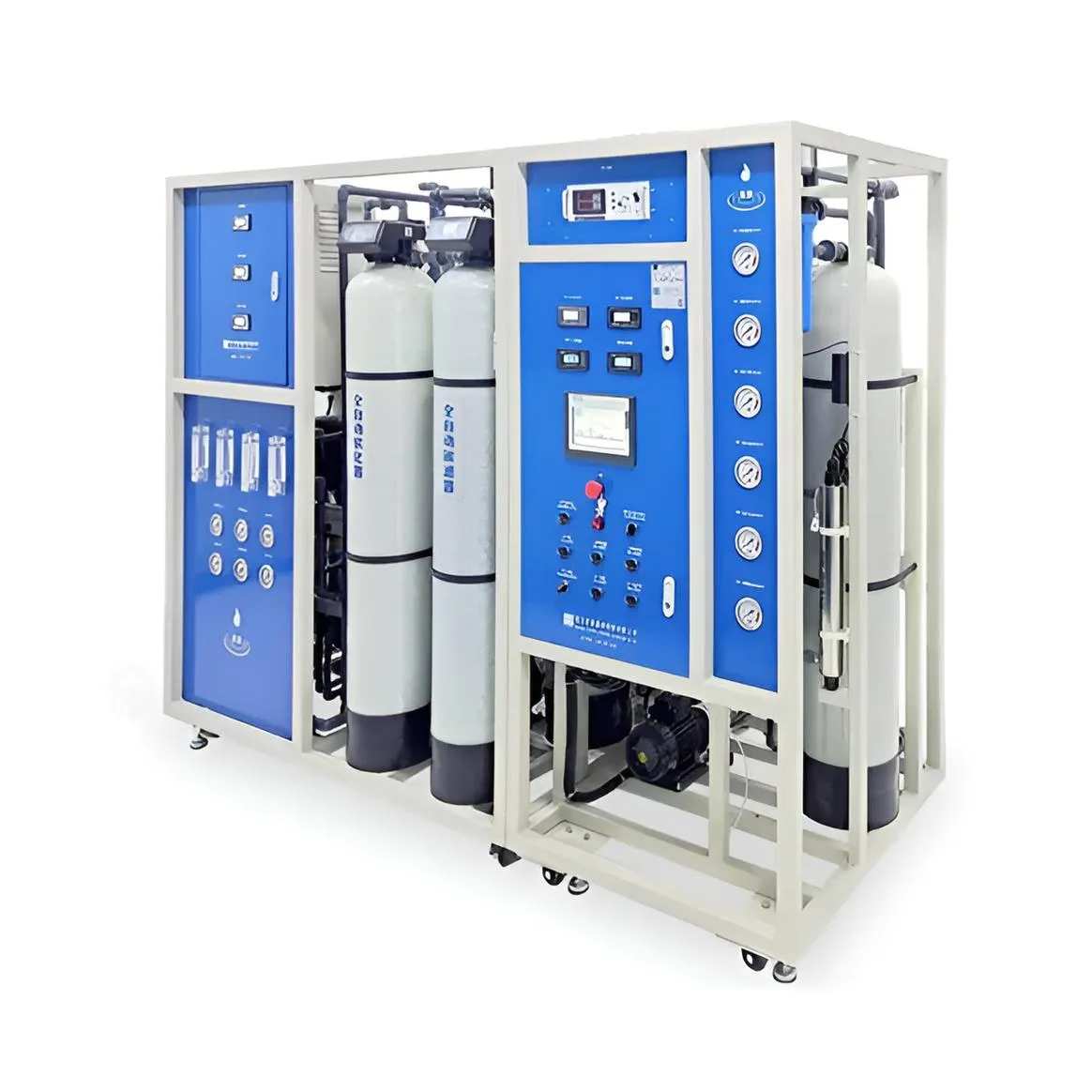
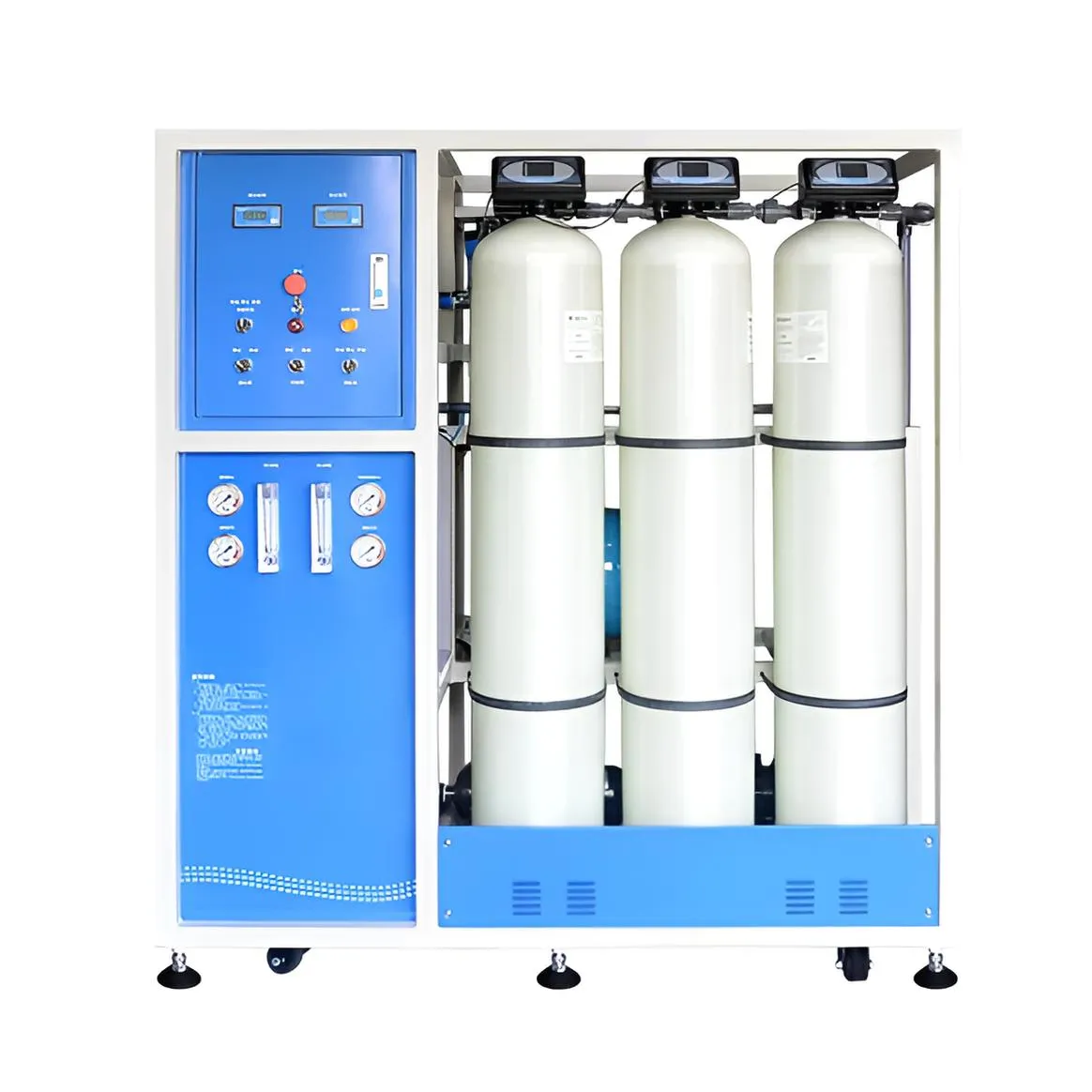
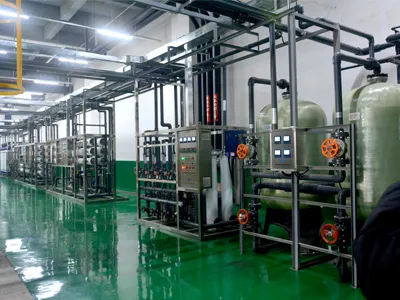
DesalNATE's main products include a range of inexpensive complete sets and unit systems. The company designs and manufactures motorized moving platforms for horizontally mounted membrane units. The complete set of equipment includes a water inlet booster pump, pressure-resistant pipes, membranes and control cabinets.
DesalNATE's component design can also be used in reverse osmosis pretreatment processes such as microfiltration, ultrafiltration and nanofiltration. The company also uses a combination of pumps and energy recovery devices to significantly reduce system energy consumption.
The company built a demonstration unit in Oxnard as part of California's groundwater restoration, promotion and treatment project.