


Phone:
0086 28 87573647
+86 19150187139
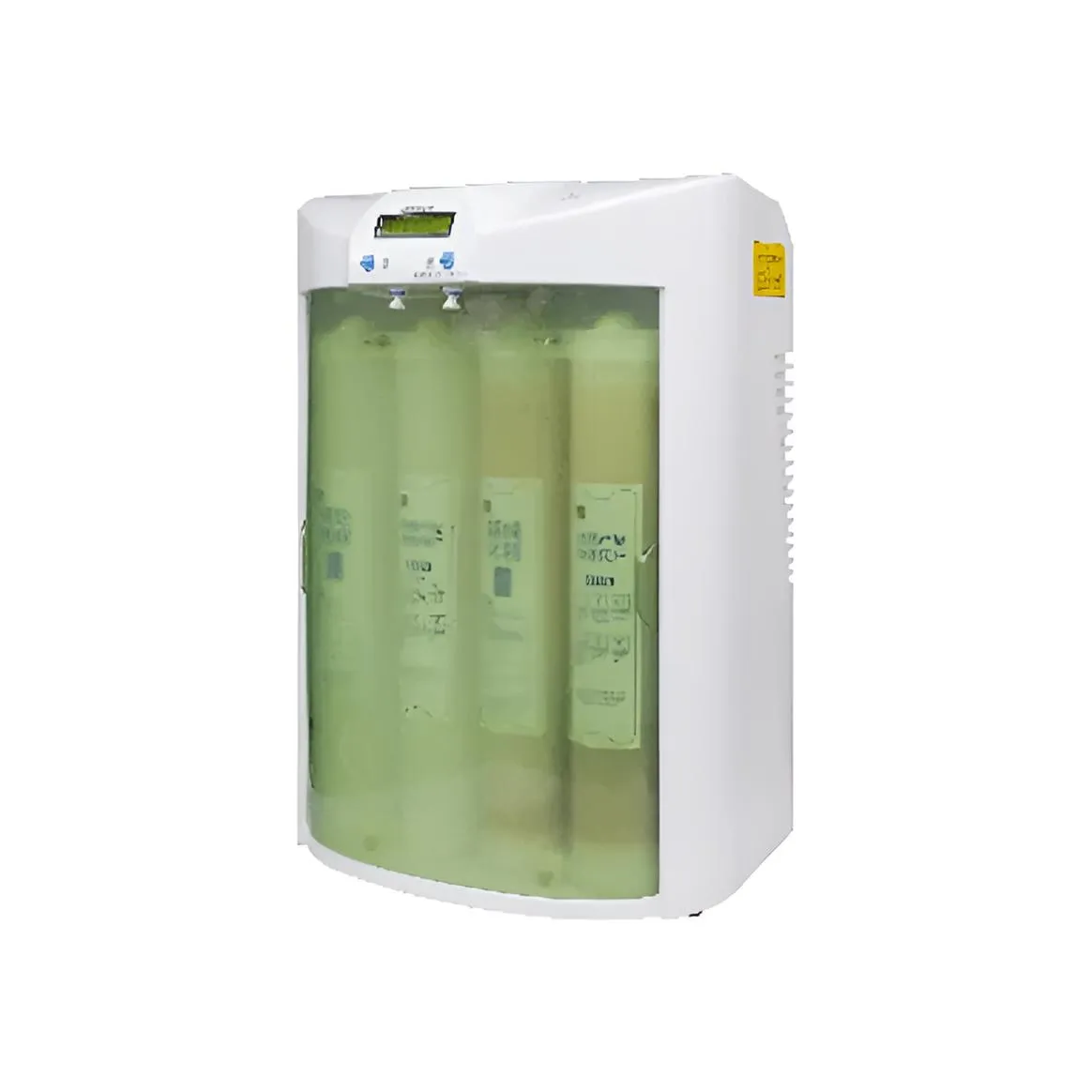
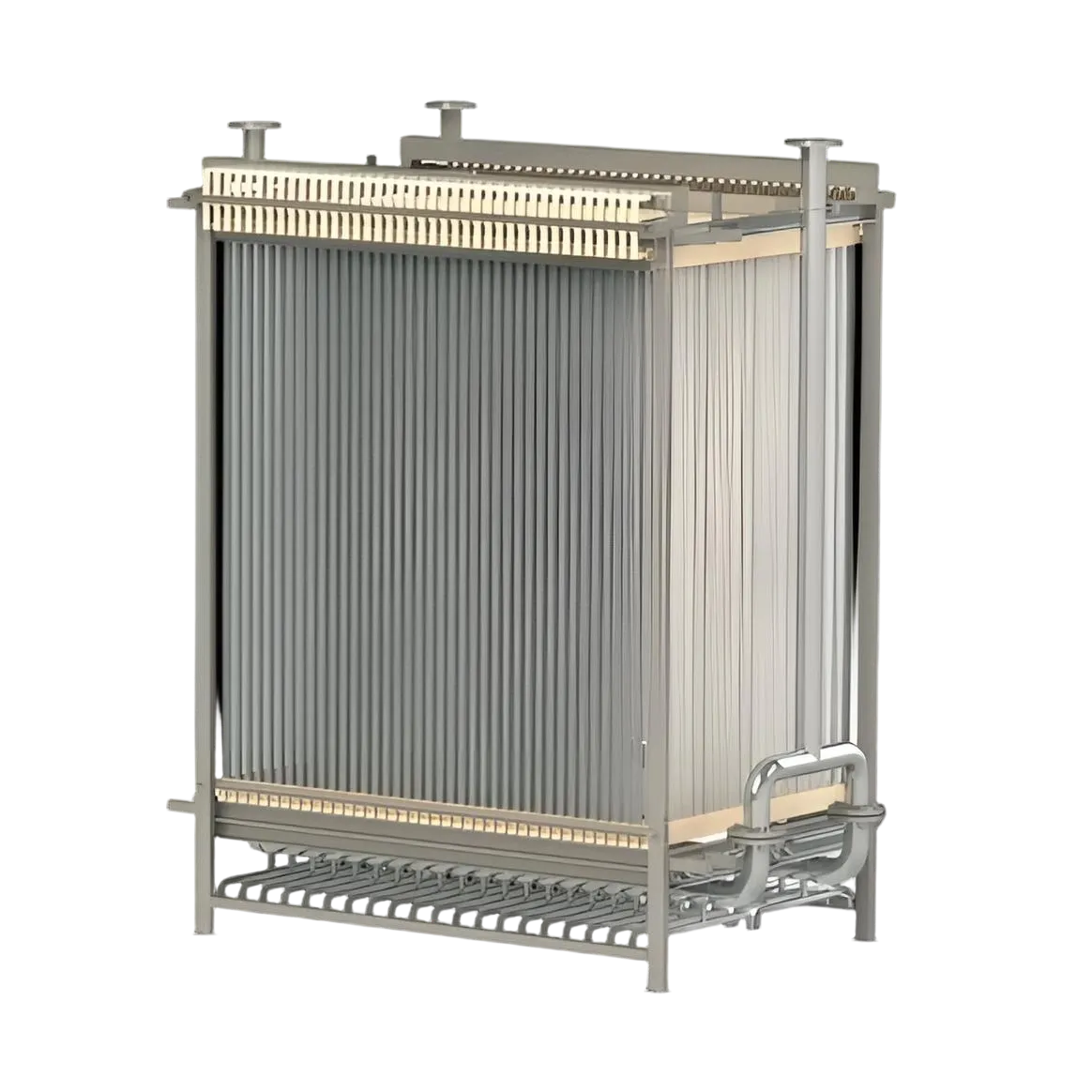
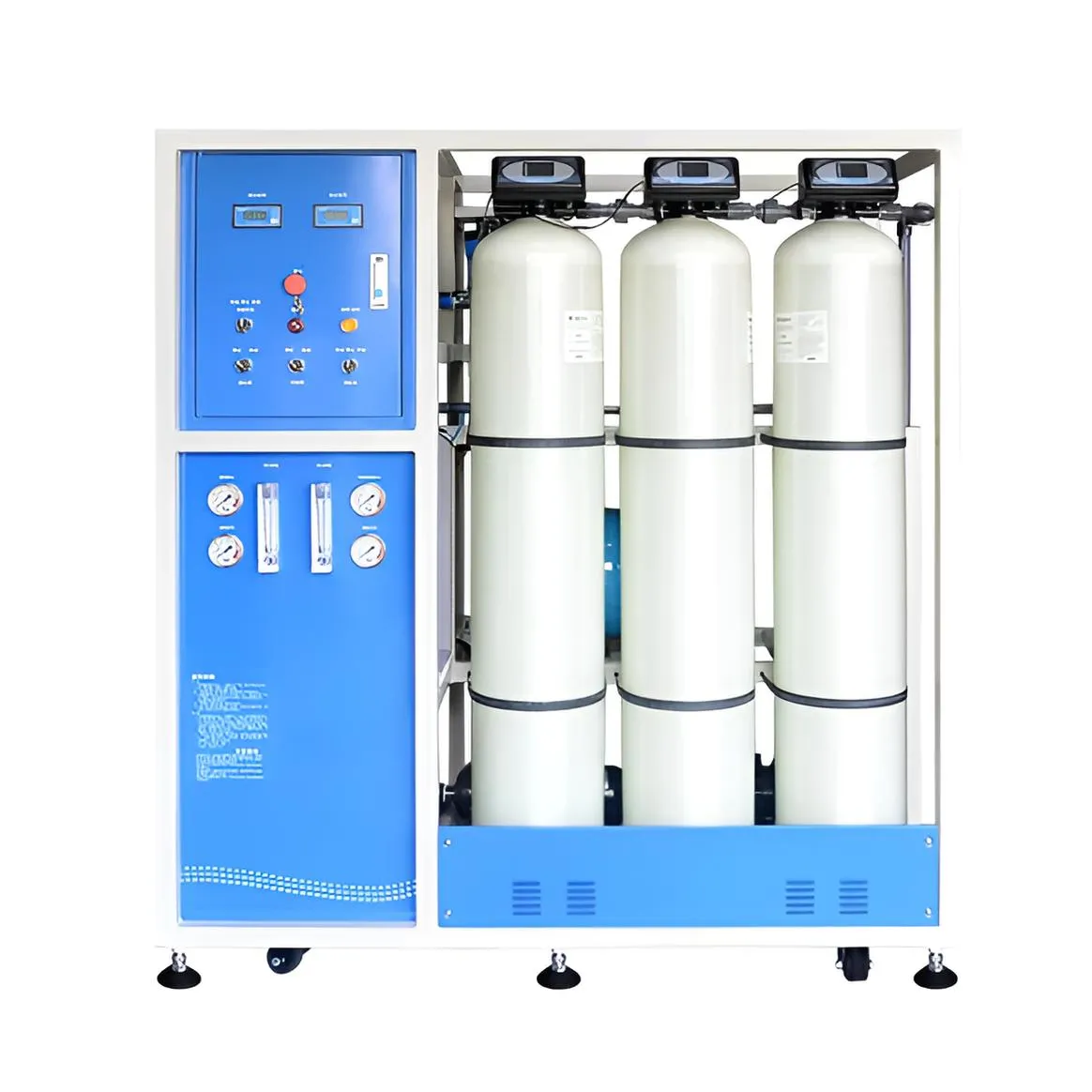
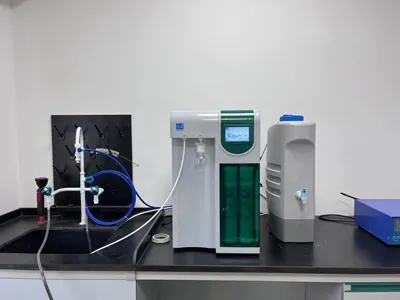
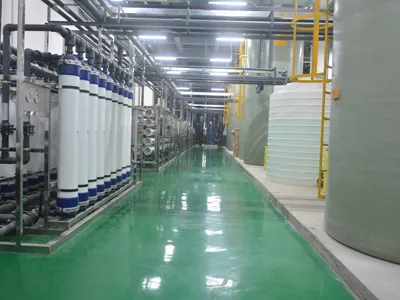
An ultrapure water system is a device for producing pure water, so it is closely related to water. Prolonged contact with water, especially if not properly designed, can lead to corrosion. To prevent corrosion and extend the lifespan of the equipment, anti-corrosion measures are essential. So, what specific measures can be taken?
1. Material Selection and Design
Corrosion prevention should start with the basics, namely the materials used in the ultrapure water system. For pure water equipment, appropriate materials and a scientific design are paramount for corrosion prevention. Therefore, when purchasing pure water equipment, we should pay attention to whether the materials used are corrosion-resistant. Only high-quality materials can guarantee the equipment's corrosion resistance and extend its service life.
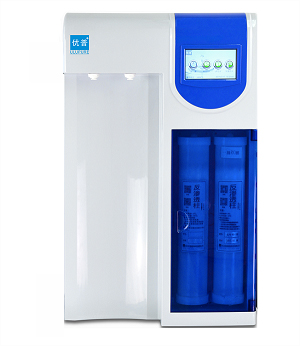
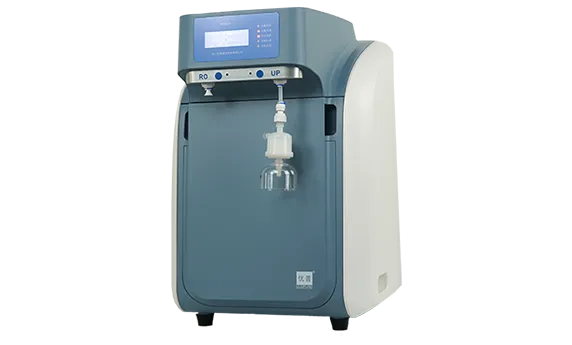
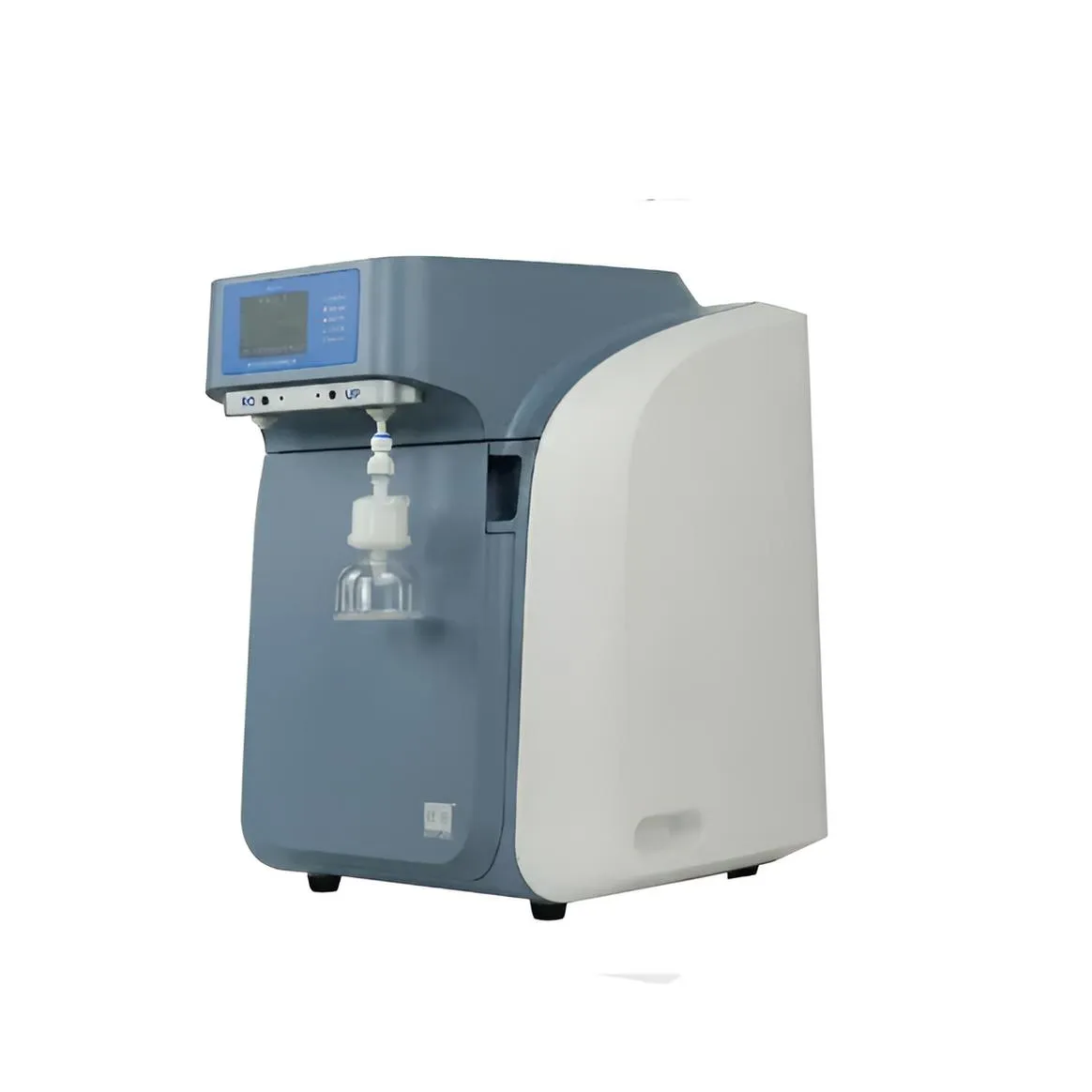
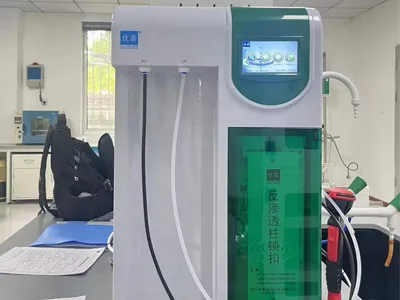
(All-plastic ABS engineering plastic casing)
2. Environmental Considerations
Ultrapure water systems should ideally be placed in a dry, non-humid environment. This not only prevents corrosion but also reduces bacterial growth.
3. Cathodic Protection
Catholic protection can be used to prevent metal corrosion. The principle is to use an external direct current to create a cathodic zone within the ultrapure water system, thereby eliminating corrosion.
4. Adding Corrosion Inhibitors to the Ultrapure Water System
There are three main types of corrosion inhibitors, each with different inhibition mechanisms: organic, inorganic, and vapor-phase corrosion inhibitors. Adding a suitable corrosion inhibitor can significantly inhibit metal corrosion.
This concludes the introduction to corrosion prevention measures for ultrapure water systems. Only by implementing proper anti-corrosion measures can the ultrapure water system be effectively prevented from corroding, extending its lifespan.