






Phone:
0086 28 87573647
+86 19150187139

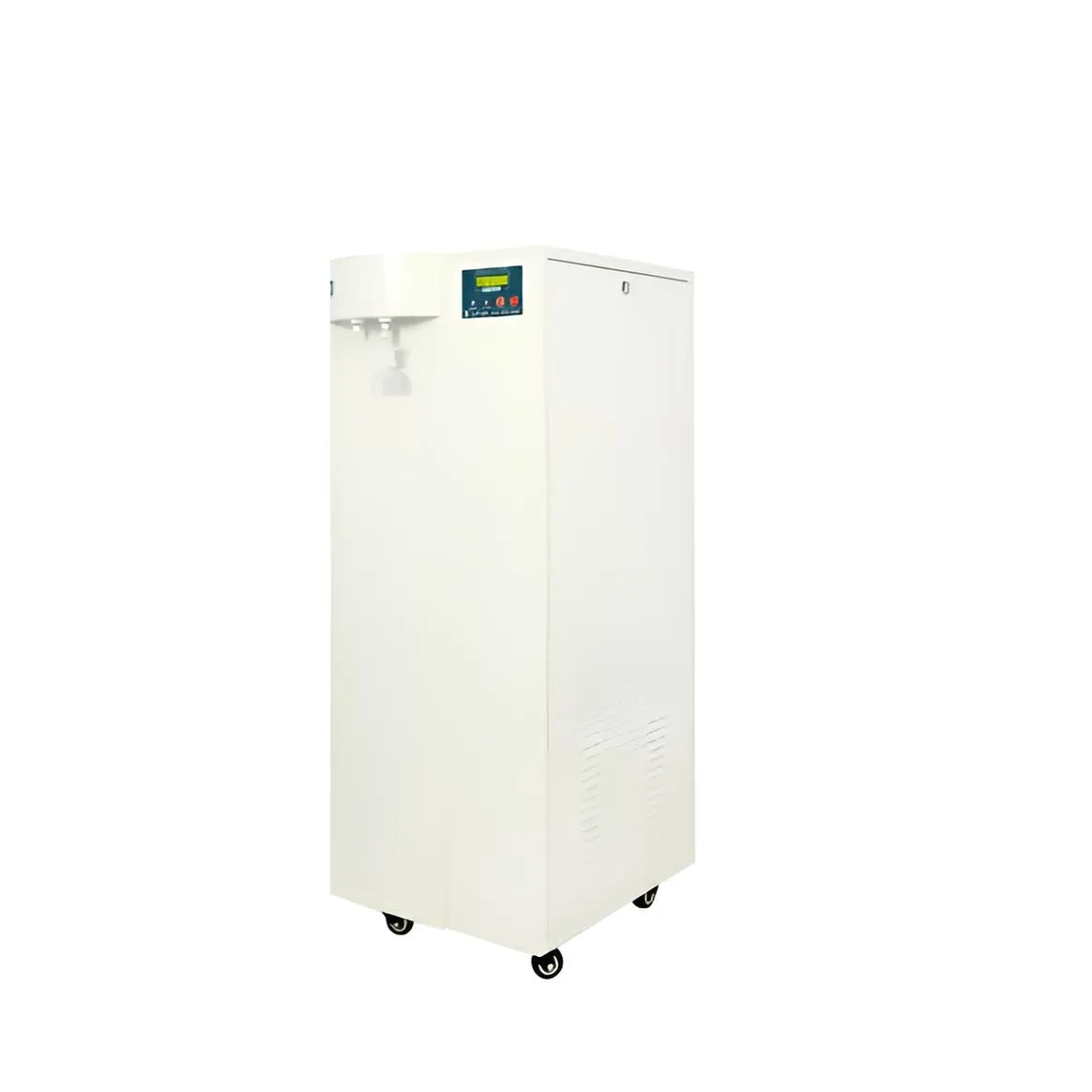
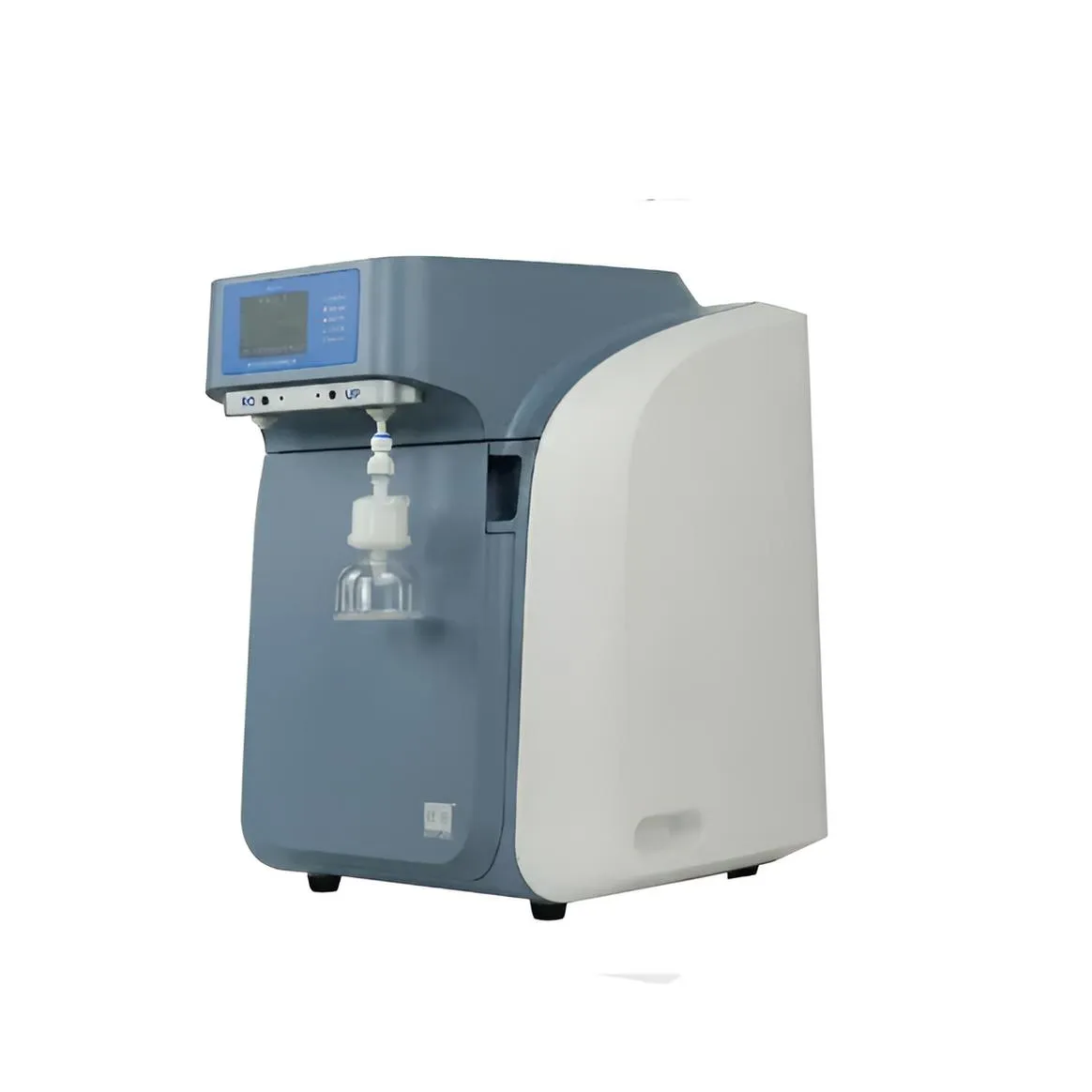
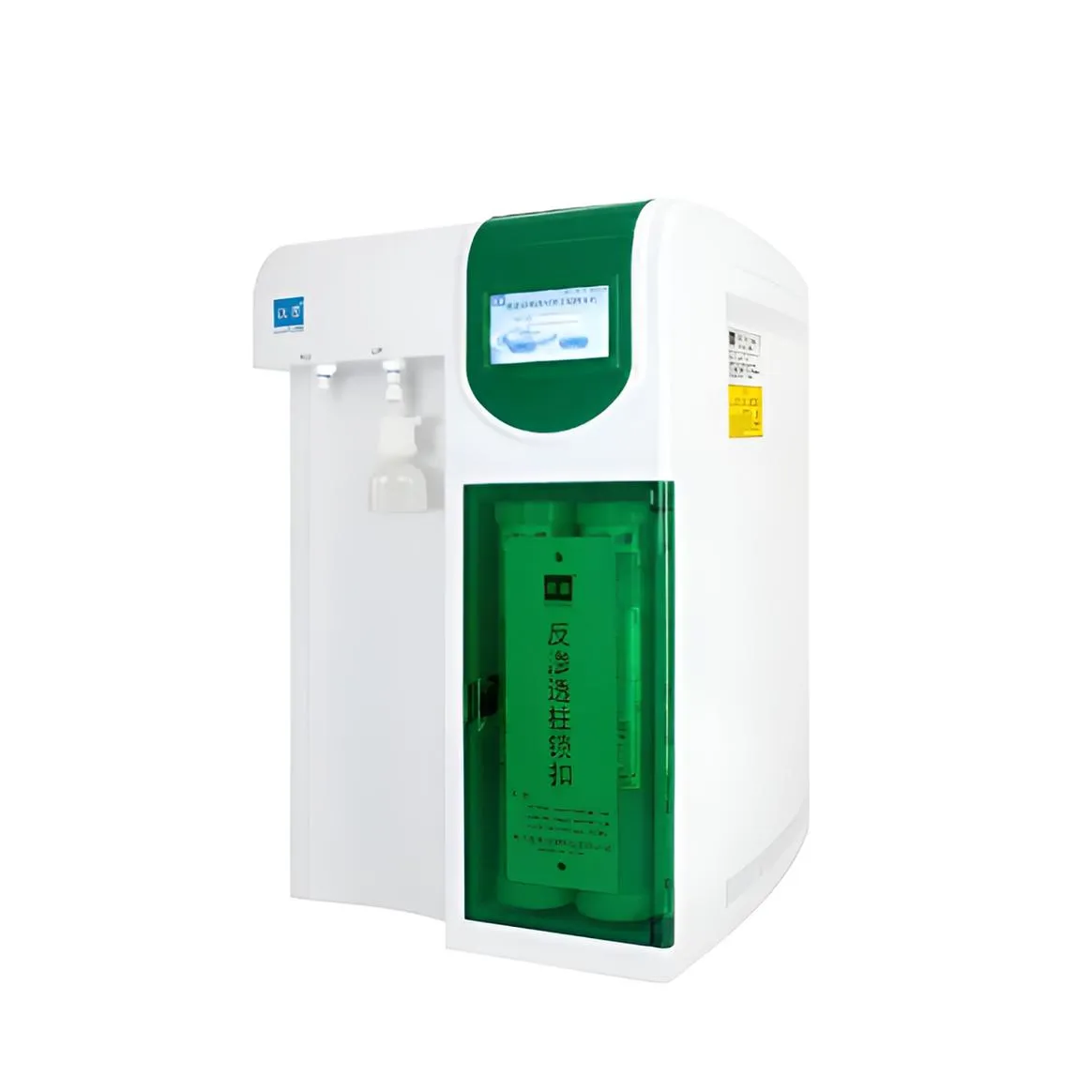
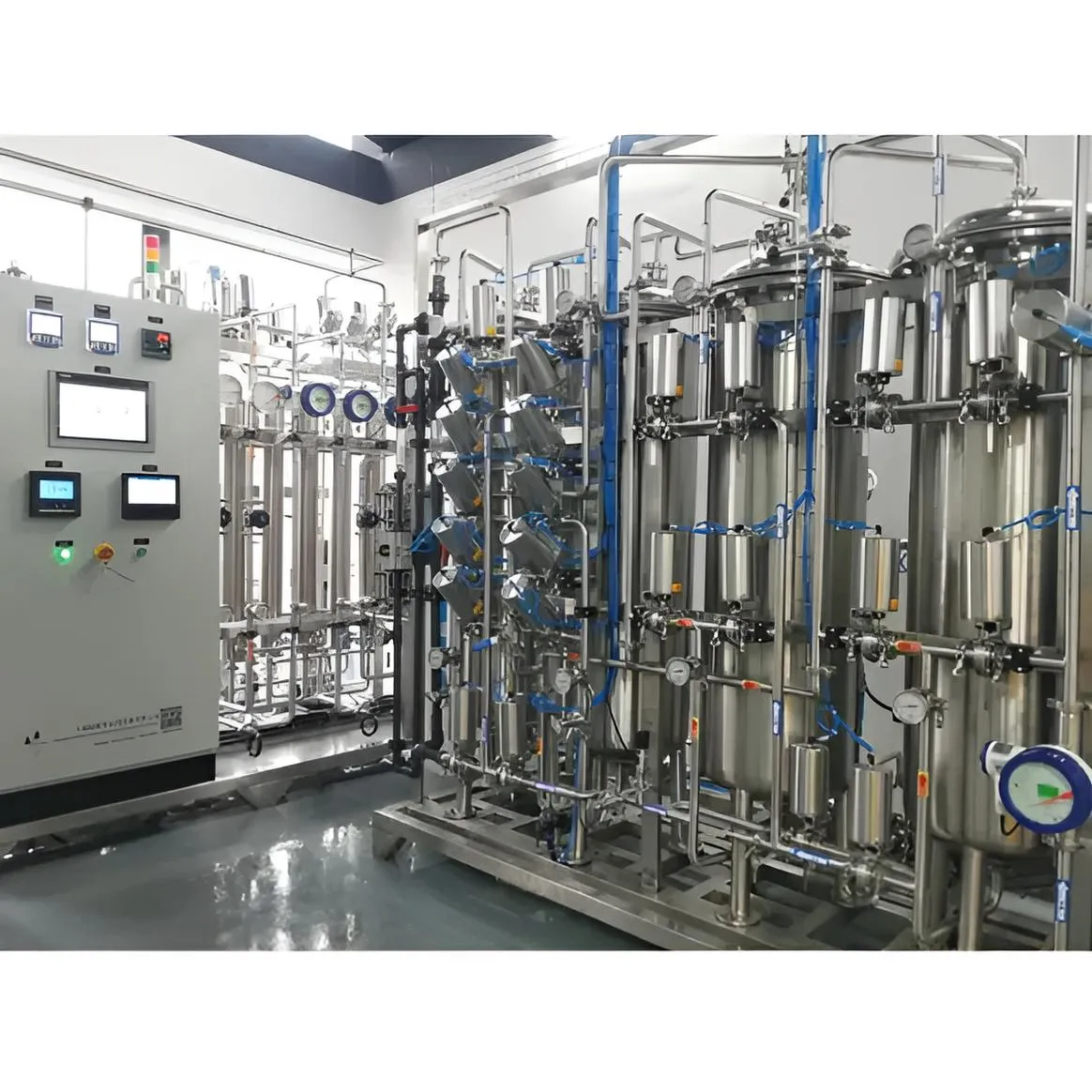
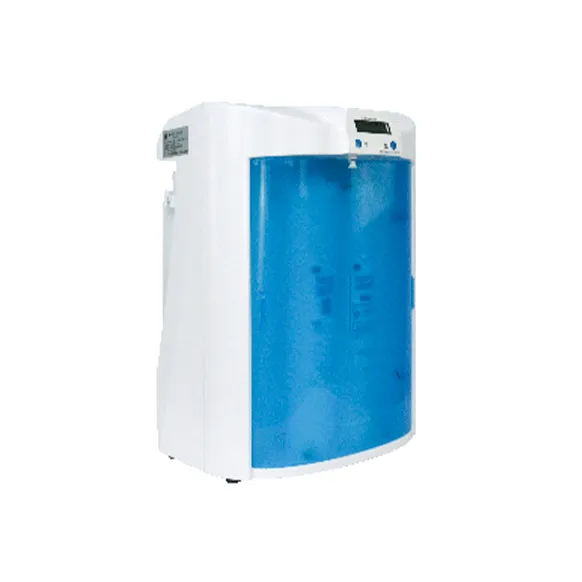
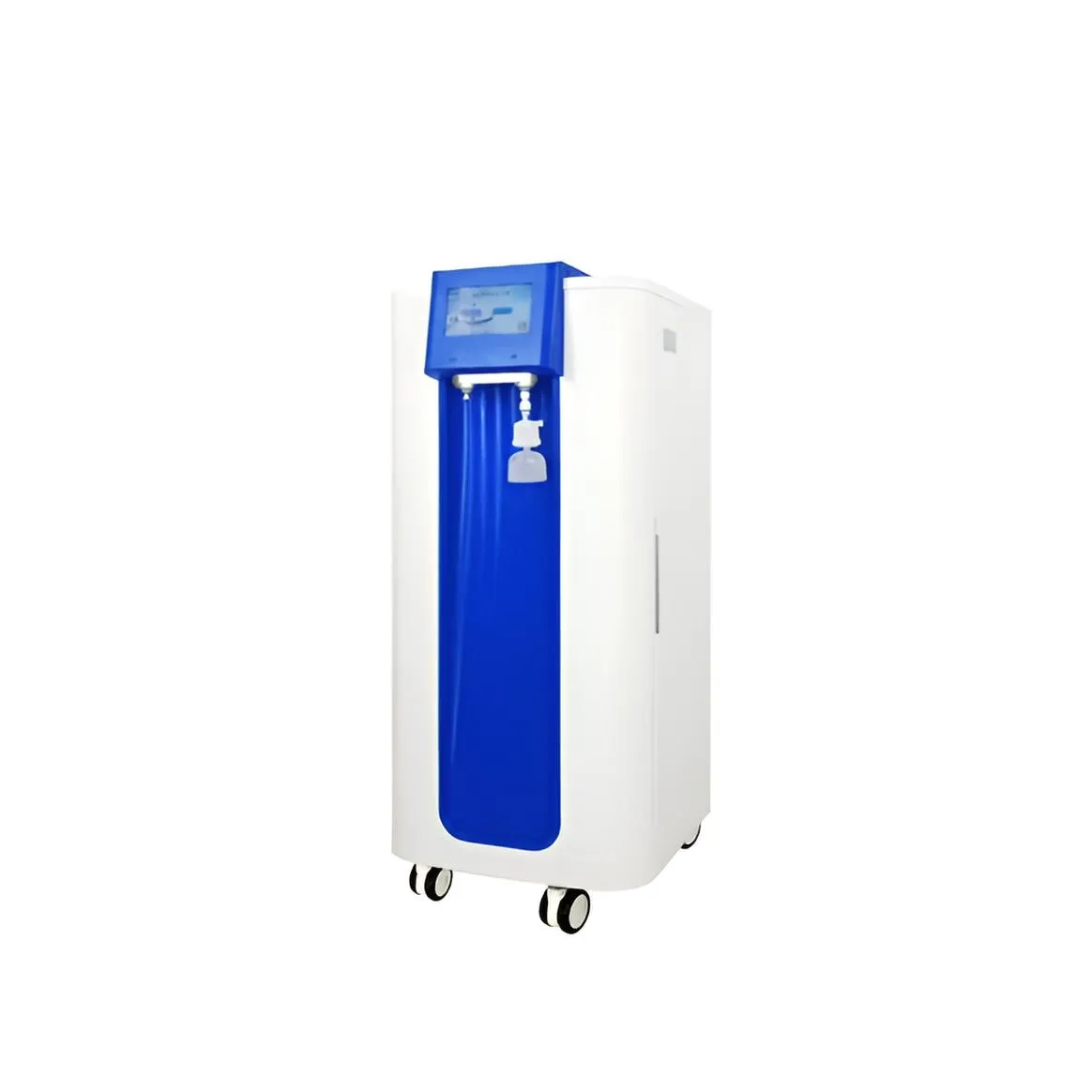
Laboratory pure water equipment includes pretreatment, reverse osmosis, and ultrapure water treatment processes. Ultrapure water generally refers to ion exchange. The purified water from the first two stages is then subjected to ultrapure water (ion exchange) to obtain ultrapure water that meets standards. Therefore, ion exchange plays a crucial role in laboratory pure water equipment. So, what is ion exchange? Let's learn about it today:
Ion exchange resins can be divided into cation exchange resins, anion exchange resins, and amphoteric ion exchange resins. Ion exchange resins are insoluble in water and common solvents. Most are made into granules, but some are made into fibers or powders. The size of resin particles is generally in the range of 0.3–1.2 mm, with most between 0.4–0.6 mm. They have high mechanical strength (robustness), are chemically stable, and have a long service life under normal conditions. Based on chemically active groups, they are primarily classified into two categories: cation resins and anion resins. Cation resins are further divided into strong acid and weak acid types. The working principle of ion exchange resins: During ion exchange, cations in water (such as Na+, Ca2+, K+, Mg2+, Fe3+, etc.) exchange with H+ ions on the cation exchange resin. The cations in water are transferred to the resin, while the H+ ions on the resin are exchanged back into the water. Similarly, anions in water (such as Cl-, HCO3-, etc.) exchange with OH- ions on the anion exchange resin. The anions in water are transferred to the resin, while the OH- ions on the resin are exchanged back into the water. The H+ and OH- ions combine to form water, thus achieving desalination and water purification.
Ion exchange resins should ideally be insoluble. However, substances with low degrees of polymerization that may be present during resin synthesis, as well as substances generated during resin decomposition, can dissolve during operation. Resins with lower cross-linking degrees and more active groups have a greater tendency to dissolve.
Ion exchange resins contain a large number of hydrophilic groups, which absorb water and swell upon contact with water. When ions in the resin undergo transformation, such as H+ to Na+ in cation exchange resins and Cl− to OH− in anion exchange resins, expansion occurs due to the increase in ion diameter, thus increasing the resin volume. Generally, resins with lower cross-linking degrees exhibit greater expansion. When designing ion exchange devices, the resin's expansion must be considered to accommodate the volume changes caused by ion transformation during production.
Ion exchange resin particles undergo changes such as transfer, friction, expansion, and contraction during use. After long-term use, some wear and breakage will occur; therefore, the resin must possess high mechanical strength and wear resistance. Generally, resins with low cross-linking degrees are more easily broken, but the durability of the resin is primarily determined by the uniformity and strength of the cross-linking structure. For example, macroporous resins with higher cross-linking degrees have a stable structure and can withstand repeated regeneration.





