






Phone:
0086 28 87573647
+86 19150187139

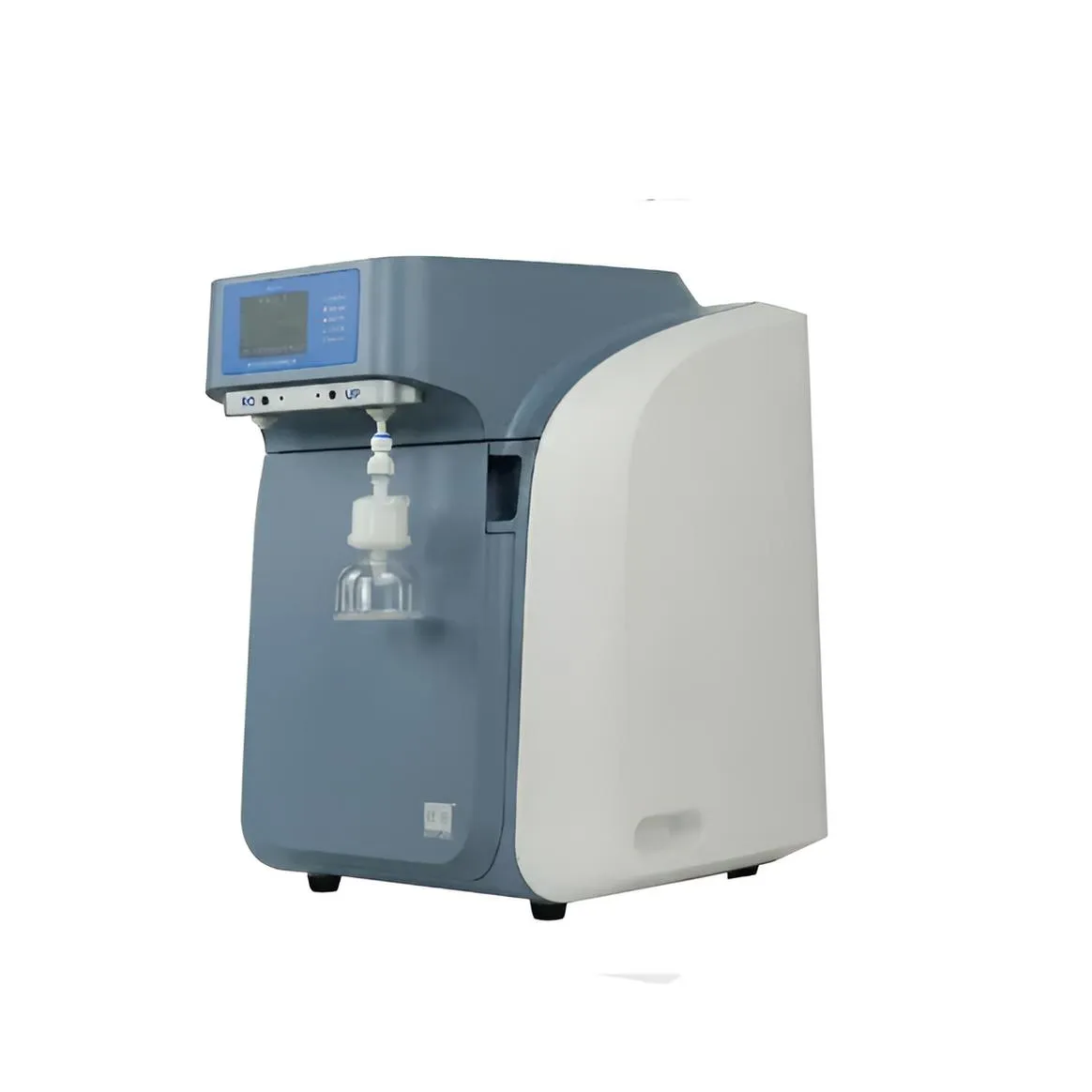
Laboratory ultrapure water systems are essential equipment in laboratories, and it is very important that the water quality meets the experimental requirements. So, how do you choose a suitable ultrapure water system, and what are the selection principles?
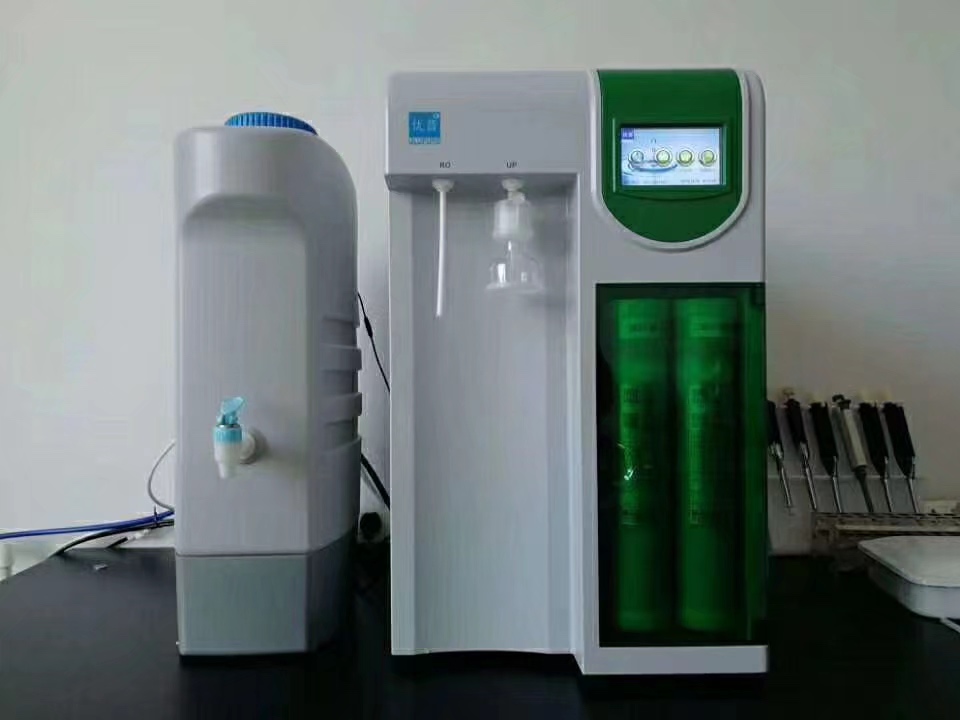
Selection Principles: National laboratory standards classify water into three grades: Grade I, Grade II, and Grade III. However, most laboratories only need two: Grade III water (e.g., distilled water) for cleaning glassware, and Grade I water primarily for chemical analysis or precision instrument analysis such as liquid chromatography and atomic absorption spectrometry. Customers should select the appropriate ultrapure water system based on their actual water quality requirements.
1. Experiment Content: Experiments are divided into inorganic and organic experiments. Inorganic experiments only require water with a resistivity greater than 18 megohms. Organic experiments typically require the removal of organic matter from the water; therefore, in addition to a resistivity greater than 18 megohms, a total organic carbon (TOC) level is also necessary. For biological experiments, bacteria must also be removed from the water.
2. Instrument Types: Customers can select an ultrapure water system based on the types of instruments they will be using. The resistivity of water used in liquid chromatography is greater than 18 megohms, and organic matter must be removed. For atomic absorption, atomic fluorescence, and environmental monitoring instruments, a resistivity greater than 18 megohms is sufficient. For life science instruments such as PCR, in addition to a resistivity greater than 18 megohms, water must be sterilized, free of organic matter, and free of pyrogens.
3. Current Water Source: If the customer's current water supply is qualified, they can inform the manufacturer of the source of the purified water, and their technicians will recommend the appropriate specifications and models based on this information.
Choosing an ultrapure water system that meets laboratory requirements involves more than just producing qualified pure and ultrapure water; we also expect it to have other more stable and comprehensive functions.
1. Stable Water Quality: Since tap water quality is highly unstable due to factors such as region and climate, the water system needs to be able to consistently produce pure water that meets specifications regardless of the incoming water.
2. Reduced Consumable Costs: Frequent replacement of consumables keeps the operating cost of water purifiers consistently high. Choosing a purifier with high-quality purification columns and high-quality packing materials extends the lifespan of consumables, thus reducing operating costs.
3. Equipment Monitoring System: To ensure the purifier operates healthily and produces stable water, real-time online monitoring of the system is essential. Therefore, a well-chosen ultrapure water purifier that monitors and records the purifier's operating status, consumable usage, and water quality allows users to know the quality of the produced water, when consumables need replacement, and which units require maintenance.
4. Historical Data Recording Function: The operational data recording function of a laboratory ultrapure water purifier is crucial. This allows us to understand the purifier's operating status, whether consumables need replacing, and identify potential problems. The operating status of each unit in an ultrapure water purifier cannot be directly observed, so we rely on an intelligent system to record and analyze data. This function allows us to know the machine's operating status, consumable usage, and the causes of problems. Choose an ultrapure water system with functions including raw water monitoring, tertiary water monitoring, and ultrapure water monitoring. The entire process from water intake to product water is under control. The intelligent system records and stores the system's operating data in real time, and the system itself can provide consumable replacement reminders and alarms for abnormal operation.
In addition to the above principles, the most accurate model selection is based on providing detailed water quality parameters, such as resistivity, trace elements, bacteria, and total organic carbon levels. Choosing an ultrapure water system suitable for your laboratory's needs can save on procurement costs while meeting operational requirements, and also reduce subsequent operating costs.





