








Phone:
0086 28 87573647
+86 19150187139

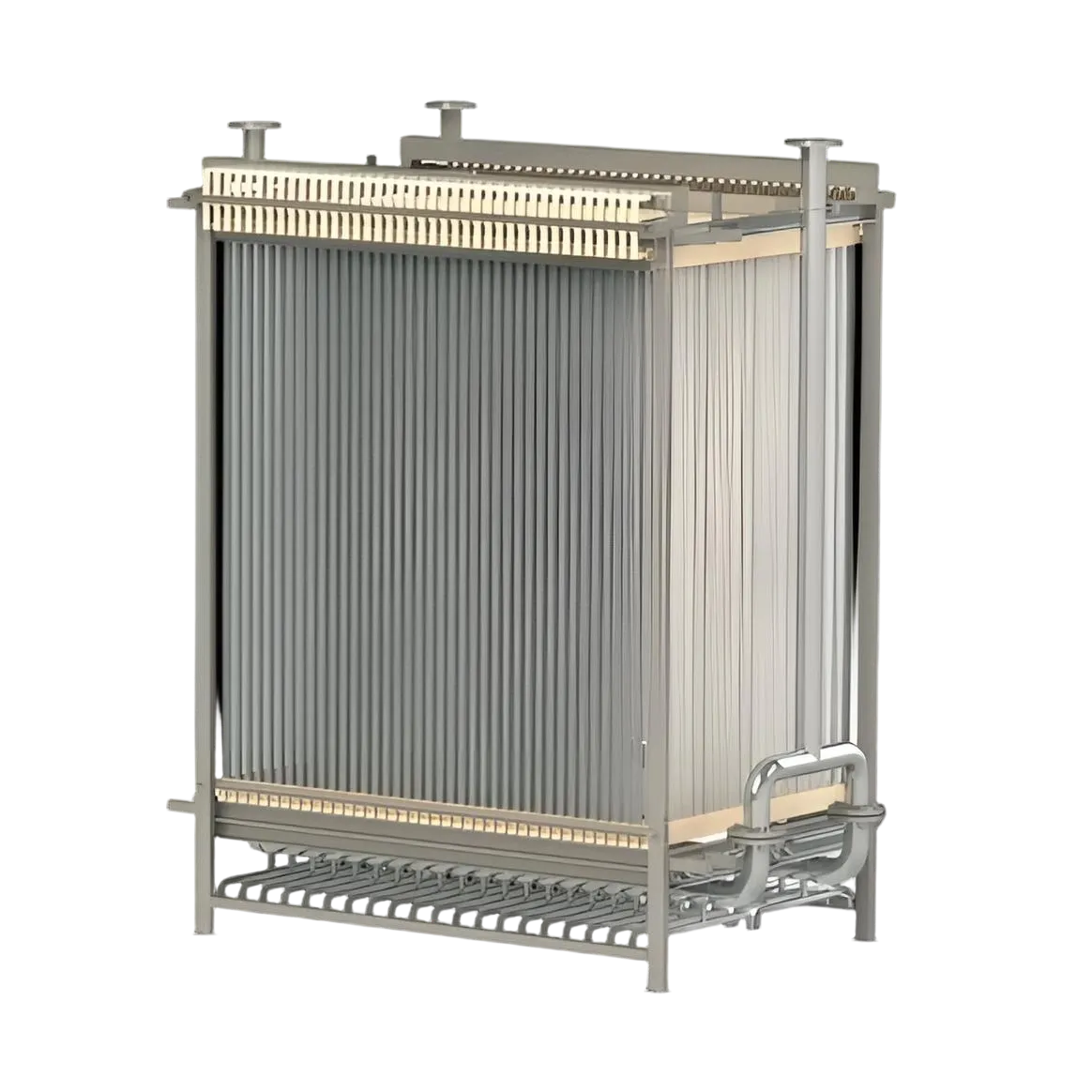
Ion exchange membranes are considered the heart of electrodialysis; they are membrane-like ion exchange resins. There are many types of ion exchange membranes, but their structure can be simply divided into two main parts: the base membrane (polymer) and the active groups (including fixed groups and counterions).
Based on the types of active groups contained in the membrane, they can be divided into three main categories: cation exchange membranes, anion exchange membranes, and special membranes.
1. Cation Exchange Membranes (CA Membranes)
These membranes contain acidic active groups that selectively allow cations to pass through while preventing anions from passing through. These active groups mainly include: sulfonic acid groups, phosphate groups, phosphorous acid groups, carboxylic acid groups, and phenolic groups.
2. Anion Exchange Membranes (ACMs)
These membranes contain basic active groups that selectively allow anions to pass through while preventing cations from passing through. These active groups mainly include: quaternary ammonium groups, primary amine groups, tertiary amine groups, and so on.
3. Specialty Membranes
These include zwitterionic exchange membranes with cation and anion active groups uniformly distributed within a single membrane; composite ion exchange membranes consisting of two membranes bonded together (also known as bipolar membranes); embedded ion exchange membranes where some positive and some negative charges coexist in the thickness direction of the membrane; and surface-coated membranes with a layer of anion or cation exchange resin coated on the surface of a cation or anion membrane, etc.





