







Phone:
0086 28 87573647
+86 19150187139

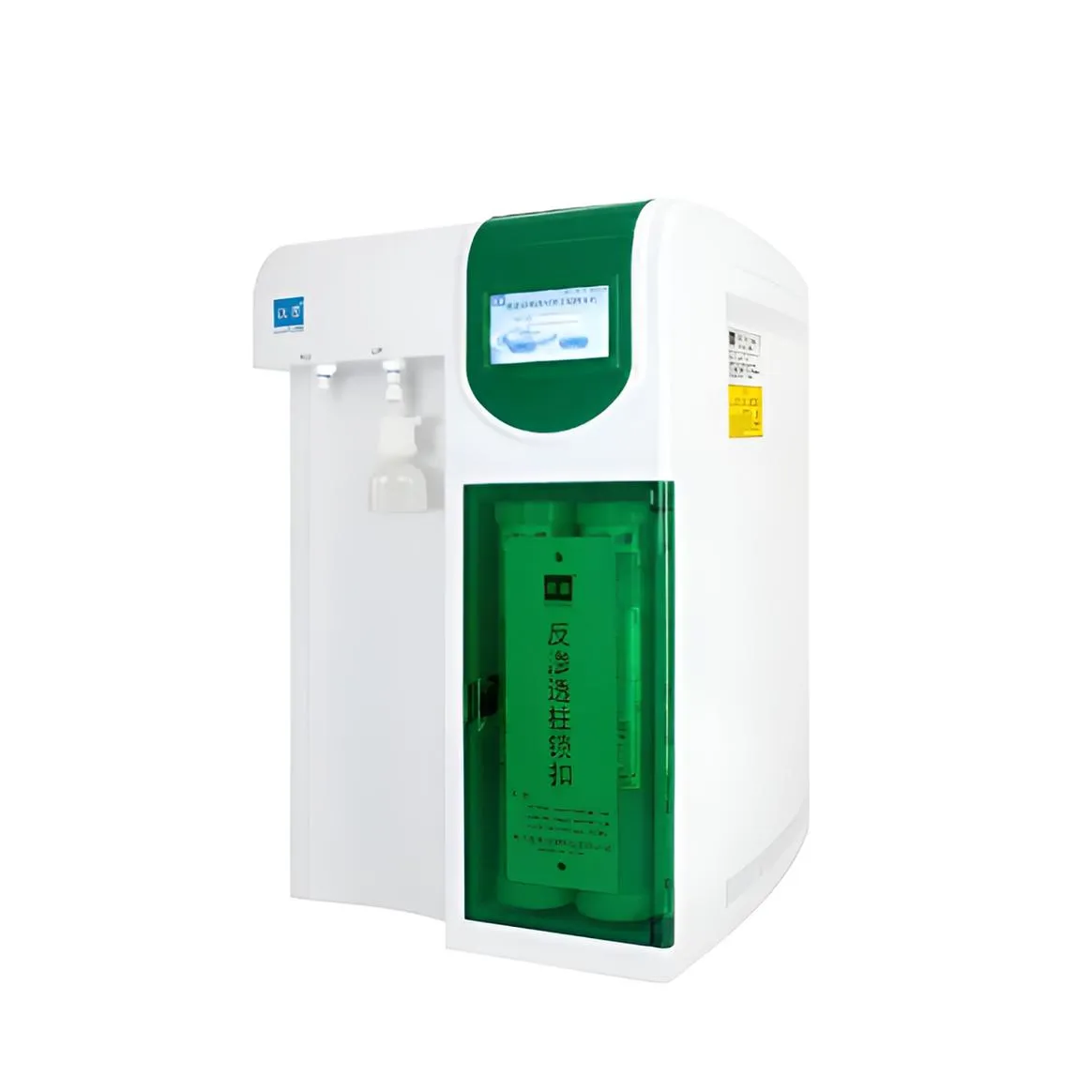
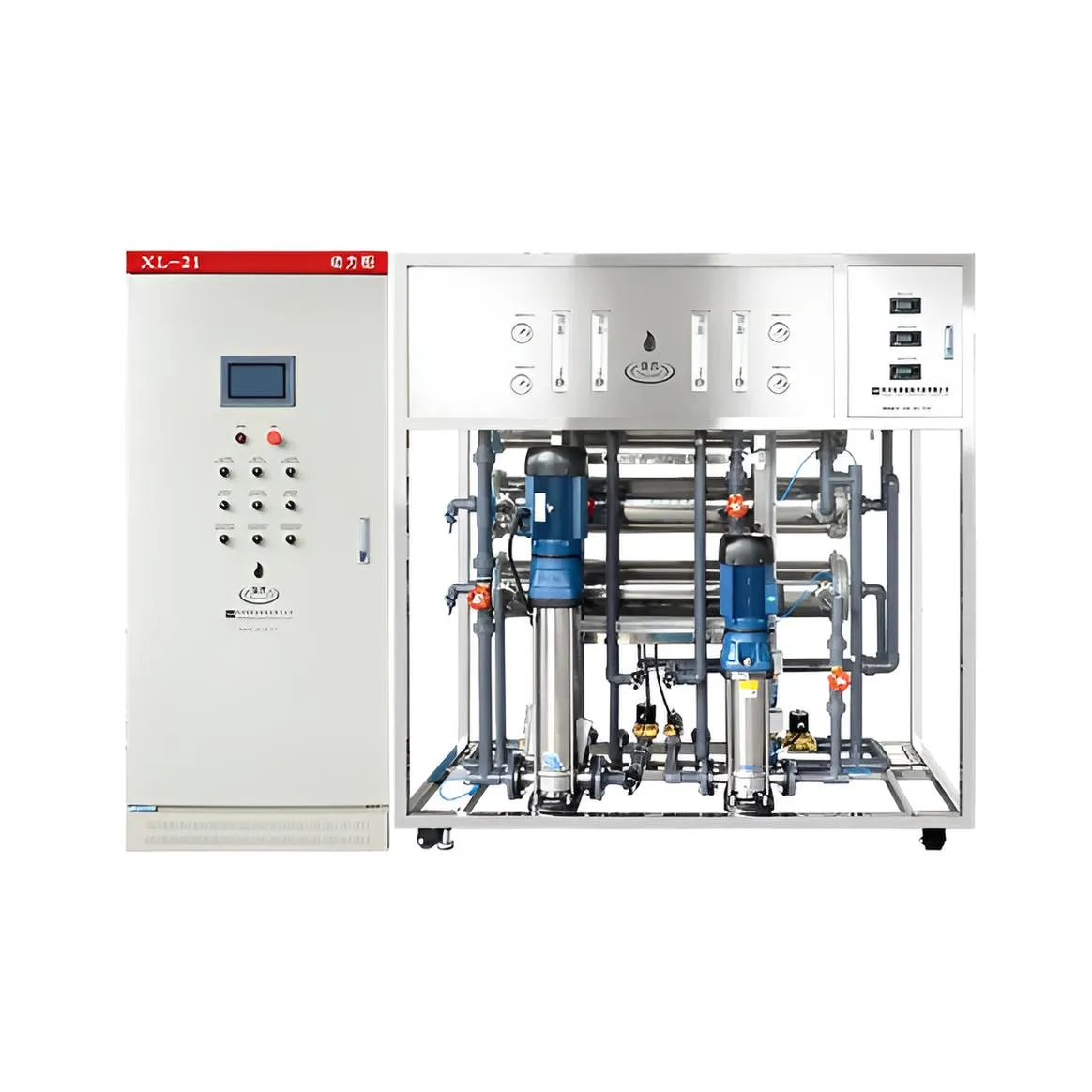
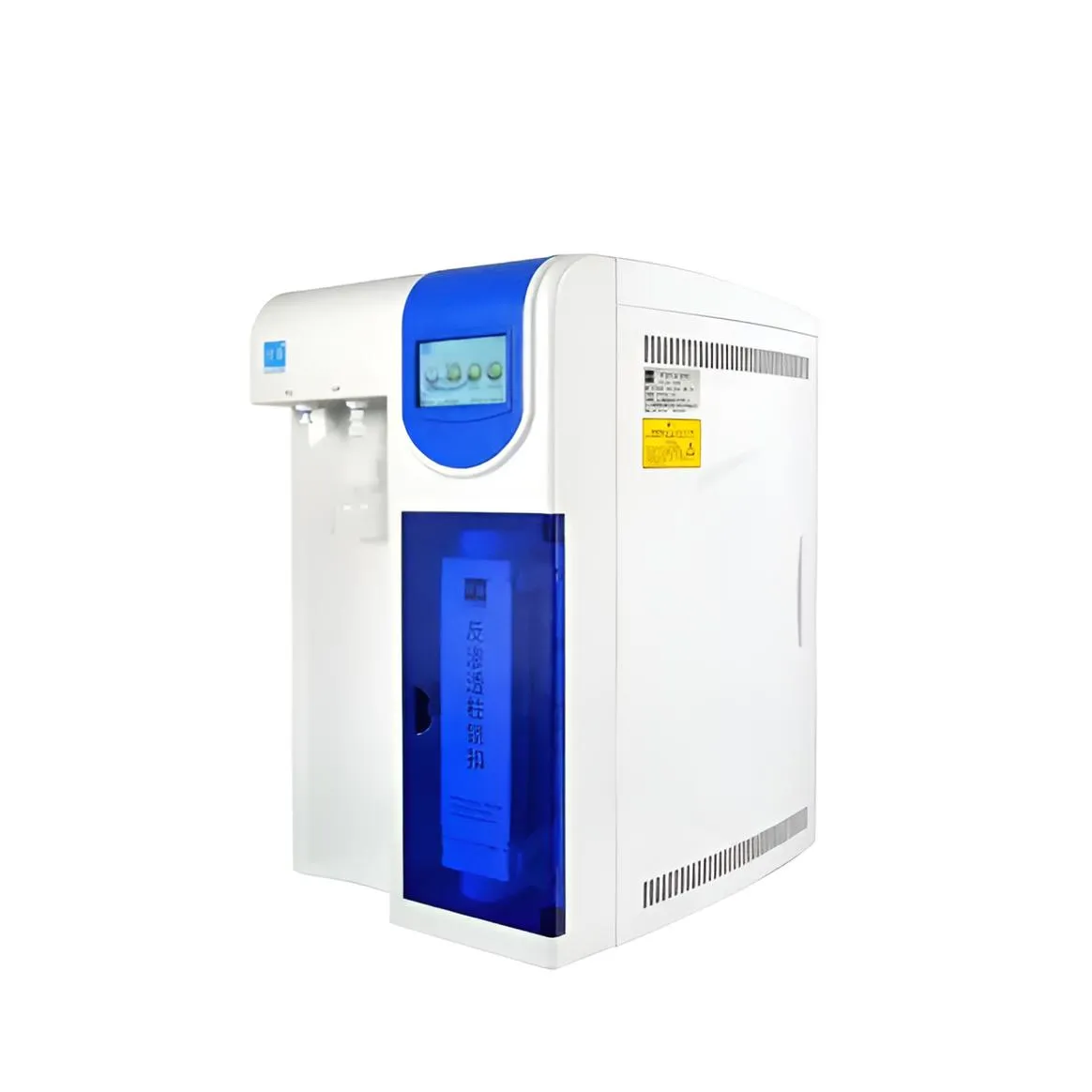
Laboratory ultrapure water systems can be categorized into two types based on the type of raw water used: those using tap water and those using distilled water (or deionized water, reverse osmosis pure water). Currently, in China, laboratory ultrapure water systems using tap water are the dominant type.
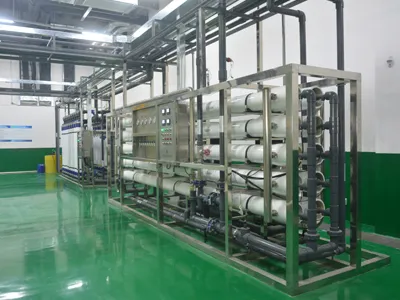
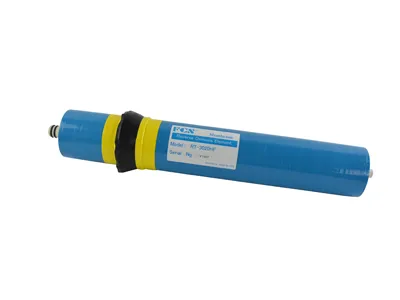
Laboratory ultrapure water systems using tap water primarily employ reverse osmosis as the main desalination process, combined with ion exchange technology. This allows them to directly purify tap water (typically with a salt content between 100 and 400 ppm) into laboratory water that meets or exceeds the national standard for Class I analytical laboratory water (GB/T6682-2008). From tap water to Class I laboratory water, over 95% of dissolved impurities in the raw water are removed via reverse osmosis filtration. Reverse osmosis filtration is a pressure filtration process that uses reverse osmosis membranes as filter elements. The following precautions should be taken when starting and stopping this type of laboratory ultrapure water system:
First-time operation of new equipment:
It is essential to expel air from the reverse osmosis membrane using low pressure and low flow rate to ensure normal operation of the laboratory ultrapure water system. The operating pressure should be between 0.2 and 0.4 MPa. During low-pressure flushing and venting, all concentrate and permeate should be drained into the sewer. If the pressure rises too quickly, and air remains in the membrane element and pressure vessel, additional impact forces will be generated in the direction and radial direction of water flow within the element. In severe cases, this can cause the membrane outer sheath to rupture, resulting in irreparable damage to the reverse osmosis membrane.
The UPU laboratory ultrapure water system is equipped with a system pressure regulating valve. During the first operation, the reverse osmosis membrane operating pressure can be adjusted to 0.2-0.4 MPa to flush the reverse osmosis membrane. During normal operation of all models of laboratory ultrapure water systems, the reverse osmosis system has an automatic low-pressure reverse osmosis membrane flushing function every time it starts.
Routine Equipment Start-up and Shutdown
Reverse osmosis (RO) process-type laboratory ultrapure water systems are designed for continuous operation, but in practice, there will always be a certain frequency of start-ups and shutdowns. When the equipment is shut down, the RO membrane must be low-pressure flushed with RO permeate or pretreated water to replace the high-concentration concentrate containing antiscalant from the membrane elements. In addition, measures should be taken to prevent water leakage and the introduction of air, as irreversible permeate flux loss may occur if the RO membrane dries out. If the shutdown is less than 24 hours, no measures to prevent microbial growth are necessary. However, if the shutdown time exceeds the above limits, a protective solution should be used to preserve the system or the RO membrane should be flushed periodically.





