






Phone:
0086 28 87573647
+86 19150187139

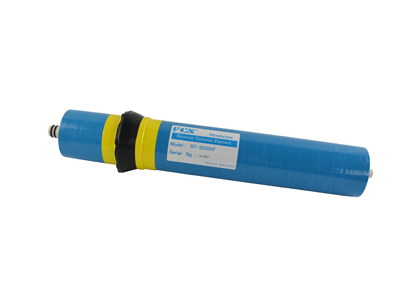
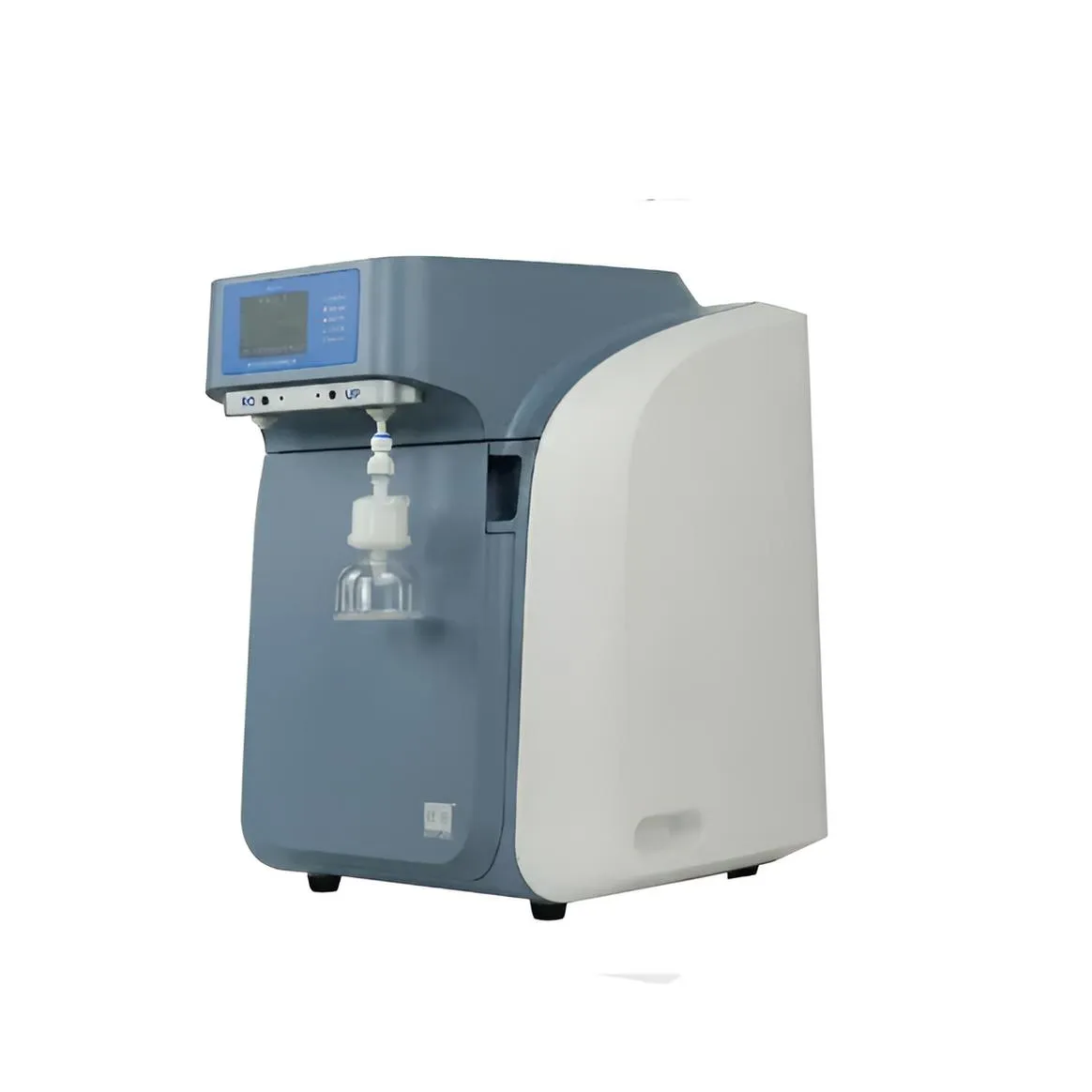
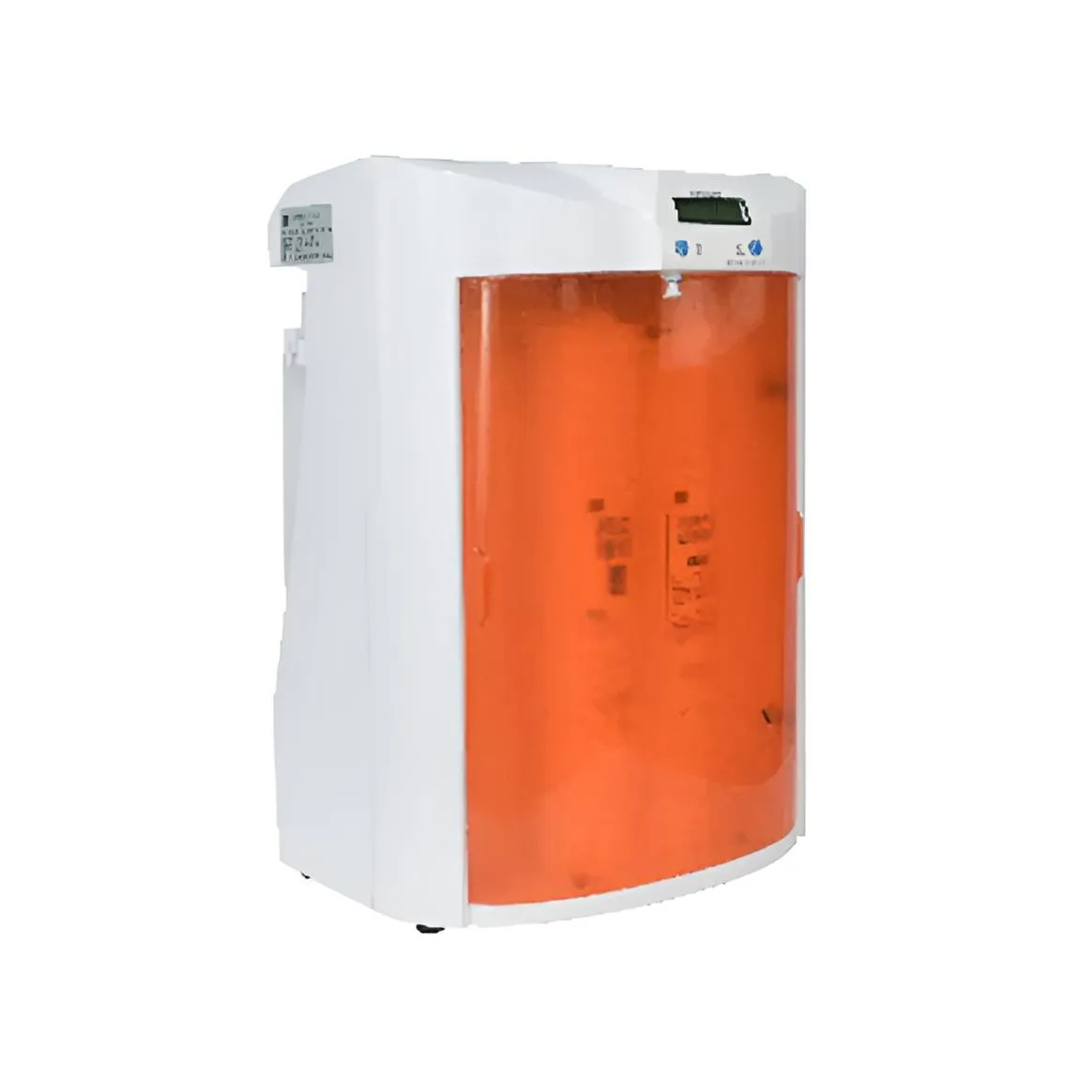
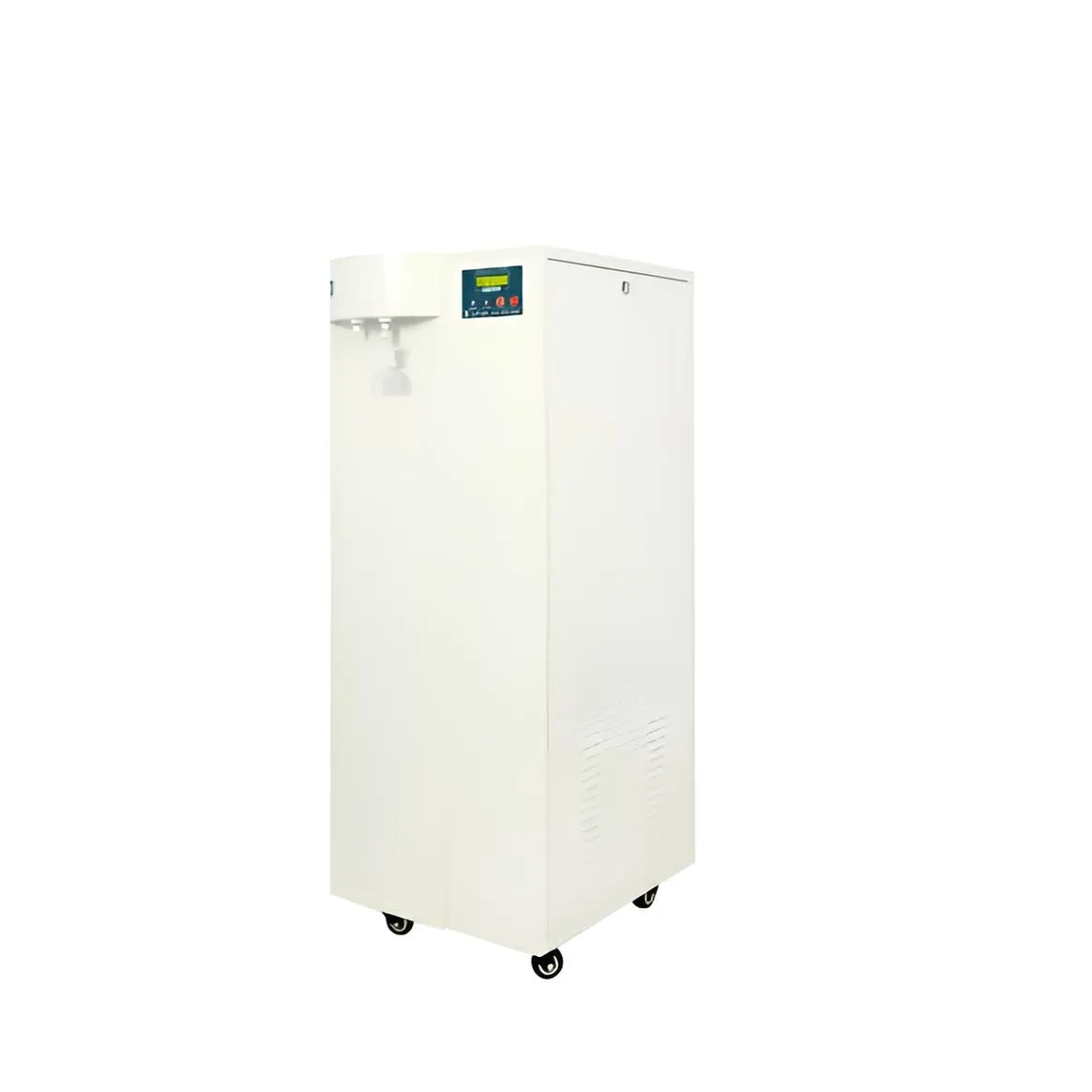
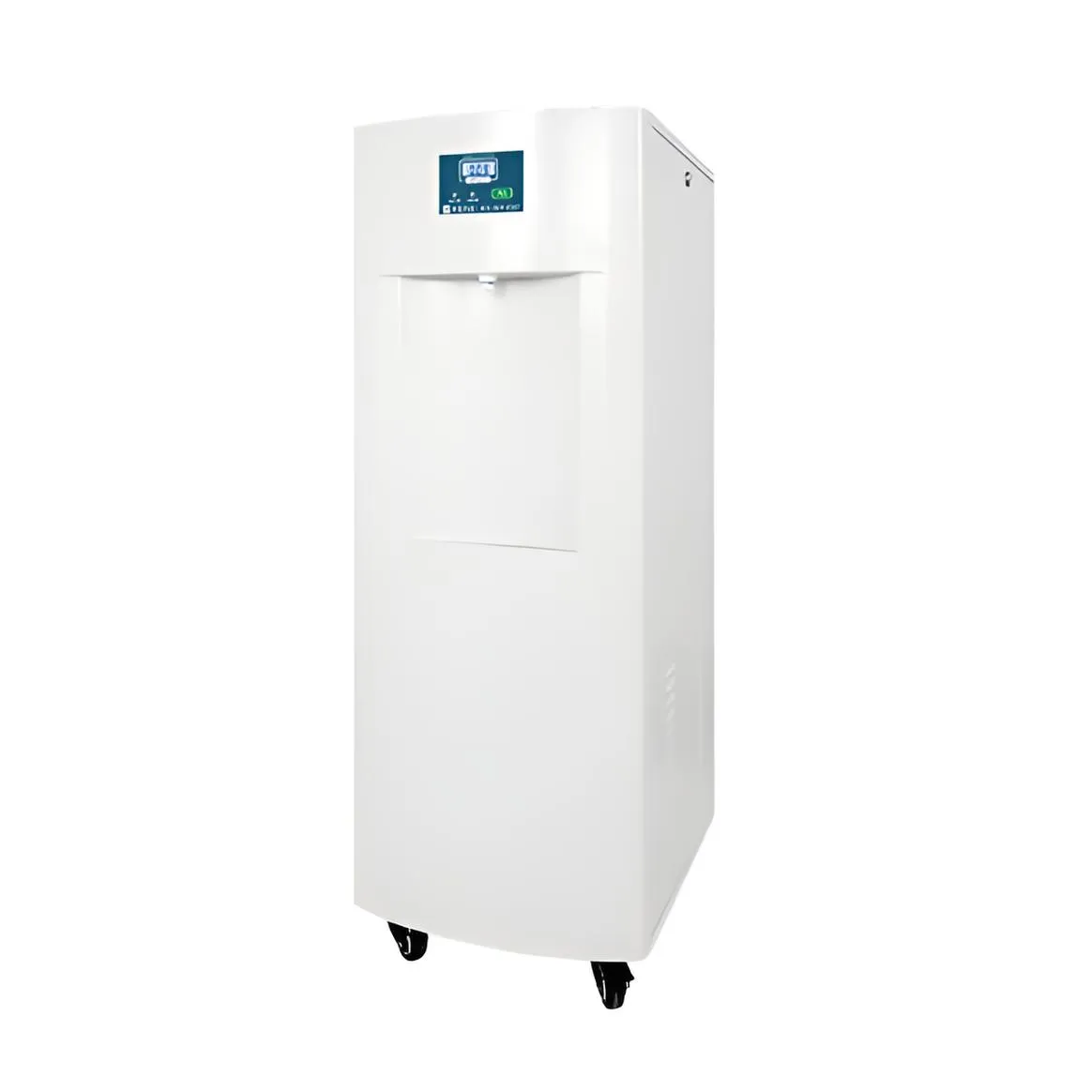
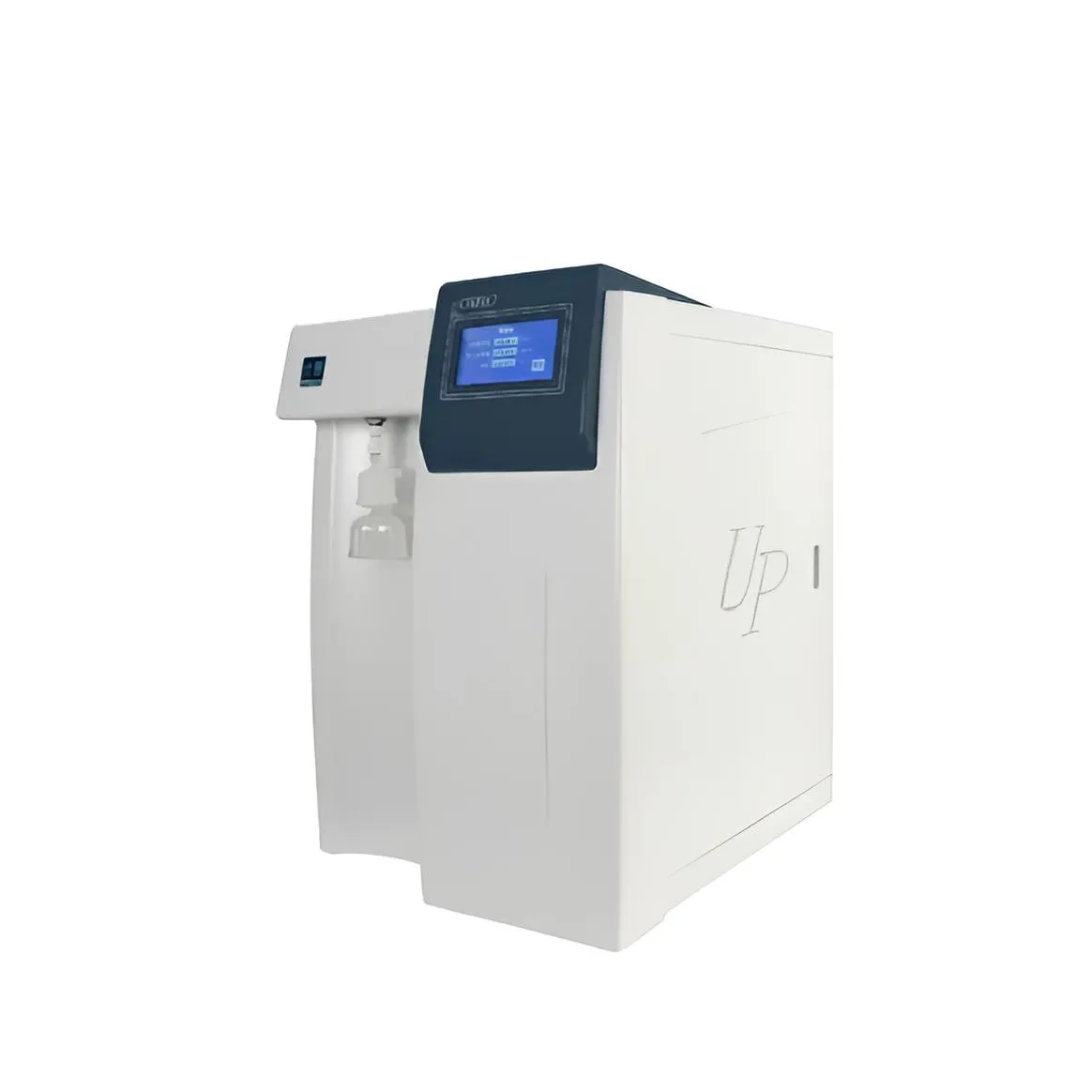
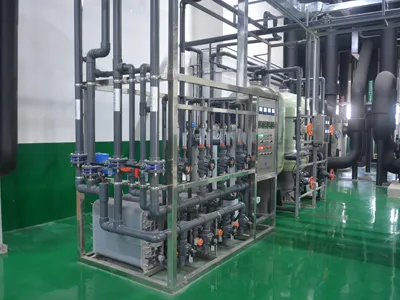
Ultrapure water systems utilize advanced reverse osmosis technology as their core separation technology, playing a significant role in laboratories. As a commonly used piece of equipment in laboratories, the influent conditions of ultrapure water systems have a crucial impact on experimental results. To better understand the performance of laboratory ultrapure water systems, let's examine the specific influent conditions that affect experiments:
1. The Impact of Influent Pressure on the Reverse Osmosis Membrane: Influent pressure itself does not affect salt permeation. However, increased influent pressure raises the net pressure driving reverse osmosis, leading to increased permeate flow. Since salt permeation remains relatively constant, the increased permeate flow dilutes the salt passing through the membrane, reducing salt permeability and increasing desalination rate. When the influent pressure exceeds a certain value, excessively high recovery rates increase concentration polarization, further increasing salt permeation. This offsets the increased permeate flow, preventing a further increase in desalination rate.
2. The Influence of Feed Water Temperature on Reverse Osmosis Membranes: The permeate conductivity of reverse osmosis membranes is highly sensitive to changes in feed water temperature. As water temperature increases, water flux also increases; for every 1°C increase in feed water temperature, permeate flow increases by 2.5%-3.0%.
3. The Influence of Feed Water pH on Reverse Osmosis Membranes: Feed water pH has almost no effect on permeate flow, but it significantly affects desalination rate. The desalination rate reaches its maximum when the pH is between 7.5 and 8.5.
4. The Influence of Feed Water Salt Concentration on Reverse Osmosis Membranes: Osmotic pressure is a function of the concentration of salt or organic matter in water. Higher feed water salt concentrations result in a greater concentration gradient, increasing salt permeability and consequently decreasing desalination rate.
Membrane separation technology, as a new method for separation, purification, and concentration, compared to traditional separation operations (such as evaporation, extraction, precipitation, coagulation, and ion exchange resins), largely involves no phase change during the process. It can operate at room temperature and features low energy consumption, high efficiency, simple process, and low investment. Therefore, it is ideally suited for use in laboratories, where water quality is critical.
With advancements in testing equipment and techniques, and the reduction or elimination of other error factors, the impact of water quality on experimental results has become increasingly important. Especially in recent years, with the development and transformation of testing technologies, water quality has not only become a bottleneck for improving quality but also a key factor in the success or failure of certain experiments (such as cell culture). The quality of the water directly determines the experimental results; if the influent water quality does not meet requirements, it will cause unnecessary losses to the laboratory. Therefore, the influent conditions of ultrapure water systems are particularly important.





