






Phone:
0086 28 87573647
+86 19150187139

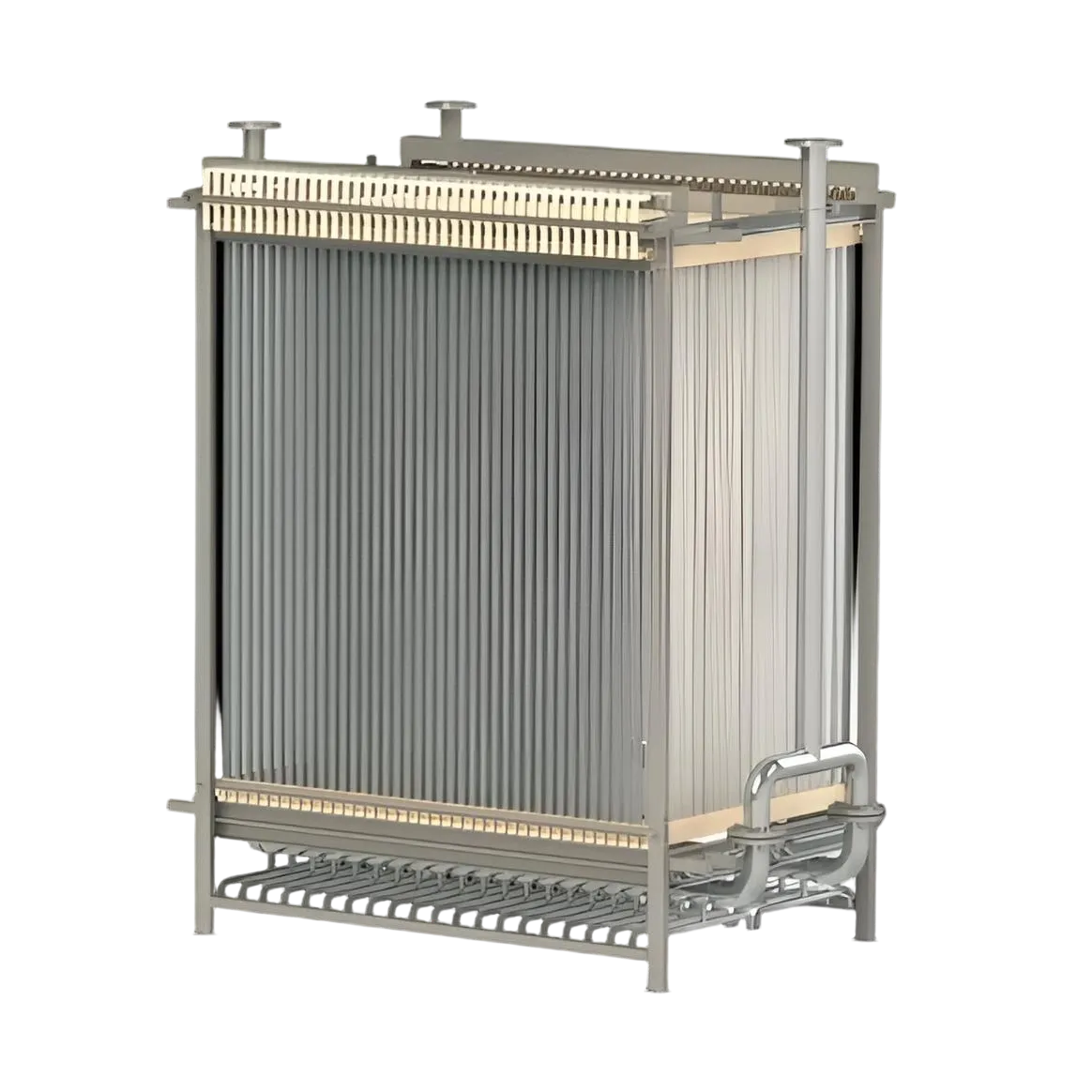
Common water purification methods used in laboratory pure water equipment include ion exchange, activated carbon adsorption, microfiltration, ultrafiltration, and reverse osmosis. This article introduces ultrafiltration: First, let's discuss microporous membranes. Microporous membranes remove particles based on their pore size, while ultrafiltration (UF) membranes are molecular sieves. They separate molecules of different sizes by allowing the solution to pass through an extremely fine membrane. Ultrafiltration membranes are strong, thin, and selectively permeable membranes that retain most molecules larger than a certain size, including colloids, microorganisms, and pyrogens. Smaller molecules, such as water and ions, can pass through the membrane.
Therefore, ultrafiltration can concentrate large molecules in the retentate; however, some large molecules will still leak into the filtrate. Ultrafiltration membranes come in several different ranges, but in all cases, they retain most molecules larger than the molecular weight defined by their molecular sieve.





