



Phone:
0086 28 87573647
+86 19150187139

In the daily work of a laboratory, water quality is one of the key factors affecting the accuracy of test results. As the core laboratory water, the purity and stability of pure water directly affect the reliability of test data. Therefore, it is necessary to establish a standardized water system and clarify the application scenarios and management standards for pure water.
Water used in a laboratory must comply with the "Specifications and Test Methods for Water Used in Analytical Laboratories" (GB/T 6682). It is divided into three levels according to its use: Level 1 water is used for high-precision analysis (such as high-performance liquid chromatography), Level 2 water is used for routine analysis (such as biochemical detection), and Level 3 water is used for instrument rinsing and sample pretreatment. Among these, pure water (Level 2 water) is the most widely used water type in a laboratory due to its moderate purity and reasonable cost. Its key indicators must meet the following requirements: conductivity of biochemical water ≤ 1 μS/cm, conductivity of purified water ≤ 0.1 μS/cm, and resistivity of ultrapure water ≥ 18.0 MΩ·cm.
1. Biochemical Detection: Pure water is used for reagent preparation and sample dilution. 1. **Water Contains Heavy Metal Ions (such as Lead and Copper):** The presence of heavy metal ions in the water can inhibit enzyme activity, leading to lower test results. The presence of chloride ions may interfere with colorimetric reactions for creatinine and other parameters, affecting accuracy.
2. Immunological Assays: In enzyme-linked immunosorbent assays (ELISA), purified water is used to wash reaction plates and prepare blocking solutions. Microorganisms or impurities in the water can easily adsorb into the wells of the ELISA plate, causing non-specific binding and false positives.
3. Molecular Diagnostics: In nucleic acid amplification experiments such as PCR, purified water is used to prepare reaction solutions and dissolve primers and probes. The presence of nucleases in the water can degrade the DNA template; the presence of metal ions can inhibit Taq polymerase activity, leading to amplification failure. Therefore, high-purity purified water close to Grade I water standards is recommended for this scenario.
4. Instrument Operation Maintenance: Purified water is required for flushing tubing and cleaning reaction cups in fully automated biochemical analyzers, hematology analyzers, and other equipment. Substandard water quality can lead to impurity deposition, causing tubing blockage, optical path contamination, reduced detection efficiency, and shortened equipment lifespan.
1. Regular Water Quality Monitoring: Monitor conductivity to ensure it meets standards. Keep test records for at least 6 months.
2. Standardized Storage and Use: Pure water should be stored in dedicated containers to avoid prolonged contact with air. Seal containers tightly after use to prevent microbial contamination.
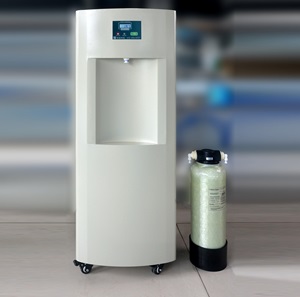
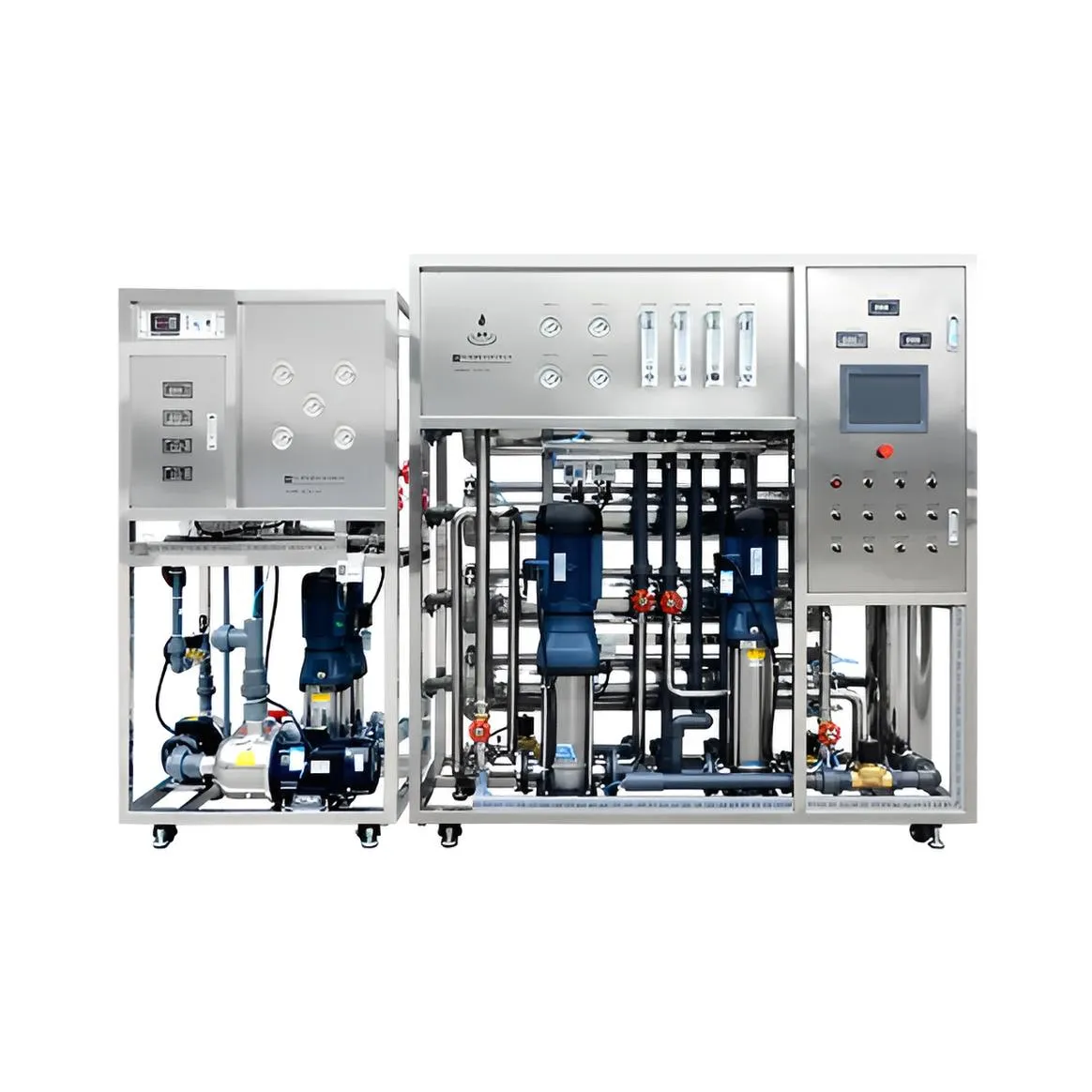
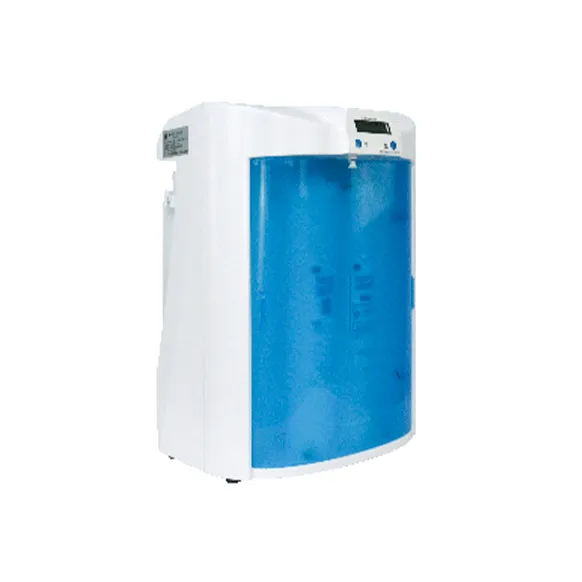
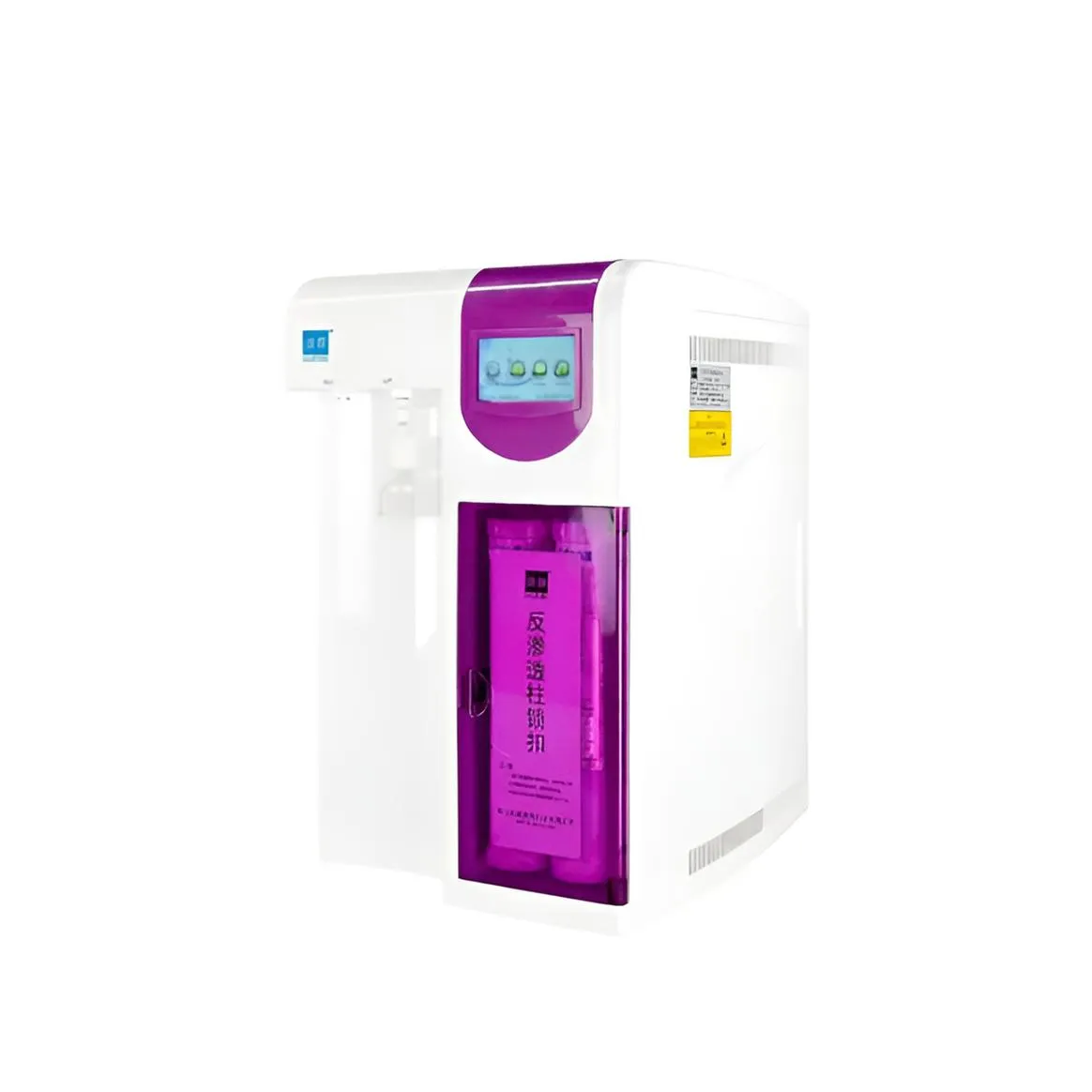
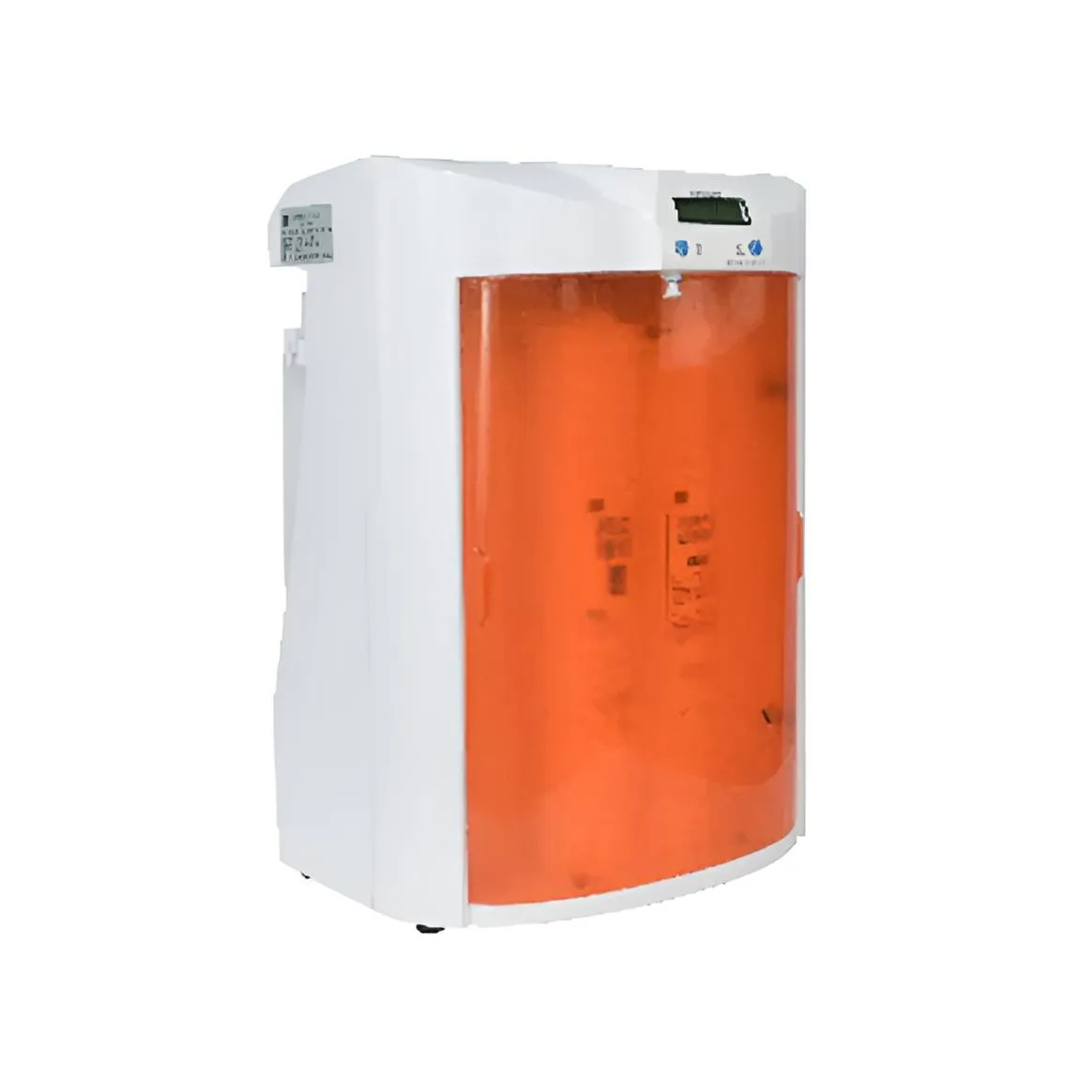
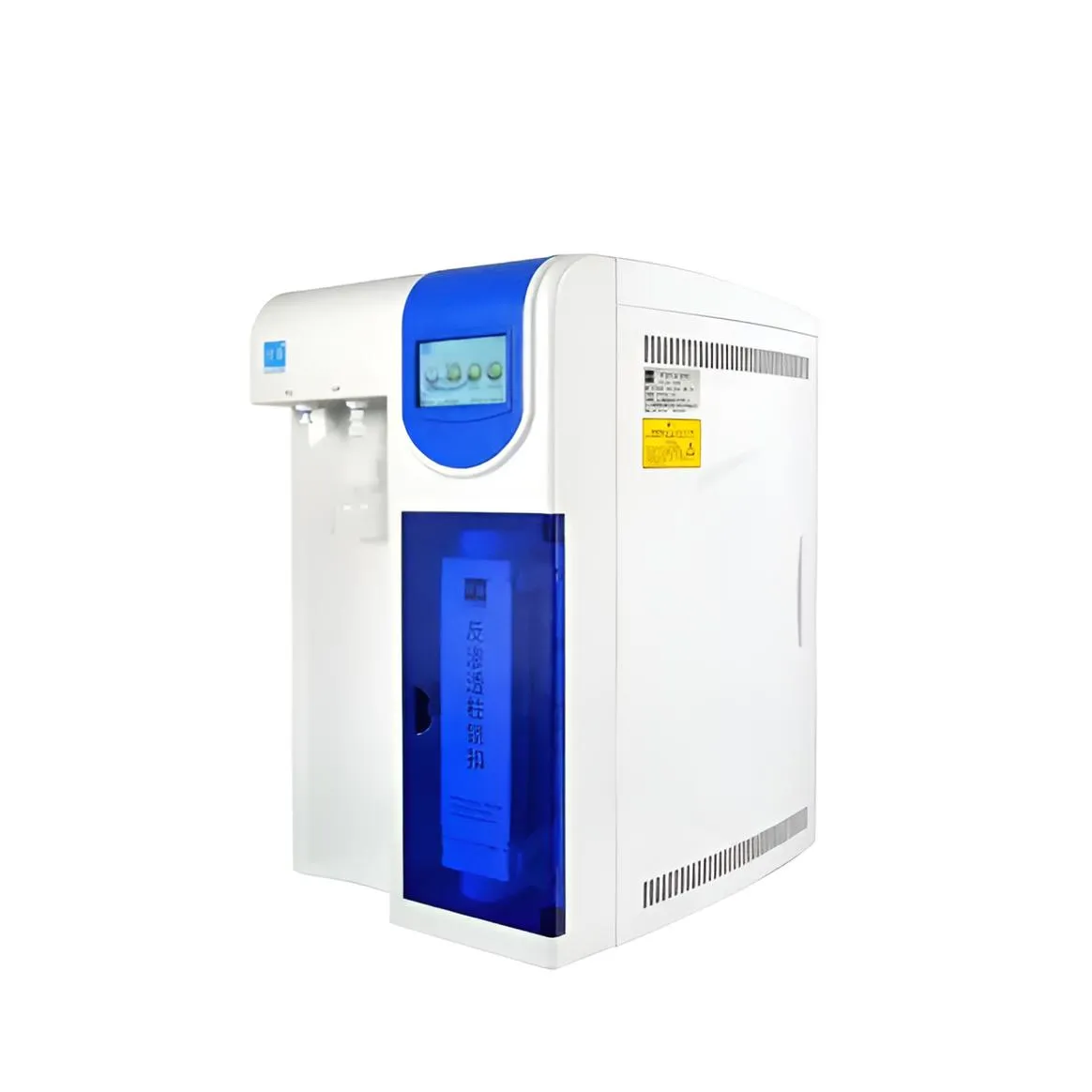
3. Water Purification Equipment Maintenance: Replace the pretreatment layer of the pure water machine every 3-6 months and the reverse osmosis membrane every 18-24 months. Disinfect pipelines regularly to ensure stable operation of the water purification system.
In conclusion, pure water is the "basic guarantee" for accurate testing in the laboratory. Only by strictly controlling water quality standards and standardizing its application and management can the accuracy of test results be effectively improved, providing reliable support for clinical diagnosis.