

Phone:
0086 28 87573647
+86 19150187139

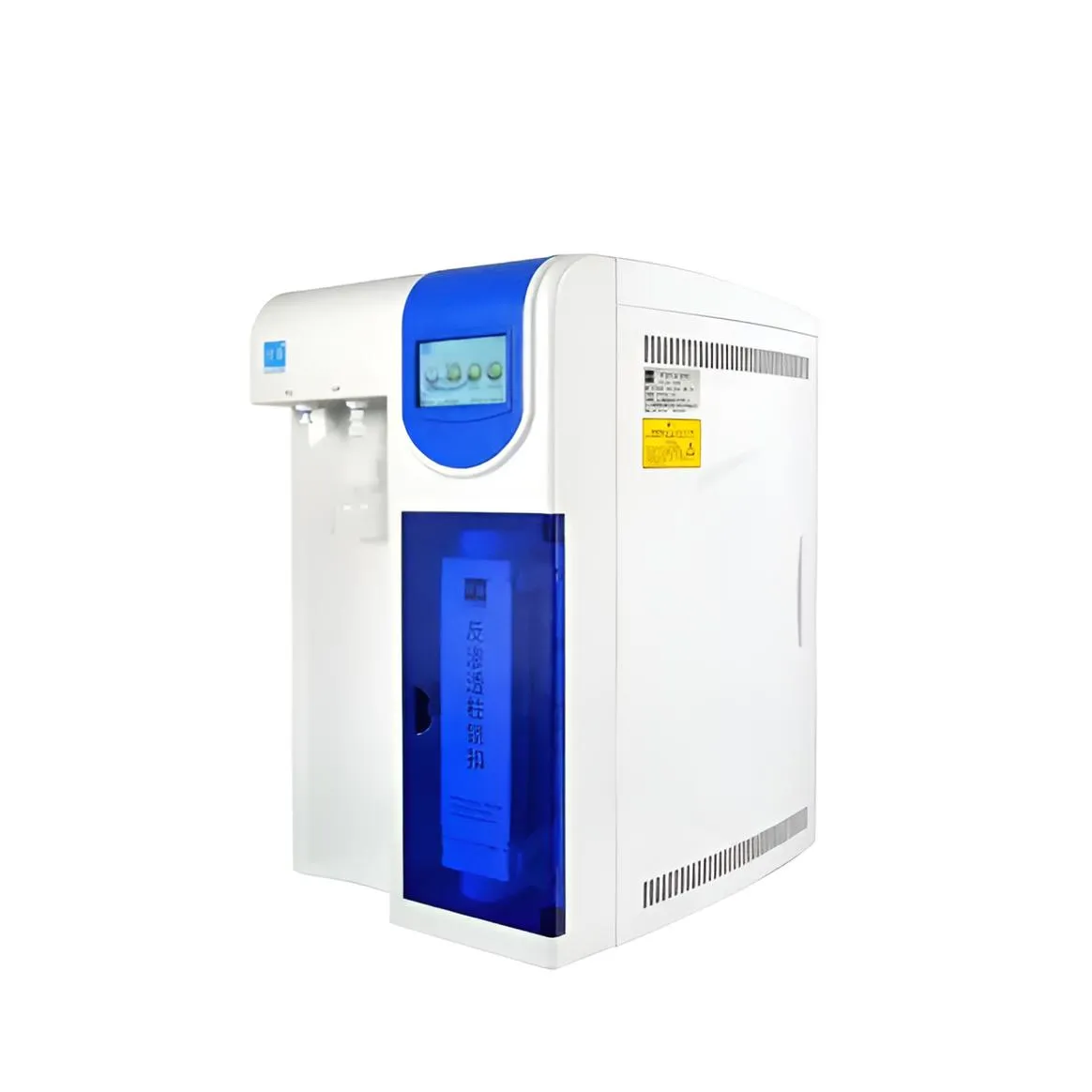
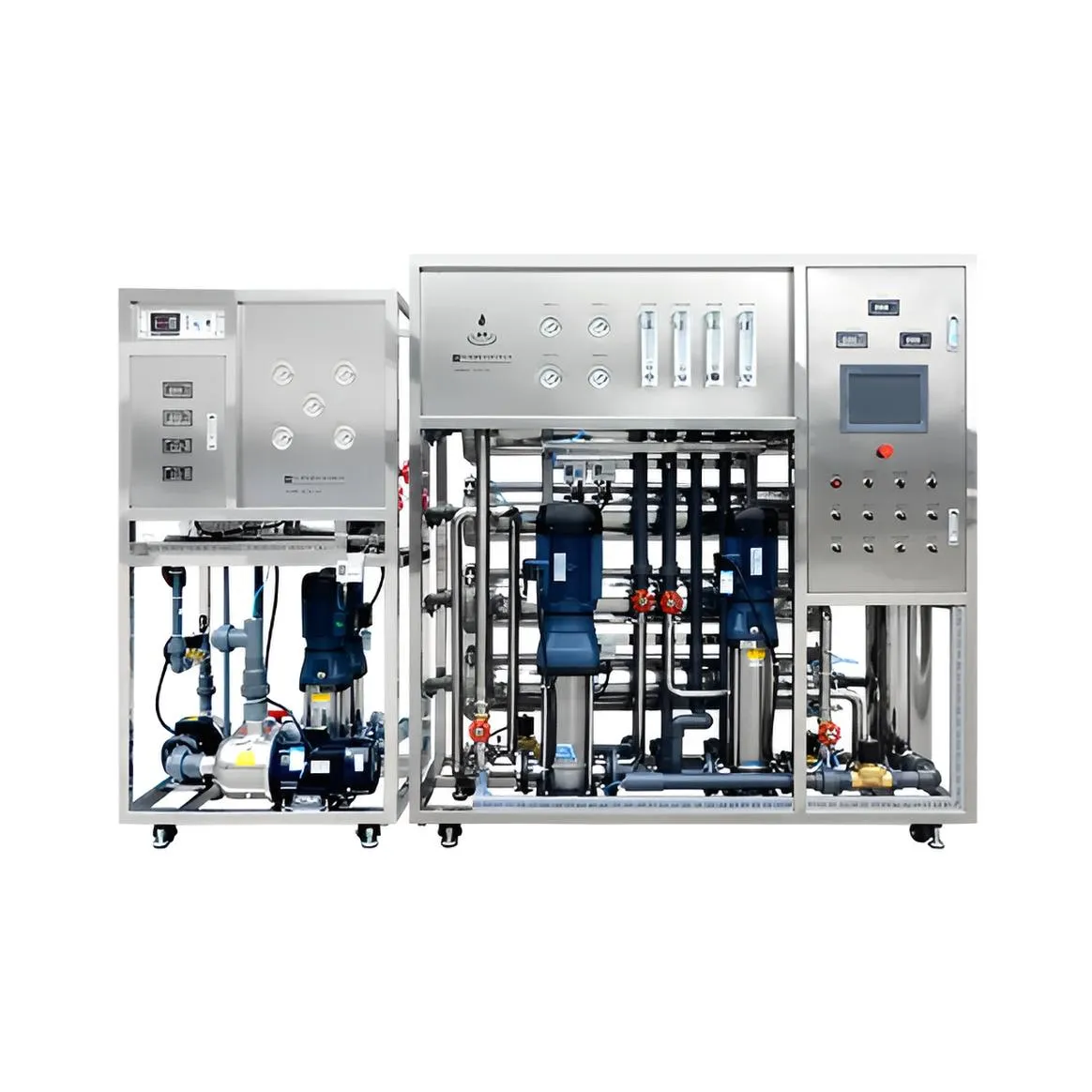
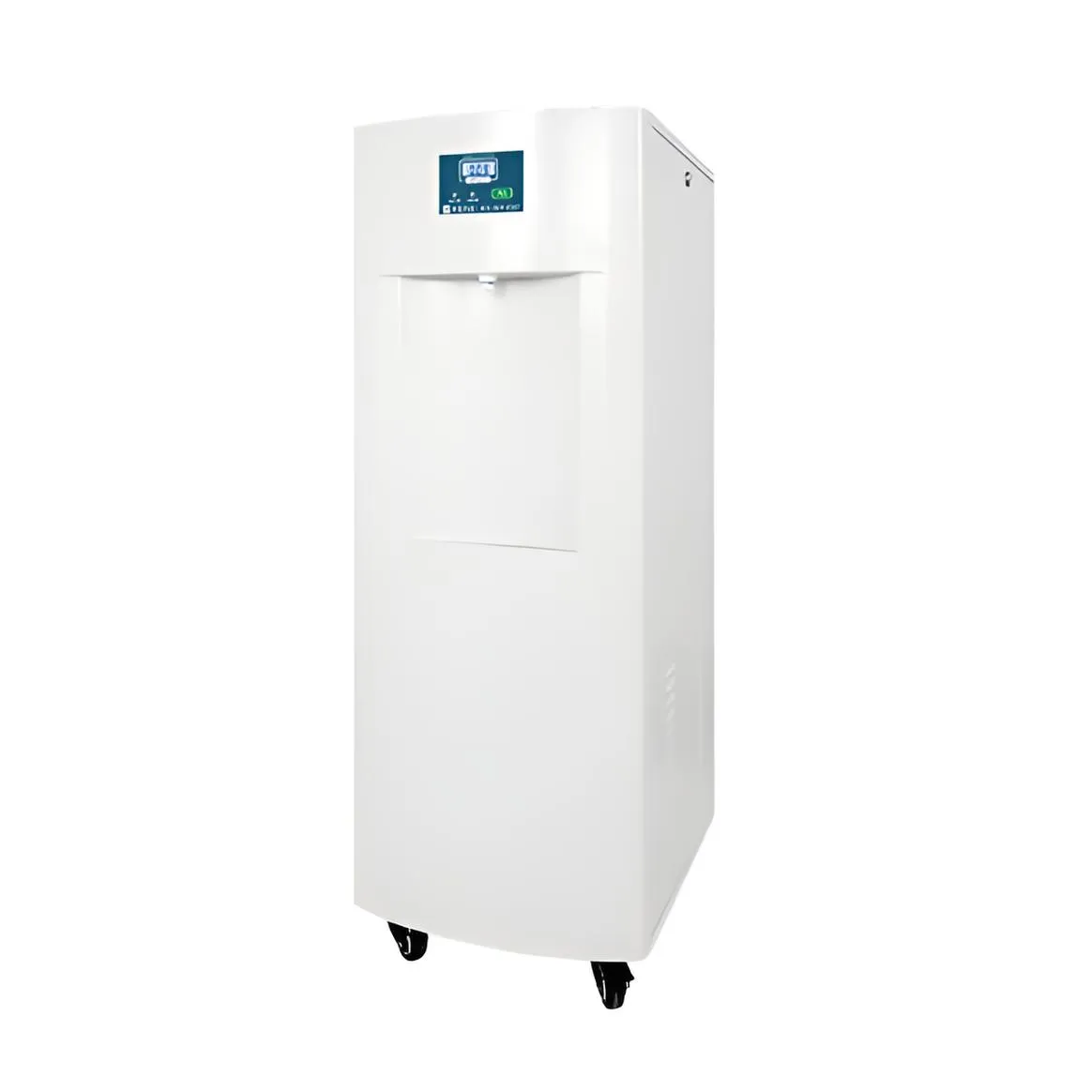
The proper maintenance of consumables for laboratory ultrapure water systems is the only condition for ensuring the performance of the entire system. Correct maintenance can effectively extend the lifespan of consumables and save costs.
Precision filter cartridges, also known as filter elements, are divided into wound filter cartridges and PP melt-blown filter cartridges. They mainly filter large particles such as sediment in raw water, with filtration precisions of 5 microns, 1 micron, etc. New filter cartridges are white. Over time, sediment and other particles will accumulate on the surface, turning brown, indicating that the filter cartridge is unusable. After rinsing off the surface sediment with tap water, it can be used for another 1-2 weeks, but not for extended periods. The filter cartridge is placed in a filter bottle. Some filter bottles are transparent, allowing for direct observation of the color change; others are opaque and require unscrewing to observe the changes. Based on empirical data, the lifespan of precision filter cartridges is generally 3-6 months. If the raw water contains a lot of sediment, the lifespan will be shorter; if there are fewer sediment particles, the lifespan will be slightly longer.
Activated carbon filters primarily remove odors and organic matter from water through adsorption. Tap water contains residual chlorine, which has a significant oxidizing effect on the reverse osmosis membrane, so activated carbon must remove it. There are no visible changes on the surface of the activated carbon filter cartridge. Based on experience, it generally reaches saturation adsorption in about one year and needs to be replaced.
The reverse osmosis membrane is a crucial component of an ultrapure water system. Its pore size is extremely small, so bacteria and other microscopic substances often accumulate on its surface during use. Most manufacturers' water purifiers have a backwashing function to remove contaminants. For water consumption of less than 10 liters per day, it can be backwashed 3-5 times; for consumption exceeding 10 liters, it should be backwashed more frequently. If the machine will not be used for an extended period (e.g., more than one month), it needs to be removed and soaked in disinfectant to prevent bacterial growth. However, this process is relatively troublesome. It is recommended that even when not using water, the machine should be turned on frequently with small amounts of water to circulate the water inside and minimize the time that stagnant water accumulates. The lifespan of a reverse osmosis membrane is 2-3 years, primarily determined by water consumption. Therefore, it is crucial to select a matching specification when choosing one.
Purification columns, sometimes called ultrapure water columns depending on customer water quality requirements, are used for deep desalination of reverse osmosis pure water, ultimately achieving Grade I or ultrapure water levels. The principle is ion exchange. The lifespan of a purification column is indicated by its resistivity online. A resistance below a certain threshold indicates the column has expired, which is quite intuitive. Besides water consumption, its lifespan is significantly influenced by the amount and quality of the ion exchange resin used in the manufacturing process.
Universal ultrapure water systems are becoming increasingly widely used. Therefore, proper operation and maintenance are essential for providing high-quality ultrapure water to various industries.