







Phone:
0086 28 87573647
+86 19150187139

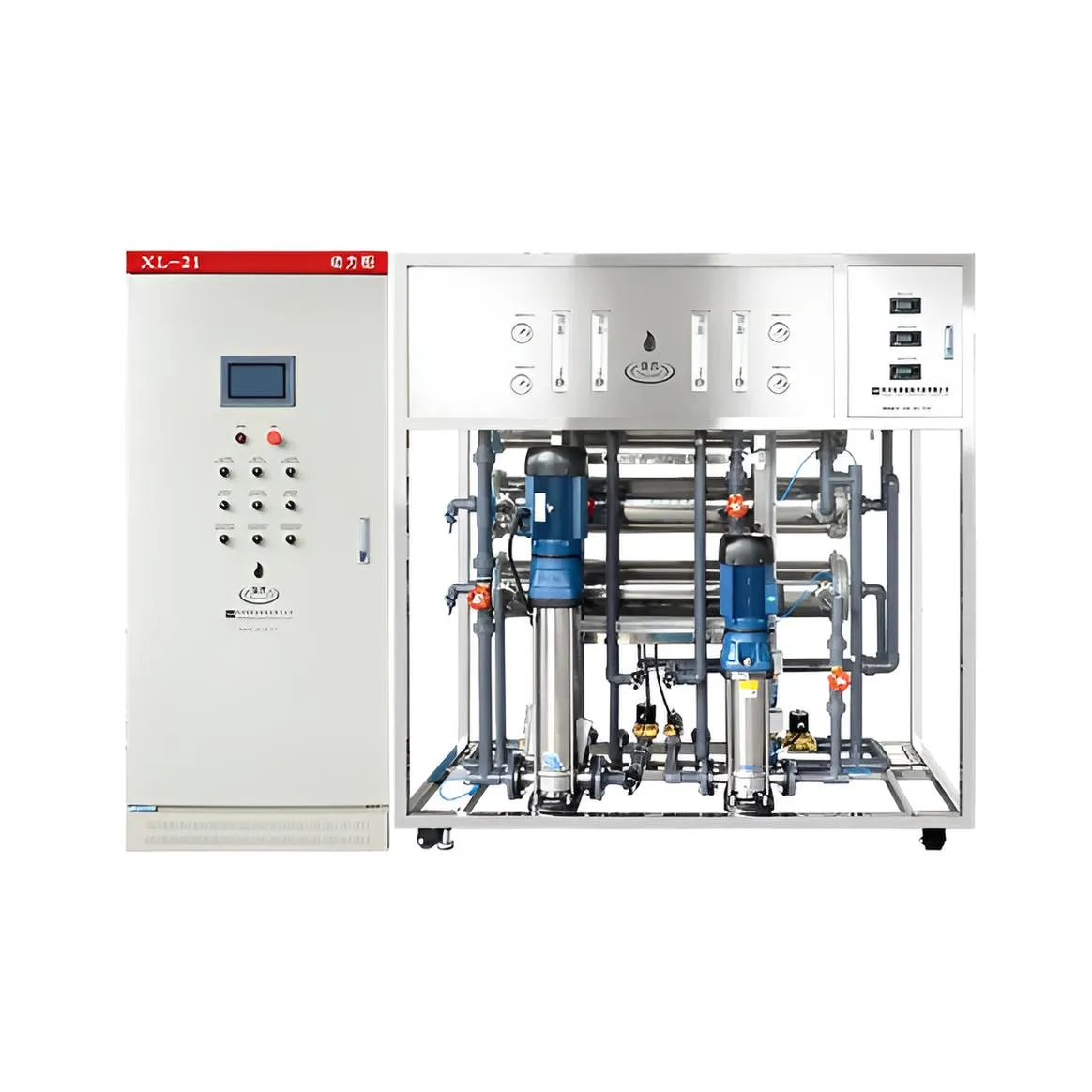
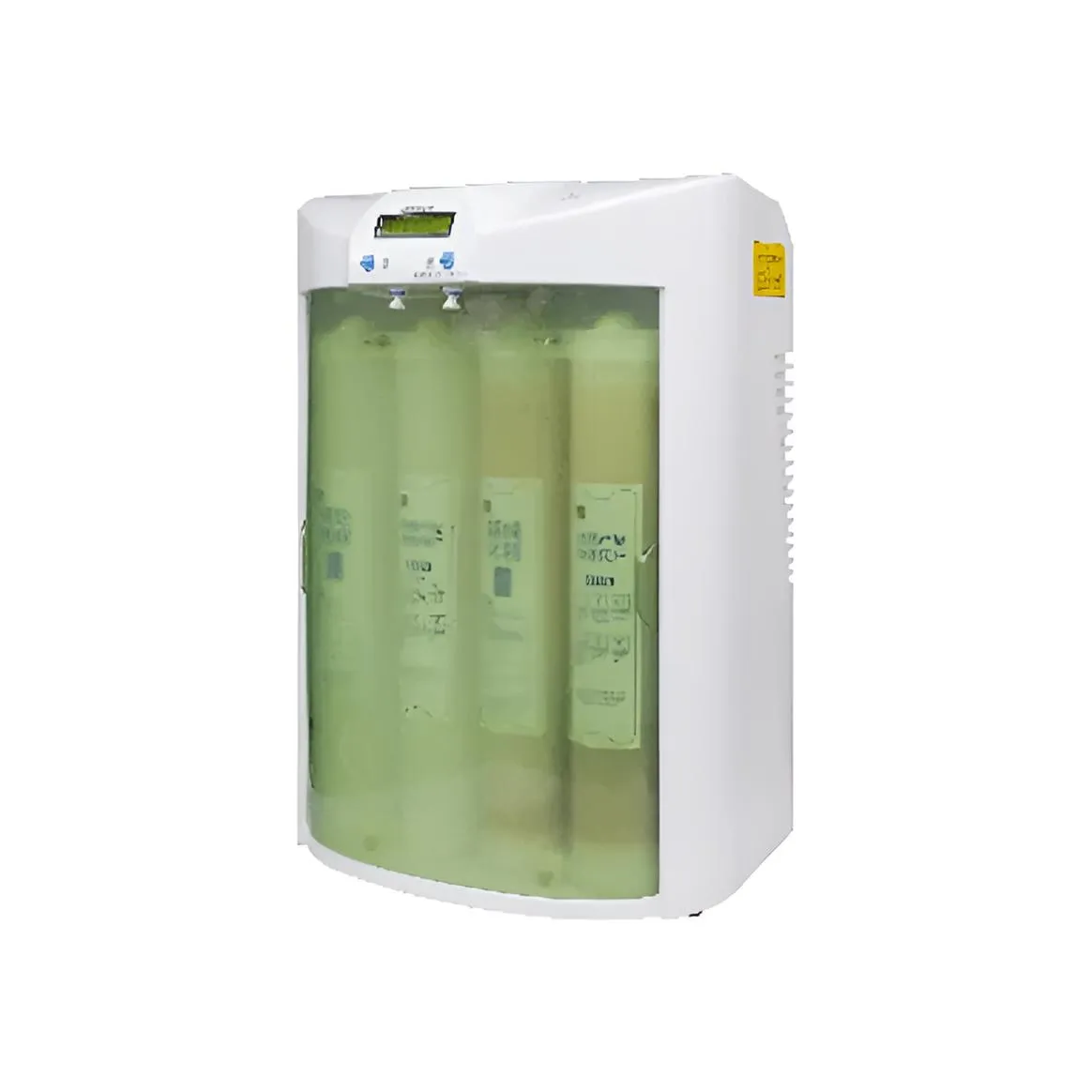
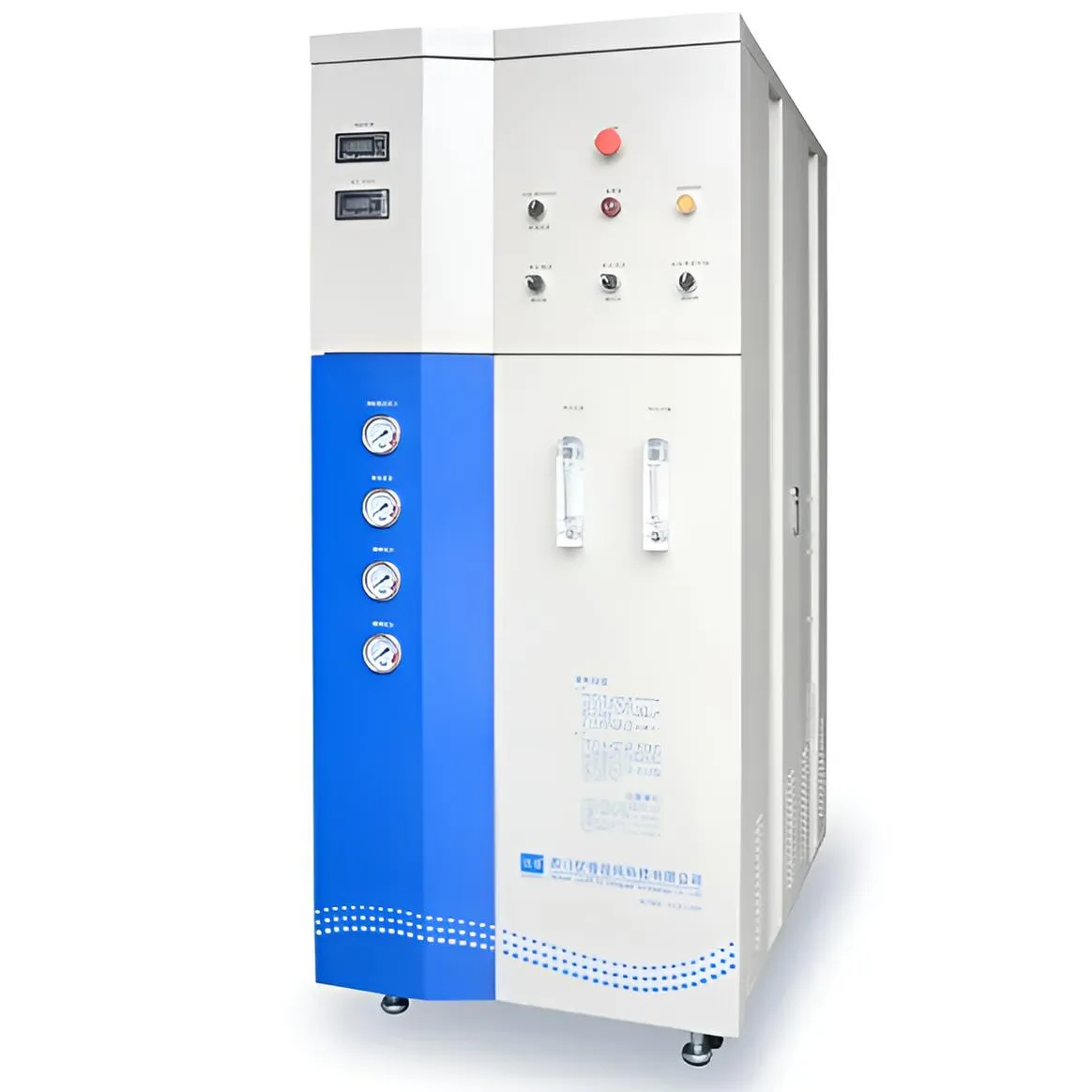
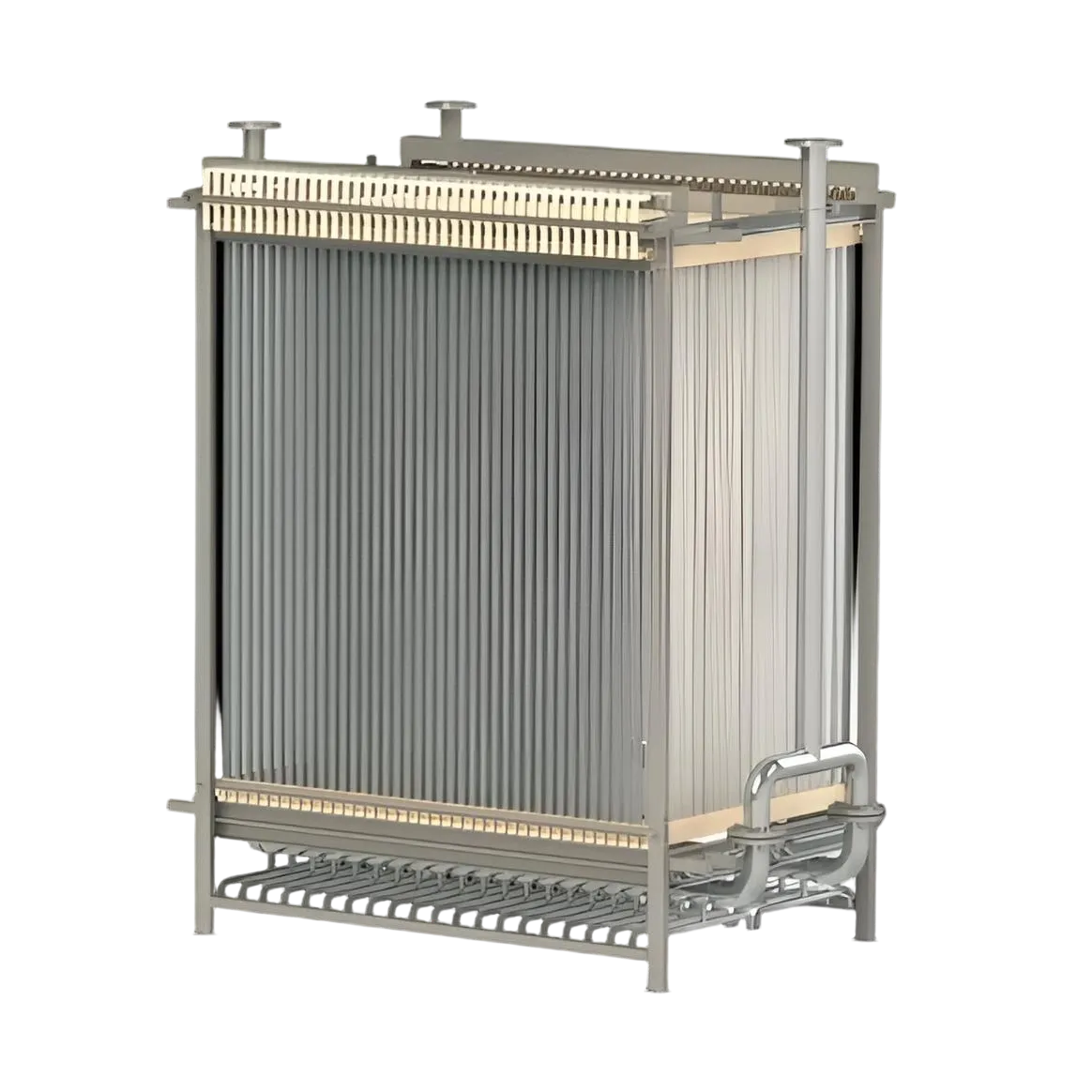
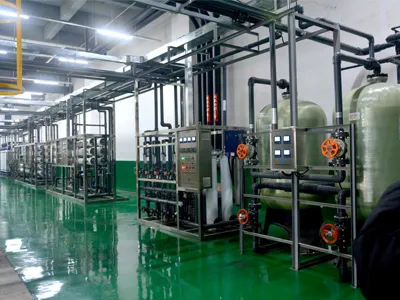
With the rapid development of the electronics and pharmaceutical industries, water treatment technology is constantly being improved in practical applications, especially membrane treatment technology, which has a fairly complete theoretical foundation and has undergone long-term practical testing. I have had the opportunity to participate in the commissioning of several pure water stations, and here I would like to take this opportunity to discuss with colleagues some common problems encountered during the commissioning and operation of reverse osmosis systems (membrane treatment systems) in water stations.
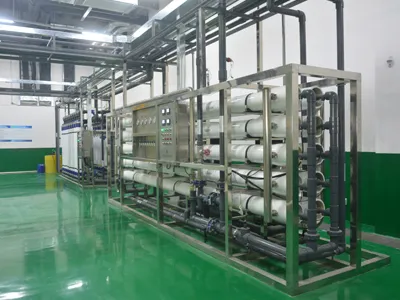
The reverse osmosis system is a crucial process in a water station, characterized by its precision equipment and high operating pressure. The operating status of this system directly affects the final effluent water quality, making proper commissioning of the reverse osmosis system particularly important. We can understand this from the following aspects:
Operating Conditions
The reverse osmosis system consists of a reverse osmosis membrane (RO), a high-pressure pump, and a security filter to protect the RO membrane. The security filter contains filter cartridges with a 5μm pore size. These cartridges filter out any particles larger than 5μm, protecting the downstream RO membrane; otherwise, the RO membrane surface is prone to scaling. The most commonly used type of RO membrane is the polyamide membrane, specifically a spiral-wound composite membrane. This type of membrane can achieve a desalination rate of up to 99.5%. Because RO membranes are easily affected by pH, residual chlorine, and water temperature, strict requirements are placed on the feed water quality before operation:
pH: 3~10
Residual Chlorine: <0.1mg/L
SDI15: <5.0
Water Temperature: <45℃
Exceeding any of these ranges may cause membrane deformation, affecting the effluent quality and shortening the membrane's lifespan. Furthermore, different types of membranes have different feed water quality requirements. These should be confirmed according to the instructions provided by the RO membrane manufacturer before commissioning.
Pre-operation Preparations
As a high-pressure operating device, RO requires strict adherence to operating procedures before operation. For equipment and instrumentation protection and safety, valve opening status must be confirmed and adjusted according to the following steps:
1. Fully open the inlet valve of the security filter and the inlet valve of the high-pressure pump.
2. Open the outlet valve of the high-pressure pump one turn.
3. Open the RO inlet valve one turn.
4. Rotate the needle valve on the concentrate pipe three and a half turns.
5. Fully open the product water outlet valve and the concentrate outlet valve.
6. Close all sampling valves and cleaning valves.
7. Open all pressure display valves to a half-open position.
Trial Run
Once the above conditions are confirmed to be met, the high-pressure pump can be started for trial operation. Since RO is also a liquid-liquid separation device, water can only pass through the reverse osmosis membrane to achieve desalination when the feed water pressure is higher than the osmotic pressure. This phenomenon is driven by the pressure difference (ΔP) between the feed water (concentrate) pressure and the osmotic pressure (which varies depending on the type and form of the osmotic membrane). This ΔP can be adjusted and controlled by the shut-off valve (valve 5) installed at the RO inlet and the pressure regulating needle valve (valve 13) installed on the concentrate line. First, adjust the total feed water volume (the sum of the readings of flow meters 11 and 12) to the designed feed water volume using the RO inlet shut-off valve. Then, use the pressure regulating needle valve (valve 13) to accurately adjust the permeate flow rate and concentrate pressure. When the permeate flow rate is lower than the design value, it indicates that the feed water (concentrate) pressure is too low, i.e., the ΔP value is too low. In this case, the needle valve should be closed slightly to increase the concentrate (feed water) pressure until the permeate flow rate equals the design value.
As long as the scientific operating procedures are followed and the pre-commissioning checks are performed carefully, we can completely succeed in commissioning the reverse osmosis system. The above are my personal views on the commissioning process of the reverse osmosis system in the pure water station. Due to my limited ability, I welcome valuable suggestions from my colleagues.





