



Phone:
0086 28 87573647
+86 19150187139

In the laboratory, pure water is the "lifeblood" of experiments, and its stability directly determines the reliability of experimental data. Over 20% of experimental anomalies can be traced back to water quality issues. Especially in precision experiments such as chromatography, mass spectrometry, and molecular biology, fluctuations in water quality can cause baseline drift, result deviations, poor experimental repeatability, and even render the entire experiment unusable. To ensure accurate and reliable experimental data, start by avoiding common pitfalls in laboratory pure water systems.
Laboratory pure water is classified into three grades according to GB6682-2008. Grade I water has a resistivity ≥18.2 MΩ・cm (25℃) and is suitable for high-precision experiments such as trace analysis and high-performance liquid chromatography. Grade II water is used for routine physicochemical analysis; Grade III water is used for basic scenarios such as glassware cleaning. When water quality is substandard, various pollutants can directly interfere with experiments:
① Ion interference: Residual sodium, calcium, and heavy metal ions in the water will increase the background signal in atomic absorption and ICP-MS detection, leading to higher detection results for target analytes.
② Organic pollution: Excessive TOC will cause ghost peaks and baseline noise in HPLC, and in molecular experiments, it will also degrade nucleic acids and inhibit PCR amplification efficiency.
③ Microorganisms and particulate matter: Bacteria and endotoxins will contaminate cell culture systems, while particulate matter will clog chromatographic columns and nebulizers, shortening the lifespan of precision instruments.
④ Parameter fluctuations: Abnormal pH and conductivity will disrupt the stability of buffer systems, affecting enzyme activity and electrode responses in electrochemical detection.
1. Choose the right equipment to prevent water quality fluctuations at the source
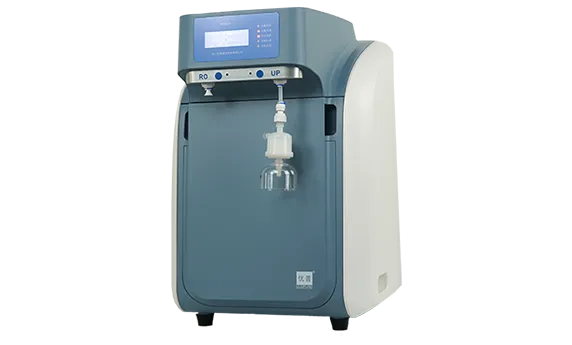
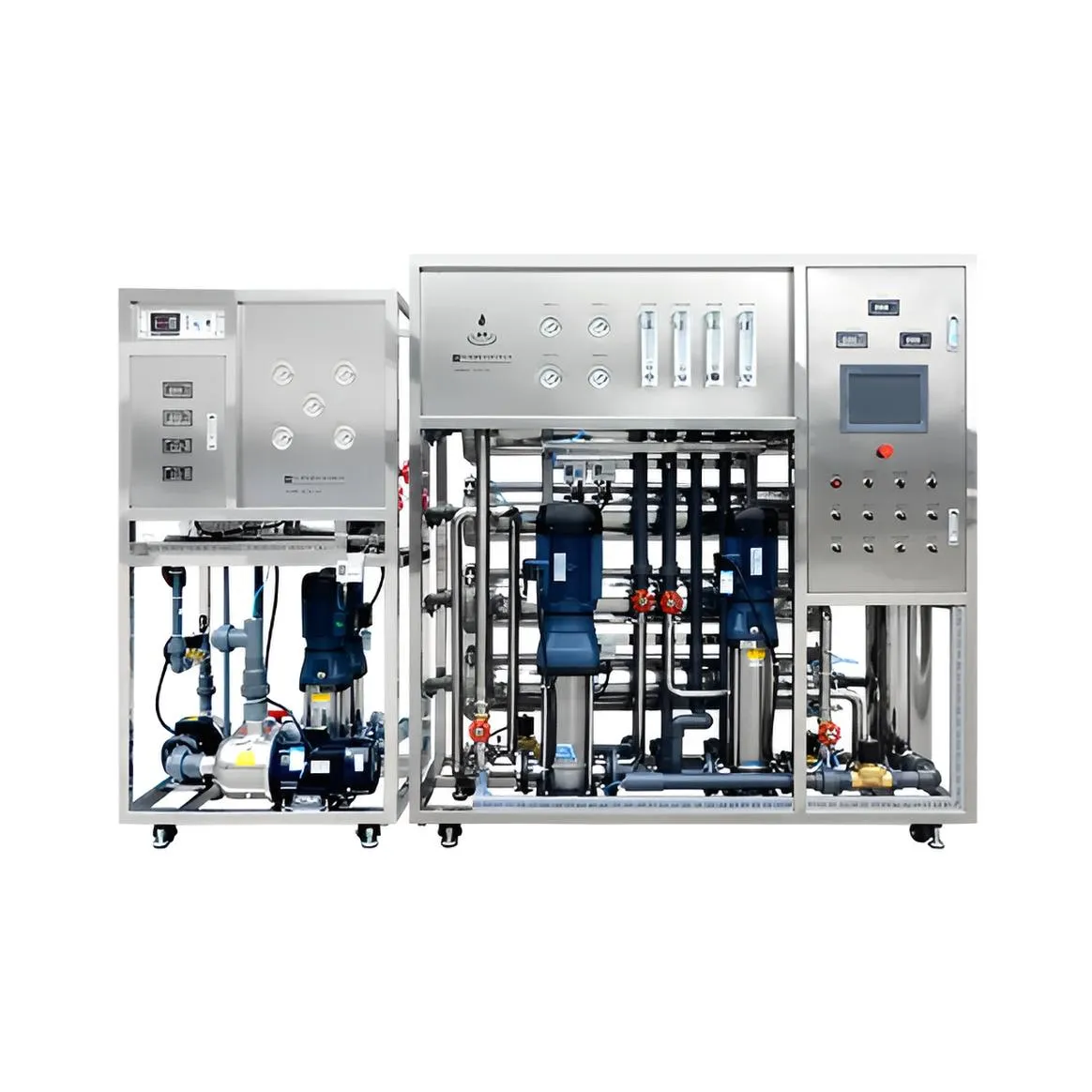
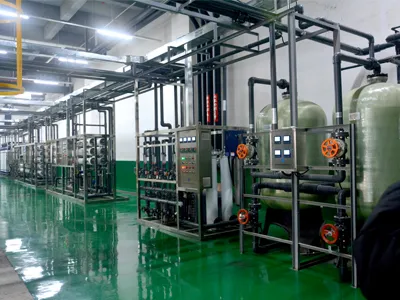
Many laboratories encounter water quality problems due to improper equipment selection: using ordinary pure water machines for ultrapure water experiments, or choosing models with poor compatibility to handle complex water sources. The core of equipment selection is matching experimental needs with water source conditions: Precision analysis requires ultrapure water systems with dual-stage reverse osmosis, EDI electro-deionization, and dual-wavelength UV digestion; in northern regions with high hardness and high salinity, enhanced pretreatment models are needed to avoid rapid consumable wear and unstable water production. Simultaneously, prioritize "dual-purpose" equipment capable of simultaneously producing RO pure water and UP ultrapure water to meet the water needs of different experimental scenarios.
2. Regular Maintenance: Prevent Consumables and Piping from Becoming "Sources of Contamination"
Consumables and piping in a pure water system are crucial for stable water quality. Neglecting maintenance will cause the equipment to operate with defects:
① Timely Replacement of Consumables: Replace pretreatment equipment every 3-6 months, RO membranes every 1-2 years, and ultrapure columns every 1-2 years to avoid decreased desalination and decontamination capabilities due to consumable failure.
② Frequent Cleaning of Piping and Water Tanks: Water storage tanks and PE pipes need to be cleaned regularly with a dedicated disinfectant to prevent microbial growth and secondary contamination from residual impurities.
③ Regular Calibration of Core Components: UV germicidal lamps and water quality monitors need to be calibrated annually to ensure sterilization effectiveness and accurate data monitoring.
3. Intelligent Monitoring: Real-time Control of the Water Quality "Lifeline"
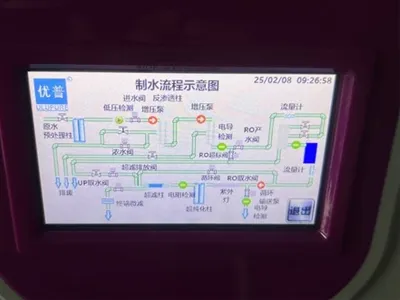
Water quality problems are often hidden and sudden, making them difficult to detect promptly through manual monitoring. A pure water system with real-time online monitoring capabilities is necessary. This system should display parameters such as resistivity, TOC, and flow rate in real time, automatically alarming and shutting off the water supply when water quality fails to meet standards. Furthermore, equipment that supports data export and historical record tracing provides evidence for tracing experimental data and facilitates troubleshooting the causes of water quality anomalies.
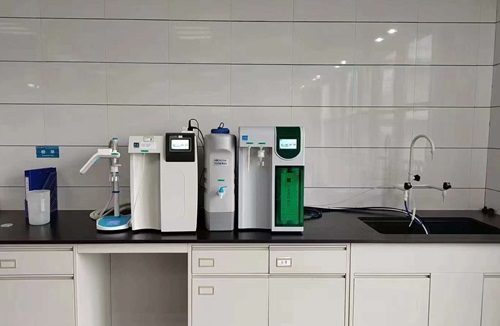
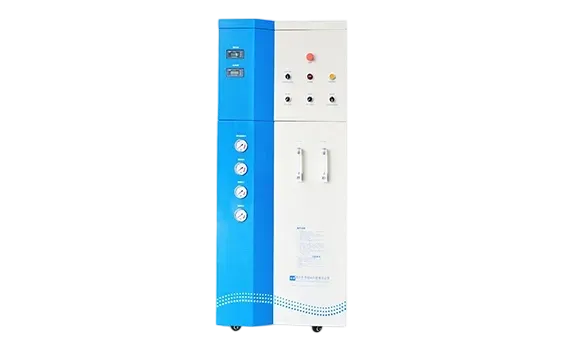
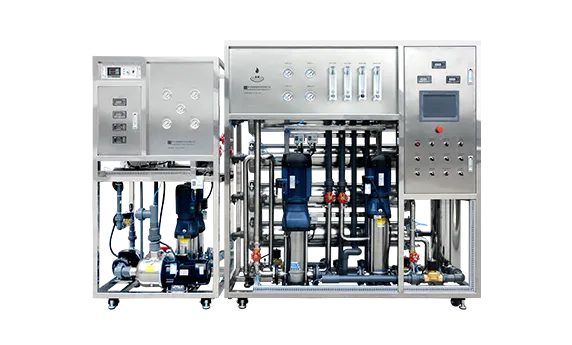
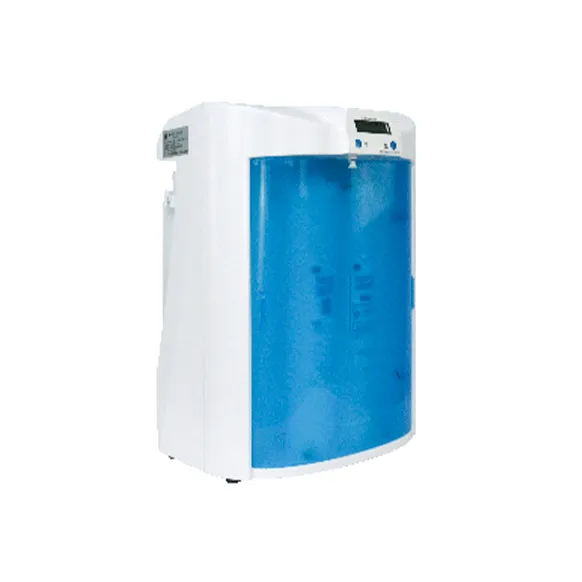
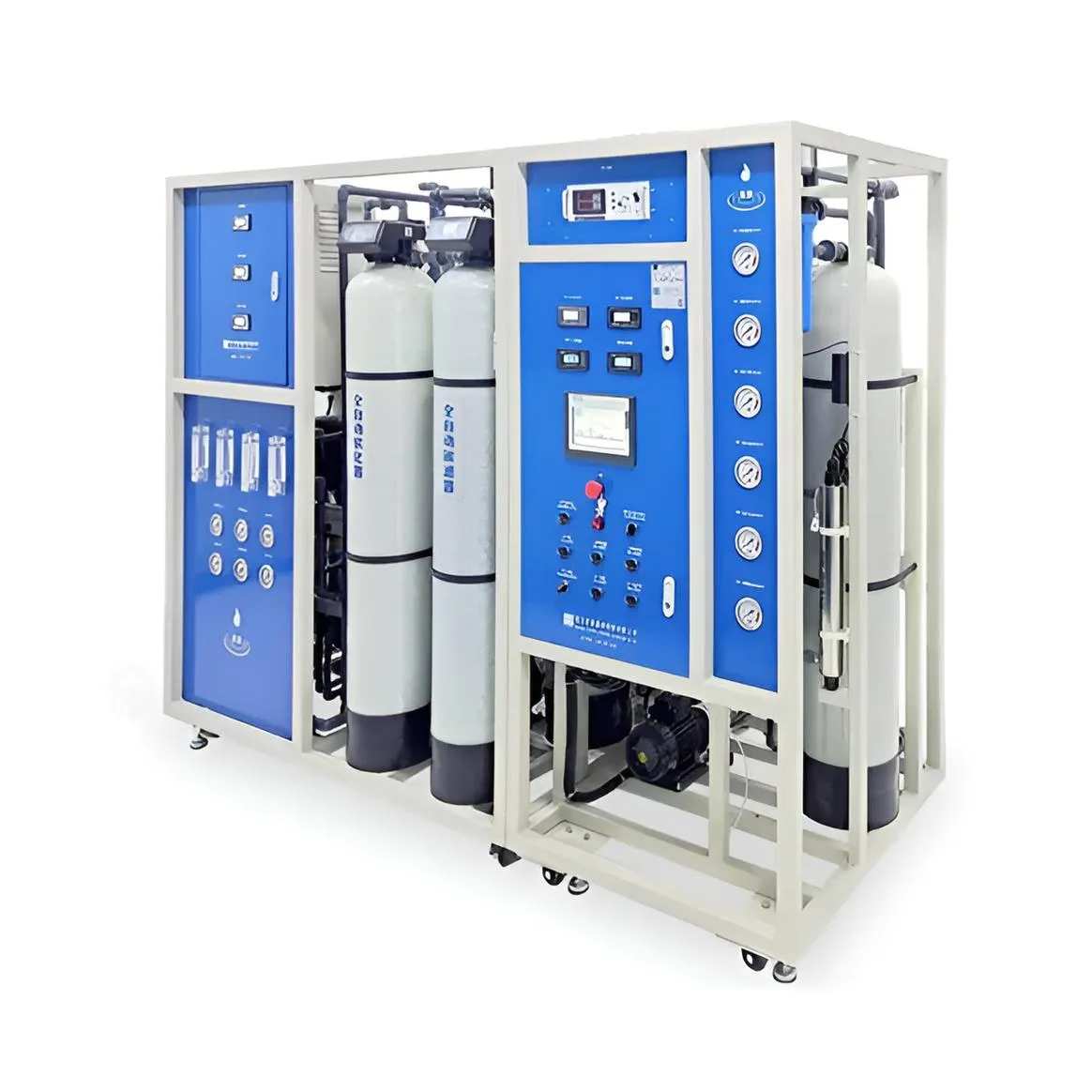
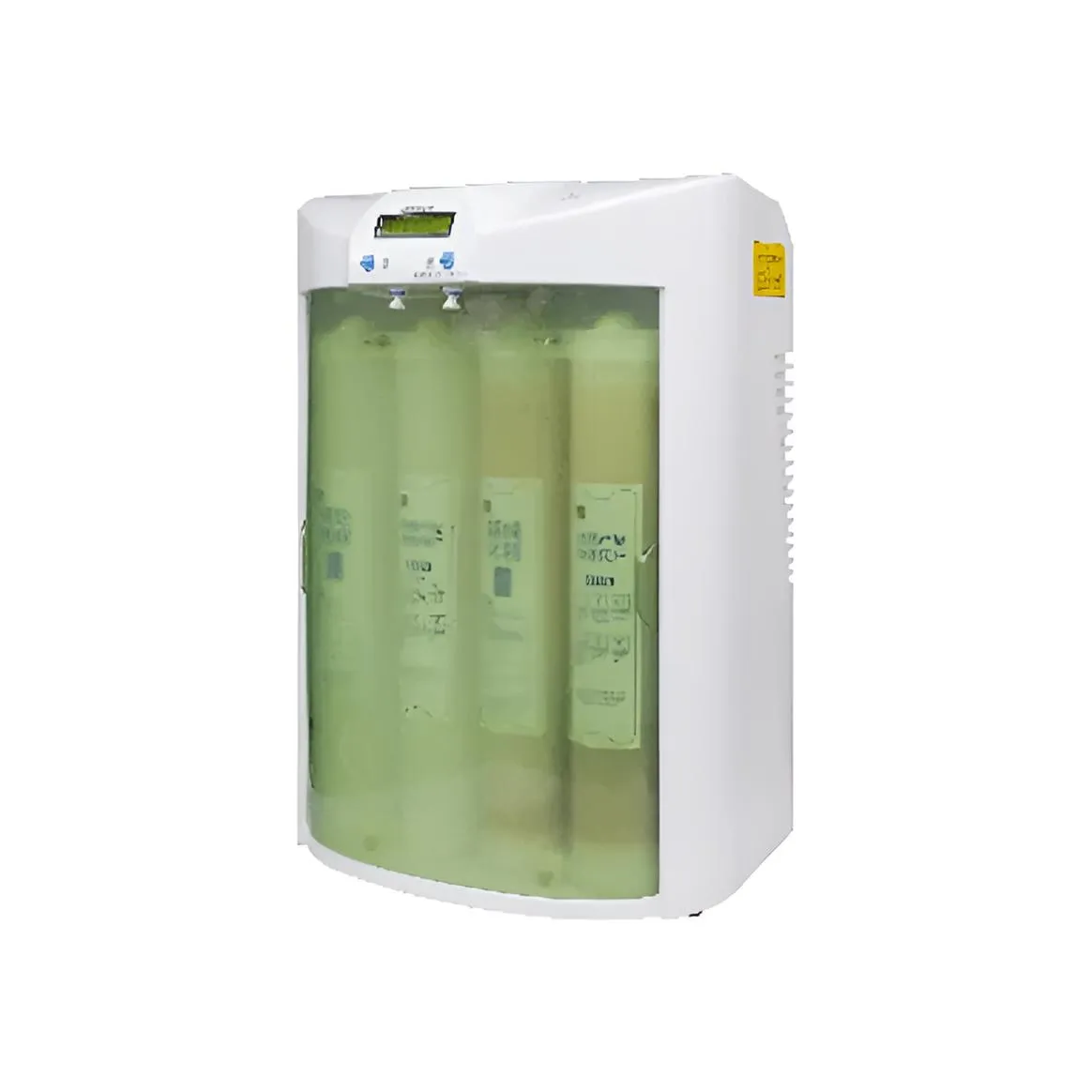
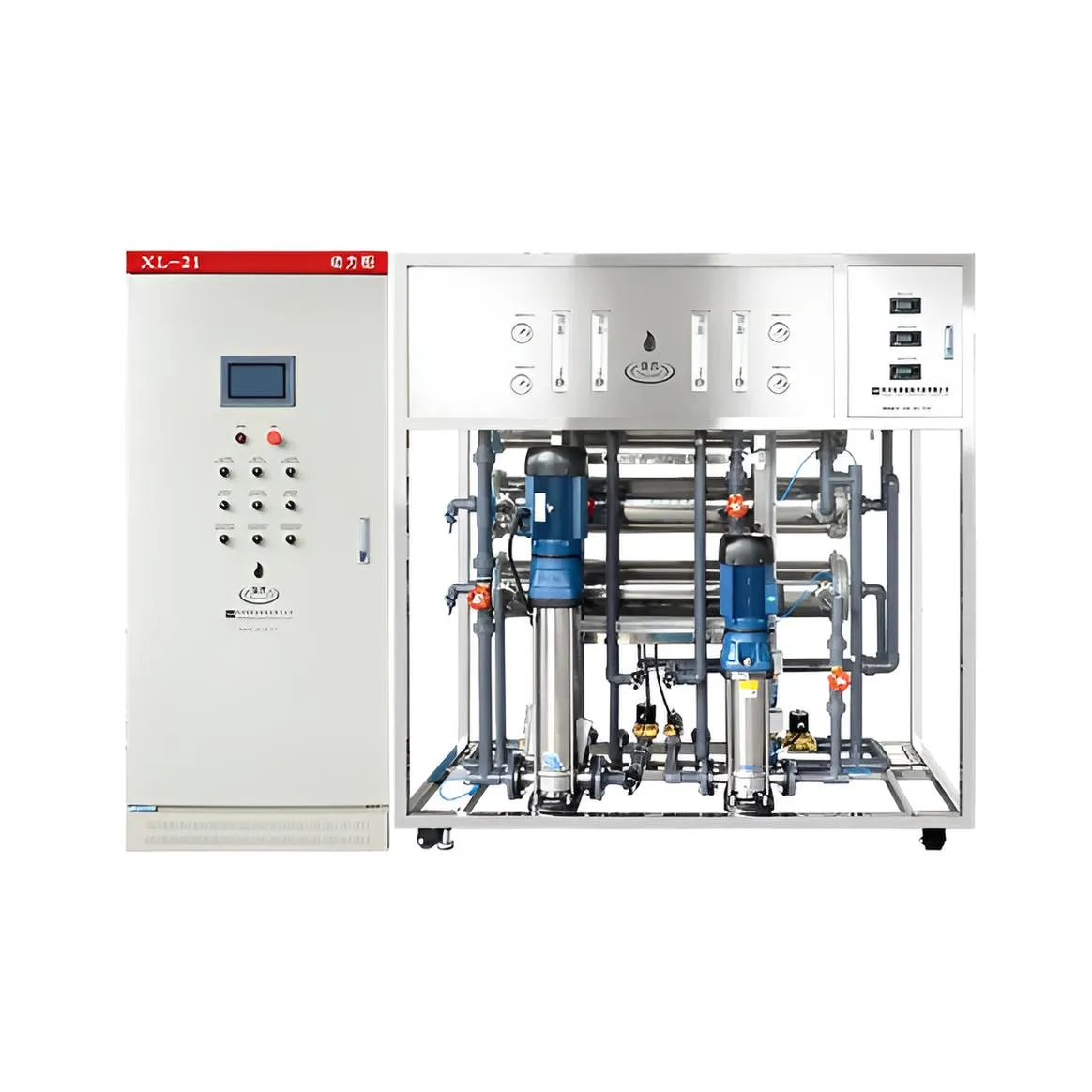
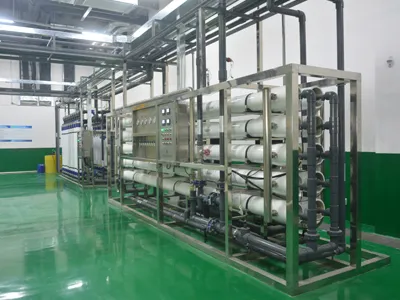
Faced with the diverse needs of laboratory pure water, stable and reliable equipment is the core guarantee. UPT laboratory pure water systems have been deeply rooted in the industry for many years, developing a series of models for different scenarios: the UPT series is suitable for various experimental scenarios; the UPR series features a dual-stage reverse osmosis design, ensuring stable water production even when the source water quality is poor; high-end models integrate multiple processes such as dual-stage RO, EDI, and nuclear-grade polished mixed bed, achieving a stable water resistivity of 18.2 MΩ・cm, meeting national and international standards.
Meanwhile, UPT pure water systems are equipped with intelligent monitoring, consumable replacement reminders, and automatic RO flushing functions, reducing operation and maintenance costs; the quick-connect structure makes installation and maintenance more convenient. Whether for university research, corporate testing, or pharmaceutical R&D, they provide stable and pure water support, eliminating the impact of water quality fluctuations on experimental data from the source, ensuring the accuracy and reliability of every experiment.