






Phone:
0086 28 87573647
+86 19150187139

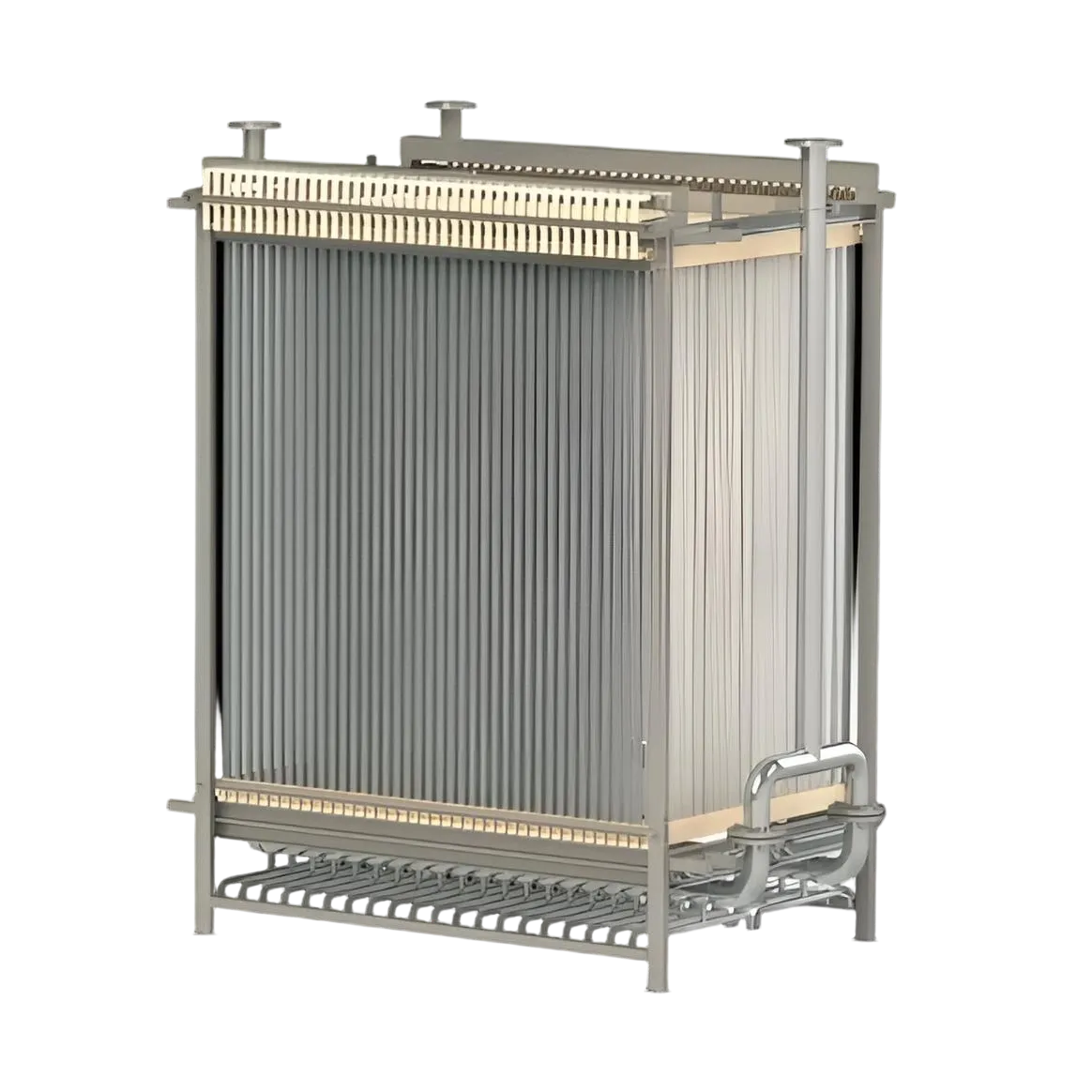
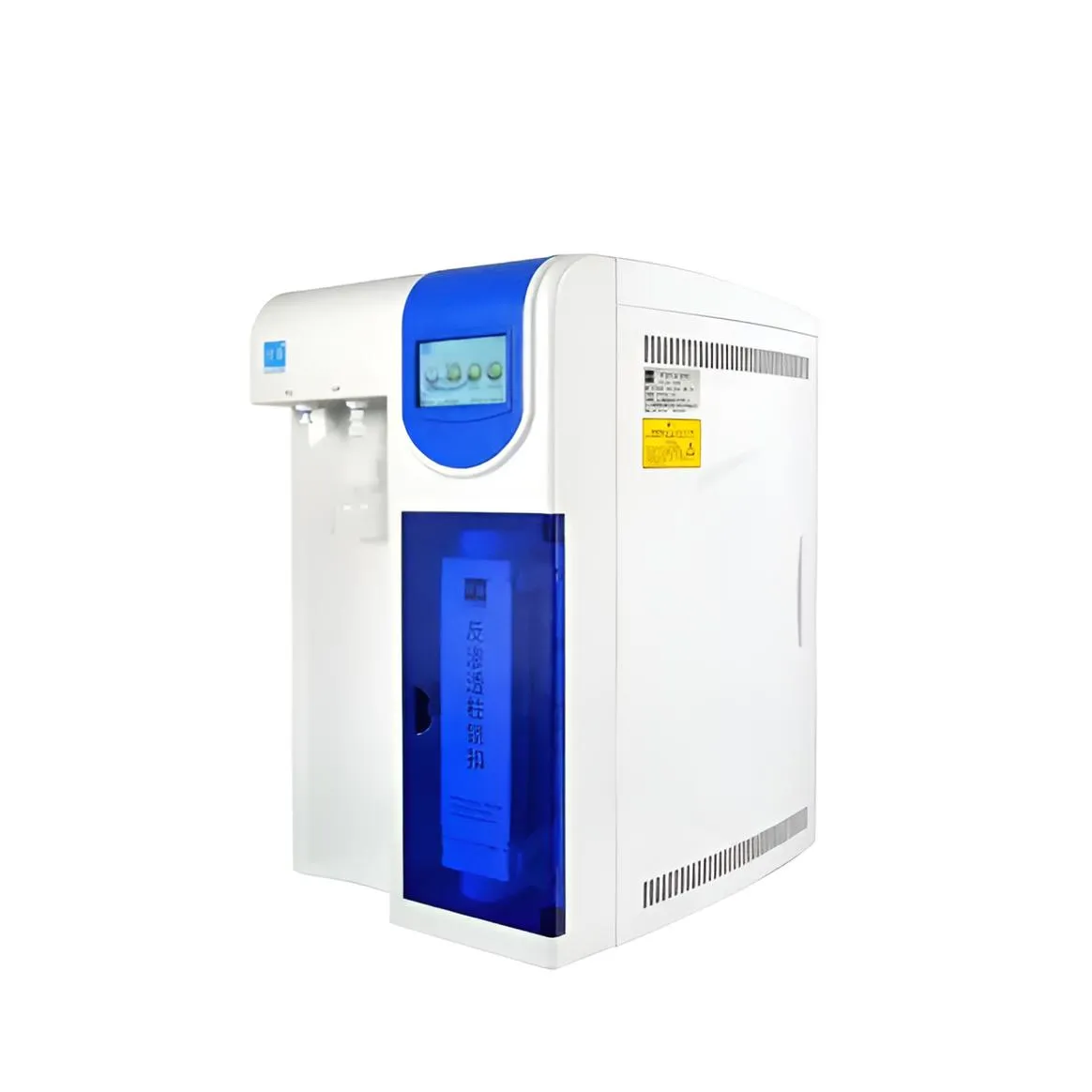
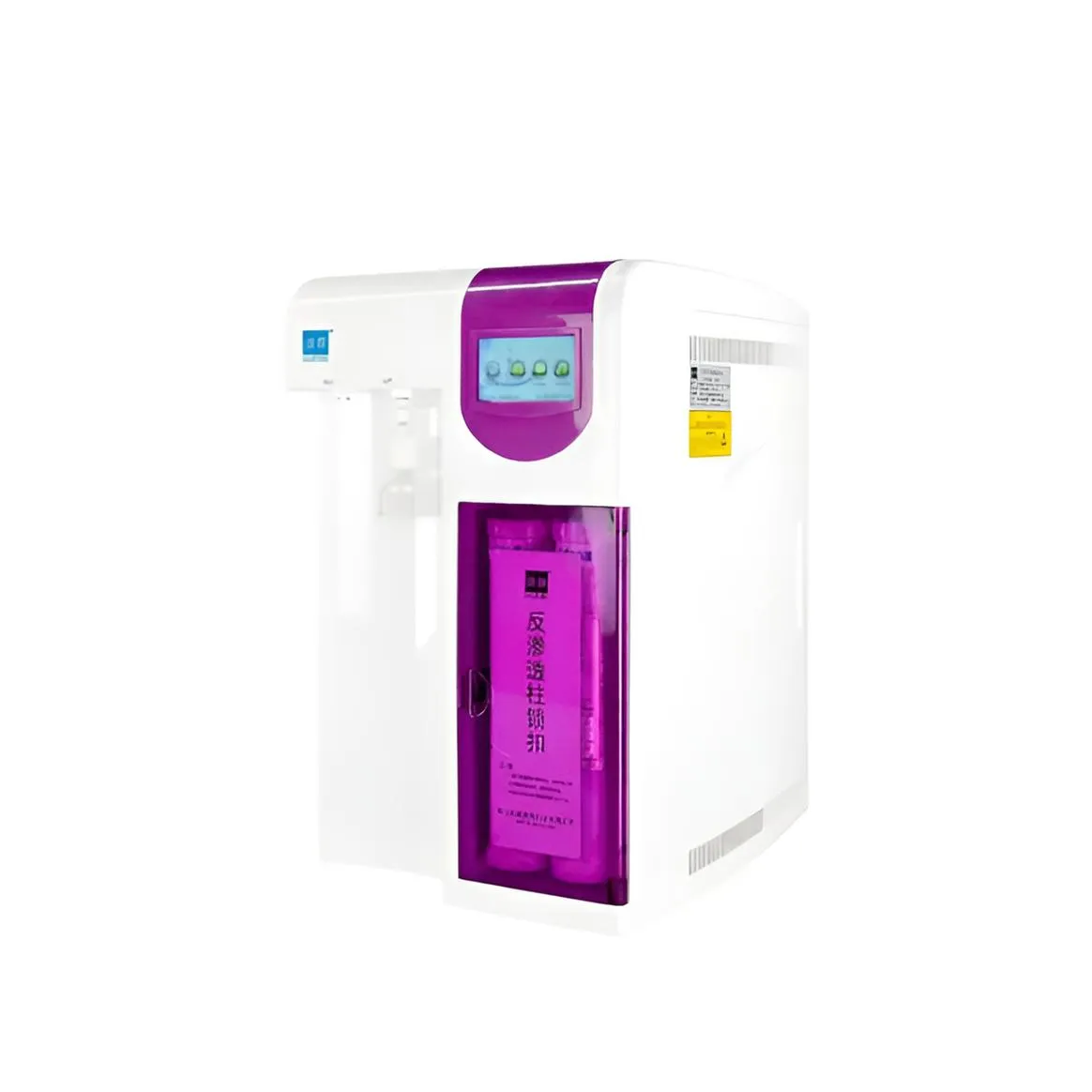
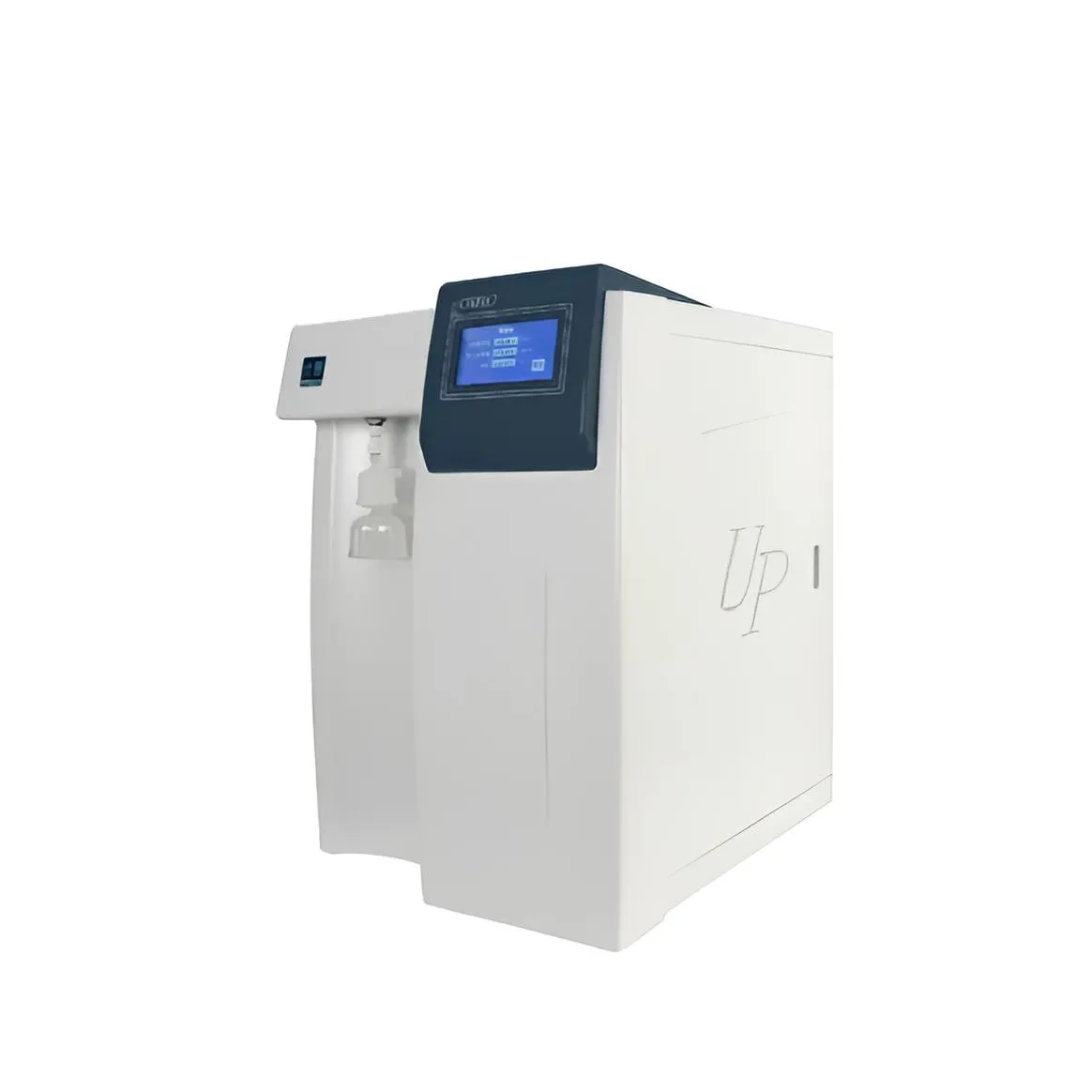
Pure water is one of the fundamental requirements for chemical analysis. Before conducting analytical monitoring, it is essential to prepare pure water that meets the analytical requirements. Pure water preparation involves a water treatment method that completely removes suspended impurities, soluble impurities, and insoluble impurities from the raw water. Laboratory pure water can be classified into four conventional grades: pure water, deionized water, Class II laboratory pure water, and ultrapure water. These all require the use of specialized pure water/ultrapure water systems.
Pure water: The lowest level of purification, typically with a conductivity between 1-50 μS/cm. It can be produced using a single weakly basic anion exchange resin, reverse osmosis, or single distillation. Typical applications include cleaning glassware, autoclaving, use in temperature and humidity chambers, and as water for cleaning machines.
Deionized water: The conductivity is typically between 1.0-0.1 μS/cm. It is produced using mixed-bed ion exchange with a strong anion exchange resin. However, it has a relatively high level of organic matter and bacterial contamination, but it can meet various needs such as cleaning, preparing analytical standards, preparing reagents, and diluting samples.
Laboratory Grade II Pure Water: Conductivity <1.0 μS/cm, Total Organic Carbon (TOC) content <50 ppb, and bacterial content <1 CFU/ml. Its quality is suitable for a variety of needs, from reagent preparation and solution dilution to preparing nutrient solutions for cell cultures and microbiological research. This pure water can be produced by double distillation, or by integrating RO and ion exchange/EDI technologies, and can also be combined with adsorption media and UV lamps.
Ultrapure Water: This level of pure water approaches the theoretical purity limit in terms of resistivity, organic matter content, particle size, and bacterial content. It is obtained through pre-purification via ion exchange, RO membrane, or distillation, followed by nuclear-level ion exchange purification. Typically, ultrapure water has a resistivity of up to 18.2 MΩ-cm, TOC <10 ppb, filters out particles of 0.1 μm or smaller, and has a bacterial content below 1 CFU/ml. Ultrapure water is suitable for various precision analytical experiments, such as high-performance liquid chromatography (HPLC), ion chromatography (IC), and ion capture-mass spectrometry (ICP-MS). Low-pyrogen ultrapure water is suitable for biological applications such as eukaryotic cell culture. Ultrafiltration technology is typically used to remove large molecular bioactive substances, such as pyrogens (resulting in <0.005 IU/ml) and undetectable nucleases and proteases.
Currently, the most widely used pure water standards in the world include: the International Organization for Standardization (ISO), the American College of Clinical Pathology (CAP) Standard for Pharmaceutical Grade Water, the American Society for Testing and Materials (ASTM), the National Committee on Clinical Trial Standards (NCCLS), and the American Pharmaceutical Association (USP). my country also has corresponding pure water standards: the Chinese National Standard for Electronic Grade Ultrapure Water GB/T11446-1997 and the Chinese National Standard for Laboratory Water GB6682-92. Therefore, the vast majority of pure water systems on the market are designed according to these standards.





