





Phone:
0086 28 87573647
+86 19150187139

EDI (Electrode Diode) only began industrial applications a little over a decade ago, but this technology has faced numerous challenges. Its high cost limited its application to lower-output applications, and early EDI technologies suffered from stability issues and complex system designs.
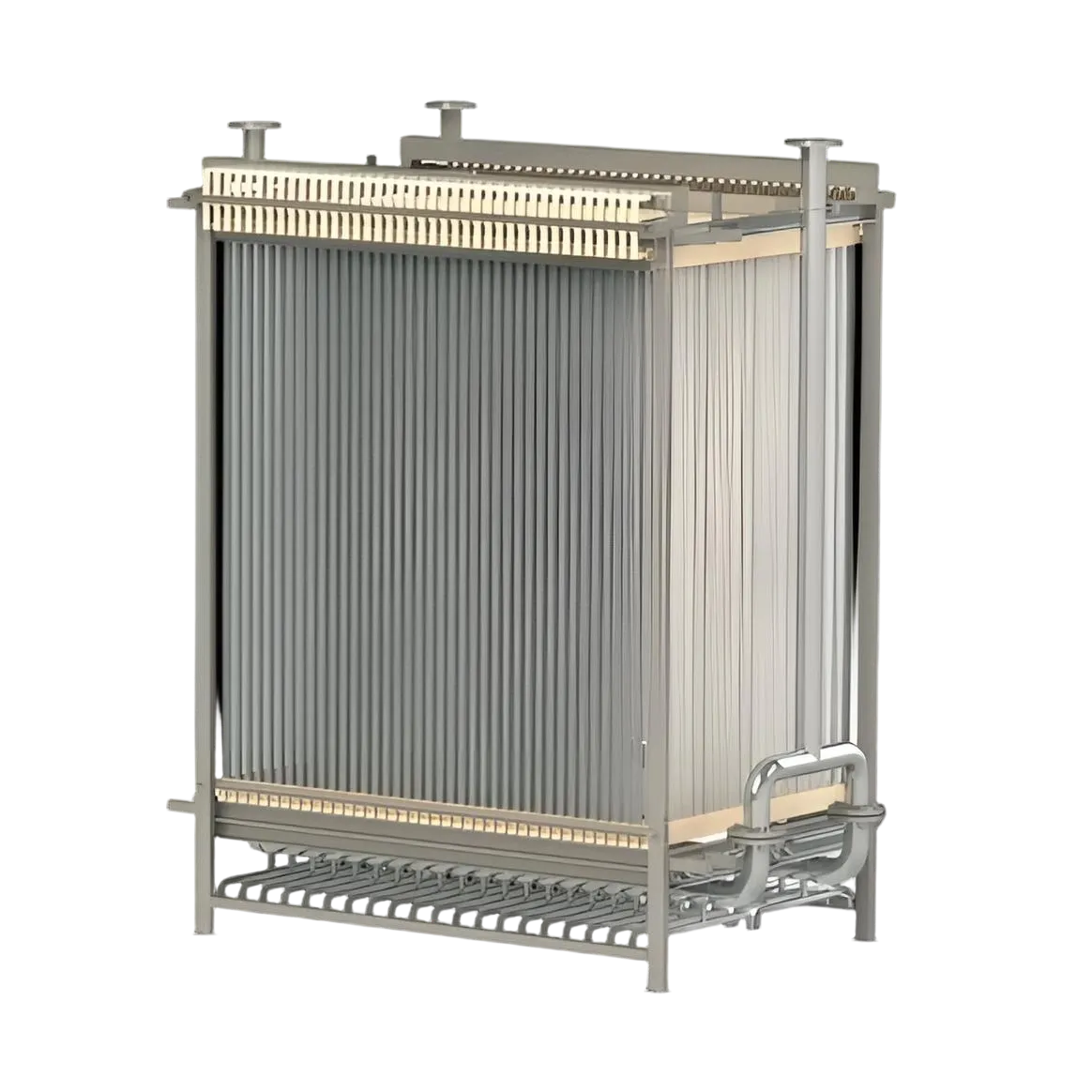
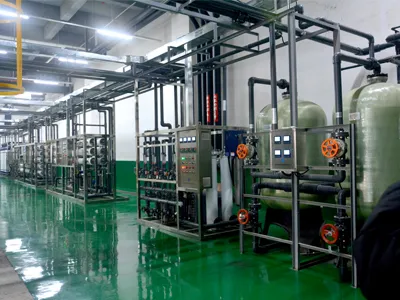
Current EDI can meet high-output requirements. Recent modular technology allows for good economic efficiency at flow rates of 2000 gpm (454.2 m³/h) and above. Its output can be easily adjusted by adding or removing membrane stacks.
Recent EDI units are economically comparable to mixed-bed systems. Simplified membrane synthesis and reduced membrane counts result in significantly lower costs compared to earlier EDI technologies. EDI operating costs are also comparable to mixed-bed systems, with power consumption roughly equivalent to the regeneration costs of mixed-bed systems.
The benefits of current EDI technology far surpass those of other technologies previously used in the pharmaceutical and electronics industries. EDI systems have achieved true industrial-grade design for the first time, capable of continuous operation at pressures up to 100 Psi (7 kgf/cm²) without leakage.
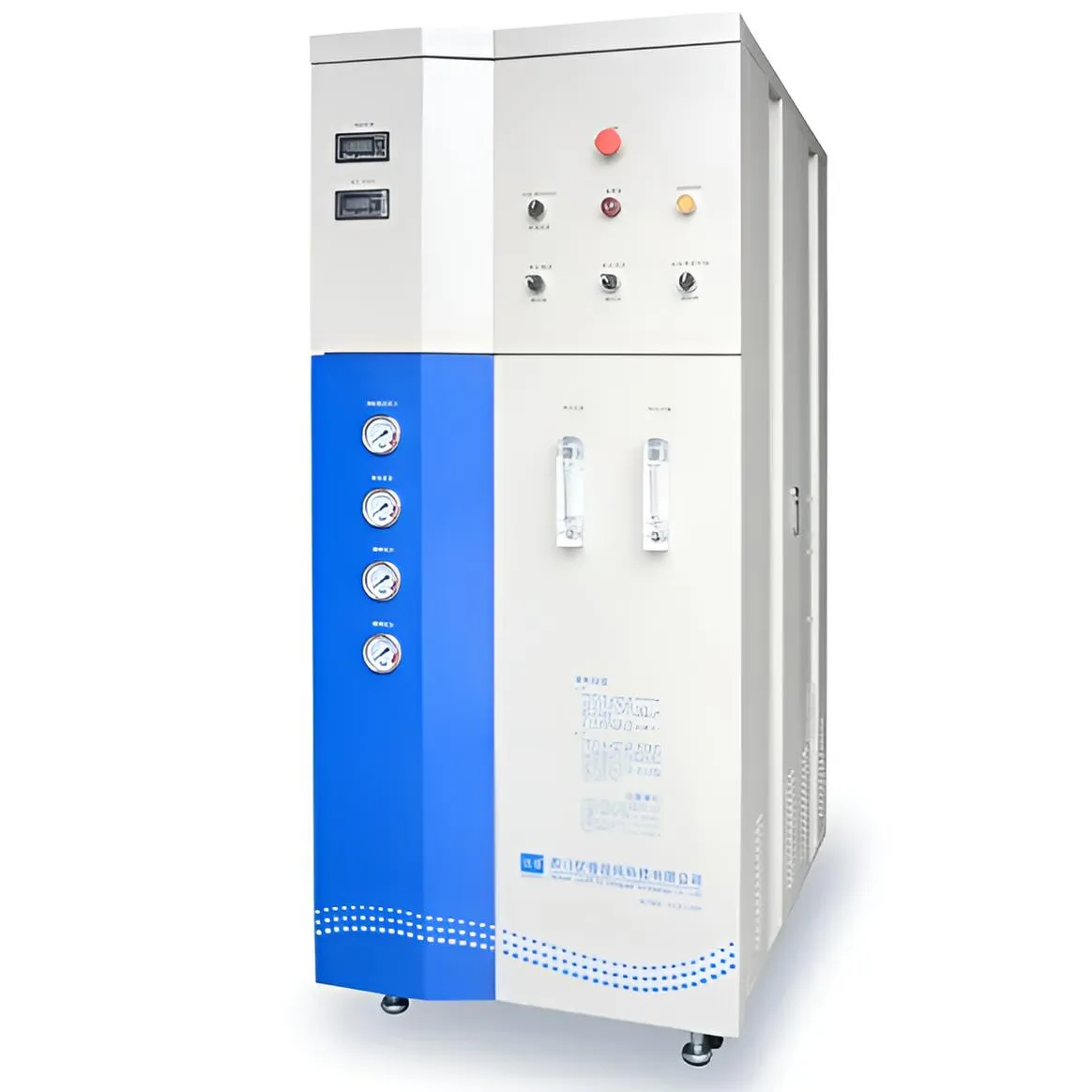
The latest EDI technology employs a modular design, allowing for expansion and easy installation and maintenance of modular EDI systems. Similar to RO systems, the standard modules comprising EDI are easily replaceable and can be mass-produced, further reducing costs. If the system design has excess capacity, the first consideration should be purchasing the number of membrane stacks suitable for the existing flow requirements.
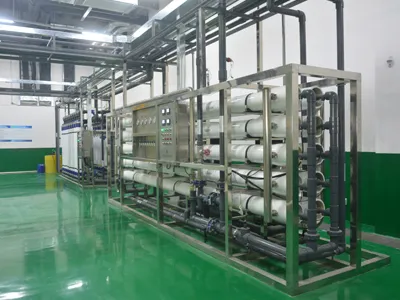
When mixed-bed equipment requires maintenance, it must be disconnected. However, in an EDI (similar to RO) system, maintenance of any membrane stack does not affect the overall system operation; the load is simply distributed among the remaining membrane stacks. As previously noted, the modular structure of EDI membranes also allows water treatment systems to be designed according to the specific space requirements of a given building.
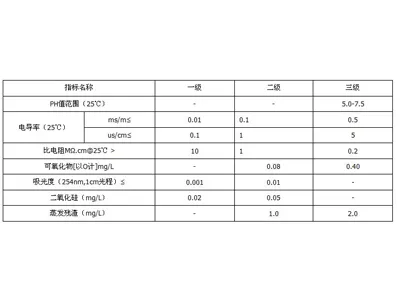
Currently used EDI membrane stacks can produce pure water with resistivity exceeding 16MW (0.063ms/cm). In fact, back-end treatment systems combining RO and EDI can produce the highest water quality currently required in industry. Recent advancements have enabled current EDI technology to meet the requirements of most users today and have earned widespread acclaim in the industry.





